5.3 AFM Delete Kit with Performance Cam: Expert Guide to Engine Optimization
The 5.3L LS engine has earned its reputation as one of the most versatile and modifiable powerplants in automotive history. Yet for many enthusiasts, the Active Fuel Management (AFM) system feels like an unnecessary constraint—a feature designed for EPA compliance that actually undermines the engine’s potential. Enter the 5.3 AFM delete kit paired with a performance cam, a combination that transforms how your truck or SUV breathes, responds, and performs.
This isn’t about chasing every last horsepower obsessively. It’s about reclaiming what your engine should have been doing all along: running smoothly, efficiently, and with the kind of responsive character that makes driving genuinely enjoyable. When you delete AFM and install a properly matched performance cam, you’re not just making modifications—you’re fundamentally rethinking how your engine operates.
Whether you’re a seasoned gearhead or someone who’s heard the buzz but isn’t quite sure what the fuss is about, this guide breaks down exactly what these modifications do, why they matter, and how to approach them intelligently. We’ll cover the technical foundation, the real-world benefits, installation considerations, and everything in between.
What Is Active Fuel Management and Why Delete It?
Active Fuel Management is General Motors’ cylinder deactivation technology that disables half of your engine’s cylinders under light-load conditions—typically highway cruising or steady acceleration. On a 5.3L V8, this means the engine runs on just four cylinders when AFM engages. The theory sounds reasonable: fewer cylinders firing equals less fuel consumption and lower emissions.
The reality, however, tells a different story for many owners. AFM was designed with a specific goal: maximizing fuel economy for EPA testing and regulatory compliance. What it actually delivers is a compromise that satisfies neither performance enthusiasts nor efficiency purists. The system introduces several problems that become apparent once you understand the mechanics:
- Valve train wear: The lifters that control AFM deactivation are known failure points. Worn lifters lead to rough idle, misfires, and expensive repairs.
- Carbon buildup: Cylinder deactivation doesn’t clean fuel injectors or valve seats effectively, leading to increased deposits and potential knock.
- Rough transitions: The shift between four-cylinder and eight-cylinder operation creates noticeable hesitation and inconsistent throttle response.
- Oil dilution: Deactivated cylinders continue to have fuel injected but don’t combust it, allowing fuel to wash down cylinder walls and contaminate the oil.
- Compromised driveability: The system creates a driving experience that feels disconnected and unpredictable, especially during acceleration.
Deleting AFM means removing the lifters and solenoids that control deactivation and reprogramming your engine control unit (ECU) to disable the system entirely. Your engine runs on all eight cylinders, all the time. This is where the magic happens—and where a performance cam becomes the perfect complement.
Performance Cam Fundamentals
A performance cam is a precision-engineered component that replaces your stock camshaft. While the stock 5.3L cam is designed for broad torque delivery across a wide RPM range and minimal valve overlap, a performance cam optimizes valve timing and duration for increased airflow and better combustion efficiency.
Here’s what makes a performance cam different from the factory unit:
- Increased valve lift: Performance cams open your intake and exhaust valves higher, allowing more air and exhaust gases to flow through the engine.
- Extended valve duration: The valves stay open longer during the engine’s combustion cycle, optimizing the breathing pattern for your specific power band.
- Optimized timing: The precise opening and closing points of the valves are tuned to enhance performance characteristics.
- Valve overlap: Performance cams typically increase the period when both intake and exhaust valves are open simultaneously, improving scavenging and cylinder filling.
The stock 5.3L cam is essentially a compromise designed to work across all driving conditions and satisfy emissions requirements. A performance cam removes those constraints and focuses on what the engine can genuinely achieve. When paired with other high-performance modifications like those used in similar applications, the results become exponentially better.
Popular performance cam options for the 5.3L include profiles from manufacturers like Comp Cams, Lunati, and others. Each offers different characteristics—some emphasize low-end torque, others focus on top-end power, and some deliver a balanced approach across the entire RPM range. The key is selecting a cam profile that matches your intended use and pairs well with the AFM delete system.
The Combined Benefits of AFM Delete with Performance Cam
Installing a 5.3 AFM delete kit alongside a performance cam creates synergistic benefits that exceed what either modification delivers alone. This is where the transformation becomes genuinely remarkable.
Consistent Power Delivery
Without AFM constantly switching between cylinder configurations, your engine delivers smooth, predictable power across the entire throttle range. Add a performance cam into the equation, and that power becomes more aggressive and responsive. You’re no longer fighting a system designed to conserve fuel—you’re working with a cam optimized for actual engine potential.
Improved Throttle Response
The combination eliminates the hesitation that AFM-equipped engines exhibit. When you press the accelerator, all eight cylinders are ready to respond immediately. The performance cam ensures those cylinders are breathing optimally, creating instantaneous power delivery that makes driving genuinely engaging.
Better Fuel Atomization and Combustion
A performance cam’s optimized valve timing creates superior cylinder filling and exhaust scavenging. This means fuel atomizes more completely and burns more efficiently. While you won’t achieve the EPA-tested fuel economy numbers of a stock AFM system, real-world efficiency often improves because the engine isn’t fighting itself anymore. Many owners report fuel economy within 1-2 MPG of stock despite significantly improved performance.
Authentic Engine Character
This is the intangible benefit that enthusiasts genuinely appreciate. An 8-cylinder engine should sound and feel like an 8-cylinder engine. The AFM delete with performance cam returns your 5.3L to its intended nature—a responsive, willing powerplant that rewards spirited driving. You’ll notice it in everything from low-RPM acceleration to highway passing power.
Reliability and Longevity
By eliminating AFM’s mechanical complexity and the stress it places on valve train components, you’re actually improving engine reliability. The lifters that fail in AFM systems are no longer cycling between active and inactive states. Combined with proper tuning to match the performance cam’s characteristics, this modification can extend engine life.
Understanding how these benefits work together requires appreciating the fundamental principles of engine performance optimization. It’s not about forcing more air and fuel into the engine haphazardly—it’s about creating an environment where combustion happens more completely and efficiently.
Technical Considerations and Compatibility
Before diving into an AFM delete with performance cam installation, several technical factors deserve careful attention. Getting these right means the difference between a successful modification and expensive complications.
Engine Year and Generation
The 5.3L has evolved significantly across generations. Gen III engines (1999-2007) differ substantially from Gen IV (2007-2014) and Gen V (2014-present) platforms. Compatibility varies dramatically between these generations. A kit designed for a Gen IV may not work on a Gen V without significant modifications. Always verify your specific engine generation before purchasing components.
ECU Tuning Requirements
Deleting AFM requires professional ECU tuning to disable the system and prevent check engine lights. This isn’t a matter of unplugging components—the engine control unit constantly monitors AFM system status. A qualified tuner removes the AFM logic from your fuel and ignition maps while optimizing the overall tune to work with your performance cam. This is non-negotiable. Attempting an AFM delete without proper tuning creates a vehicle that runs poorly and triggers diagnostic trouble codes.
Lifter Selection and Quality
When you delete AFM, you’re replacing the solenoid-activated lifters with traditional hydraulic roller lifters. Quality matters enormously here. Cheap lifters wear quickly and can cause catastrophic valve train damage. OEM or high-quality aftermarket lifters from reputable manufacturers are essential. Don’t compromise on this component.
Cam and Lifter Break-In Procedures
Installing a performance cam requires specific break-in procedures. The cam lobes and lifter bottoms need to establish proper wear patterns during initial operation. This typically involves running the engine at moderate RPMs (2000-3000) for 20-30 minutes without heavy load, then gradually increasing RPM and load over the next several hundred miles. Skipping or rushing this process leads to premature wear and potential failure.
Valve Spring Compatibility
Some performance cams require upgraded valve springs to handle increased valve lift and prevent valve float at higher RPMs. Your tuner and cam manufacturer will specify whether your engine needs new springs. Attempting to run a high-lift cam on factory valve springs is a recipe for disaster.
When considering modifications like these, it helps to understand broader principles of performance optimization that apply across different contexts.
Installation Process and Professional Support
A 5.3 AFM delete with performance cam installation is not a weekend DIY project for most enthusiasts. This is specialized work that requires professional expertise, proper equipment, and extensive knowledge of the 5.3L platform.
What the Installation Involves
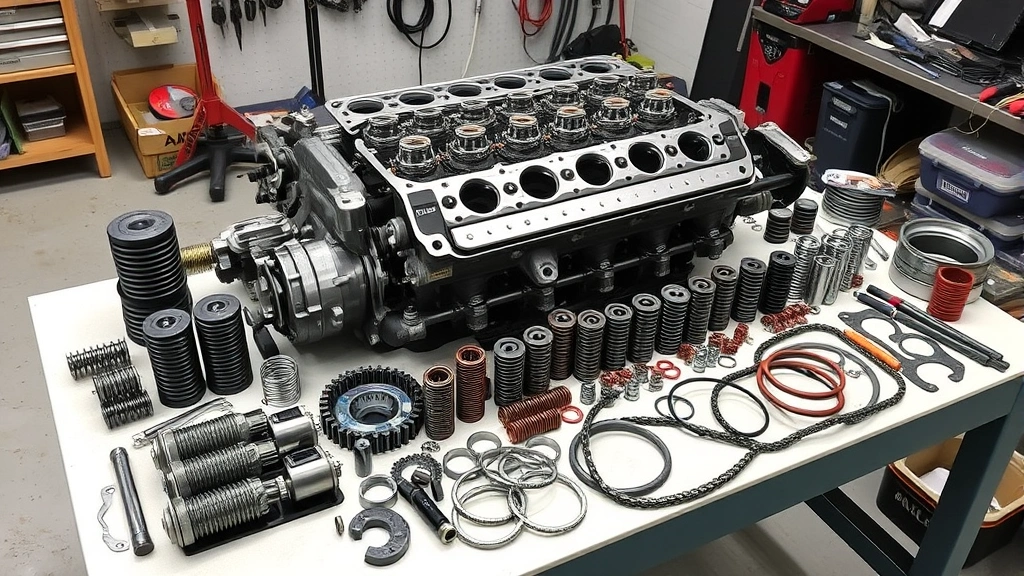
The process includes removing the valve covers, timing cover, and intake manifold to access the cam and lifters. The old AFM lifters are removed and replaced with traditional hydraulic roller lifters. The stock cam is replaced with your chosen performance cam. The timing chain and gears may require replacement if worn. All gaskets and seals are replaced to prevent oil leaks. Finally, the engine is reassembled and the ECU is professionally tuned.
This entire process typically takes 15-25 hours of labor, depending on your specific engine configuration and any complications discovered during disassembly.
Finding a Qualified Tuner
Not all mechanics are equipped to handle this work. You need someone with specific experience on 5.3L engines, proven tuning expertise, and the equipment to properly diagnose and optimize your engine. Look for shops specializing in LS engine modifications. Read reviews, ask for references, and don’t hesitate to ask detailed questions about their process and experience.
Parts Quality and Sourcing
Work with your chosen shop to source quality components. A complete 5.3 AFM delete kit typically includes new lifters, gaskets, seals, and sometimes a timing chain. The performance cam comes from your preferred manufacturer. Buying the cheapest components available is a false economy—you’re already investing significant labor costs. Spend appropriately on quality parts that will provide reliable, long-term performance.
Warranty Considerations
Understand that modifications like AFM deletion and performance cams will void any remaining manufacturer warranty on your engine. Some dealers may also refuse service on modified vehicles. This is worth considering before proceeding, especially if your vehicle is newer or you anticipate needing warranty coverage.
Tuning and Optimization
The ECU tune is where AFM deletion truly becomes powerful. This is where your specific engine configuration, driving goals, and component selections come together in a customized package.
Custom Tune Development
A qualified tuner doesn’t simply plug in a pre-made tune and call it done. They develop a custom tune based on your engine’s specific configuration, the performance cam’s characteristics, your vehicle’s weight and aerodynamics, and your driving priorities. This might emphasize low-end torque for towing, balanced performance for daily driving, or top-end power for performance applications.
Fuel and Ignition Optimization
The tune adjusts fuel injection timing and quantity, ignition timing curves, and shift points (if applicable) to work optimally with your performance cam. This ensures the engine operates in its sweet spot across all driving conditions. Proper tuning can actually improve real-world fuel economy compared to poorly tuned modified engines, even if it’s slightly lower than stock AFM-equipped engines.
Idle Quality and Drivability
Performance cams often create slightly rougher idle than stock cams—this is normal and expected. A skilled tuner minimizes this through careful idle control and fuel trim adjustments. The goal is maintaining smooth idle while preserving the cam’s performance characteristics.
Data Logging and Refinement
Professional tuners use data logging to monitor engine parameters during test drives. They analyze air/fuel ratios, ignition timing, boost (if applicable), and knock detection to identify optimization opportunities. This iterative process results in a tune that’s genuinely optimized for your specific setup, not just a generic profile.
Real-World Results and User Experiences
The theoretical benefits of AFM deletion with a performance cam are impressive, but what do actual owners experience?
Power Gains
Realistic expectations show 30-50 horsepower and 40-60 lb-ft torque gains compared to stock AFM-equipped 5.3L engines. These gains come from eliminating AFM’s mechanical losses, optimizing valve timing with the performance cam, and proper ECU tuning. These aren’t dyno-inflated numbers—they’re consistent, repeatable improvements that translate directly to real-world driving feel.
Driveability Improvements
Owners consistently report that their vehicles feel more responsive, more predictable, and more enjoyable to drive. Highway passing requires less throttle input. Low-RPM acceleration feels stronger. The engine sounds more authentic and engaging. These subjective improvements matter more to many owners than the objective horsepower numbers.
Fuel Economy Reality
Real-world fuel economy typically ranges from 1-3 MPG lower than stock depending on driving habits. However, many owners find this acceptable given the dramatic improvement in driving experience. Some report minimal losses if they’re disciplined about throttle modulation. The key is understanding that you’re trading some fuel economy for significantly improved performance and reliability.
Reliability Reports
When installed properly with quality components and professional tuning, AFM delete with performance cam modifications show excellent reliability. Owners report no premature wear, no unexpected failures, and engines that run stronger over time. The elimination of AFM’s mechanical complexity actually improves long-term reliability compared to stock AFM-equipped engines.
These real-world improvements align with broader principles of modern performance vehicle optimization.
Cost Analysis and Investment Return
Understanding the financial investment helps you decide if this modification aligns with your goals.
Component Costs
A quality 5.3 AFM delete kit with performance cam and supporting components typically costs $1,200-$2,000 depending on component selections. This includes the cam, lifters, gaskets, seals, timing chain (if needed), and installation hardware.
Labor Costs
Professional installation typically runs $1,500-$2,500 depending on your location and shop rates. This reflects the 15-25 hours of skilled labor required.
Tuning Costs
Professional ECU tuning typically costs $500-$1,000 for a custom tune developed specifically for your engine configuration.
Total Investment
Budget $3,200-$5,500 total for a quality AFM delete with performance cam installation and tuning. This is a significant investment, but one that dramatically transforms your driving experience and improves engine reliability.
Return on Investment
Unlike many modifications, AFM deletion actually improves reliability by eliminating a known problem area. The performance gains are substantial and genuine. If you plan to keep your vehicle long-term, this modification pays dividends through improved enjoyment and reduced maintenance on AFM system components.
Frequently Asked Questions
Will deleting AFM hurt my fuel economy?
Real-world fuel economy typically decreases by 1-3 MPG compared to stock AFM-equipped engines. However, the improvement in reliability and driveability often makes this acceptable. Some owners with disciplined driving habits see minimal losses. The key is understanding this trade-off before proceeding.
Can I do this modification myself?
While experienced engine builders might handle cam installation, the ECU tuning component requires professional expertise. Attempting this without proper tuning creates a vehicle that runs poorly and triggers check engine lights. Professional installation is highly recommended.
What performance cam should I choose?
Selection depends on your driving priorities and engine generation. For street driving, a mild to moderate performance cam (200-220 degrees duration) balances improved power with reliability and drivability. Consult with your tuner and cam manufacturer for specific recommendations based on your vehicle.
Will this modification void my warranty?
Yes, modifications to the engine and ECU will void any remaining manufacturer warranty on engine components. Some dealers may also refuse service on modified vehicles. Consider this before proceeding on newer vehicles.
How long does the installation take?
Expect 15-25 hours of labor depending on your engine configuration and any complications discovered during disassembly. Most shops can complete the work in 2-4 days.
Can I revert to stock AFM if needed?
Technically possible but impractical. You’d need to reinstall stock lifters and have the ECU returned to factory programming. Most owners don’t pursue this option once they’ve experienced the improvements.
Is this modification suitable for towing?
Yes, absolutely. The improved torque delivery and elimination of AFM’s hesitation actually makes AFM-deleted engines better for towing. Many truck owners specifically choose this modification for improved pulling power and reliability.
What about emissions and legality?
AFM deletion and performance cam modifications may not be street legal in all areas. Check your local emissions regulations before proceeding. In many regions, these modifications are acceptable for off-road use only.
How does this compare to supercharging or turbocharging?
AFM deletion with performance cam provides 30-50 hp gains naturally. Forced induction (supercharger or turbo) provides 100+ hp gains but costs significantly more and adds mechanical complexity. For naturally aspirated performance, AFM deletion with performance cam is an excellent value proposition.
Will the engine sound different?
Yes, noticeably so. The performance cam creates a more aggressive exhaust note, especially during acceleration. The engine sounds more authentic and engaging—like an actual V8 instead of a computer-controlled fuel-saver.


