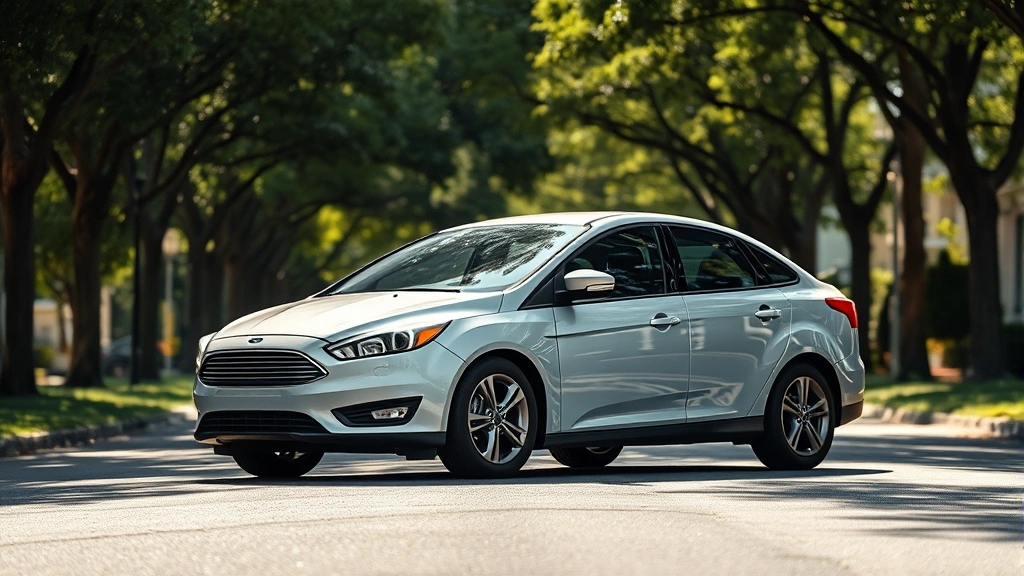
Are Ford Focus Good Cars? Expert Insights on Reliability, Performance, and Value
The Ford Focus has been a staple in the compact car segment for over two decades, but the question remains: is it actually a good car? Whether you’re considering a used model or eyeing a newer generation, understanding what makes the Focus tick—and where it stumbles—matters. This isn’t about hype or marketing speak. It’s about real-world performance, ownership costs, and whether this nameplate delivers on its promises.
The Focus has evolved significantly since its debut in 1998. From a nimble European-engineered compact to a more refined family hauler, Ford’s compact offering has tried to be many things to many people. Some iterations succeeded brilliantly; others, not so much. The key is knowing which generation you’re looking at and what your actual driving needs are.
Let’s cut through the noise and examine what automotive experts, owners, and performance data actually reveal about Ford Focus vehicles.
Reliability Track Record and Common Issues
When evaluating whether the Ford Focus is a good car, reliability becomes the foundation of that assessment. The answer here is nuanced. Early Focus models earned genuinely impressive reliability ratings. The original European-market Focus, particularly the 2000-2004 generation, set a benchmark for compact car durability that influenced the entire segment.
However, the 2012-2018 generation introduced a problematic dual-clutch transmission (PowerShift) that became the Focus’s Achilles heel. Owners reported transmission shuddering, hesitation, and complete failures sometimes before 50,000 miles. This wasn’t a minor inconvenience—it fundamentally undermined the car’s credibility. Ford issued multiple technical service bulletins and software updates, but the damage to owner confidence was substantial.
The 2019+ generation addressed this catastrophically by switching to a conventional nine-speed automatic transmission. Reliability reports improved markedly, though some owners still report occasional transmission lag at highway speeds. Current-generation Focus vehicles score reasonably well on Consumer Reports reliability surveys, though they don’t top the segment.
Common issues across generations include:
- Engine knocking and carbon buildup on EcoBoost engines (2012+)
- Brake dust accumulation and premature brake wear
- Electrical gremlins affecting infotainment systems
- Suspension creaking and noise over bumps
- Water leaks around door seals
The good news? None of these are catastrophic design flaws. They’re manageable with proper maintenance and occasional component replacement. For perspective, you can explore how different performance optimization approaches affect long-term durability when maintained correctly.
Performance and Driving Dynamics
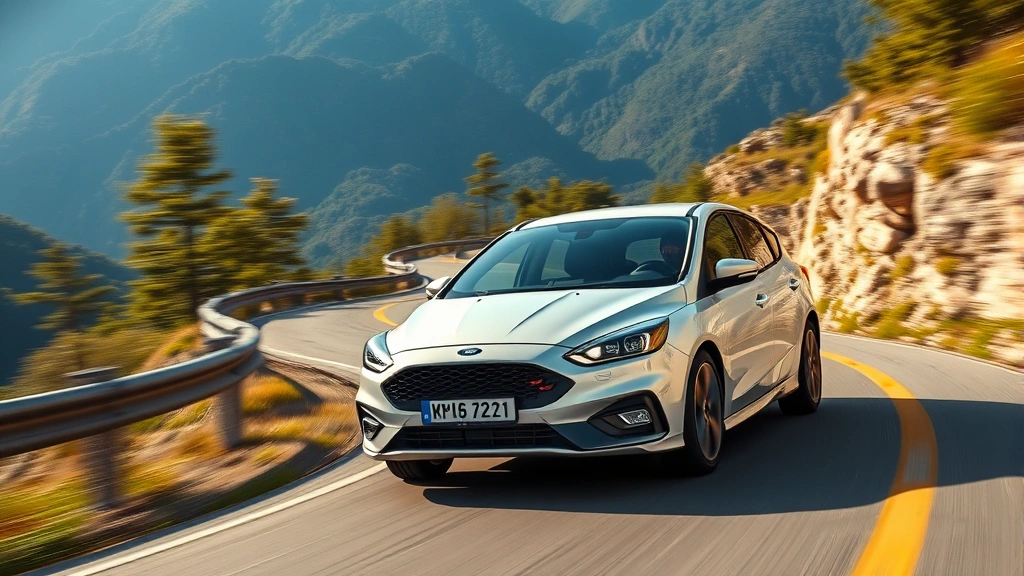
Here’s where the Ford Focus actually shines. When automotive journalists and enthusiasts discuss compact cars that are genuinely fun to drive, the Focus deserves mention. The original Focus earned accolades for responsive steering and predictable handling. Even modern iterations maintain that DNA, though it’s been diluted by comfort-focused tuning.
The Focus ST and Focus RS variants represent the high-water mark for compact car performance. The ST’s turbocharged 2.0-liter engine produces 252 horsepower, while the RS cranks that up to 350 with all-wheel drive. These aren’t pretend performance cars—they’re legitimate track-capable machines that can embarrass much more expensive competitors in the right hands.
Standard Focus models with the 1.6-liter EcoBoost engine deliver adequate performance for daily driving. The 1.5-liter naturally aspirated option prioritizes reliability over excitement. Neither will thrill speed enthusiasts, but they provide sufficient punch for highway merging and spirited driving when the mood strikes.
Steering feel varies by generation. Older models offered more direct, communicative steering. Newer generations prioritize isolation and comfort, which appeals to commuters but disappoints driving enthusiasts. The suspension strikes a reasonable balance between compliance and control, though it’s not as engaging as aerodynamic performance enhancements might suggest.
Handling characteristics remain the Focus’s strongest suit. The compact dimensions, relatively low center of gravity, and well-tuned suspension geometry make this car feel smaller and nimbler than its dimensions suggest. On twisty roads, a Focus feels genuinely planted and responsive. In urban environments, the tight turning radius and narrow profile make parking and maneuvering almost effortless.
Fuel Efficiency and Economy
Ford marketed the Focus as an economical choice, and it generally delivers on that promise. Fuel economy varies significantly by engine choice, transmission, and driving style, but realistic expectations matter here.
The 1.5-liter naturally aspirated engine achieves approximately 25-30 mpg combined, depending on whether you have the manual or automatic transmission. The 1.6-liter EcoBoost typically manages 24-28 mpg combined. The 2.0-liter EcoBoost in ST models sees 21-24 mpg, which is respectable for a turbocharged performance variant.
Real-world owners frequently report slightly lower numbers than EPA estimates, particularly during winter months or in stop-and-go city driving. This isn’t unique to the Focus—it’s an industry-wide phenomenon. Highway driving in ideal conditions can exceed EPA estimates, especially with the manual transmission models.
The Focus’s fuel efficiency places it solidly in the middle of the compact segment. It’s not class-leading, but it’s competitive. The hybrid option that some markets received never made it to North America in significant numbers, which represents a missed opportunity for Ford to capture efficiency-conscious buyers.
Interior Technology and Features
Modern vehicle interiors have become increasingly important to buyers, and this is where the Focus shows its age in some respects. Older generations featured hard plastics and utilitarian layouts that felt cheap compared to competitors. Newer models have made significant strides with softer-touch materials and more modern design language.
The infotainment system has been a persistent weakness. Early versions of Ford’s Sync system suffered from lag, poor voice recognition, and unintuitive menus. Recent updates have improved functionality, but the system still doesn’t match the sophistication of Apple CarPlay and Android Auto integration found in competitors like the Honda Civic or Mazda3.
Cargo space is respectable for the segment. The sedan offers 12.8 cubic feet of trunk space, while the hatchback provides 23.3 cubic feet with seats folded. This practicality appeals to buyers who need flexibility without stepping up to a crossover.
Seating comfort is adequate for daily driving but not exceptional. The driver’s seat lacks the adjustability and support found in more premium offerings. Rear seat legroom is tight for passengers over six feet tall, though acceptable for occasional use. Climate control works effectively, though the system can be noisy.
Safety features have improved substantially in recent generations. Modern Focus models include automatic emergency braking, blind-spot monitoring, and lane departure warning as standard or available options. The NHTSA and IIHS ratings have been generally positive, though not class-leading.
Ownership Costs and Maintenance
One of the Focus’s genuine strengths is its affordability from an ownership perspective. Used models are abundant, which keeps prices competitive and spare parts accessible. This matters significantly over a five to ten-year ownership period.
Routine maintenance costs are reasonable. Oil changes run $30-60 depending on the engine and location. Tire replacements cost $400-700 for a set of quality all-seasons. Brake service typically ranges $300-500 per axle. None of these figures are shocking compared to competitors or premium brands.
Insurance rates for the Focus are among the lowest in the segment. The car’s theft rate is moderate, and repair costs are manageable because parts are widely available and labor rates are standard. This translates to annual insurance costs that won’t strain a budget.
Resale value has been affected by the transmission issues that plagued certain generations. Pre-2012 and post-2019 models hold value more effectively than the problematic PowerShift generation. You can research further about industry insights and ownership experiences to understand market trends better.
Fuel costs depend on driving habits and current prices, but the Focus’s respectable efficiency means you won’t be visiting the pump more frequently than similar vehicles. Over 100,000 miles, the fuel cost difference between a Focus and a larger sedan might be $500-800, hardly a game-changer but meaningful nonetheless.
How It Stacks Against Competitors
The compact car segment has become increasingly competitive. The Honda Civic, Mazda3, Toyota Corolla, and Hyundai Elantra all vie for the same buyers. How does the Focus compare?
Against the Civic, the Focus offers better handling dynamics but trails in reliability perception and interior quality. Civic models tend to hold their value better, which factors into total cost of ownership. However, the Focus often undercuts the Civic on initial purchase price.
The Mazda3 is arguably the Focus’s closest competitor in driving engagement. Both cars prioritize responsive handling and driver involvement. The Mazda edges ahead on interior design and perceived quality, while the Focus offers better value and practicality with the hatchback option.
The Toyota Corolla dominates on reliability and resale value but sacrifices driving dynamics. If you prioritize dependability over engagement, the Corolla wins. If you actually enjoy driving and accept slightly higher maintenance risk, the Focus becomes more appealing.
The Hyundai Elantra offers impressive warranties and competitive pricing but doesn’t match the Focus’s handling prowess. It’s a solid practical choice for buyers prioritizing value and peace of mind over driving experience.
The Focus ST and RS have few true competitors in the affordable performance segment. The Civic Si and ILX Type-S offer comparable performance at similar prices, but the Focus models deliver superior handling characteristics. For those interested in performance optimization strategies, the Focus platform provides excellent tuning potential.
For detailed information on high-performance variants, you might explore Ford’s performance engineering heritage and how it influences modern compact cars.
Frequently Asked Questions
Is the Ford Focus reliable long-term?
Reliability depends heavily on the generation. Pre-2012 models are quite reliable. The 2012-2018 generation with the PowerShift transmission is problematic. Post-2019 models with the nine-speed automatic show improved reliability. Proper maintenance and regular service intervals significantly enhance longevity regardless of generation. Edmunds reliability data provides comprehensive breakdowns by model year.
Should I buy a used Ford Focus with the PowerShift transmission?
Proceed with caution. While some owners have experienced no issues, the transmission’s track record is concerning. If you do purchase a PowerShift-equipped Focus, ensure it has transmission warranty coverage and get a thorough pre-purchase inspection by a transmission specialist. Factor in the possibility of expensive repairs into your valuation.
How does the Ford Focus compare to the Honda Civic?
The Focus offers better handling and lower initial cost, while the Civic provides superior reliability, better resale value, and higher interior quality. Choose the Focus if driving dynamics matter; choose the Civic if peace of mind and long-term value are priorities.
What’s the best generation of Ford Focus to buy?
The 2000-2004 original generation offers excellent reliability and engaging driving dynamics, though it’s aging. The 2005-2011 generation maintains quality. The 2012-2018 generation should be approached carefully due to transmission concerns. The 2019+ generation represents the current best option with improved reliability and modern features.
Is the Focus ST worth the premium over a standard Focus?
If you genuinely enjoy spirited driving, yes. The ST transforms the Focus into a legitimate performance car with superior handling, braking, and acceleration. The premium typically ranges $4,000-6,000 over a standard model, which is reasonable for the capabilities gained. Motor Trend’s performance testing demonstrates the ST’s genuine capabilities.
What maintenance should I prioritize on a Ford Focus?
Follow the manufacturer’s maintenance schedule religiously. Prioritize transmission fluid changes if you have a PowerShift model. Keep the cooling system well-maintained, as EcoBoost engines run hot. Monitor brake pads closely, as some Focus models experience premature wear. Use quality synthetic oil, and address any warning lights immediately rather than ignoring them.
Can I modify a Ford Focus for better performance?
Absolutely. The Focus platform responds well to modifications. EcoBoost engines benefit from tuning, intake upgrades, and exhaust modifications. Suspension improvements, brake upgrades, and lightweight wheels enhance handling. The ST and RS models provide even more tuning potential. Research reputable tuners in your area and ensure modifications don’t void your warranty if that matters to you.


