
Is “Atomic Habits” PDF Available for Free Legally? A Practical Guide
The question echoes across productivity forums and social media threads: can you legally download Atomic Habits by James Clear as a free PDF? The short answer is nuanced. While the book isn’t available as a legitimate free PDF directly from the publisher, there are several legal pathways to access it without paying full retail price—and understanding these options matters both for your wallet and your conscience.
James Clear’s Atomic Habits has become a cultural phenomenon since its 2018 release, sitting atop bestseller lists and reshaping how millions think about personal change. Its core premise—that tiny behavioral shifts compound into remarkable results—resonates with anyone tired of all-or-nothing thinking. But accessibility remains a legitimate concern, especially for readers in developing countries or those on tight budgets.
This guide explores the legal landscape of accessing Atomic Habits without paying traditional prices, examines why free PDFs often come with hidden costs, and reveals legitimate alternatives that might surprise you.
The Legal Status of Atomic Habits Free PDFs
Let’s be direct: Atomic Habits is protected by copyright law in virtually every country where it’s published. James Clear and his publisher, Avery (an imprint of Penguin Random House), retain exclusive rights to distribute the work. This protection extends for the author’s lifetime plus 70 years in most jurisdictions—a legal framework designed to protect creators’ intellectual property and ensure they’re compensated for their work.
The Copyright Office maintains clear guidelines: distributing copyrighted material without permission violates federal law, regardless of whether money changes hands. A free PDF obtained through unauthorized channels remains illegal, even if no one profits from it. The distinction between “free” and “legal” matters tremendously here.
However, this doesn’t mean you’re trapped paying $18 for a hardcover or $15 for an ebook. Publishers and platforms have created legitimate workarounds specifically because they understand accessibility concerns. The key is knowing where to look.

Why Free PDFs Often Violate Copyright
When you encounter a free PDF of Atomic Habits on sketchy websites or through torrent sites, you’re engaging with pirated content—content obtained without authorization or compensation to the copyright holder. The reasoning behind why people share these files is often sympathetic: making knowledge accessible to everyone regardless of economic status. The execution, however, remains illegal.
Here’s what matters: downloading pirated content exposes you to real risks. Malware often hides in unauthorized PDFs. Your device becomes vulnerable to ransomware, spyware, or data theft. You’re not just breaking copyright law; you’re potentially compromising your personal security. Cybercriminals exploit the exact desperation that drives people toward free PDFs.
Beyond personal risk, consider the creator perspective. James Clear spent years researching, writing, and refining Atomic Habits. Book sales fund his ability to continue producing content. When you pirate the book, you’re directly reducing his compensation and his incentive to create future work. This applies whether you view it as “just one person” or not—millions of people making this choice collectively impacts creators’ livelihoods.
The ethical argument extends further. Authors, especially those from marginalized backgrounds or non-English-speaking countries, depend on book sales for income. Piracy disproportionately affects these creators while benefiting already-wealthy tech companies that host pirated content.
Legitimate Ways to Access the Book
Now for the good news: legitimate alternatives abound, and many cost significantly less than retail price.
Public Libraries represent the most underutilized resource. Most public library systems offer Atomic Habits in multiple formats: physical copies, ebooks through platforms like OverDrive or Libby, and often audiobooks. The catch? You might wait for a physical copy during peak popularity. But ebook holds typically move faster, and the price is unbeatable: free with your library card.
Subscription Services offer another pathway. Scribd, for instance, provides access to millions of books including Atomic Habits for roughly $15 monthly. If you’re a voracious reader, this amortizes across numerous titles. Similarly, Kindle Unlimited includes the book in its rotating catalog, giving unlimited access for $11.99 monthly.
The Atomic Habits Audible version deserves special mention. Audible offers a free trial including one free audiobook—you could legally access the entire book for nothing if you’re new to the platform. Even after the trial, Audible Plus memberships cost $7.95 monthly and include access to hundreds of titles.
Consider purchasing used copies through platforms like ThriftBooks, AbeBooks, or local Facebook Marketplace groups. Used copies often cost $5-8, supporting independent sellers while keeping costs minimal.
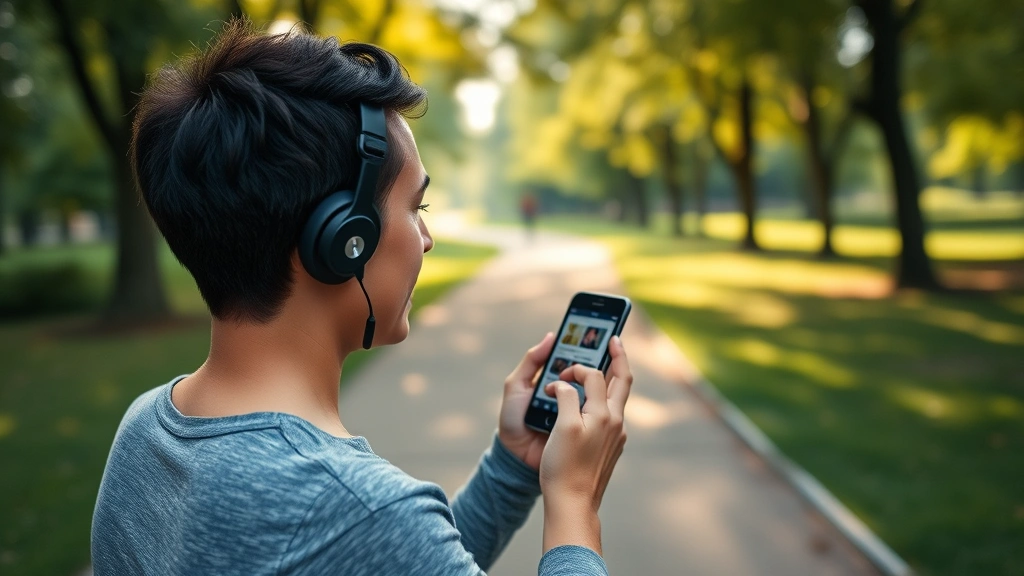
Library Resources and Digital Access
The modern library extends far beyond physical buildings. Most public library systems now offer digital collections that rival commercial services.
Libby and OverDrive dominate the digital library space. These apps sync directly with your library card, giving you access to millions of titles including Atomic Habits. You download them to your phone or tablet and read offline. No late fees exist—books automatically return after the loan period. The downside? Popular books have waiting lists. But waiting lists move surprisingly fast for ebooks, sometimes weeks rather than months.
Hoopla offers another library-based option, often with shorter wait times. Some library systems provide unlimited simultaneous checkouts through Hoopla, eliminating waiting lists entirely.
University libraries sometimes grant community access. If you’re affiliated with any college or university—as a student, staff member, or alumnus—you likely have access to their digital collections, which often include recent bestsellers like Atomic Habits.
The library approach teaches patience, yes. But it costs nothing and supports public institutions funded by your taxes. For the budget-conscious reader, this remains the most ethically sound option.
Budget-Friendly Pricing Strategies
If you prefer owning the book outright, strategies exist to minimize cost without resorting to piracy.
Price Tracking works surprisingly well for ebooks. Amazon frequently discounts Atomic Habits to $2.99-5.99, especially during sales events or when competing with other platforms. CamelCamelCamel tracks Kindle price history and alerts you when prices drop.
Library Sales and Book Swaps happen regularly. Your local library typically hosts annual book sales where they sell donated copies for 50 cents to $2. Joining local book swap groups on Facebook or Meetup connects you with readers trading books for free or at minimal cost.
International Editions sometimes cost less than U.S. versions, though shipping adds expense. The content remains identical—publishers simply price different editions for different markets.
Gift Card Strategies reduce effective cost. If you receive Amazon or Apple gift cards, applying them toward the ebook costs nothing out-of-pocket.
These approaches require more effort than downloading a free PDF, but they’re worth the friction. You’re supporting the author, accessing legitimate content, and avoiding malware risks.
The Audiobook Alternative
Many people overlook audiobooks when seeking free or cheap access to Atomic Habits. This represents a missed opportunity.
The audiobook version, narrated by James Clear himself, often costs less than the physical book and provides a different experience entirely. Listening while commuting, exercising, or doing chores transforms “finding time to read” into passive learning.
Audible’s free trial gives you one free audiobook credit. After that, Audible Plus costs $7.95 monthly for unlimited access to a rotating catalog that includes Atomic Habits. Many readers find the subscription worthwhile because audiobooks replace entertainment they’d otherwise pay for—podcasts, music, streaming services.
Library systems often provide free audiobook access through Libby and OverDrive. The same waiting list dynamics apply, but ebook and audiobook wait times differ. Sometimes one format has availability while the other has a queue.
The psychological benefit shouldn’t be underestimated either. Audiobooks create different cognitive engagement than reading. Hearing James Clear’s voice emphasize certain passages can amplify impact compared to silent reading. For Atomic Habits specifically, this matters—the book’s effectiveness partly depends on emotional resonance, which voice narration enhances.
Summary Resources and Cheat Sheets
If budget and access remain barriers, consider that comprehensive summaries legally capture the book’s core ideas without violating copyright.
Our Atomic Habits Cheat Sheet distills the essential frameworks—habit stacking, the habit loop, identity-based habits—into actionable reference material. While summaries don’t replace reading the full book (the examples and stories matter), they provide legitimate, free access to core concepts.
Blinkist and similar summary platforms offer brief, structured overviews of Atomic Habits for under $10 monthly. These work well for busy people or those testing whether the book warrants deeper engagement.
The distinction here matters: summaries aren’t the copyrighted book itself. They’re transformative works that discuss and explain the book’s ideas. This falls within fair use—legal protection for transformative commentary and criticism.
If you find the summary resonates, you’ll likely want the full book eventually. Many people use summaries as trial runs before purchasing. This approach respects copyright while remaining budget-conscious.
Frequently Asked Questions
Is it illegal to download a free PDF of Atomic Habits?
Yes, downloading an unauthorized PDF violates copyright law in virtually all jurisdictions. Copyright protection covers the work regardless of whether you pay for it. The legality hinges on authorization, not price. Legitimate free access exists through libraries, subscriptions, and trials—these are legal alternatives.
Will my device get infected if I download a pirated PDF?
Pirated content frequently contains malware. Cybercriminals exploit people’s desperation for free content by embedding ransomware, spyware, or data-harvesting tools in PDF files. Your device becomes vulnerable to theft, privacy breaches, and financial fraud. The risk isn’t theoretical—it’s documented and common.
Can I legally share an Atomic Habits PDF I purchased with friends?
No. Purchasing an ebook grants you a personal, non-transferable license. Sharing it with others violates the license agreement and copyright law. Your friends need their own copies, whether through purchase, library checkout, or subscription services.
Why is Atomic Habits not available free through Project Gutenberg?
Project Gutenberg hosts books in the public domain—works where copyright protection has expired. Atomic Habits was published in 2018. Copyright protection extends for the author’s lifetime plus 70 years, meaning it won’t enter the public domain for roughly a century. Until then, the copyright holder controls distribution.
Do library ebook loans count toward reading statistics?
This depends on the platform. Libby, OverDrive, and Hoopla typically report loans to services like Goodreads if you connect your accounts. Your reading activity remains tracked even with free library access.
Is there a difference between the Atomic Habits PDF, ebook, and audiobook versions?
The core content remains identical across formats. However, James Clear narrates the audiobook himself, which changes the experience. Some readers find his vocal emphasis enhances certain concepts. The ebook includes the exact text. Physical books and PDFs are visually identical, though PDFs lack the tactile experience some readers prefer.
What if I can’t afford any of these options?
Contact your local library about their digital access programs. Most public library systems provide free ebook and audiobook access. If you lack a library card, most systems allow you to apply for one online. Some libraries even offer cards to people outside their service area for a small annual fee ($15-50). Additionally, many universities grant community member access to digital resources. If none of these work, reach out to libraries in neighboring communities—reciprocal borrowing agreements often exist.


