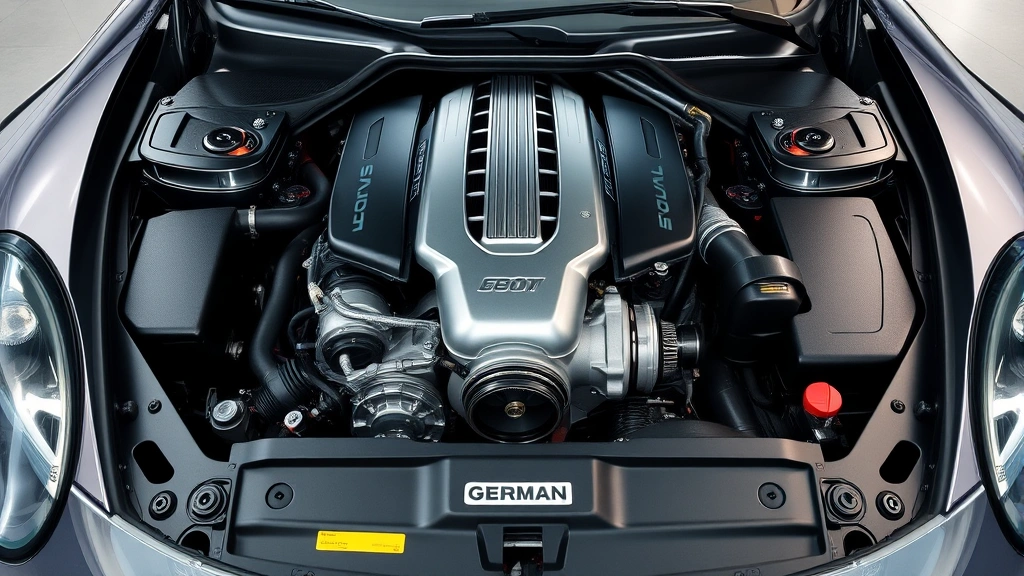
Audi Performance Parts: The Ultimate Enhancement Guide to Unlocking Your Vehicle’s True Potential
When you slide behind the wheel of an Audi, you’re already experiencing German engineering at its finest. But here’s the thing—even the most refined factory settings leave room for optimization. Whether you’re driving an A4, RS6, or anything in between, Audi performance parts represent the gateway to transforming your daily commute into an exhilarating driving experience. This isn’t about reckless modifications; it’s about intelligent upgrades that respect your vehicle’s DNA while amplifying what makes it special.
The beauty of enhancing an Audi lies in the precision involved. Unlike some vehicles where aftermarket modifications feel like bolting on random components, Audi’s engineering philosophy means that performance upgrades work with the system rather than against it. You’re not fighting your car’s nature—you’re unleashing it. From exhaust systems that sing to suspension setups that carve corners like a surgeon’s scalpel, the right parts can make your Audi feel like a completely different beast.
But where do you start? What actually matters versus what’s just marketing noise? This guide walks you through everything you need to know about selecting, installing, and maximizing the benefits of Audi performance parts. We’ll cover the practical, the technical, and the transformative—all while keeping your vehicle’s integrity intact.
Understanding Audi Performance Parts: Beyond the Basics
Before diving into specific components, let’s establish what we’re actually talking about. Audi performance parts encompass a wide range of upgrades designed to enhance power output, handling precision, braking capability, or overall driving dynamics. Some are bolt-on solutions requiring minimal expertise; others demand professional installation and tuning knowledge.
The key distinction that separates thoughtful upgrades from misguided tinkering is purpose. Are you chasing raw horsepower numbers? Improving track-day capability? Enhancing daily driving responsiveness? Your answer determines which parts actually deserve your attention and investment. Many enthusiasts fall into the trap of collecting modifications without a coherent strategy, resulting in a Frankenstein vehicle that’s quick in a straight line but feels disconnected everywhere else.
Think of your Audi as a finely tuned orchestra. Each component plays a specific role in the overall performance symphony. When you add performance parts, you’re not just cranking up the volume—you’re ensuring every instrument remains in harmony. This philosophy is what separates professional-grade modifications from amateur hour disasters.
Much like how small, consistent improvements compound over time, performance upgrades work best when they’re strategically layered. A single turbo upgrade without supporting fuel system modifications is like building a mansion on a foundation designed for a cottage.

Engine Modifications That Actually Matter
The engine is where the magic happens, and it’s also where most people get performance parts completely wrong. Let’s talk about what actually moves the needle versus what’s just theater.
ECU tuning stands at the top of the effectiveness hierarchy. Your Audi’s engine control unit contains factory parameters deliberately conservative to accommodate various fuel qualities, climates, and driving conditions worldwide. A professional ECU tune, often called a “remap,” adjusts these parameters to optimize performance for your specific vehicle and driving style. Depending on your engine, you’re looking at 20-50+ additional horsepower and torque improvements with zero physical modifications.
Air intake systems come next. Factory intake designs prioritize noise reduction and emissions compliance over maximum airflow. Upgrading to a performance intake allows your engine to breathe easier, particularly at higher RPMs. The result? Improved throttle response and modest power gains—usually 5-15 horsepower depending on whether you opt for a cold air intake or intake manifold upgrade.
Fuel system upgrades deserve attention if you’re planning significant power increases. Stock fuel injectors and pumps can become bottlenecks when you’re pushing beyond factory output levels. High-flow fuel injectors and upgraded fuel pumps ensure your engine never runs lean, which is the automotive equivalent of dehydration during a marathon.
For those interested in comparative performance insights, exploring how other manufacturers approach performance engineering can provide valuable context for understanding Audi’s philosophy. Similarly, modern electric performance benchmarks challenge traditional thinking about what constitutes genuine driving engagement.
Suspension and Handling Upgrades
Here’s a truth that separates genuine enthusiasts from posers: suspension modifications often deliver more tangible improvement to daily driving than engine mods. A car that handles precisely and feels connected to the road is infinitely more enjoyable than one that’s marginally faster but feels disconnected.
Lowering springs drop your Audi’s center of gravity, reducing body roll during cornering and improving weight distribution. This isn’t just for aesthetics—the physics are real. Lower center of gravity means better grip and more predictable handling characteristics. Quality springs like those from companies specializing in comprehensive performance solutions maintain ride quality while delivering measurable improvements.
Coilover suspension systems represent the next level, offering adjustable ride height and damping. This means you can fine-tune your Audi’s handling for different scenarios—comfortable for daily driving, aggressive for weekend canyon runs. Modern coilovers have become remarkably refined, eliminating the bone-jarring ride quality that plagued earlier generations.
Sway bars (anti-roll bars) control lateral weight transfer during cornering. Upgrading to stiffer sway bars reduces body roll without requiring a complete suspension overhaul. The result is a car that feels significantly more planted and responsive through turns, particularly noticeable on mountain roads or track days.
Anti-roll bar endlinks and bushings often get overlooked, but worn components here introduce slop into the system. Polyurethane or spherical bearing upgrades tighten up suspension response considerably. It’s one of those modifications that delivers disproportionate improvements relative to cost and complexity.
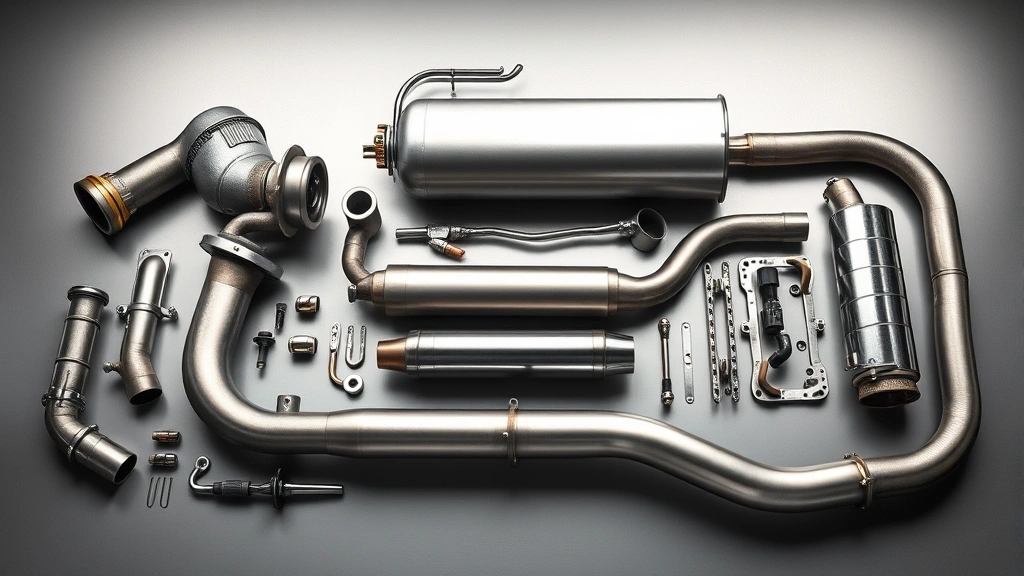
Exhaust Systems: Sound Meets Substance
Exhaust upgrades occupy a unique space in the performance parts world—they’re one of the few modifications that deliver simultaneous improvements to power, efficiency, and driving experience. That distinctive Audi growl you hear from tuned vehicles? That’s not just marketing; it’s the acoustic signature of unrestricted exhaust flow.
Stock exhaust systems prioritize emissions control and noise suppression. While necessary for regulatory compliance, they also restrict exhaust scavenging—the process by which burned gases exit the engine. A performance exhaust system uses larger diameter tubing, optimized bends, and higher-flow catalytic converters to let your engine breathe more freely.
The power gains from exhaust alone typically range from 5-15 horsepower, depending on your engine and system choice. More importantly, you’ll notice dramatically improved throttle response and a more engaging driving experience. The engine essentially feels freer, more willing to rev.
Quality matters enormously here. Budget exhaust systems often sound like angry lawnmowers—all noise, minimal substance. Premium systems from established performance brands maintain the aggressive sound while preserving refinement. They’re engineered to complement your Audi’s character rather than overshadow it.
For context on how performance priorities differ across manufacturers, exploring specialized performance tuners’ approaches reveals the sophisticated thinking behind modern modifications.
Brake System Enhancements
Here’s something many performance enthusiasts overlook: brakes aren’t just about stopping—they’re about control. Superior braking capability fundamentally changes how you interact with your vehicle, particularly in spirited driving situations.
Factory brake systems prioritize fade resistance and longevity over ultimate stopping power. Performance brake pads offer higher friction coefficients, meaning better bite and shorter stopping distances. However, they typically require higher operating temperatures to perform optimally, which means they’re less ideal for daily driving in traffic.
Brake rotors deserve equal attention. Slotted or cross-drilled rotors improve cooling and bite characteristics compared to smooth factory rotors. The engineering behind effective rotor design is more sophisticated than many realize—it’s not just about looking aggressive.
Brake fluid upgrade often gets forgotten, but it’s genuinely important. High-temperature brake fluid resists boiling during sustained hard braking, maintaining pedal feel and stopping power. A simple fluid upgrade can transform brake performance, particularly if you’re pushing your Audi hard on track days.
Braided stainless steel brake lines reduce flex under pressure, creating a firmer, more responsive brake pedal. Combined with performance pads and fluid, this transforms your braking experience from adequate to genuinely impressive.
Turbo and Forced Induction Upgrades
For drivers seeking genuinely significant power increases, turbocharger upgrades represent the most effective path. Audi’s turbocharged engines respond remarkably well to boost optimization and upgraded turbo components.
Larger turbos deliver more airflow at higher RPMs, enabling greater power outputs. The tradeoff is increased turbo lag—the delay between throttle application and boost arrival. Modern variable geometry turbos and twin-scroll designs minimize this lag while delivering impressive power gains.
Intercooler upgrades improve charge air cooling, which is crucial because cooler air is denser, allowing more oxygen molecules per unit volume. This enables more fuel to be burned and more power generated. Performance intercoolers feature larger core sizes and optimized fin designs compared to factory units.
Boost controllers allow you to adjust turbo boost pressure, essentially fine-tuning power output to your preferences. Conservative boost settings preserve reliability and longevity; aggressive settings unlock serious performance at the cost of increased engine stress.
The complexity of turbo upgrades means professional installation and tuning is non-negotiable. This isn’t a weekend DIY project; it requires expertise, specialized equipment, and dyno testing to ensure everything works in harmony.
Choosing Quality: What Separates Premium from Mediocre
The performance parts market is flooded with options at every price point. Understanding what distinguishes legitimate quality from marketing hype is essential for making intelligent purchasing decisions.
Brand reputation matters genuinely. Established manufacturers have invested years in development, testing, and refinement. They have reputations to protect and warranty obligations to honor. Budget brands often disappear after a few years, leaving owners stranded when components fail.
Look for manufacturers who provide detailed technical specifications and testing data. If a company can’t clearly explain why their product is better, that’s a red flag. Legitimate performance parts are engineered solutions with measurable improvements, not just repackaged components.
Warranty coverage tells you something important about a manufacturer’s confidence in their product. Companies that stand behind their parts with comprehensive warranties are signaling genuine quality. Conversely, limited or nonexistent warranties suggest the manufacturer doesn’t believe in their product’s longevity.
Customer reviews and forum discussions provide valuable insights, but approach them strategically. Look for detailed technical feedback rather than vague proclamations. Someone explaining exactly how a component changed their driving experience is more valuable than hyperbolic praise.
Professional installation availability matters more than many realize. Quality parts installed poorly become expensive mistakes. Seek out shops with documented expertise working on Audi performance modifications.
Installation and Maintenance Considerations
Installing Audi performance parts requires matching the complexity of the modification to your mechanical expertise and available tools. Some upgrades are genuinely DIY-friendly; others demand professional expertise.
Simple bolt-on modifications like air intakes and sway bars are typically manageable for someone with basic mechanical knowledge and proper tools. YouTube tutorials and manufacturer instructions provide adequate guidance. Just ensure you have the correct torque specifications and take your time.
More complex installations—ECU tuning, turbo upgrades, suspension work—demand professional expertise. Improper installation can cause anything from performance loss to complete mechanical failure. The cost of professional installation is insurance against catastrophic mistakes.
Maintenance becomes increasingly important once you’ve modified your vehicle. Performance parts often operate closer to their limits, meaning regular maintenance is no longer optional—it’s essential. Oil changes might need to occur more frequently; fuel system cleaning becomes more critical; suspension components require periodic inspection.
Keep detailed records of all work performed, parts installed, and maintenance completed. This documentation protects your vehicle’s value and helps future technicians understand your modification history.
Professional tuning shops often offer maintenance packages specifically designed for modified vehicles. These services ensure your upgrades continue performing optimally and help identify potential issues before they become expensive problems.
Much like how managing stress requires consistent attention and self-awareness, maintaining a performance-modified Audi demands ongoing vigilance and commitment to proper care.
Frequently Asked Questions
What’s the single best Audi performance part to install first?
ECU tuning delivers the best power-to-investment ratio for most drivers. You’ll gain 20-50+ horsepower with zero physical modifications, improved throttle response, and better fuel economy. It’s the foundation upon which other modifications build effectively. Follow ECU tuning with suspension upgrades for the most dramatic improvement to daily driving feel.
Will performance parts void my Audi warranty?
Potentially, yes. Manufacturers can deny warranty coverage on components they claim were damaged by modifications. However, they must prove direct causation—a performance exhaust won’t void your engine warranty if the engine fails from unrelated causes. Review your warranty terms carefully and discuss modifications with your dealer before proceeding. Professional installation documentation helps protect your position if warranty disputes arise.
How much horsepower can I realistically gain?
This depends entirely on your starting point and modification scope. A modest ECU tune might deliver 25 horsepower; a comprehensive package including turbo upgrades, ECU tuning, and supporting modifications could exceed 100+ horsepower on turbocharged engines. Naturally aspirated engines respond more conservatively, typically gaining 30-50 horsepower with comprehensive modifications. Realistic expectations matter more than chasing inflated power figures.
Are performance parts reliable for daily driving?
Quality parts from reputable manufacturers are absolutely reliable for daily driving. Modern performance components are engineered for durability and longevity. The key is proper installation, appropriate tuning, and consistent maintenance. Abusing your vehicle or neglecting maintenance will cause problems regardless of parts quality. Treat your modified Audi with respect, and it will reward you with reliable, engaging daily driving.
Can I install performance parts myself?
It depends on the modification. Simple bolt-ons like air intakes and sway bars are DIY-friendly if you have basic mechanical knowledge and proper tools. ECU tuning requires specialized software but not physical installation expertise. Turbo upgrades, suspension work, and fuel system modifications demand professional expertise. Be honest about your capabilities—improper installation costs far more than professional labor.
Should I modify my Audi if it’s still under warranty?
Approach this carefully. Modifications might void certain warranty coverage, and dealers can deny claims if they suspect modifications caused the failure. If your vehicle is still early in its warranty period and you’re satisfied with factory performance, consider waiting. However, if you’re approaching warranty expiration or the modifications won’t affect warranty coverage, proceeding becomes lower-risk. Consult with your dealer about their specific policies.
How do performance parts affect fuel economy?
This varies by modification type. ECU tuning can actually improve fuel economy by optimizing combustion efficiency. Suspension upgrades have minimal fuel economy impact. Performance exhaust systems might slightly improve economy due to reduced backpressure. However, aggressive driving habits will always negate any efficiency gains. Performance modifications enable better efficiency when driven responsibly; they don’t guarantee it.
What’s the difference between OEM and aftermarket performance parts?
OEM (Original Equipment Manufacturer) parts are made by Audi or their suppliers and carry Audi’s engineering standards and warranty backing. Aftermarket parts are made by third-party manufacturers and offer wider variety and often better performance specifications. Quality aftermarket parts frequently outperform OEM components in performance applications. However, OEM parts guarantee compatibility and manufacturer support. The best choice depends on your specific needs and priorities.


