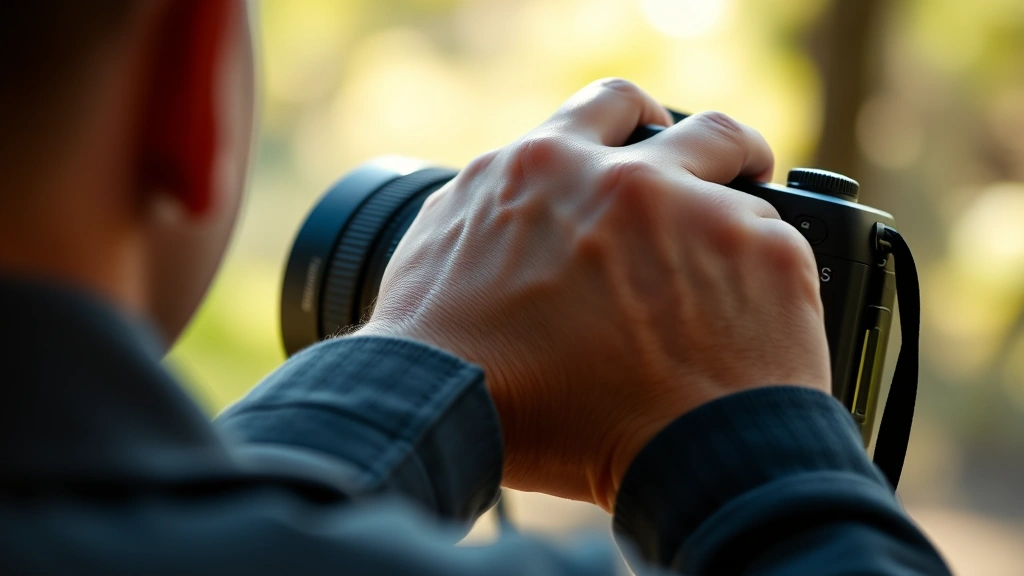
How to Master Back Button Focus in Photography
There’s a moment every photographer experiences—that split second when your subject moves, your camera refocuses on the background, and the shot you’ve been waiting for becomes a blurry disappointment. It’s frustrating, it’s common, and it’s entirely avoidable once you understand back button focus.
Back button focus is one of those techniques that sounds technical and intimidating, but it’s actually a game-changer that separates casual snapshots from intentional, professional photography. Instead of relying on your camera’s default autofocus behavior tied to the shutter button, you’re taking control by assigning focus to a separate button on the back of your camera. This simple shift in workflow gives you unprecedented control over what your camera chooses to focus on—and when.
The beauty of mastering this technique lies in its elegance. Once you understand the mechanics and practice the muscle memory, you’ll wonder why you ever relied on the traditional method. Let’s dive into how to implement this powerful technique and transform your photography.
What Is Back Button Focus?
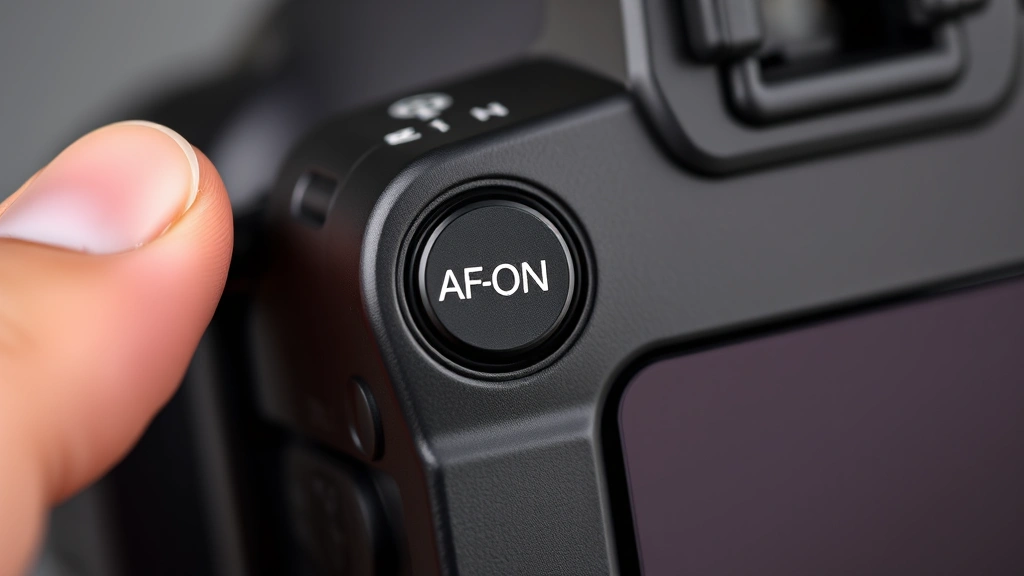
Back button focus is a camera configuration that decouples autofocus from the shutter button. Traditionally, pressing the shutter button halfway down triggers autofocus while simultaneously preparing the camera to take a photo. With back button focus enabled, you’re reassigning the autofocus function to a dedicated button located on the back of your camera—typically the AF-ON button or the AE/AF-Lock button, depending on your camera model.
Think of it this way: your right hand controls exposure and image capture through the shutter button, while your left hand (or thumb) controls focus through the back button. This separation of duties is deceptively powerful. You’re no longer locked into focusing whenever you’re ready to shoot. Instead, you can focus whenever you choose, hold that focus, and compose your shot without the camera second-guessing your intentions.
This approach aligns with principles found in building better habits through intentional design—you’re structuring your camera workflow to support consistent, deliberate decisions. When your tools work with your intentions rather than against them, mastery becomes achievable.
The concept emerged from professional photographers who needed reliable focus tracking in unpredictable situations. Sports photographers, wedding photographers, and wildlife specialists quickly adopted back button focus because it solved real problems they faced daily. Now, it’s considered a best practice across virtually every photography genre.
Why It Matters for Your Photography
Understanding why back button focus matters requires examining the limitations of traditional autofocus behavior. When focus is tied to the shutter button, your camera makes assumptions about your intentions every time you partially depress that button. If your subject moves between the time you focus and the time you take the shot, the camera may hunt for a new focus point, leaving you with an out-of-focus image.
Back button focus eliminates this guesswork. Once you’ve focused on your subject using the back button, that focus remains locked until you explicitly choose to refocus. This is particularly valuable in situations with challenging lighting, busy backgrounds, or moving subjects. You maintain absolute control over the focus point, which directly impacts image sharpness and storytelling clarity.
Research from the American Psychological Association demonstrates that when we have clear control over our tools and environment, we perform better and with greater confidence. Photography is no exception. When you’re not fighting your camera’s autofocus system, you can concentrate on composition, lighting, and the decisive moment.
There’s also a philosophical dimension here. Mastering adjustable focus principles teaches you intentionality in your creative work. You’re not letting automated systems dictate your results—you’re making conscious choices about where your camera’s attention should be directed. This mindset extends beyond photography into every area of creative and professional endeavor.
Setting Up Back Button Focus on Your Camera
The specific steps for enabling back button focus vary by camera manufacturer and model, but the general principle remains consistent across Canon, Nikon, Sony, and other major brands. Here’s a breakdown for the most common camera systems:
Canon Cameras
On Canon DSLRs and mirrorless cameras, navigate to the Custom Functions menu and locate the autofocus settings. Look for an option labeled “AF Start” or “Shutter/AF-ON.” Change the setting so that autofocus is triggered by the AF-ON button on the back of your camera rather than the shutter button. You may also want to disable autofocus on the shutter button entirely to prevent confusion.
Nikon Cameras
Nikon shooters should access the Custom Settings Menu and find the “AF Activation” option. Change this setting from “Shutter Release” to “AF-ON Only” or similar wording depending on your camera generation. This reassigns focus control to the AF-ON button located on the back of your camera body.
Sony Cameras
Sony’s implementation typically involves the Custom Settings Menu or the AF/MF Priority Selection. Look for an option that allows you to assign autofocus to the AF-ON button or reconfigure your camera’s focus behavior. Sony’s menu structure can be more intuitive than other manufacturers, but the end result is the same.
The beauty of this setup is that it’s a one-time configuration. Once you’ve enabled back button focus, it remains active until you deliberately change it back. There’s no need to adjust settings for each shoot—it becomes your camera’s default behavior.
Muscle Memory Development
After you’ve configured your camera, spend your first few shoots consciously thinking about your thumb position and the back button. Your brain will quickly develop the muscle memory needed to operate this technique without conscious thought. Within a handful of shooting sessions, reaching for the back button will feel as natural as pressing the shutter button.
Practical Applications and Scenarios
Back button focus excels in specific scenarios where traditional autofocus falls short. Understanding these applications helps you recognize when to leverage this technique for maximum impact.
Portrait Photography
When photographing portraits, you want to ensure focus lands precisely on your subject’s eyes. With back button focus, you can focus on the near eye, lock that focus, and then recompose your shot without worrying that the camera will refocus on the background or the subject’s nose. This level of control is invaluable for creating sharp, professional-looking portraits.
Wildlife and Sports Photography
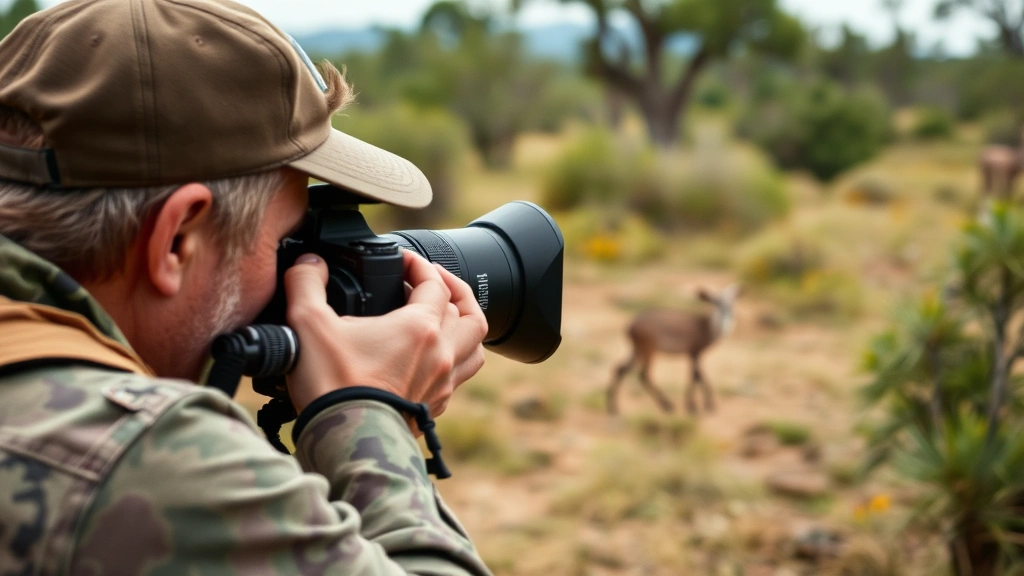
In fast-paced environments, subjects move unpredictably. Back button focus allows you to track your subject’s movement while maintaining consistent focus. You’re not fighting the camera’s autofocus algorithm—you’re directing it precisely where you need it. Many professional sports photographers won’t shoot any other way.
Video Recording
When recording video, back button focus is essential for maintaining consistent focus during pans and tracking shots. You can focus on your subject, lock that focus, and move your camera without triggering autofocus hunting. This creates smooth, professional-looking footage without the distracting focus shifts that plague handheld video.
Macro and Close-Up Photography
In macro work, depth of field is razor-thin, and focus accuracy is critical. Back button focus gives you the precision needed to nail focus on specific details within your composition. You’re not relying on the camera to guess which millimeter-thin plane of focus you intended—you’re telling it exactly.
Street and Documentary Photography
When working in unpredictable environments, back button focus allows you to prefocus on a location and wait for your subject to enter that space. This technique is particularly effective for street photographers who want to capture decisive moments without the camera hunting for focus at the crucial instant.
Benefits and Potential Drawbacks
Like any technique, back button focus comes with distinct advantages and some considerations worth understanding.
Primary Benefits
- Focus Lock: Once you’ve focused, the focus remains locked until you refocus. No more focus hunting when your subject moves slightly between focus and capture.
- Improved Accuracy: You have absolute control over the focus point. No camera algorithms making decisions for you.
- Faster Shooting: In many scenarios, back button focus actually speeds up your workflow because you’re not constantly refocusing.
- Better Video Performance: Video work becomes dramatically more controllable and professional-looking.
- Reduced Battery Drain: Because autofocus isn’t constantly active on the shutter button, some photographers report slightly improved battery life.
Considerations
- Learning Curve: It requires a conscious shift in how you interact with your camera. The first few shoots feel awkward.
- Not Ideal for All Situations: Rapid autofocus tracking situations might still benefit from continuous autofocus on the shutter button for some photographers.
- Muscle Memory Conflict: If you shoot multiple camera systems, switching between back button focus and traditional autofocus can create temporary confusion.
The drawbacks are genuinely minor compared to the benefits, particularly once you develop the necessary muscle memory. Think of it similarly to how attitude, ability, and motivation work together—your attitude must embrace the learning process, your ability develops through practice, and your motivation stays strong when you see the improved results.
Mastering the Technique
Moving from basic competence to genuine mastery of back button focus involves deliberate practice and strategic application. Here’s how to accelerate your proficiency.
Start with Single Focus Point
Begin by manually selecting a single focus point rather than relying on automatic focus point selection. This forces you to be intentional about where you’re focusing. Once you’re comfortable with this, you can experiment with zone autofocus or other focus modes.
Practice in Controlled Environments
Shoot with back button focus in low-pressure situations first. Photograph static subjects, practice at home, or shoot during casual outings. Build confidence before deploying this technique during important shoots like weddings or client sessions.
Understand Your Camera’s Focus Modes
Most cameras offer multiple autofocus modes: single-shot autofocus (AF-S), continuous autofocus (AF-C), and sometimes automatic autofocus mode selection. Understanding how each mode interacts with back button focus allows you to choose the right tool for each situation. When you combine back button focus with the appropriate autofocus mode, you unlock remarkable control.
Study Professional Examples
Examine how professional photographers in your chosen genre use focus. Notice where they’ve placed focus points in their images. This teaches you to see focus as a compositional element, not just a technical necessity. Photography education resources often showcase professional work with detailed technical breakdowns.
Experiment with Focus Recomposition
One advanced technique is to focus on your subject, then recompose your frame without refocusing. This maintains focus on your subject while allowing you to adjust composition. This technique requires confidence but produces stunning results when executed properly.
Integrate with Your Creative Vision
Think about how focus serves your storytelling. Are you isolating your subject through selective focus? Are you maintaining environmental context through deeper depth of field? Back button focus empowers you to make these decisions deliberately rather than hoping your camera makes the right choice.
This integration of technique and creative intention mirrors principles discussed in managing focus amidst pressure—when your technical skills are solid, you can concentrate on the creative and emotional aspects of your work without technical anxiety.
Advanced Application: Back Button Focus with Zone AF
Once you’re comfortable with single-point autofocus, experiment with zone autofocus modes combined with back button focus. This gives you a larger focus area while maintaining manual control over focus activation. For dynamic subjects like wildlife or sports, this combination offers the best of both worlds—flexibility and control.
Consider also exploring how modern autofocus technology continues to evolve, as understanding the broader context of focus systems helps you make informed decisions about your camera settings.
Frequently Asked Questions
Will back button focus work with all my lenses?
Yes, back button focus is a camera body setting that works with any lens that supports autofocus. The configuration happens in your camera’s menu, not in the lens itself. Whether you’re using a kit lens, a prime, or a specialty lens, back button focus functions identically.
Can I switch back to traditional autofocus if I don’t like back button focus?
Absolutely. Back button focus is a configurable setting you can disable at any time by returning to your camera’s custom settings menu and reassigning autofocus to the shutter button. However, most photographers who give it a genuine try find the benefits outweigh the adjustment period.
Is back button focus recommended for beginners?
While not mandatory for beginners, learning back button focus early can actually accelerate skill development. It forces you to be intentional about focus rather than letting autofocus happen automatically. That intentionality builds better photographic habits from the start. That said, master the basics of exposure and composition first.
Does back button focus slow down my shooting speed?
Not in practice. Once muscle memory develops, back button focus is equally fast or faster than traditional autofocus. You’re not wasting time refocusing on the wrong subject, which actually accelerates your overall workflow in many scenarios.
What if my camera doesn’t have an AF-ON button?
Most modern cameras have dedicated focus buttons, but some entry-level models might not. Check your camera’s manual to see if you can reassign autofocus to another programmable button. If your camera truly lacks this capability, consider it a feature to look for in your next camera upgrade.
Should I use back button focus for video?
Yes, enthusiastically. Back button focus is particularly valuable for video work because it prevents autofocus hunting during recording. You can prefocus before rolling, lock focus, and maintain smooth footage without the camera constantly refocusing.
Can I use back button focus with face detection or subject tracking?
Yes, many modern cameras allow you to combine back button focus with advanced autofocus modes like face detection or animal eye detection. You activate these detection modes with the back button, and the camera’s intelligent focusing system takes over from there. This combination provides both control and convenience.


