How to Transform a Bad Habit Room: Expert Guide
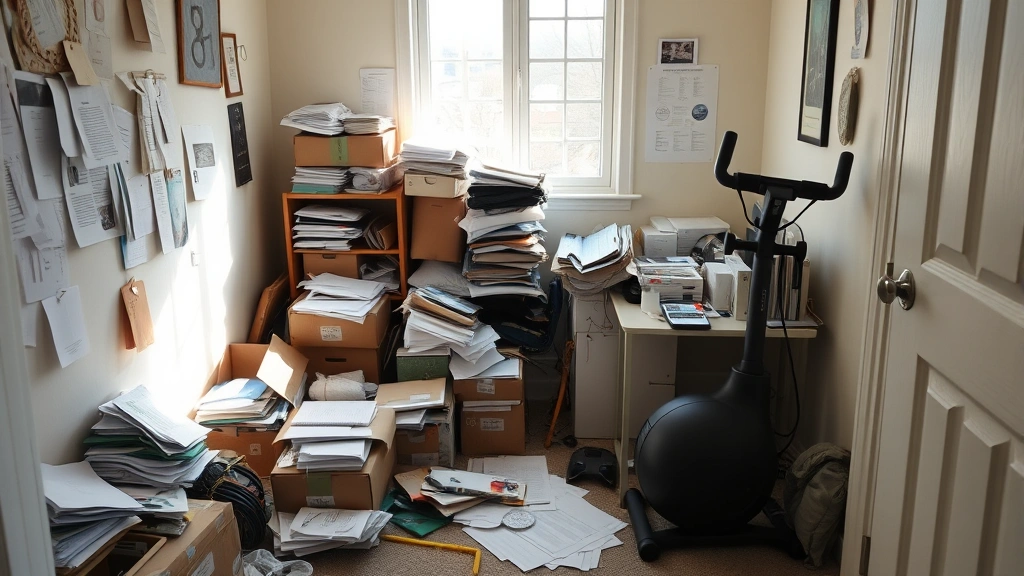
We’ve all been there—that corner of your home that’s become a dumping ground for procrastination, distraction, and everything you’ve been meaning to deal with. Whether it’s the spare bedroom cluttered with unfinished projects, the home office buried under papers, or the workout corner gathering dust, a bad habit room is more than just an eyesore. It’s a physical manifestation of your internal struggle with focus and self-discipline.
The fascinating part? This space isn’t just reflecting your bad habits—it’s actively reinforcing them. Environmental psychology research shows that our surroundings profoundly influence our behavior, motivation, and mental state. A chaotic room doesn’t just make you feel unmotivated; it actually trains your brain to accept disorder as normal, making it harder to build better habits elsewhere in your life.
But here’s the good news: transforming a bad habit room is entirely within your control, and the process doesn’t require a complete overhaul or expensive renovations. It requires strategy, intention, and a clear understanding of what made the space problematic in the first place.
Understanding Your Bad Habit Room
Before you start moving furniture or throwing things away, you need to understand why this room became a bad habit room in the first place. Most spaces don’t accidentally become cluttered—they evolve into that state because they lack clear purpose or accountability.
Think about what your room was supposed to be versus what it’s become. Was it a home gym that turned into a storage unit? A creative studio that morphed into a procrastination sanctuary? The gap between intention and reality reveals something crucial: the room’s original purpose either wasn’t aligned with your actual lifestyle, or the space lacked the environmental structures to support the behavior you wanted.
This is where understanding atomic habits and their principles becomes invaluable. Small environmental cues accumulate into massive behavioral patterns. Your bad habit room is essentially a collection of environmental cues that trigger procrastination, avoidance, or distraction rather than productivity.
The room likely has several contributing factors: unclear purpose, too many competing functions, insufficient organization systems, or visual overstimulation. Some rooms become bad habit spaces because they’re used as a “everything else” zone—the place where intention goes to die.
Assessing the Current State
Now comes the honest part. You need to walk into your bad habit room and assess it objectively, as if you’re seeing it for the first time. This isn’t about judgment; it’s about data collection.
Start by answering these questions:
- What’s actually in this room? (List specific items, not vague categories)
- How much of it serves a current purpose in your life?
- What percentage of the space is actively unusable due to clutter?
- What emotions do you feel when you enter this room?
- How much time do you spend avoiding this room?
- What’s the primary function this room should serve?
Next, take photos. Seriously. Multiple angles, good lighting, the whole room. These photos serve two purposes: they create accountability, and they’ll become your before-and-after documentation that reminds you why you started this transformation.
As you survey the space, categorize everything mentally into three buckets: things that support your desired habits, things that actively undermine them, and things that are neutral. That pile of self-help books gathering dust? Probably undermining. The yoga mat under three years of mail? Definitely working against you. The desk that could be a workspace? Neutral until it’s cleared.
The Strategic Decluttering Process
Here’s where most people fail at room transformation: they try to do everything at once. You’ll hear advice about “one weekend warrior sessions” or “Marie Kondo marathons,” but that approach often leads to decision fatigue and incomplete follow-through.
Instead, use what researchers call the focused attention method—breaking the project into smaller, manageable sessions with clear stopping points. Plan for three to five sessions of 45-90 minutes each, spread across one to two weeks. This approach keeps your decision-making capacity fresh and prevents burnout.
Session One: Extraction and Sorting
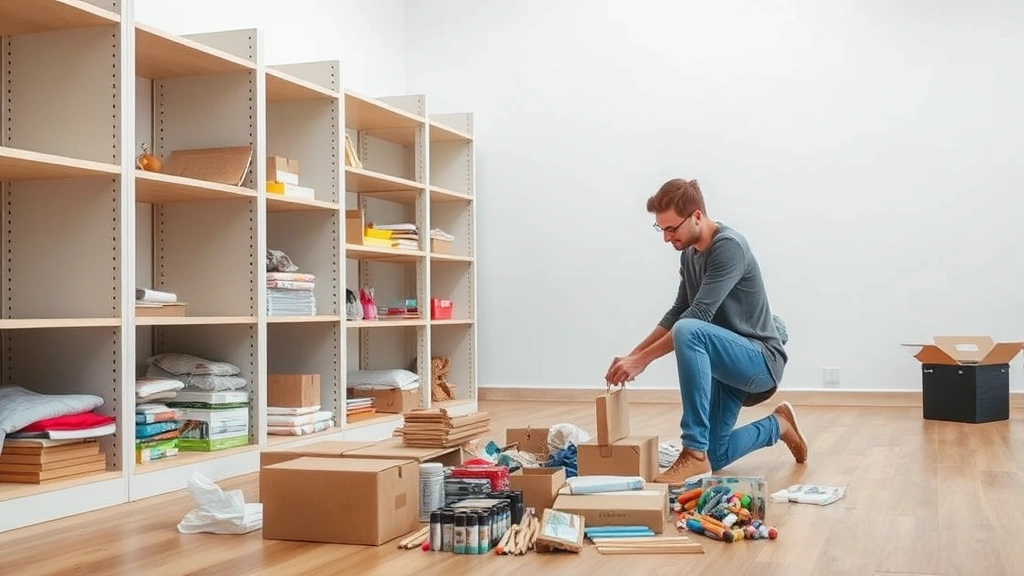
Remove everything from one designated area—perhaps a quarter of the room. Yes, everything. This might feel excessive, but it’s the only way to truly assess what you have and make intentional decisions. As you remove items, sort them into four piles: keep, donate, sell, and trash.
Be ruthlessly honest during this phase. That exercise equipment that hasn’t been used in two years? The books you swear you’ll read? The decorative items that don’t align with your aesthetic anymore? This is the moment to let them go. Research in behavioral economics shows that decision-making improves when you remove emotional attachment and focus on current utility.
Session Two: Deeper Cleaning and Category Organization
Now that you’ve extracted items from the first area, clean that space thoroughly. Dust, wipe, vacuum—the works. This is important because it helps your brain recognize that you’ve genuinely transformed the space, not just rearranged clutter.
Start sorting the “keep” items by category. All documents together, all hobby supplies together, all work-related items together. This categorization is crucial because it reveals exactly how much space each activity should occupy in your room.
Session Three: The Purpose Alignment
With items categorized, you can now make decisions about what actually belongs in this room. This is where intention becomes physical. If your room is supposed to be a home office, do you really need that collection of travel souvenirs taking up shelf space? If it’s a creative studio, does it need a treadmill in the corner?
Each item that stays should have a clear answer to: “Why does this belong in this room?” If you can’t answer that question confidently, it doesn’t belong.
Designing for Intention, Not Habit
This is where your bad habit room transforms into something entirely different. You’re not just organizing—you’re architecting an environment that supports the habits you want to build.
Create Clear Zones
If your room serves multiple purposes, use physical or visual boundaries to create distinct zones. A desk in one corner for work, a comfortable reading chair in another, a small table for projects. These zones help your brain understand context shifts and reduce the tendency for spaces to blend into chaos.
You might even consider visiting a bad habit brewery or similar community space to observe how intentional design influences behavior—then apply those principles to your home.
Implement the “One Home” Rule
Every item in the room should have exactly one designated location. Not “somewhere near my desk.” Not “in that general area.” A specific spot. This sounds obsessive, but it’s actually liberating. When everything has a home, putting things away becomes automatic rather than a decision-making exercise.
Visual Clarity Over Aesthetics
While a beautifully designed room is nice, what matters more is visual clarity. Too many colors, patterns, and decorative elements create cognitive overload. Your brain has to process all that visual information, leaving fewer resources for focus and productivity.
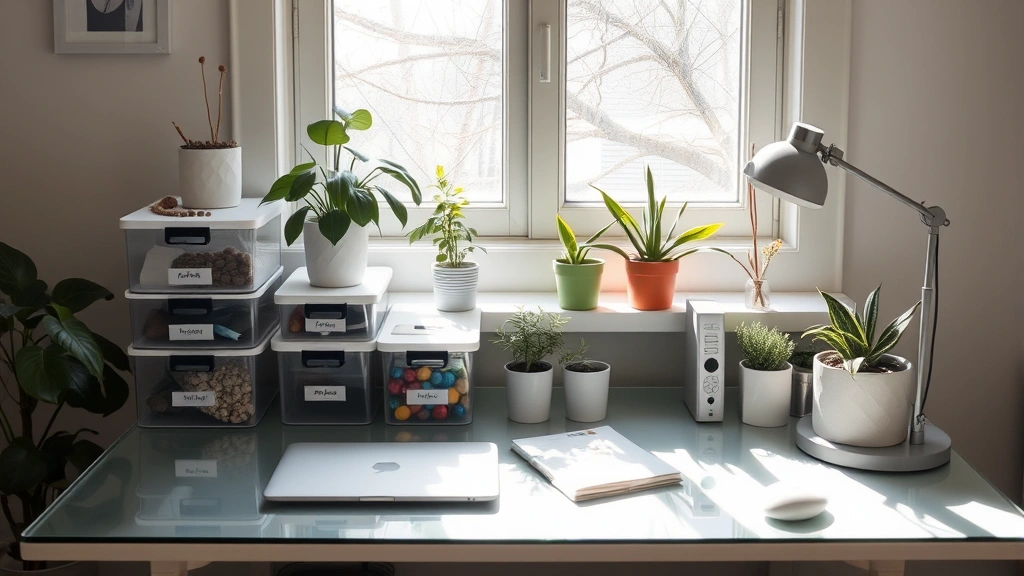
Stick to a simple color palette—ideally three main colors. Use storage solutions that minimize visual clutter. Clear containers are better than opaque ones because you can see what’s inside without opening them. Wall organization systems should be visible but organized, not hidden away.
Remove Temptation Triggers
A bad habit room often contains the very things that trigger your bad habits. If you struggle with phone distraction, don’t keep your charger in this room. If you procrastinate by watching videos, don’t have a comfortable entertainment setup. This isn’t about willpower; it’s about removing friction from good decisions and adding friction to bad ones.
Building Systems and Accountability
The transformation isn’t complete until you’ve built systems that maintain the new environment. Without these systems, the room will gradually revert to its bad habit state within weeks.
The Daily Reset Ritual
Spend five minutes each evening returning items to their designated homes. This isn’t deep cleaning; it’s maintenance. It prevents the slow accumulation that turns a clean room back into a bad habit room. Research from Harvard Business Review shows that daily maintenance rituals are more effective than periodic overhauls for sustaining environmental changes.
Weekly Assessment
Every Sunday, spend 15 minutes assessing the room. Is anything starting to accumulate? Are there items that have drifted from their designated spots? Are you using the space as intended, or are old patterns creeping back in? This weekly check-in catches problems before they become habits again.
Quarterly Deep Dives
Every three months, do a more thorough assessment. Are there items you thought you’d use but haven’t? Is the room’s layout still serving your needs, or has your life changed? Is the purpose of the room still aligned with your current goals?
You might explore resources like the bad habit boutique in Le Mars, Iowa for inspiration on how thoughtfully designed spaces maintain their integrity, or even find community inspiration from the bad habit band philosophy of intentional structure.
Accountability Partner or Documentation
Share your transformation with someone. Take monthly photos of your room and share them with an accountability partner. Post progress to a private social media account. The act of documenting creates psychological commitment to maintaining the space.
Maintaining Your Transformed Space
The real challenge isn’t the initial transformation—it’s preventing regression. Most people successfully clear and organize a room, then gradually watch it devolve back into chaos within three to six months.
Understand the Regression Pattern
Rooms don’t suddenly become bad habit spaces again. They regress gradually through small choices. You set something down “temporarily.” You don’t put something away because you’ll use it tomorrow. You add a new item without removing an old one. Before you know it, the room has returned to its previous state.
Preventing this means being aware of these small choices and making intentional decisions about them. When you pick something up, you immediately decide: does this belong in this room, and if so, where is its home?
Adapt and Evolve
Your needs change. Your goals evolve. Your room should change with you. This doesn’t mean letting it become a bad habit room again; it means intentionally redesigning it as your life changes. If you no longer do the hobby that originally drove the room’s purpose, it’s time to reimagine the space.
Leverage Environmental Psychology
Research from Psychology Today confirms that environmental design profoundly influences behavior. Use this knowledge deliberately. Place items you want to use frequently at eye level and in your direct path. Store items you want to use less frequently in less accessible spots. Use lighting to create focus areas.
The goal is to make the room’s design do the behavioral work for you. You shouldn’t have to rely on willpower to maintain a transformed space if the space itself is designed to support your desired habits.
Frequently Asked Questions
How long does it actually take to transform a bad habit room?
The initial transformation typically takes one to two weeks of consistent work. However, the real transformation—where the changes stick and become automatic—takes about 66 days according to habit formation research. Plan for the first month to require conscious effort and attention. By month two, maintaining the space becomes much more automatic.
What if I share the room with someone else?
This significantly complicates the transformation because you’re not just changing your own habits—you’re trying to influence someone else’s behavior. Have an honest conversation about the room’s current state and your vision for it. Establish clear agreements about zones, organization systems, and daily maintenance. Make sure both parties feel ownership over the space, not resentment. If agreement can’t be reached, consider compromising on a smaller, more manageable zone that you can maintain independently.
Should I get professional help organizing?
Professional organizers can be valuable if you’re completely overwhelmed or if you have significant amounts of items to process. However, they can also create a dependency where the room reverts once they leave. The best approach is often a hybrid: get professional help for the initial assessment and extraction, then do the maintenance work yourself to build the habits that keep the space functional.
What if I have sentimental attachment to items in the room?
Sentimental items are the hardest to part with, and rightfully so. The key is distinguishing between items that genuinely hold meaning and items you’re keeping out of guilt. If something is truly sentimental, give it a proper home—a display spot where you can actually appreciate it, not buried in a pile. If you’re keeping something out of guilt (gifts you don’t like, things you “should” want), give yourself permission to let it go. The guilt is temporary; the reclaimed space is permanent.
Can I maintain a transformed room with minimal effort?
Yes, but it requires upfront investment in the right systems. Once you’ve established clear homes for everything, created effective storage solutions, and removed items that don’t belong, maintenance becomes genuinely minimal—typically five to ten minutes daily. The key is not adding new items without removing old ones and doing daily resets to prevent accumulation.
What’s the biggest mistake people make when transforming their rooms?
The biggest mistake is organizing without decluttering. People buy beautiful storage containers and organizational systems while keeping all their stuff, just now neatly stored. This doesn’t address the root problem—too many items and unclear purpose. Declutter first, ruthlessly. Then organize what remains. This is the only approach that creates lasting change.


