
Are Bad Habits in Tarkov Ruining Your Game? A Tactical Breakdown
Escape from Tarkov isn’t just a shooter—it’s a psychological battlefield where your worst habits become your greatest enemies. You can have perfect aim and map knowledge, but if you’re caught in repetitive patterns that undermine your decision-making, you’ll find yourself staring at a black screen more often than not.
The difference between thriving and merely surviving in Tarkov often comes down to recognizing and dismantling the behavioral loops that sabotage your raids. Whether you’re rushing headfirst into combat zones, neglecting inventory management, or making the same tactical mistakes repeatedly, these patterns compound into losses that feel inevitable—but they’re not.
This isn’t about becoming a no-life streamer. It’s about understanding how small behavioral shifts can fundamentally transform your gameplay, your survival rate, and ultimately, your enjoyment of the game.
The Psychology Behind Gaming Habits
Your brain doesn’t distinguish between a raid in Tarkov and real-world stress responses. When you get killed by the same player scav for the third time, your amygdala fires up the same way it would if you’d actually failed at something important. This creates a neurological loop—frustration triggers impulsive action, which leads to more deaths, which deepens the frustration.
Habits form through repetition and reward association. In Tarkov, you might develop a habit of rushing to the most dangerous loot spawns because occasionally you find valuable items. That variable reward schedule is exactly what behavioral psychologists identify as the most addictive pattern. Your brain starts craving that dopamine hit, and before you know it, you’re repeating the same suicide runs instead of playing strategically.
The key insight: habits aren’t moral failures, they’re neural pathways. Understanding this removes the shame and opens the door to actual change. You’re not a bad player; you’re someone with a brain that’s been trained to respond a certain way.
Research from Psychology Today shows that awareness of behavioral patterns is the first step toward modification. In gaming contexts, this means deliberately observing your own decision-making without judgment, then implementing structured changes.

Common Bad Habits Destroying Your Raids
Let’s identify the specific behavioral patterns that consistently tank your survival rates in Tarkov:
The Rush-and-Peek Syndrome
You spawn in, and within 90 seconds you’re already engaged in combat. This habit stems from impatience and the false belief that speed equals advantage. In reality, Tarkov rewards patience and information gathering. Rushing means you’re fighting without knowing enemy positions, ammo types, or teammate locations. The better habit? Spend the first two minutes listening, identifying threats, and planning your approach.
Inventory Chaos
You hoard items mindlessly, never organizing your stash or raid backpack logically. This creates decision paralysis mid-raid. You can’t find the right ammo, you’re overweight, and you miss opportunities because you’re fumbling through menus. This habit wastes cognitive resources that should be directed toward survival.
Repeating Failed Routes
You died trying to extract through the same path last raid, so you… try it again. This isn’t persistence; it’s insanity. Tarkov demands adaptation. The moment a route becomes predictable or dangerous, you need new strategies. This connects directly to understanding how atomic habits review principles apply to gaming—small iterative changes compound into dramatically different outcomes.
Emotional Decision-Making
You’re angry about your last death, so you take unnecessary risks in the current raid. You see an expensive gun on a corpse and abandon your survival strategy to loot it. These emotionally-driven decisions are habit loops disguised as in-the-moment choices. They happen because your brain has learned that impulsive action sometimes feels rewarding.
Neglecting Loadout Testing
You run into raids with untested gear combinations, unfamiliar weapon layouts, or ammunition you’ve never fired. This habit guarantees you’ll make mistakes under pressure because your muscle memory isn’t established. Effective players treat loadout preparation as a ritual, not an afterthought.
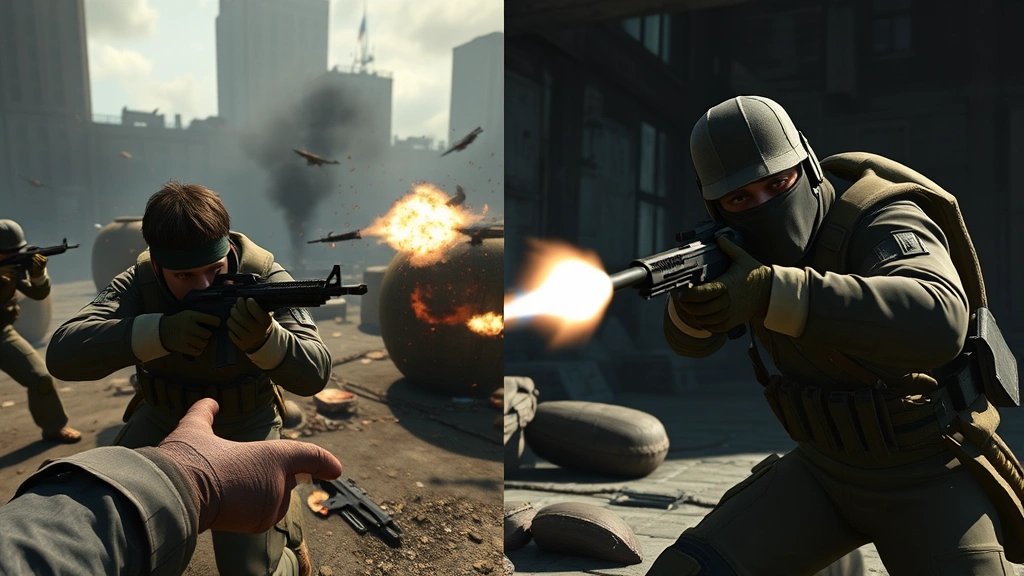
Why Tarkov Amplifies Your Worst Tendencies
Tarkov is specifically designed to trigger habit formation. The permadeath mechanic means every mistake carries genuine weight. Unlike most games where you respawn instantly, Tarkov makes you sit with failure. This creates emotional intensity that accelerates habit development—both good and bad.
The game also features variable reward schedules that would make a Las Vegas casino jealous. Sometimes your risky play works and you extract with 500k rubles. Sometimes it gets you killed. This unpredictability is precisely what behavioral psychology identifies as the most addictive pattern. Your brain keeps pulling the lever hoping for that big payout.
Additionally, Tarkov’s learning curve is steep enough that you can hide poor habits behind "still learning the game." But there’s a difference between legitimate learning and repetitive failure patterns. The former involves deliberate practice and reflection; the latter is just spinning your wheels.
Many players struggle with this because they lack a framework for distinguishing between the two. This is where principles of discipline become crucial. Not harsh self-judgment, but the consistent application of intentional systems that override autopilot behavior.
Breaking the Cycle: Practical Strategies
Recognizing bad habits is worthless without actionable strategies to replace them. Here’s what actually works:
The Pre-Raid Ritual
Before you spawn in, spend 60 seconds reviewing your specific objective for that raid. Not "make money"—that’s too vague. Instead: "Extract via Road to Customs, avoid combat, gather intel on sniper positions." This creates intention and overrides autopilot rushing.
Implement Checkpoint Decisions
Every 5-10 minutes of raid time, pause mentally and ask: "Is my current behavior aligned with my survival strategy?" This doesn’t mean stopping to think for 30 seconds; it means quick gut-checks. Are you where you planned to be? Is your route still valid? This habit of periodic self-assessment prevents the drift that turns good intentions into disaster.
Create Environmental Constraints
Set up your gaming space to support better decisions. If you struggle with rushing, move your spawn location away from high-action areas until you’ve built patience. If inventory management is your problem, organize your stash before raiding so you’re not scrambling mid-fight. These environmental changes reduce the willpower required to break habits—you’re literally making bad choices harder to execute.
The Debrief System
After each raid, spend 2-3 minutes analyzing what happened. Not emotionally venting—actual analysis. What did you do well? Where did your habits kick in and sabotage you? What’s one specific thing you’ll do differently next raid? This deliberate reflection is what separates players who improve from those who just accumulate hours.
Think of this process like maintaining a bad habit room where you consciously examine your behavioral patterns instead of letting them run unconsciously.
Progressive Challenge Increases
Don’t try to fix everything simultaneously. Pick one habit—say, the rush-and-peek syndrome. Spend 5-10 raids specifically focused on patience and information gathering before tackling the next bad habit. This prevents overwhelm and builds momentum as you succeed at one thing, which makes the next change feel achievable.
Building Sustainable Gameplay Patterns
Once you’ve identified and begun dismantling specific bad habits, you need to build better ones in their place. Nature abhors a vacuum, and so does your brain. If you eliminate the rush-and-peek habit without replacing it with something, you’ll eventually drift back to old patterns.
Anchor New Habits to Existing Routines
If you already have a pre-raid ritual, add your specific objective statement to it. If you already check your inventory before raiding, extend that to include loadout verification. By attaching new habits to existing routines, you reduce the friction required to maintain them. Your brain already expects these moments of intentional action.
The Compound Effect
Small improvements in decision-making compound dramatically over time. A 5% increase in survival rate might seem negligible in one raid, but across 100 raids, it represents the difference between a 30% and 35% survival rate. This connects to the broader principle discussed in our atomic habits review—marginal gains accumulate into transformation.
Build Flexibility Into Your System
The best habits aren’t rigid scripts; they’re flexible frameworks. Your pre-raid objective should adjust based on server conditions, your current loadout, and map-specific variables. This prevents your improved habits from becoming new forms of autopilot behavior. The goal is intentional decision-making, not robotic execution.
Research from Harvard Business Review on habit formation in high-performance contexts shows that flexibility combined with core principles creates sustainable change. You’re not memorizing plays; you’re internalizing principles that guide adaptive decisions.
Monitoring Progress Without Obsession
This is where many players stumble. They become so focused on tracking metrics—survival rate, average loot per raid, time-to-extraction—that they create new stress that actually undermines gameplay. You start playing scared because you’re protecting your statistics instead of making optimal decisions.
The solution is tracking without obsession. Monitor one or two meaningful metrics: survival rate across 20-raid blocks, and average loadout value. These tell you whether your behavioral changes are translating into actual improvement. But check them weekly, not after every raid. This prevents the anxiety spiral that turns self-improvement into self-punishment.
Consider exploring frameworks for sustainable improvement without the psychological burden. Some players benefit from understanding anti-motivational quotes and reframing how they approach performance entirely—recognizing that constant self-judgment actually undermines the focus needed for improvement.
The real measure of progress isn’t the number on your screen; it’s whether you’re making more deliberate, intentional decisions and fewer autopilot mistakes. That’s internal progress that eventually manifests as external results.
Dealing with Regression
You’ll have raids where old habits resurface. You’ll rush again. You’ll make inventory mistakes. This isn’t failure; it’s part of the process. Habits have deep neural roots, and they don’t disappear permanently—they become less automatic with consistent practice of the replacement behavior.
When regression happens, the key is not to shame-spiral. Acknowledge it, note what triggered the regression, and return to your systems. This compassionate accountability is what actually sustains behavioral change long-term. Harsh self-judgment just creates another stress loop that makes you more likely to revert to comfort behaviors.
Frequently Asked Questions
How long does it take to break a bad gaming habit?
Research suggests 30-66 days for habit formation, but this varies dramatically based on habit complexity and how deeply ingrained it is. A simple habit like checking your inventory before raiding might lock in within two weeks. A complex behavioral pattern like emotional decision-making might take 2-3 months of consistent practice. The key is consistency, not duration. One month of deliberate practice beats six months of occasional effort.
What if I keep reverting to old habits under pressure?
This is actually normal. Under stress, your brain defaults to established neural pathways. The solution isn’t willpower; it’s environmental design and practice. Make the new behavior easier and more automatic through repetition in lower-stakes situations. Practice your patience routine in offline raids first. This builds the neural pathway so it’s accessible even when you’re stressed in actual raids.
Can I fix multiple bad habits simultaneously?
Theoretically yes, but practically no—not if you want sustainable change. Trying to fix everything at once creates cognitive overload. You’ll maintain focus on one or two habits, then abandon them when they become hard. Pick your highest-impact habit first, lock it in for 3-4 weeks, then add the next one. This sequential approach actually accelerates overall improvement compared to attempting everything simultaneously.
How do I know if something is a habit or just a one-time mistake?
A habit is a pattern. If you made one inventory management error, that’s a mistake. If you’re consistently disorganized, that’s a habit. The distinction matters because one-time mistakes don’t need systematic change; habits do. Track your behavior across multiple raids. If the same error appears in 50% or more of your raids, you’re dealing with a habit that needs intentional replacement.
Does improving gameplay habits make Tarkov less fun?
The opposite, actually. Most players find that being more intentional and successful creates more enjoyment, not less. The frustration comes from repeated failure, not from deliberate play. Improved decision-making means more successful extracts, more loot, and fewer rage-quit moments. The challenge is in the transition period where you’re breaking old patterns but haven’t yet experienced the rewards of new ones. That’s uncomfortable, but temporary.
Should I watch streamers to improve my habits?
Watching high-level players can provide tactical insights, but it’s not the same as deliberate practice. Streamers often make things look effortless because they’ve internalized habits through thousands of hours. You need to actually practice the behaviors you see, not just consume content about them. Use streams as inspiration and reference points, but your improvement comes from your own raid time and reflection.


