Banks Diesel Performance: Expert Guide to Enhancements
If you’re serious about extracting maximum power from your diesel engine, you’ve probably heard whispers about Banks diesel performance solutions. But here’s the thing—most diesel enthusiasts approach performance upgrades like they’re shopping for groceries: grab a few items, hope they work together, and wonder why the results feel underwhelming. The reality is far more nuanced.
Banks Engineering has spent decades perfecting the art of diesel optimization, and their approach goes beyond slapping on a turbo and calling it a day. Whether you’re hauling heavy loads, tackling challenging terrain, or simply want your diesel to breathe easier, understanding how these performance enhancements work—and how to implement them strategically—can transform your driving experience entirely.
The diesel engine is inherently different from gasoline counterparts. It operates under different principles, faces unique thermal challenges, and responds dramatically to intelligent modifications. This guide walks you through everything you need to know about optimizing your diesel’s potential, from foundational concepts to advanced enhancement strategies.
Understanding Diesel Performance Fundamentals
Before diving into specific upgrades, let’s establish what actually makes diesel engines tick differently than their gasoline cousins. Diesel engines compress air to incredibly high pressures—typically 16:1 to 24:1 compression ratios—then inject fuel directly into that compressed air. This spontaneous combustion creates the characteristic diesel knock and generates serious torque from lower RPMs.
This fundamental difference means that performance gains in diesel engines often feel different. You’re not necessarily chasing top-end horsepower like gasoline enthusiasts do. Instead, you’re optimizing for torque delivery, efficiency under load, and consistent power across the RPM range. When you understand this distinction, the entire approach to diesel performance becomes clearer.
The beauty of diesel architecture is its inherent robustness. Diesel engines are built tougher because they handle higher combustion pressures. This engineering advantage means they can often handle more aggressive modifications than gasoline engines—but only when those modifications are intelligent and systematic. Random upgrades without a cohesive strategy? That’s how you end up with a truck that feels marginally better but costs significantly more.
Banks Diesel Performance System Overview
Banks Engineering approaches diesel optimization holistically. Rather than treating each component as independent, they design integrated systems where every element works synergistically. This philosophy separates them from shops that simply bolt on random aftermarket parts.
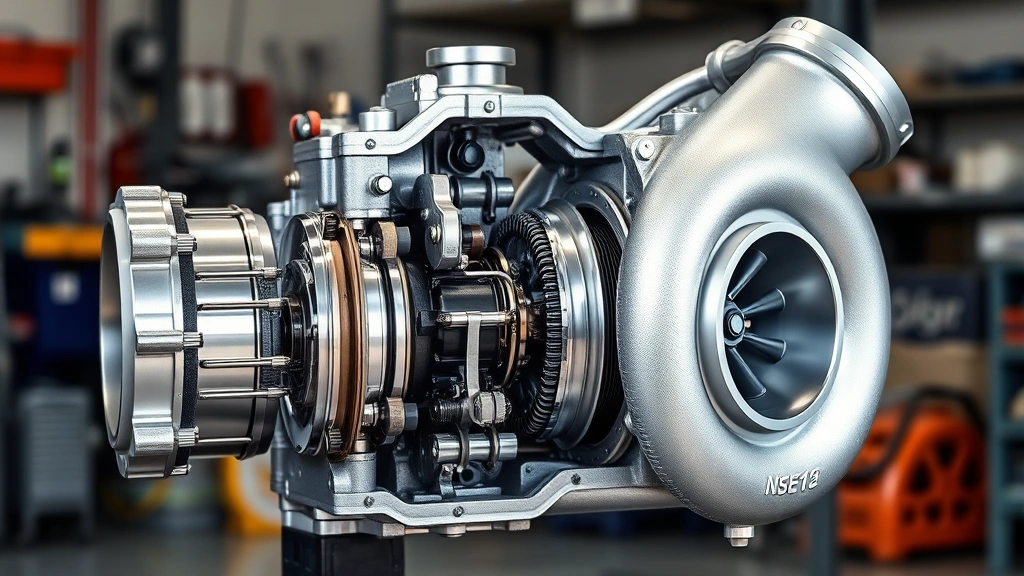
The Banks diesel performance ecosystem typically includes several core components working together: an optimized intake system that flows more air without sacrificing filtration, a precisely calibrated engine management system that adjusts fuel timing and boost pressure, an exhaust system engineered for scavenging efficiency, and integrated cooling solutions that manage the increased thermal load. When these components work together, they create exponential gains rather than additive ones.
Consider this: adding a turbocharger alone might net you 15-20% more power. But pair that turbo with ATK performance engines quality tuning, optimized intake ducting, and a matched exhaust system, and you might see 40-50% gains. The difference isn’t just mathematical—it’s the difference between a nice upgrade and a genuinely transformed vehicle.

Engine Tuning and ECU Optimization
Modern diesel engines are computers first, mechanical devices second. The Engine Control Unit (ECU) manages fuel injection timing, turbo boost pressure, exhaust gas recirculation, and dozens of other parameters. This is where the real magic happens with Banks diesel performance enhancements.
Factory ECU calibrations are deliberately conservative. Manufacturers tune for reliability across millions of vehicles, various driving conditions, fuel qualities, and climate zones. They leave substantial performance on the table intentionally. A properly executed tune recalibrates these parameters to extract that latent performance while maintaining reliability—when done right.
The best diesel tuning isn’t about maxing out every slider. It’s about intelligent trade-offs. Advancing fuel injection timing generates more power but increases combustion temperatures. Boost pressure can increase substantially but stresses the fuel system and engine internals. Exhaust gas recirculation affects emissions but impacts efficiency. A quality tune balances these competing demands, optimizing for your specific use case.
Banks’ approach to ECU tuning goes beyond simple boost adjustments. They model engine behavior across the entire operating envelope, accounting for factors like intake air temperature, fuel quality, load conditions, and driving patterns. The result is calibration that feels responsive and natural rather than erratic or aggressive.
Exhaust System Enhancements
Many diesel owners overlook exhaust optimization, but it’s absolutely critical for unleashing performance. A restrictive exhaust system is like trying to run a marathon with your lungs half-closed—you’re fighting physics constantly.
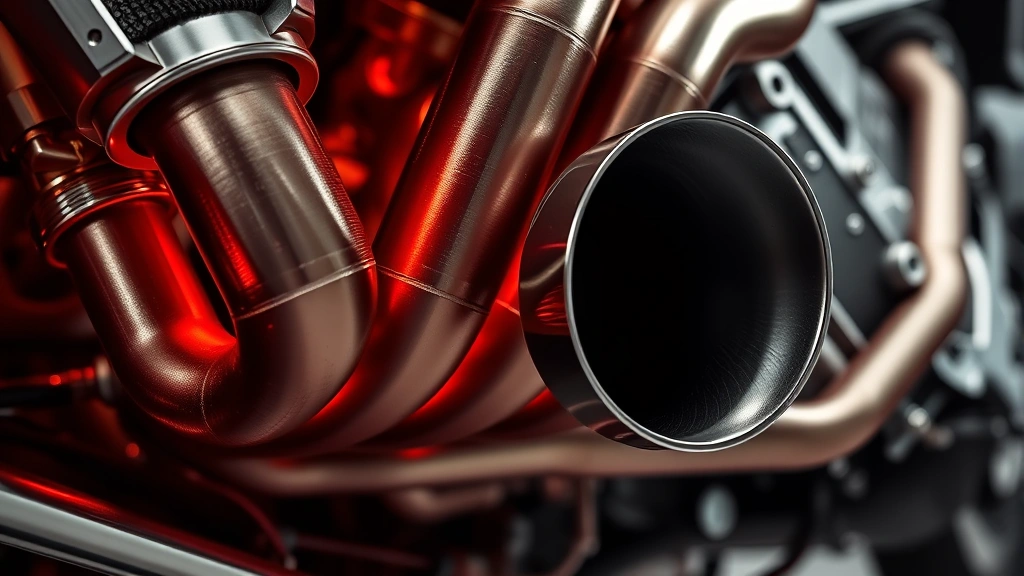
Factory exhaust systems prioritize quiet operation and emissions compliance over flow efficiency. They’re engineered to be inexpensive to manufacture and durable across warranty periods. Performance exhaust systems, by contrast, minimize backpressure while maintaining scavenging characteristics that help the engine breathe.
The distinction matters enormously. Backpressure at cruising speeds helps the turbo spool and improves low-end response. But excessive backpressure under full load suffocates the engine and wastes energy overcoming resistance. Banks diesel performance exhaust systems navigate this balance with precision-engineered mandrel bends, optimized diameter transitions, and strategic muffler design that flows air efficiently without creating turbulence.
When you combine exhaust enhancement with Audi performance parts engineering philosophy—attention to detail in every component—you get systems that deliver measurable horsepower gains while improving fuel economy. That’s not marketing speak; that’s physics. Lower exhaust backpressure means the turbo doesn’t have to work as hard, which means less boost needed to achieve the same power, which means better efficiency.
Intake and Air Flow Improvements
Air is the most abundant and most overlooked performance component. Your engine needs oxygen to burn fuel. Starve it of oxygen, and you’re artificially limiting potential. Optimize air delivery, and you unlock horsepower that was always there.
Factory intake systems balance several competing demands: cost, packaging constraints, noise levels, and air temperature management. Performance intakes prioritize flow efficiency and cooler air temperature. Cooler air is denser, meaning more oxygen molecules per cubic inch—and more oxygen means more fuel can be burned and more power generated.
Banks diesel performance intake systems typically feature smoother ducting with larger diameter piping, high-flow air filters with greater surface area, and strategic positioning to draw cooler air from lower engine compartment zones rather than hot air from around the engine. The temperature difference might seem minor—5-10 degrees—but that translates to 1-2% density improvement, which compounds with other modifications.
The intake system also affects turbo efficiency. A cleaner, more consistent air supply means the turbo compressor can operate more efficiently across the boost range. Turbos are inherently inefficient devices—they waste significant energy—but optimization in every upstream component reduces that waste incrementally.
Cooling Systems and Thermal Management
Increased power generation means increased heat generation. This is thermodynamic reality. More combustion energy releases more thermal energy. If that heat isn’t managed properly, you’re fighting a losing battle against detonation, reduced fuel efficiency, and eventual engine damage.
Factory cooling systems are sized for stock power levels with safety margins. Push significantly beyond stock performance, and you’re pushing thermal limits. Banks diesel performance solutions address this with upgraded radiators, enhanced cooling fans, and optimized coolant flow paths that maintain proper engine temperatures even under sustained high-load conditions.
The sophistication here is underappreciated. It’s not just about bigger radiators. It’s about airflow optimization through the radiator core, ensuring maximum heat transfer. It’s about fan engagement strategy—running fans harder than necessary wastes fuel and creates noise. It’s about coolant distribution ensuring all hot spots receive adequate cooling. These details compound into systems that maintain optimal engine temperatures without compromise.
Thermal management becomes even more critical when you consider that modern diesel engines are already more efficient at converting fuel to mechanical energy compared to gasoline engines. That efficiency means more waste heat per unit of fuel burned. Proper cooling system optimization ensures this heat is managed rather than compromising performance or longevity.
Fuel System Optimization
Your fuel system is the pipeline delivering combustion. Optimize this pipeline, and you enable all other modifications to reach their potential. Restrict it, and you’re bottlenecking performance regardless of what else you’ve upgraded.
Factory fuel systems are designed for stock fuel flow requirements with minimal margin. They prioritize cost and simplicity. Performance fuel systems address several aspects: fuel pump capacity, fuel line diameter and routing, fuel filter efficiency, and fuel pressure regulation stability.
A high-capacity fuel pump ensures consistent pressure under demanding conditions. Larger diameter fuel lines minimize pressure drop between tank and injectors. Premium fuel filters balance flow efficiency with particulate removal—important because diesel fuel quality varies significantly by region and season. Precision fuel pressure regulators maintain stable pressure across varying engine loads and temperatures.
Banks diesel performance fuel system enhancements work synergistically with ECU tuning. The engine management system can command more aggressive fuel injection when it knows fuel supply is stable and consistent. Without that confidence, the ECU conservatively restricts fuel delivery to protect the fuel system. Upgrade the fuel system first, then tune the ECU—that’s the proper sequence.
When paired with Autobahn performance calibration techniques, fuel system optimization creates a platform capable of sustained high performance without compromise. German engineering discipline meets American diesel reliability.
Real-World Performance Gains
Let’s talk numbers, but with proper context. A typical stock diesel might produce 250 horsepower and 500 lb-ft torque. A comprehensive Banks diesel performance system often delivers 350-400 horsepower and 700-800 lb-ft torque. That’s substantial—roughly 50% more power and 50% more torque.
But here’s what matters more than raw numbers: how that power is delivered. A poorly tuned performance system might deliver erratic power that feels jerky and aggressive. A well-engineered system like Banks’ feels responsive and natural, with smooth power delivery across the RPM range. Your truck accelerates quicker, climbs hills easier, and tows heavier loads—but it doesn’t feel angry or unstable.
Real-world benefits extend beyond acceleration. Fuel economy often improves because the engine operates more efficiently. Exhaust temperatures stabilize because combustion is more complete. The engine feels more responsive because throttle input produces immediate, predictable response. These subtle improvements compound into a driving experience that feels fundamentally different—not just faster, but better.
Many owners report that after comprehensive Banks diesel performance upgrades, their truck handles tasks that previously felt marginal—like towing heavy trailers up mountains—with genuine comfort. The vehicle that struggled before now manages these challenges with power to spare. That’s the real value proposition.
Consider exploring 22R performance optimization techniques for older vehicles, or APR performance strategies for European diesel platforms. Each engine platform benefits from specialized knowledge about its unique characteristics and potential.
The diesel performance landscape has evolved tremendously. Modern engine management systems enable optimization that would have been impossible a decade ago. Computational fluid dynamics allows engineers to design intake and exhaust systems that would have taken years to develop through trial-and-error previously. Materials science provides components that handle higher pressures and temperatures reliably.
This convergence of technology and expertise is what separates legitimate performance engineering from bolt-on nonsense. When you invest in Banks diesel performance solutions, you’re not just buying parts—you’re accessing decades of engineering knowledge, real-world testing data, and systematic optimization strategy.
Frequently Asked Questions
Will Banks diesel performance upgrades void my warranty?
Factory warranties typically don’t cover modifications. However, most reputable performance shops like Banks provide their own warranty on installed systems. Additionally, many diesel owners operate vehicles outside warranty periods, making this concern moot. If warranty coverage matters, consult your dealer before modifications.
How much fuel economy improvement should I expect?
This varies significantly based on driving patterns. Highway cruising often shows 1-3 mpg improvement because the engine operates more efficiently. City driving and heavy towing might show minimal improvement or slight decreases because you’re using the additional power. Overall, efficiency typically improves or remains neutral—you’re not sacrificing economy for performance.
Can I install Banks diesel performance upgrades myself?
Some components like air intakes are straightforward DIY projects. Others, particularly ECU tuning and exhaust systems, benefit from professional installation. Improper installation can compromise performance or create problems. Professional installation also typically includes dyno testing to verify proper calibration and performance delivery.
How long do Banks diesel performance systems last?
When properly installed and maintained, these systems should last the life of the vehicle. The components are engineered for durability. Longevity depends on maintenance—regular oil changes, fuel filter replacement, and proper cooling system servicing. Abuse and neglect will shorten any system’s lifespan.
What’s the best modification sequence for maximum results?
Generally: fuel system first, then intake and exhaust, then cooling system, and finally ECU tuning. This sequence ensures each subsequent modification has the foundation needed to deliver its full potential. Tuning the ECU first on a restrictive fuel system wastes tuning capability. Conversely, upgrading fuel system last on an already-tuned engine means leaving performance on the table.
Will my truck be noisier with Banks diesel performance upgrades?
Performance exhaust systems are typically louder than stock systems—expect 3-5 decibels increase, which is noticeable but not dramatic. Intake systems might produce slightly more induction noise. However, engineered performance systems avoid excessive noise; they’re not gutted systems that sound ridiculous. The sound is purposeful, not obnoxious.
How much does a comprehensive Banks diesel performance system cost?
Pricing varies by specific components and installation labor, but expect $3,000-$8,000 for a complete system depending on your truck and desired performance level. This is significant investment, but spread across the vehicle’s remaining lifespan, it’s modest. Consider it performance insurance—the reliability and capability improvements justify the cost for serious diesel enthusiasts.
Can I add Banks diesel performance upgrades incrementally?
Absolutely. Many owners start with intake and exhaust, then add tuning later. The advantage of incremental upgrading is spreading costs and experiencing changes gradually. The disadvantage is you don’t achieve maximum performance until everything is installed. Plan your upgrade path rather than adding random components randomly.


