
BBK Performance Headers: Expert Review and Insights
When it comes to maximizing your vehicle’s engine performance, few upgrades deliver the kind of tangible results that quality headers provide. BBK Performance Headers have earned a solid reputation in the automotive aftermarket world for their engineering precision and real-world horsepower gains. Whether you’re driving a classic muscle car, a modern truck, or a sports sedan, understanding what makes these headers stand out can help you make an informed decision about your next performance investment.
The beauty of performance headers lies in their straightforward purpose: they replace your factory exhaust manifold to improve exhaust gas flow. This seemingly simple upgrade can unlock hidden potential in your engine, translating to better throttle response, increased horsepower, and that unmistakable performance growl enthusiasts crave. But not all headers are created equal, and that’s where BBK’s reputation for quality engineering comes into play.
In this comprehensive guide, we’ll explore what makes BBK Performance Headers tick, how they compare to competitors, and whether they’re the right choice for your specific vehicle and performance goals.
What Are Performance Headers?
Performance headers are aftermarket exhaust manifolds designed to replace the restrictive factory versions that came with your vehicle. Factory manifolds prioritize cost-effectiveness and packaging efficiency over performance, often creating bottlenecks in your exhaust system. They’re typically made from cast iron and feature unequal-length runners that don’t optimize scavenging—the process where exhaust gases help pull fresh air-fuel mixture into the cylinders.
Quality headers like those from BBK use mandrel-bent tubing with equal-length runners (in most applications) to create smooth, unrestricted pathways for exhaust gases. This design principle might sound technical, but the practical outcome is straightforward: your engine breathes easier, combustion efficiency improves, and you gain measurable horsepower and torque. The investment in proper 289 Ford high-performance components, including headers, has been a cornerstone of engine tuning for decades.
The material science matters too. BBK headers typically feature mandrel-bent mild steel or stainless steel construction, which provides durability while managing heat effectively. Some premium applications use ceramic coatings to reduce underhood temperatures and extend component life.
BBK Engineering Excellence
BBK Performance has built its reputation on meticulous attention to detail and engineering rigor. Their header designs aren’t afterthoughts—they’re developed through extensive dyno testing and real-world validation. Each application receives custom attention to ensure proper fitment, clearance, and performance optimization.
What sets BBK apart in the crowded performance parts market is their commitment to manufacturing precision. Their headers feature consistent wall thickness, smooth internal passages, and perfectly welded seams. These might seem like minor details, but they directly impact durability and performance consistency. When you’re pushing exhaust gases at high velocities through your exhaust system, structural integrity isn’t optional.
The company’s engineering team considers your specific vehicle platform when designing headers. This is why you won’t find a one-size-fits-all approach from BBK. Whether you’re working with a naturally aspirated engine or considering forced induction upgrades, their header designs accommodate your platform’s unique characteristics. This precision engineering philosophy extends to their broader performance ecosystem, similar to what you’ll find with Audi performance parts from quality manufacturers.

Installation and Fitment Considerations
Here’s where the rubber meets the road with performance headers: installation complexity varies dramatically depending on your vehicle. Some applications bolt in relatively straightforwardly, while others require creative problem-solving and occasional modification work.
BBK headers are engineered for optimal fitment in their target applications, but you’ll want to verify compatibility before purchasing. The company provides detailed fitment specifications for each product, and their customer service team can answer specific questions about your vehicle. Some installations require removing other components temporarily, adjusting heat shields, or modifying exhaust routing—factors that influence both installation time and total project cost.
Professional installation typically ranges from 4-8 hours depending on your vehicle platform and the technician’s familiarity with the specific application. DIY installation is possible for mechanically inclined enthusiasts, though you’ll need basic hand tools, an understanding of engine bay layout, and patience. The gasket sealing is critical—improper installation can lead to exhaust leaks that undermine performance gains and create annoying noise issues.
It’s worth noting that header installation often serves as the perfect opportunity to upgrade other exhaust components. Many enthusiasts pair headers with a quality cat-back exhaust system or high-flow catalytic converters to maximize overall system efficiency. Some even explore ATK performance engines as part of comprehensive build strategies.
Real-World Performance Benefits
The performance gains from quality headers are measurable and noticeable. Most vehicles experience 10-25 horsepower improvements, depending on engine displacement, current modifications, and overall system design. Torque improvements often exceed horsepower gains, particularly in the mid-range RPM band where most drivers spend their time.
Beyond the dyno numbers, drivers consistently report tangible improvements in throttle response and engine responsiveness. Your vehicle simply feels more alive—the engine revs more freely, acceleration feels snappier, and the overall driving experience becomes more engaging. These subjective improvements matter as much as the objective horsepower numbers for many enthusiasts.
The acoustic character changes too. Factory manifolds muffle engine sounds, but headers allow your engine’s natural soundtrack to come through. Some drivers love this enhanced engine noise, while others find aftermarket mufflers necessary to manage sound levels. This is purely a matter of personal preference, but it’s worth considering before installation.
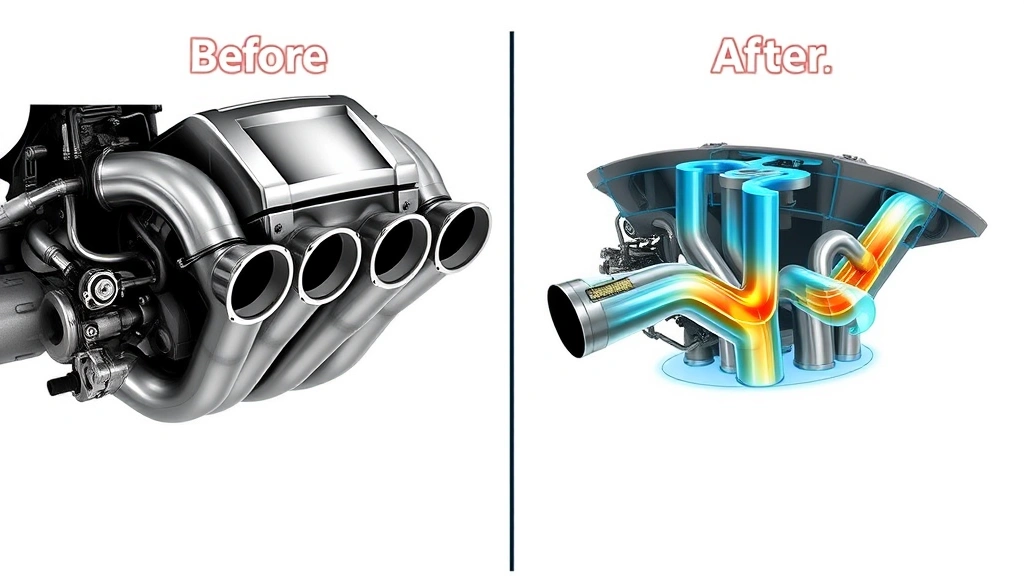
Fuel efficiency can actually improve slightly with headers, particularly on older vehicles with restrictive factory manifolds. The improved exhaust scavenging allows your engine to operate more efficiently, which can translate to modest fuel economy gains during highway driving. Don’t expect dramatic improvements, but the efficiency gains are a pleasant bonus alongside the performance benefits.
How BBK Stacks Against Competitors
The performance header market includes several quality competitors, each with distinct strengths. BBK’s primary advantages center on fitment precision, consistent quality control, and comprehensive vehicle coverage. Their product lineup spans from classic muscle cars to modern trucks and sports cars, with application-specific designs rather than universal solutions.
Compared to budget-oriented header manufacturers, BBK’s quality control is noticeably superior. Budget headers sometimes develop leaks, suffer from poor welds, or fit awkwardly in specific applications. BBK’s stricter manufacturing standards eliminate these common complaints. Yes, you’ll pay more, but the reliability and performance justifies the investment.
Against premium competitors like Banks diesel performance systems and specialty manufacturers, BBK offers excellent value without compromising quality. BBK focuses on proven designs and reliable execution rather than exotic materials or experimental approaches. This philosophy appeals to enthusiasts seeking dependable performance upgrades rather than cutting-edge experimentation.
The warranty support and customer service from BBK deserves mention too. They stand behind their products with reasonable warranty coverage and responsive customer support. This matters when you’re making a significant investment in your vehicle’s performance infrastructure.
Maintenance and Long-Term Durability
Quality headers can last the lifetime of your vehicle with proper maintenance and care. BBK’s headers are engineered for durability, but several factors influence actual lifespan: driving habits, climate conditions, exhaust system design, and maintenance practices all play roles.
Routine inspections are the primary maintenance requirement. Every few thousand miles, visually check your headers for any signs of leaks, cracks, or corrosion. Most issues develop gradually, so catching problems early prevents more serious complications. Pay attention to any changes in exhaust sound or smell—these often indicate developing leaks before they become visible.
Ceramic coatings (available on premium BBK applications) provide additional durability benefits beyond aesthetics. They reduce underhood temperatures, protect against corrosion, and extend header lifespan. The coating also minimizes heat transfer to surrounding components, which can be critical in tight engine bays or when running aggressive tune-ups.
One often-overlooked maintenance factor is proper exhaust system support. Headers work as part of a complete system, and inadequate support for downstream components can create vibration and stress that eventually damages headers. Ensure your entire exhaust system is properly secured with quality hangers and supports.
Vehicle Applications and Compatibility
BBK’s product lineup covers an impressive range of vehicles, from classic American muscle cars to modern performance platforms. Their engineering approach differs by application, recognizing that a 1960s Mustang has vastly different performance needs than a contemporary truck.
For classic applications, BBK offers headers that preserve originality while delivering modern performance. These applications often present unique challenges due to space constraints and vintage engine bay design. The company’s experience with classic vehicles ensures their headers fit properly without requiring major modifications.
Modern applications benefit from BBK’s contemporary engineering insights. Whether you’re upgrading a modern muscle car or exploring options for newer platforms, their headers integrate seamlessly with current engine management systems and emission controls. Some even maintain catalytic converter compatibility, depending on your specific application and local emissions regulations.
Truck applications represent another significant portion of BBK’s lineup. Diesel and gasoline truck headers address the unique challenges of truck engine bays, including turbocharger integration and space limitations. If you’re considering comprehensive truck performance upgrades, exploring options like 2022 Tesla Model Y performance alternatives or traditional truck modifications, header selection remains crucial to your overall strategy.
Frequently Asked Questions
Do BBK Performance Headers really improve horsepower?
Yes, measurable horsepower improvements are well-documented. Most applications see 10-25 hp gains, with torque improvements often exceeding horsepower numbers. Exact gains depend on your specific vehicle, engine condition, and complementary modifications. Dyno testing provides accurate measurements for your particular setup.
Will headers void my vehicle’s warranty?
Headers typically void powertrain warranty coverage related to engine and exhaust components. Check your specific vehicle’s warranty terms before installation. Modern vehicles with emissions systems may have additional warranty implications worth discussing with your dealer before proceeding.
How difficult is header installation?
Difficulty varies by vehicle platform. Some applications require 4-6 hours of straightforward work, while others demand 8+ hours and occasional creative problem-solving. Professional installation costs typically range from $500-$1500 depending on your location and vehicle complexity. DIY installation is possible for experienced enthusiasts but requires proper tools and mechanical knowledge.
Can I install headers with my current exhaust system?
Usually yes, but optimal results come from pairing headers with complementary exhaust components. Headers alone provide benefits, but combining them with a quality cat-back system or high-flow catalytic converter maximizes performance gains. Your installer can recommend synergistic upgrades for your specific vehicle.
Are ceramic-coated headers worth the extra cost?
Ceramic coatings offer legitimate benefits including reduced underhood temperatures, extended component life, and corrosion protection. They’re particularly valuable for aggressive builds, tight engine bays, or vehicles driven in harsh climates. For moderate street applications, standard headers deliver excellent value, while performance enthusiasts often justify the coating investment.
How do I choose between equal-length and unequal-length headers?
Equal-length headers optimize scavenging across all cylinders, providing superior performance for high-RPM operation and tuned engines. Unequal-length headers sometimes offer better mid-range torque and easier fitment in tight applications. BBK engineers your specific application for optimal performance characteristics—their recommendation should guide your selection.
Will headers make my car too loud?
Headers typically increase engine noise compared to factory manifolds, but the degree varies based on your complete exhaust system. Adding a quality muffler manages sound levels while maintaining performance benefits. Test drive vehicles with similar setups before committing if noise level concerns you.


