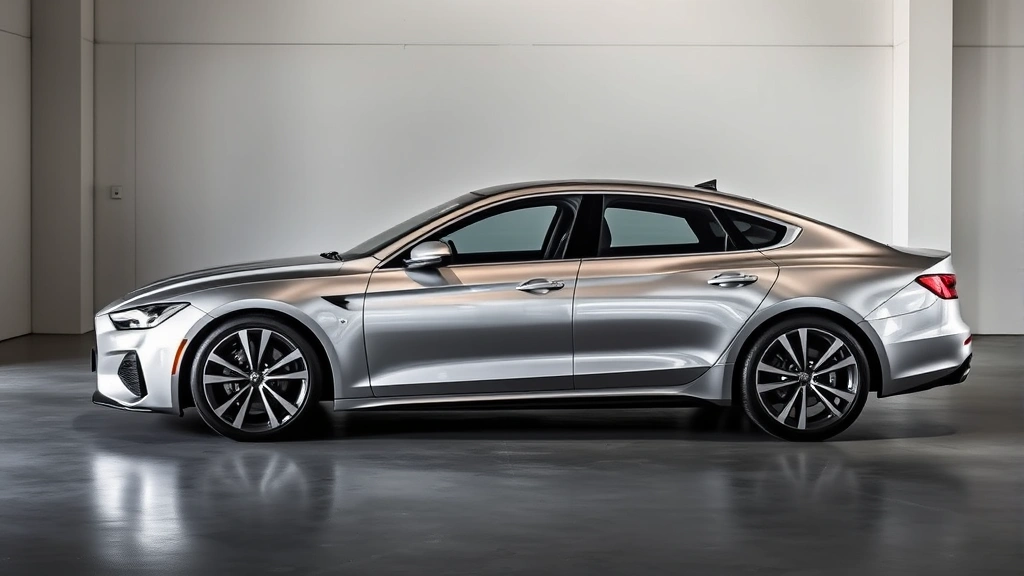
Best Fuel Efficient Sedans: Top Picks for 2023
The sedan market has undergone a remarkable transformation. Gone are the days when fuel efficiency meant sacrificing performance, comfort, or style. Today’s most economical sedans deliver impressive mileage without forcing you to compromise on the driving experience you actually want.
Whether you’re commuting through congested city streets or tackling long highway stretches, finding a best fuel efficient sedan that aligns with your lifestyle and budget has never been more achievable. The 2023 model year brought several standout contenders that prove efficiency and sophistication can coexist beautifully.
Let’s explore what makes certain sedans rise above the competition when it comes to fuel economy, and why 2023 represents a turning point in automotive efficiency.
Understanding Fuel Efficiency in Modern Sedans
Fuel efficiency isn’t just about the numbers on the EPA rating sticker—it’s about how those numbers translate into real money saved and environmental impact reduced. When manufacturers design a sedan for efficiency, they’re considering aerodynamics, engine technology, transmission optimization, and weight distribution simultaneously.
The 2023 sedan lineup reflects years of engineering innovation. Manufacturers have invested heavily in turbocharging, direct injection, and variable valve timing to squeeze more miles from every gallon. These aren’t gimmicks; they’re fundamental improvements that have become industry standard.
Understanding the difference between city and highway ratings matters too. A sedan that excels at highway efficiency might struggle in stop-and-go traffic, and vice versa. Your driving patterns should influence which best fuel efficient sedan makes the most sense for your situation.
If you’re shopping on a tight budget, exploring best fuel efficient cheap cars options can reveal hidden gems that deliver exceptional value without premium pricing.
Top Fuel Efficient Sedans for 2023
Several standouts have emerged as the champions of efficiency this year, each bringing distinct strengths to the table.
Toyota Corolla remains the reliable workhorse of the sedan world. The 2023 model achieves an impressive 33 mpg combined with its 1.8L engine, making it one of the most accessible efficient sedans on the market. It’s not flashy, but it’s dependable—a quality that resonates with drivers who prioritize consistency.
Honda Civic delivers similar efficiency with a sportier edge. The redesigned 2023 Civic combines a turbocharged engine with a continuously variable transmission, achieving 32 mpg combined while maintaining the fun-to-drive character Honda is known for.
Hyundai Elantra has quietly become a serious contender. The latest generation offers 33 mpg combined with more interior space than competitors, plus an exceptional warranty that provides peace of mind beyond the fuel pump.
Toyota Prius remains the hybrid efficiency leader, consistently delivering 54-56 mpg combined. If you’re willing to embrace hybrid technology, the Prius remains the gold standard—a title it’s held for two decades for good reason.
Mazda3 proves that efficiency doesn’t require sacrificing driving dynamics. With 28-34 mpg depending on engine choice and transmission, the Mazda3 appeals to drivers who want engaging handling alongside reasonable fuel consumption.
For those considering larger vehicles, best fuel efficient full size SUV options exist if sedans feel too compact for your needs.
According to fueleconomy.gov, the EPA’s official resource, these sedans consistently rank among the most efficient non-hybrid vehicles available.
Hybrid vs. Traditional Engines
The hybrid debate has shifted significantly. Five years ago, hybrids commanded substantial premiums. Today, that gap has narrowed considerably, making the efficiency advantage more compelling from a financial perspective.
Hybrid sedans use a combination of gasoline engines and electric motors, capturing energy typically lost during braking and using it to power the vehicle during low-speed driving. In city driving, hybrids can achieve remarkable efficiency gains—often 20-30% better than traditional engines.
However, on the highway, the advantage diminishes. A hybrid sedan might achieve 50 mpg in city driving but only 45 mpg on the interstate, where the electric motor contributes less. Traditional efficient sedans often close that gap on highways, sometimes matching hybrid performance at sustained speeds.
The real consideration comes down to your driving pattern. City commuters benefit dramatically from hybrid technology. Highway warriors might find a well-engineered traditional sedan more practical and affordable.
Maintenance represents another factor. Hybrid systems add complexity, though modern implementations have proven remarkably reliable. Toyota’s hybrid technology, for instance, has an exceptional track record spanning over two decades.
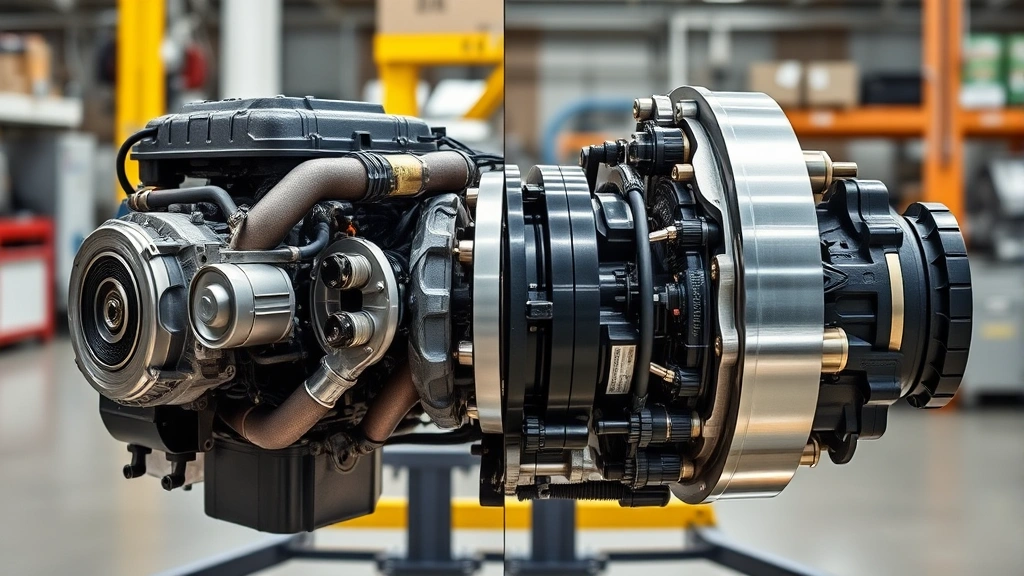
Research from Consumer Reports suggests that hybrid reliability has reached parity with traditional vehicles, eliminating a previous concern for many buyers.
Real-World Performance Metrics
EPA ratings provide a useful baseline, but real-world efficiency often differs from laboratory testing. Several factors influence actual fuel consumption beyond what the sticker promises.
Driving habits matter enormously. Aggressive acceleration, excessive idling, and speeding all reduce efficiency. A driver achieving 32 mpg in a Honda Civic through careful driving might see 28 mpg with less attentive habits. Conversely, an exceptionally skilled eco-driver might exceed EPA estimates.
Maintenance directly impacts efficiency. A properly inflated tire can improve fuel economy by 3%. A clean air filter, regular oil changes, and proper wheel alignment collectively contribute to maintaining peak efficiency. Neglecting these basics can reduce fuel economy by 10% or more.
Driving conditions affect results. Cold weather reduces efficiency as engines require longer warm-up periods. Stop-and-go traffic is harder on fuel economy than steady highway driving. Mountainous terrain demands more energy than flat roads.
Load and cargo matter. Extra weight reduces efficiency—every 100 pounds decreases fuel economy by roughly 1-2%. Roof racks and cargo carriers create aerodynamic drag, further reducing efficiency.
For those focused on maintaining peak efficiency, proper best all season performance tires can contribute to optimal fuel consumption alongside regular maintenance schedules.
The EPA’s fuel economy guide provides detailed explanations of how these factors influence real-world results.
Maximizing Your Sedan’s Efficiency
Purchasing an efficient sedan is just the beginning. How you operate and maintain it determines whether you realize the full efficiency potential.
Adopt smooth driving techniques. Accelerate gradually, maintain steady speeds, and anticipate stops to minimize braking. These habits reduce fuel consumption by 15-30% compared to aggressive driving patterns.
Plan efficient routes. Navigation apps can suggest routes that minimize idling and stop-and-go driving. Even modest reductions in traffic congestion significantly improve efficiency.
Remove unnecessary weight. Clear the trunk of items you’re not actively using. Golf clubs, emergency kits, and accumulated clutter add weight that reduces efficiency.
Keep tires properly inflated. Check tire pressure monthly—underinflated tires increase rolling resistance and reduce fuel economy. Refer to the driver’s door jamb for the manufacturer’s recommended pressure, not the sidewall maximum.
Schedule regular maintenance. Follow the manufacturer’s maintenance schedule religiously. Spark plugs, fuel filters, and transmission fluid all influence efficiency when maintained properly.
Consider your driving speed. Fuel economy decreases significantly above 50 mph. Each 5 mph increase above 50 mph reduces efficiency by approximately 5-7%, equivalent to a $0.20 per gallon increase in fuel costs.
If you’re interested in the broader efficiency conversation, exploring best energy efficient space heater options reveals how efficiency principles apply across different categories.
Cost Analysis: Long-Term Savings
Choosing a fuel-efficient sedan makes financial sense when you consider total ownership costs over several years. Let’s examine the mathematics.
A driver traveling 12,000 miles annually with gas priced at $3.50 per gallon faces significantly different costs depending on vehicle choice. A sedan achieving 25 mpg costs $1,680 annually in fuel. A sedan achieving 35 mpg costs just $1,200 annually—a $480 annual savings. Over a five-year ownership period, that represents $2,400 in fuel savings alone.
If the efficient sedan costs $2,000 more initially, you break even within the first four years of ownership. Any additional savings beyond that point represent pure profit—money you keep instead of sending to gas stations.
This calculation becomes even more compelling if gas prices increase, as they historically do. A $500 annual fuel savings at today’s prices could easily become $700 or $800 if prices rise 20-30% over the vehicle’s ownership period.
Beyond fuel savings, efficient sedans often qualify for tax incentives in certain regions. Some states offer annual registration discounts for vehicles exceeding specific efficiency thresholds. These benefits further improve the financial case for choosing an efficient sedan.
Insurance costs typically run slightly lower for efficient sedans, as they’re associated with safer, more conservative driving. While the difference might only be $50-100 annually, it contributes to the overall value proposition.
Resale value tends to favor efficient vehicles. Buyers increasingly prioritize fuel economy, meaning your efficient sedan will retain value better than a less efficient competitor when you eventually sell or trade it in.
Research from J.D. Power confirms that fuel-efficient sedans maintain stronger resale values compared to less efficient alternatives in their class.
The question isn’t whether you can afford an efficient sedan—it’s whether you can afford not to choose one. The financial argument, combined with environmental benefits, makes the case compelling.
For those evaluating vehicle options broadly, are Ford Focus good cars explores a specific model that competes in the efficiency-focused compact sedan segment.
Frequently Asked Questions
What MPG should I expect from a 2023 fuel-efficient sedan?
Most modern efficient sedans achieve 28-35 mpg combined, with hybrid models reaching 50+ mpg. Actual mileage depends on driving conditions, habits, and maintenance. City driving typically yields lower figures than highway driving for traditional engines, while hybrids perform better in city conditions.
Are hybrid sedans worth the extra cost?
For city commuters driving 12,000+ miles annually, hybrids often pay for themselves through fuel savings within 4-5 years. Highway drivers see less benefit from hybrid technology. Calculate your specific driving pattern and annual mileage to determine if the premium makes financial sense for your situation.
How long do modern sedan engines last?
Well-maintained modern sedan engines consistently reach 150,000-200,000+ miles. Fuel-efficient engines designed with modern technology often last as long or longer than traditional engines, provided owners follow recommended maintenance schedules.
Does premium fuel improve efficiency in efficient sedans?
Most efficient sedans are designed to run on regular 87-octane fuel. Using premium fuel provides no efficiency benefit unless the manufacturer specifically recommends it for your model. Consult your owner’s manual—using premium when regular is recommended simply wastes money.
Can I improve fuel economy after purchasing my sedan?
Absolutely. Proper tire inflation, regular maintenance, smooth driving techniques, and removing unnecessary weight can improve efficiency by 10-15%. These changes cost little but yield meaningful fuel savings throughout your vehicle’s ownership period.
What’s the difference between city and highway MPG ratings?
City driving involves frequent acceleration, braking, and idling, which consumes more fuel. Highway driving at steady speeds maximizes efficiency. EPA ratings test both scenarios separately—city ratings are typically 20-30% lower than highway ratings for traditional engines.
Are there government incentives for purchasing efficient sedans?
Federal tax credits have historically targeted electric and plug-in hybrid vehicles rather than conventional efficient sedans. However, some states offer registration discounts or tax breaks for vehicles meeting specific efficiency thresholds. Check your state’s environmental agency website for current incentives.


