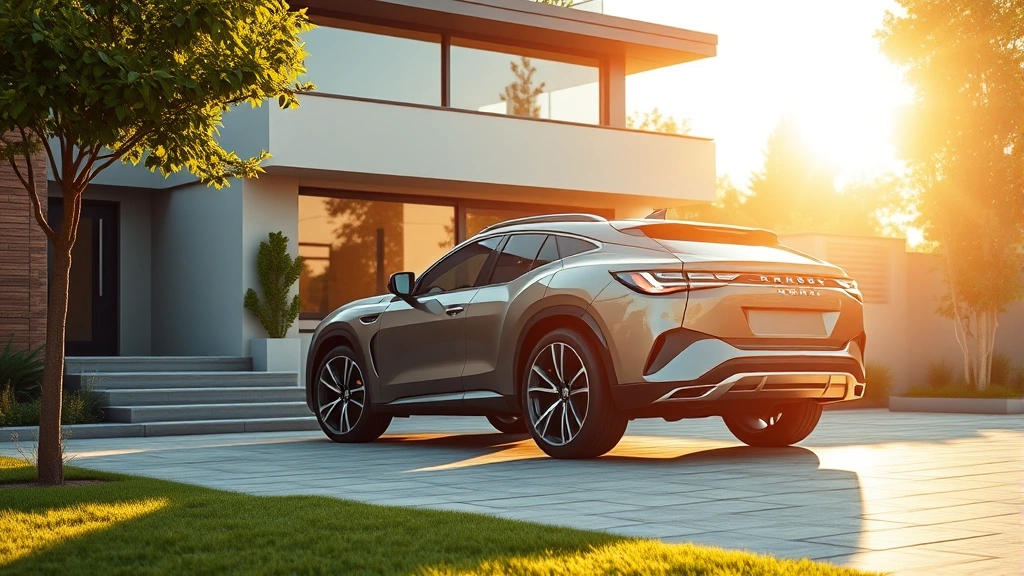
Best Fuel-Efficient SUVs with 3rd Row Seating: 2023 Guide
Finding an SUV that doesn’t guzzle gas while still fitting your entire crew is like searching for a unicorn—except this one actually exists. The days of choosing between spacious third-row seating and respectable fuel economy are officially over. Modern SUVs have evolved dramatically, offering families the practical space they need without the guilt of constant gas station visits.
The 2023 model year brought significant improvements in engine efficiency, hybrid technology, and aerodynamic design. Whether you’re hauling kids to soccer practice or embarking on weekend adventures, we’ve identified the SUVs that deliver genuine fuel efficiency without sacrificing the comfort and capacity your family demands.
Let’s dive into what makes these vehicles stand out and help you make an informed decision that balances your budget, lifestyle, and environmental concerns.
Why Third-Row SUVs Matter for Modern Families
Third-row seating represents a unique intersection of practicality and lifestyle. For families with multiple children, aging parents, or those who frequently carpool, the ability to seat seven or eight passengers transforms how you travel. No more planning logistics around vehicle capacity or leaving someone behind.
But here’s where it gets interesting: adding a third row typically means increased weight, which historically meant worse fuel economy. Manufacturers have worked overtime to overcome this challenge. Modern engineering, lightweight materials, and sophisticated transmission systems have made it possible to maintain competitive MPG ratings despite the extra mass.
If you’re exploring alternatives, you might also consider our guide on best fuel efficient 7 passenger SUV options to compare different configurations. The investment in a fuel-efficient three-row SUV pays dividends over time through reduced fuel costs and lower emissions.
Top Fuel-Efficient 3rd Row SUVs of 2023
Toyota Grand Highlander Hybrid
Toyota’s flagship family hauler combines legendary reliability with impressive efficiency. The Grand Highlander Hybrid achieves approximately 35 MPG combined, making it one of the most efficient options in its class. The hybrid powertrain seamlessly switches between electric and gasoline power, optimizing performance for every driving condition.
The third row offers genuine adult-sized seating, not the cramped afterthought you find in some competitors. With 84 cubic feet of cargo space with all seats folded, this SUV handles everything from family road trips to furniture runs.
Honda Pilot TrailSport
Honda’s three-row offering delivers a balanced approach to efficiency and performance. The Pilot achieves approximately 28-30 MPG on the highway, which is solid for a vehicle of this size and capability. The refined V6 engine provides adequate power without excessive fuel consumption.
The cabin design maximizes usability with intuitive controls and comfortable seating for all three rows. Honda’s reputation for longevity means your investment continues paying dividends for years.
Kia Sorento Hybrid
Kia has emerged as a serious contender in the efficiency space. The Sorento Hybrid delivers approximately 40 MPG combined—a remarkable figure for a three-row SUV. The company’s warranty program and competitive pricing make this an attractive option for budget-conscious families.
The modern design appeals to those seeking contemporary styling without sacrificing practicality. Kia’s infotainment system ranks among the industry’s best.
Mazda CX-90 PHEV
If you’re willing to explore plug-in hybrid territory, Mazda’s CX-90 offers unique advantages. With an all-electric range of 44 miles, many daily commutes can happen on electricity alone. When the battery depletes, the gas engine seamlessly takes over.
This vehicle bridges the gap between traditional SUVs and full electric vehicles, offering flexibility for families with varying daily needs.
For a deeper dive into seven-seater options, check out our comprehensive review of the best fuel efficient 7 seater SUV models available today.
Hybrid vs. Traditional Engines: What’s Best for You
The hybrid question deserves serious consideration. Hybrid systems typically cost $2,000-$4,000 more upfront than traditional engines. The payoff comes through fuel savings over the vehicle’s lifetime.
According to research from fueleconomy.gov, a hybrid SUV owner can expect to save approximately $4,000-$6,000 in fuel costs over five years compared to a gasoline counterpart. This calculation assumes average driving patterns and current fuel prices.
Hybrid advantages include:
- Superior fuel economy in mixed driving conditions
- Reduced emissions and environmental impact
- Lower operating costs over the vehicle’s lifespan
- Quieter cabin during low-speed driving
- Smoother acceleration through electric motor assistance
Traditional engine advantages include:
- Lower purchase price
- Simpler maintenance and repair
- Better towing capacity in some models
- Wider model selection
- Established track record with proven reliability
Your choice depends on driving patterns. If you frequently take long highway trips, a traditional engine might make sense. For city driving with mixed commuting, hybrid systems excel.
Research from Consumer Reports indicates that hybrid reliability has improved significantly, with modern systems proving as dependable as traditional powertrains.
Real-World Fuel Economy Expectations
EPA estimates provide a baseline, but real-world driving differs. Several factors influence actual fuel economy beyond the manufacturer’s claims:
Driving habits matter tremendously. Aggressive acceleration, frequent braking, and speeding all reduce efficiency. Conversely, smooth driving, maintaining steady speeds, and anticipating traffic flow can improve MPG by 10-15%.
Weather impacts efficiency. Cold temperatures reduce fuel economy by approximately 15% during the first 15 minutes of driving. Winter tires also increase rolling resistance compared to all-season options.
Vehicle load affects consumption. Every 100 pounds of cargo reduces fuel economy by roughly 1-2%. Remove unnecessary items before long trips.
Tire pressure influences efficiency. Under-inflated tires increase rolling resistance. Check pressure monthly and maintain manufacturer-recommended PSI.
Terrain and traffic conditions matter. Highway driving typically yields better MPG than city driving. Mountainous terrain requires more power than flat roads.
If you’re comparing options across different vehicle categories, our guide on best fuel efficient full size SUV selections provides context for how three-row models stack against other full-size options.
Maintenance Tips to Maximize Efficiency
Keeping your SUV running at peak efficiency requires consistent attention to maintenance basics.
Regular oil changes using manufacturer-recommended oil viscosity ensure your engine runs smoothly. Dirty oil increases friction and reduces efficiency.
Engine air filter replacement every 15,000-30,000 miles maintains proper airflow. A clogged filter forces the engine to work harder.
Wheel alignment checks prevent uneven tire wear and rolling resistance increases. Misaligned wheels can reduce fuel economy by 10%.
Battery maintenance for hybrids involves monitoring state of charge and ensuring proper cooling. Hybrid batteries operate most efficiently within specific temperature ranges.
Transmission fluid maintenance keeps gear shifts smooth and efficient. Many modern transmissions require specialized fluid—use only what the manufacturer specifies.
Spark plug replacement at recommended intervals prevents misfires that reduce efficiency and increase emissions.
Schedule maintenance according to your vehicle’s owner manual rather than arbitrary mileage intervals. Modern vehicles often have longer service intervals than older models.
Comparing Price Points and Value
Budget considerations extend beyond purchase price to total cost of ownership. Calculate fuel expenses, maintenance, insurance, and depreciation when comparing models.
The Toyota Grand Highlander Hybrid starts around $42,000, while the Honda Pilot begins near $38,000. The Kia Sorento Hybrid offers excellent value starting around $35,000. These price differences matter, but fuel savings and longevity affect true value.
If budget is your primary concern, explore our recommendations for best fuel efficient cheap cars across all vehicle categories, not just SUVs.
Alternatively, if you’re interested in how three-row SUVs compare to sedan options, check out our guide on best fuel efficient sedan choices for families with smaller seating needs.
Insurance costs vary by model, insurance company, and your driving history. Request quotes before purchasing. Safety ratings and crash test performance affect premiums—most three-row SUVs score well in these categories.
Depreciation rates differ significantly between brands. Toyota and Honda traditionally hold value better than some competitors, which affects resale value after five years.
Frequently Asked Questions
What’s the actual difference between EPA estimates and real-world MPG?
EPA estimates typically range 15-25% higher than real-world driving. The agency uses standardized testing procedures that don’t account for aggressive driving, highway speeds above 60 MPH, or cold weather conditions. Your actual fuel economy depends heavily on driving habits and conditions.
Are three-row SUVs really necessary, or would a sedan work?
For families with three or more children or those who frequently transport passengers, three-row SUVs provide genuine utility. If you rarely use the third row, a sedan or two-row SUV offers better fuel economy. Honestly assess your actual needs rather than purchasing capacity you won’t use.
How much does a hybrid system add to the purchase price?
Hybrid powertrains typically increase vehicle cost by $2,000-$4,000 compared to gasoline equivalents. The payoff depends on your driving patterns and how long you keep the vehicle. City drivers with frequent stops benefit most from hybrid technology.
What’s the lifespan of hybrid batteries?
Modern hybrid batteries typically last 150,000-200,000 miles or 8-10 years. Most manufacturers warrant batteries for at least eight years or 100,000 miles. Replacement costs range from $4,000-$8,000, though many vehicles never require replacement during typical ownership periods.
Should I prioritize fuel efficiency or cargo space?
Modern three-row SUVs offer both, though trade-offs exist. Lighter vehicles achieve better efficiency, while larger vehicles provide more cargo space. Most 2023 models balance these factors well. Prioritize based on your specific needs rather than assuming you need maximum capacity.
Do plug-in hybrids make sense for families?
Plug-in hybrids excel for families with predictable daily driving under 50 miles. If your commute fits within the electric range, you’ll drive mostly on electricity. Long road trips still benefit from the gas engine. They’re more complex than traditional hybrids but offer unique advantages for specific lifestyles.
What’s the best time to purchase a new SUV?
End of quarter (March, June, September, December) and end of model year typically offer the best deals. Dealers are motivated to clear inventory during these periods. Avoid purchasing during peak demand seasons like spring and summer when negotiating power diminishes.
How does vehicle size affect fuel economy in three-row SUVs?
Larger vehicles require more power to move, increasing fuel consumption. However, modern engineering has narrowed efficiency differences between compact and midsize three-row SUVs. The difference between a Honda Pilot and Toyota Grand Highlander is only 2-3 MPG despite size differences, thanks to advanced engines and transmissions.


