
Best Fuel Efficient Trucks: Expert Picks for 2023
Let’s be honest—trucks have a reputation for guzzling fuel like there’s no tomorrow. But here’s the thing: the truck market has evolved dramatically. Modern engineering has transformed what was once a gas-station nightmare into something genuinely practical for budget-conscious drivers who actually need truck capabilities.
Whether you’re hauling cargo on weekends, towing a trailer, or simply prefer the commanding view of the road, finding one of the best fuel efficient trucks doesn’t mean sacrificing performance or capability. Today’s top contenders deliver impressive MPG numbers without compromising on what makes trucks, well, trucks.
This guide breaks down the most efficient pickups available in 2023, examining real-world performance, technology innovations, and what actually matters when you’re standing on a lot trying to make a decision. We’re cutting through the marketing noise to give you the practical intel you need.
Why Truck Efficiency Actually Matters
Truck owners spend serious money at the pump. The difference between a truck averaging 18 MPG and one hitting 24 MPG translates to real savings—we’re talking thousands of dollars annually depending on your driving patterns and fuel prices in your area.
But efficiency isn’t just about your wallet. There’s a legitimate environmental angle here too. When you’re comparing vehicles, considering fuel-efficient alternatives across all vehicle categories helps you make decisions aligned with your values, whether that’s personal finance or environmental responsibility.
The truck market has shifted because manufacturers finally realized buyers wanted options. You don’t have to choose between capability and reasonable fuel consumption anymore. Modern transmissions, turbocharging, and lighter materials have fundamentally changed the efficiency equation for trucks.
According to the EPA’s fuel economy database, truck efficiency has improved by nearly 40% over the past decade. That’s not a minor shift—it’s a genuine transformation in what’s possible.
Top Fuel Efficient Trucks of 2023
Ford F-150 EcoBoost
The Ford F-150 with the 3.5L EcoBoost engine consistently ranks among the most efficient full-size trucks on the market. This truck delivers approximately 22-24 MPG highway and 17-19 MPG city, depending on drivetrain configuration and driving conditions.
What makes this truck interesting is how Ford engineered efficiency without compromise. The EcoBoost technology uses direct injection and turbocharging to extract maximum power from a smaller displacement engine. You’re getting genuine towing capacity—up to 14,000 lbs—while maintaining respectable fuel economy.
The F-150 SuperCrew configuration offers practical space for families, and the truck bed still provides legitimate cargo capability. If you’re considering budget-friendly efficiency options, this truck represents a solid middle ground between cost and capability.
Chevrolet Silverado 1500 RST
Chevrolet’s Silverado 1500 with the 2.7L turbo engine achieves approximately 21-23 MPG highway. The truck maintains a traditional truck aesthetic while incorporating modern efficiency technology that doesn’t feel forced or compromised.
The Silverado’s real strength lies in its transmission—the 8-speed automatic shifts smoothly and keeps the engine operating in optimal efficiency ranges. Chevy engineered this truck for drivers who want straightforward capability without overthinking the technology.
RAM 1500 with eTorque
RAM’s 1500 featuring the eTorque mild hybrid system represents an interesting efficiency innovation. The 5.7L V8 with eTorque achieves approximately 22-24 MPG highway, which is genuinely impressive for a V8-powered truck.
The eTorque system uses a small battery and electric motor to assist acceleration and recovery, reducing engine strain during common driving situations. It’s not a full hybrid system, but it’s an elegant solution that maintains truck character while improving efficiency.
Diesel vs. Gasoline: Which Engine Wins?
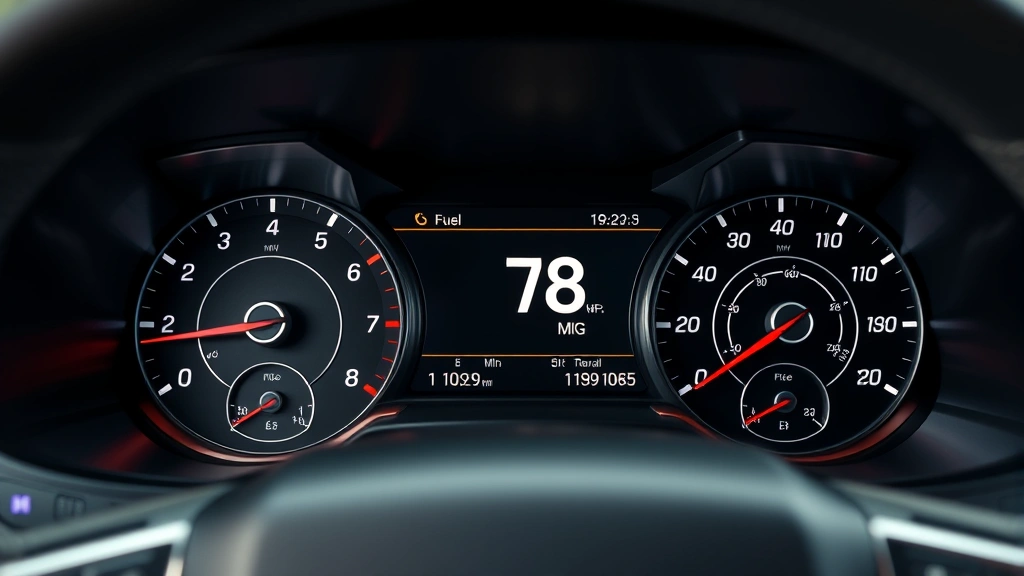
This is where things get interesting. Diesel engines consistently outperform gasoline engines in fuel economy, but the equation isn’t as simple as pure MPG numbers.
A diesel truck can achieve 25-27 MPG highway compared to a gasoline truck’s 22-24 MPG. That advantage is real. Diesel engines produce more torque at lower RPMs, which means less engine strain during typical driving and towing situations.
However—and this is important—diesel fuel typically costs more than gasoline. You need to calculate your actual cost per mile, not just MPG. If you’re driving 15,000 miles annually in urban environments, a gasoline truck might prove more economical. If you’re regularly towing or driving 25,000+ miles yearly, diesel’s efficiency advantage compounds into genuine savings.
There’s also a consideration about performance upgrades and maintenance with diesel engines. Diesel maintenance costs can run higher, though diesel engines often demonstrate superior longevity.
Research from Cars.com’s analysis of truck ownership costs suggests that for average truck owners, the gasoline efficiency advantage narrows significantly when accounting for fuel price differentials.
Key Technology Features That Save Fuel
Advanced Transmissions
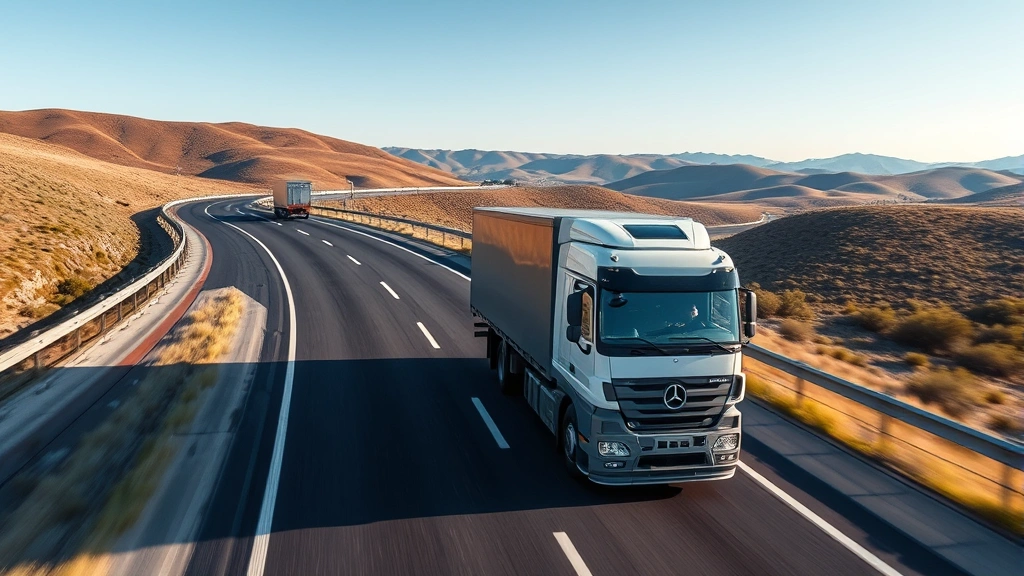
Modern trucks feature 8, 10, and even 12-speed transmissions compared to older 6-speed designs. More gears mean the engine operates closer to its optimal efficiency RPM range. When you’re cruising highway, the engine isn’t working harder than necessary.
Turbocharging and Direct Injection
These technologies allow manufacturers to downsize engines while maintaining power output. A turbocharged 2.7L engine produces comparable power to an older naturally-aspirated 5.0L, but uses significantly less fuel.
Integrated Hybrid Systems
Mild hybrid systems like RAM’s eTorque and Chevrolet’s systems capture energy during braking and assist acceleration. They’re not full hybrids, but they meaningfully improve efficiency without the complexity or cost of full hybrid powertrains.
Aerodynamic Refinements
Modern trucks incorporate subtle aerodynamic improvements—tailgate designs, reduced undercarriage turbulence, and refined body lines. These changes seem minor but collectively improve highway fuel economy by 2-4%.
Tire Technology
Selecting quality all-season tires designed for efficiency impacts fuel economy more than many drivers realize. Low rolling resistance tires can improve efficiency by 1-3% compared to standard tires.
Real-World Performance vs. EPA Ratings
Here’s something EPA ratings don’t always capture: real-world driving is messier than test cycles. EPA estimates are standardized, which means they’re consistent but not always representative of how you actually drive.
Highway driving tends to beat EPA highway estimates—your steady cruising at 65 MPH is more efficient than the EPA’s simulated conditions. However, city driving often underperforms EPA estimates because real traffic patterns include more acceleration, idling, and stop-and-go situations than the test cycle.
If you’re towing, expect efficiency to drop significantly. A truck rated at 22 MPG highway might achieve 16-18 MPG while towing a loaded trailer. This is normal and reflects the additional engine load, aerodynamic drag, and weight.
According to EPA fuel economy testing procedures, highway ratings assume speeds around 48 MPH with moderate acceleration, which doesn’t represent typical highway driving. If you’re regularly driving 70+ MPH, your actual efficiency will be lower than EPA highway estimates.
Weather impacts efficiency too. Cold weather reduces efficiency by 5-10% because engines require more fuel to reach optimal operating temperature and warm-up cycles consume fuel without movement. Winter tires also increase rolling resistance compared to all-season tires.
Maintenance Tips to Maximize Efficiency
Keep Tires Properly Inflated
Underinflated tires create rolling resistance that directly reduces fuel economy. Check tire pressure monthly and maintain manufacturer-recommended PSI. Every 1 PSI below recommendation reduces efficiency by approximately 0.3%.
Regular Oil Changes
Fresh, high-quality oil reduces engine friction and improves efficiency. Use the manufacturer-recommended viscosity grade—using heavier oil than recommended increases friction and reduces MPG.
Air Filter Maintenance
A clean air filter ensures your engine breathes efficiently. Clogged filters force the engine to work harder, reducing fuel economy. Replace air filters according to your truck’s maintenance schedule or when you notice reduced performance.
Fuel System Cleanliness
Fuel injector deposits accumulate over time and reduce combustion efficiency. Periodic fuel system cleanings help maintain optimal efficiency, particularly in older trucks or those using lower-quality fuel.
Wheel Alignment
Misaligned wheels create rolling resistance and increase tire wear. Proper alignment ensures your truck tracks straight and reduces energy waste. Have alignment checked annually or whenever you notice pulling or uneven tire wear.
Reduce Unnecessary Weight
Every 100 pounds reduces efficiency by approximately 1-2%. Remove items from your truck bed and cabin that aren’t necessary for daily driving. If you’re comparing efficiency across vehicle types, like exploring efficient SUVs with passenger capacity, remember that payload capacity impacts both vehicles.
Frequently Asked Questions
What’s the most fuel efficient truck available in 2023?
The Ford F-150 EcoBoost and RAM 1500 with eTorque both achieve approximately 22-24 MPG highway, making them among the most efficient gasoline trucks. If you’re considering diesel, the 2023 RAM 2500 diesel can achieve 25-27 MPG highway. Efficiency rankings vary based on configuration, drivetrain, and driving conditions.
Is diesel worth the extra cost for a truck?
Diesel makes sense if you drive 20,000+ miles annually, regularly tow heavy loads, or plan to keep the truck beyond 200,000 miles. For lower annual mileage or primarily highway driving, gasoline trucks often prove more economical when accounting for fuel price differentials.
How much fuel can I save switching to an efficient truck?
If you’re upgrading from an older truck averaging 16 MPG to a modern truck achieving 22 MPG, and you drive 15,000 miles annually, you’ll save approximately $400-600 annually at current fuel prices. Over a truck’s 10-year ownership period, that compounds into significant savings.
Do truck bed covers improve fuel economy?
Yes, tonneau covers and bed covers reduce aerodynamic drag and improve highway fuel economy by 2-5%. The improvement is most noticeable at highway speeds. If you regularly carry cargo, a bed cover provides both efficiency and security benefits.
Should I consider a truck-SUV hybrid instead?
Truck-SUVs (like crossovers with truck-bed styling) offer better fuel economy than traditional trucks but sacrifice bed space and towing capacity. If you need genuine truck capability, a modern efficient truck outperforms truck-styled SUVs. If you primarily need passenger space with occasional cargo hauling, efficient SUVs offer better efficiency.
What driving habits improve truck fuel economy?
Steady acceleration (avoiding jackrabbit starts), maintaining consistent highway speeds (70 MPH is more efficient than 75+ MPH), reducing idle time, and planning routes to minimize traffic congestion all improve efficiency. Aggressive driving can reduce MPG by 15-30%.
Are electric trucks going to replace traditional trucks?
Electric trucks like the Ford F-150 Lightning are emerging, but traditional trucks will dominate for years. Electric trucks excel for urban delivery and moderate-duty work but currently lack the towing range for extended trips. As battery technology improves, electric trucks will become more practical, but traditional and hybrid trucks will remain viable for the foreseeable future.
How do I compare efficiency across different truck classes?
Compare EPA MPG ratings across trucks in the same class (full-size vs. full-size, mid-size vs. mid-size). Consider your actual driving patterns—highway-heavy driving favors trucks with strong highway ratings, while mixed driving requires balanced city/highway efficiency. Account for options and configurations, as bed length, cab style, and drivetrain significantly impact efficiency.


