
Do Binaural Beats Enhance Focus? Expert Insights
You’re drowning in notifications. Your to-do list mocks you from three different apps. And somewhere between your fifth coffee and the ambient chaos of your workspace, you stumble upon a YouTube video promising that listening to mysterious sounds for 10 minutes will unlock superhuman concentration. Binaural beats, they call it. Too good to be true? Maybe. But the science might surprise you.
The wellness industry has embraced binaural beats with the enthusiasm of a marathon runner crossing the finish line. Millions of people now use these audio frequencies to supposedly enhance focus, reduce anxiety, and improve sleep. Yet ask a neuroscientist about the evidence, and you’ll get a more nuanced answer than most wellness blogs provide. This article separates the hype from the legitimate science, explores what actually happens in your brain when you listen to these beats, and helps you determine whether they belong in your focus toolkit.
Whether you’re a skeptic or a curious experimenter, understanding the real mechanics behind binaural beats will help you make an informed decision about incorporating them into your routine—or recognizing why they might not be the silver bullet they’re marketed to be.
What Are Binaural Beats, Exactly?
Here’s the straightforward explanation: binaural beats occur when you listen to two slightly different frequencies through stereo headphones—one in each ear. Your brain perceives a third frequency that’s the mathematical difference between the two. If your left ear hears 100 Hz and your right ear hears 110 Hz, your brain essentially “creates” a 10 Hz beat.
The concept isn’t new. German physicist Heinrich Wilhelm Dove discovered this phenomenon in 1839, but it didn’t become a wellness trend until the 1970s when researcher Gerald Oster published research on binaural beats and their potential effects on the brain. Since then, wellness entrepreneurs have packaged them into meditation apps, YouTube videos, and premium audio programs promising everything from enhanced focus to spiritual enlightenment.
The appeal is obvious: the promise of neurological enhancement through passive listening. No effort required. No lifestyle changes needed. Just press play and let your brain do the work. This convenience factor explains why binaural beats have become ubiquitous in focus-related content, even if the evidence doesn’t always support the marketing claims.
Different frequency ranges are associated with different brainwave states. Delta waves (0.5-4 Hz) relate to deep sleep. Theta waves (4-8 Hz) connect to meditation and drowsiness. Alpha waves (8-12 Hz) associate with relaxed alertness. Beta waves (12-30 Hz) link to active thinking and focus. Gamma waves (30+ Hz) relate to intense mental activity. The theory suggests that exposing your brain to specific binaural beat frequencies can nudge your brainwaves into the desired state.
The Science Behind Binaural Beats and Brain Activity
Here’s where things get interesting—and complicated. The research on binaural beats exists in a murky zone between “promising” and “inconclusive.” Multiple studies have shown measurable effects on brainwave activity, but the practical implications remain debated among neuroscientists.
A peer-reviewed study published in research journals has demonstrated that binaural beats can influence EEG (electroencephalogram) readings, suggesting that the brain does respond to this auditory stimulus. However, the effect size in many studies is modest, and individual responses vary significantly. Some people’s brains respond robustly to binaural beats while others show minimal change.
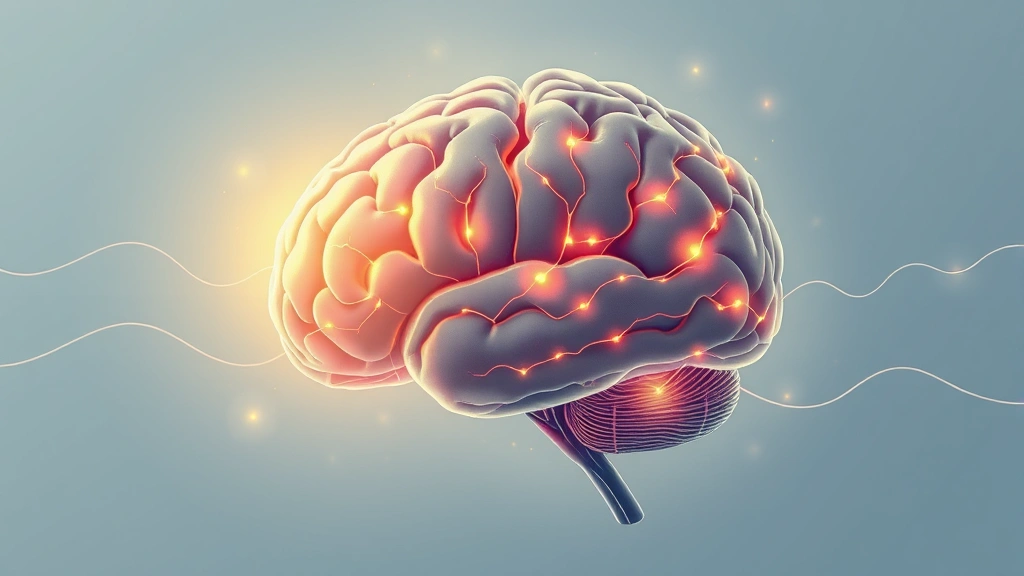
The neurological mechanism appears to involve the superior olivary complex, a region in your brainstem that processes sound. When this area detects the frequency difference between the two tones, it may trigger synchronized neural activity. This synchronization could theoretically influence larger networks involved in attention and focus. But “could theoretically” is doing a lot of heavy lifting here.
One critical limitation in the research: many studies suffer from weak experimental design. Placebo effects are powerful, especially when participants know they’re listening to something intended to enhance focus. Double-blind studies—where neither participants nor researchers know who’s receiving the real intervention—are rare in this field. This methodological gap makes it difficult to separate genuine neurological effects from expectation-driven benefits.

What Research Actually Says About Focus
When researchers specifically examine binaural beats and focus or concentration, the findings become more cautious. A 2019 analysis in Frontiers in Human Neuroscience acknowledged that while some studies show positive effects on attention tasks, the evidence remains “limited and of mixed quality.” Translation: it might work, but we’re not confident enough to make strong claims.
Some studies show that theta-frequency binaural beats (around 5-7 Hz) may enhance certain types of cognitive performance, particularly on tasks requiring sustained attention. Other research suggests alpha-frequency beats (around 10 Hz) might improve relaxation without sacrificing alertness—theoretically ideal for focused work. But here’s the catch: these benefits often appear modest, and they don’t consistently replicate across different research groups.
The placebo effect deserves serious consideration here. If you believe binaural beats will enhance your focus, and you sit down with that expectation, your brain may genuinely perform better—not because of the frequency, but because of your psychological state. This isn’t a flaw in your thinking; it’s simply how human neurobiology works. The brain is powerful enough that belief itself can influence performance.
Research from Psychology Today and similar sources emphasizes that context matters enormously. Listening to binaural beats while distracted by your phone, notifications pinging away, or stress levels through the roof will likely produce different results than using them as part of a deliberate focus ritual in a controlled environment.
How Binaural Beats Might Work (And Why They Might Not)
Let’s explore the proposed mechanisms with appropriate skepticism. The dominant theory suggests that binaural beats entrain brainwaves—essentially synchronizing neural activity to match the beat frequency. If true, this would be a powerful tool for shifting your brain into optimal states for focus.
However, several factors complicate this theory. First, brainwave entrainment requires the frequency to be within hearing range and the brain’s entrainment capabilities. Some proposed binaural beat frequencies fall outside optimal ranges for entrainment. Second, your brain isn’t a passive system that simply syncs to external stimuli. It’s actively filtering information, prioritizing threats, and responding to internal states. A sound in your headphones is just one input among countless others competing for neural resources.
Third, individual differences matter tremendously. Your brain’s susceptibility to binaural beats depends on factors like your natural brainwave patterns, attention capacity, neurochemistry, and even your genetic predisposition toward audio-based influence. What works powerfully for one person might produce negligible effects for another.
The most honest assessment: binaural beats probably work for some people in some situations, but they’re not a universal solution. They might serve as a useful tool within a comprehensive focus strategy, but relying on them as your primary focus enhancement method is likely insufficient. Think of them as one instrument in an orchestra rather than the entire symphony.
A Practical Guide to Using Them Effectively
If you’re curious about experimenting with binaural beats, here’s how to approach it rationally and maximize any potential benefits:
- Start with quality audio: Cheap headphones or low-quality recordings will undermine any potential effects. Invest in decent noise-isolating headphones that deliver clear stereo separation.
- Choose the right frequency: For focus work, aim for alpha (8-12 Hz) or beta (12-15 Hz) range binaural beats. Theta frequencies might relax you too much for productive work. Experiment to find what resonates with your brain.
- Create ritual and environment: Don’t expect binaural beats to overcome chaos. Use them alongside intentional focus practices: silence your phone, close unnecessary tabs, eliminate visual distractions, and set a specific work duration. The combination of environmental control and audio cues is more powerful than either alone.
- Session length matters: Most research suggesting benefits used sessions of 15-30 minutes. Listening for 5 minutes probably won’t produce measurable effects. Give your brain time to synchronize.
- Track your own results: Use objective measures rather than gut feeling. Did you complete more work? Did you encounter fewer distractions? Did you feel more engaged? Subjective impressions are easily influenced by placebo, so measure actual output when possible.
- Combine with proven methods: Pairing binaural beats with other focus-enhancing strategies amplifies results. Consider combining them with the time-tested approaches outlined in Atomic Habits Review, which emphasizes incremental behavior change over quick fixes.
If you’re looking to optimize your neurological state for focus, don’t overlook the fundamentals. Quality sleep, regular exercise, proper nutrition, and best energy drink for focus choices all have stronger research support than binaural beats. These should form your foundation.
Better Alternatives Worth Considering
Rather than banking on binaural beats as your primary focus tool, consider these evidence-backed alternatives:
Strategic caffeine use: Unlike binaural beats, caffeine’s effects on focus are well-established and reliable. The key is strategic timing and dosing. A well-timed coffee or tea can enhance alertness for 4-6 hours. Understanding your personal caffeine sensitivity and consumption patterns matters more than specific product recommendations.
Environmental design: Your physical workspace profoundly influences focus capacity. Reducing visual clutter, controlling ambient noise, and optimizing lighting produce measurable improvements in concentration. This requires no technology—just intentional design.
Attention training: Meditation and mindfulness practices have robust research support for enhancing focus. Unlike binaural beats, these require active engagement, but they produce lasting improvements in attention capacity. Even 10 minutes daily yields measurable benefits within weeks.
The Pomodoro Technique: Structured work intervals with brief breaks optimize focus and prevent mental fatigue. This simple time-management approach has strong research support and requires zero technology.
Behavioral design: Implementing the principles found in 7 Habits of Highly Effective People PDF creates systems that support focus naturally. When your environment and habits align with your focus goals, external tools become less necessary.
For comprehensive guidance on elevating your overall performance, exploring 3 ways to improve work performance provides actionable frameworks beyond audio-based interventions.
If you’re struggling with focus despite trying various tools, best mental health books can provide deeper insights into psychological factors affecting concentration. Sometimes the barrier to focus isn’t neurological—it’s emotional or psychological.
An interesting technical consideration: if you use camera equipment or recording devices, understanding back button focus techniques can prevent focus-related frustrations in your creative work, though this applies more to photographers than to general focus enhancement.
Frequently Asked Questions
Are binaural beats safe to use?
Yes, binaural beats are generally safe for most people. They’re simply audio frequencies with no direct physiological effect beyond what sound stimulation naturally produces. However, people with epilepsy or photosensitivity disorders should exercise caution, as some research suggests potential triggers in rare cases. If you have neurological conditions, consult your healthcare provider before regular use.
How long does it take to notice effects from binaural beats?
Individual responses vary dramatically. Some people report immediate subjective improvements in their first session. Others notice nothing after weeks of use. If you’re going to experiment, commit to at least 2-3 weeks of consistent use before concluding they don’t work for you. Track objective measures rather than relying on how you feel, which is easily influenced by expectation.
Do I need expensive binaural beat apps or recordings?
Not necessarily. The binaural beat frequency is what matters, not the production quality or price point. Many free YouTube videos and apps provide legitimate binaural beats. That said, higher-quality audio production might enhance your experience simply because better sound is more pleasant to listen to. The premium isn’t necessary for the effect, but it might improve compliance.
Can binaural beats replace sleep?
Absolutely not. While delta-frequency binaural beats might promote relaxation, they cannot replace actual sleep. Your brain needs genuine sleep cycles with REM and non-REM stages to consolidate memories, regulate emotions, and maintain cognitive function. Using binaural beats as a sleep substitute is a recipe for cognitive decline.
What’s the best frequency for focus?
Research suggests alpha (8-12 Hz) or low beta (12-15 Hz) frequencies work best for maintaining focus while remaining relaxed. However, individual optimal frequencies vary. Experiment with different frequencies and track which produces the best results for your specific work. What works for focus-intensive writing might differ from what works for coding or creative problem-solving.
Do binaural beats work without headphones?
No. Binaural beats specifically require stereo headphones where different frequencies reach each ear independently. Speakers playing both frequencies to both ears won’t produce the same effect. The binaural effect depends on your brain detecting the frequency difference between ears, which requires the specific stereo setup.
Can I listen to binaural beats while doing other activities?
You can, but effectiveness depends on the activity. Simple, routine tasks might pair well with binaural beats. Complex cognitive work requiring high-level attention might suffer because your brain is divided between the audio stimulus and the demanding task. Experiment to find your optimal configuration.


