
Can Focus Be Enhanced? Neuroscience Insights into Mental Clarity and Cognitive Performance
The human brain possesses remarkable plasticity—the ability to reorganize itself throughout life by forming new neural connections. This fundamental principle suggests that focus, contrary to popular belief, is not a fixed trait but a skill that can be systematically enhanced through evidence-based practices. Recent neuroscience research reveals that concentration is governed by specific brain regions, neurochemical systems, and behavioral patterns that respond positively to targeted interventions.
Whether you’re struggling with attention due to work demands, managing mental health conditions that affect focus, or simply seeking to optimize your cognitive performance, understanding the neuroscience behind attention can empower you to make meaningful improvements. This comprehensive guide explores the latest discoveries about how the brain focuses, what disrupts concentration, and which evidence-backed strategies genuinely work.
The Neuroscience of Focus: Brain Regions and Neural Networks
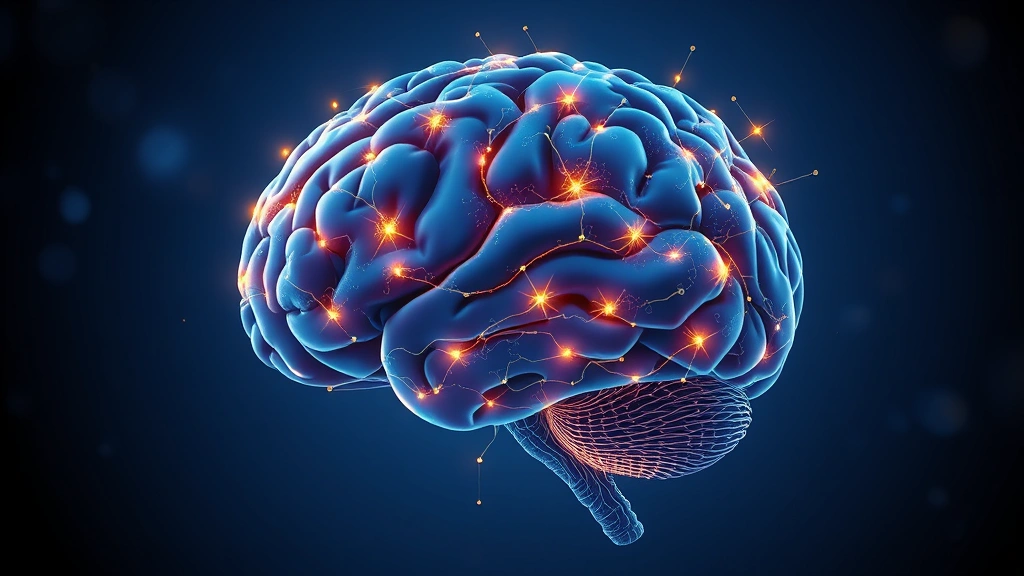
Focus emerges from a coordinated symphony of brain activity involving multiple interconnected regions. The prefrontal cortex, located in the frontal lobe just behind your forehead, serves as the executive control center for attention and concentration. This region acts like an air traffic controller, directing mental resources toward relevant information while filtering out distractions. When you deliberately focus on a task, your prefrontal cortex becomes highly active, essentially telling the rest of your brain what matters right now.
The anterior cingulate cortex works in tandem with the prefrontal cortex to monitor for conflicts and errors. This region helps you notice when you’ve made a mistake or when your mind has wandered, allowing for course correction. Meanwhile, the posterior parietal cortex processes spatial attention and sensory information, helping you orient toward important stimuli in your environment.
A critical network called the Default Mode Network (DMN) becomes active when your mind isn’t focused on external tasks—this is when your brain engages in self-referential thinking, mind-wandering, and daydreaming. Interestingly, neuroscience research demonstrates that strong focus requires the suppression of DMN activity. People with better concentration abilities show greater deactivation of the DMN when engaging in demanding tasks.
The thalamus acts as a sensory gatekeeper, filtering which stimuli reach your conscious awareness. This filtering mechanism is essential for focus—without it, every sound, sight, and sensation would demand your attention equally. When your thalamic gating functions optimally, distractions remain in the background of awareness.
Key Neurotransmitters That Control Attention
Understanding the chemistry of focus reveals why certain interventions work so effectively. Dopamine, often called the motivation molecule, plays a starring role in attention and concentration. This neurotransmitter doesn’t just create pleasure; it signals the brain that something is worth focusing on and maintaining effort toward. When dopamine levels are optimal, tasks feel engaging and you can sustain concentration for extended periods.
Norepinephrine works alongside dopamine to maintain alertness and sharpen focus. This neurotransmitter increases arousal and helps your brain respond to important stimuli. The balance between dopamine and norepinephrine determines your ability to focus on specific tasks while remaining alert to significant changes in your environment. Imbalances in these systems contribute to conditions affecting concentration.
Acetylcholine, produced in the basal forebrain, enhances your ability to learn and sustain attention. This neurotransmitter is particularly important for working memory—your ability to hold and manipulate information mentally. Activities that increase acetylcholine, such as deep learning and focused practice, strengthen concentration capacity over time.
GABA (gamma-aminobutyric acid) serves as the brain’s primary inhibitory neurotransmitter, helping quiet background neural noise. Adequate GABA function allows your brain to suppress irrelevant information and maintain signal clarity. When GABA levels are insufficient, your brain struggles to filter distractions, making focus feel exhausting.
Glutamate, the brain’s primary excitatory neurotransmitter, must be balanced with GABA. Excessive glutamate creates neural noise and anxiety, while insufficient levels impair cognitive function. The glutamate-GABA balance is crucial for optimal attention and is disrupted in several conditions affecting mental health.
How Mental Health Conditions Impact Concentration
Mental health conditions frequently disrupt the neurochemical and neural network systems underlying focus. Depression alters dopamine and norepinephrine systems, creating what researchers call “apathy-related concentration deficits.” Even when depressed individuals want to focus, their brain’s reward and motivation systems don’t generate the neurochemical support needed for sustained attention.
Anxiety disorders dysregulate the amygdala (your brain’s threat-detection center) and interfere with prefrontal cortex functioning. When your amygdala is hyperactive, it constantly signals danger, hijacking your prefrontal cortex’s attentional resources. This is why anxious individuals often report racing thoughts and difficulty concentrating—their brain is prioritizing threat monitoring over task engagement.
Attention Deficit Hyperactivity Disorder (ADHD) involves dysfunction in the prefrontal cortex and anterior cingulate cortex, along with dysregulation of dopamine systems. Individuals with ADHD show reduced activation in executive control regions and struggle with the sustained attention required for complex tasks. If you’re experiencing significant concentration difficulties, exploring whether you might qualify for disability support for mental health conditions could provide valuable resources and accommodations.
Post-traumatic stress disorder (PTSD) creates a hypervigilant brain state where the threat-detection system remains chronically activated. This leaves fewer cognitive resources available for focused work. Trauma survivors often report intrusive thoughts and difficulty maintaining attention on present-moment tasks.
Substance use disorders, including alcohol and drug addiction, cause significant damage to dopamine systems and prefrontal cortex function. Recovery involves gradually restoring these neural systems through abstinence and supportive practices. Understanding these biological mechanisms removes shame and highlights that concentration difficulties are often symptoms of treatable conditions, not character flaws.
Evidence-Based Strategies to Enhance Focus
Meditation and mindfulness training represent among the most thoroughly researched methods for enhancing focus. Neuroscience studies show that regular meditation increases gray matter density in the prefrontal cortex and anterior cingulate cortex, literally strengthening the brain regions responsible for attention control. Even brief daily practice—as little as 10 minutes—produces measurable improvements in concentration within weeks.
The Pomodoro Technique aligns with how your brain naturally regulates attention. This method involves 25 minutes of focused work followed by a 5-minute break. The science behind this timing relates to ultradian rhythms—biological cycles lasting 90-120 minutes. By working in focused bursts with breaks, you prevent the attention fatigue that builds during extended concentration efforts. Building focus-enhancing habits through consistent Pomodoro sessions creates lasting improvements in concentration capacity.
Single-tasking versus multitasking represents a crucial distinction for focus enhancement. The brain cannot genuinely multitask; instead, it rapidly switches between tasks, incurring a “switching cost” that reduces overall efficiency and increases errors. Dedicating blocks of time to single tasks allows your prefrontal cortex to remain engaged with one goal, building stronger neural pathways for that specific work.
Environmental design significantly impacts focus through a mechanism called “attentional capture.” Your brain automatically orients toward novel or salient stimuli in your environment. By removing visual clutter, silencing notifications, and creating a dedicated workspace, you reduce the number of stimuli competing for your prefrontal cortex’s attention. This makes sustained focus feel effortless rather than requiring constant willpower.
Goal clarity enhances focus by creating what neuroscientists call “attentional templates.” When you clearly define what you’re focusing on, your brain creates a mental representation that guides attention toward relevant information and away from distractions. Vague goals like “work on the project” create weaker attentional templates than specific goals like “complete the methodology section of the report.”

The Role of Sleep, Exercise, and Nutrition
Sleep represents perhaps the most powerful focus-enhancing intervention available, yet it’s frequently sacrificed in pursuit of productivity. During sleep, your brain consolidates memories, clears metabolic waste through the glymphatic system, and resets neurotransmitter systems. Research from sleep neuroscience demonstrates that sleep deprivation impairs prefrontal cortex function within just one night of inadequate rest. This explains why focus feels impossible when you’re tired—your brain’s attention control system is literally offline.
Aerobic exercise produces immediate and long-term improvements in focus through multiple mechanisms. Exercise increases BDNF (brain-derived neurotrophic factor), a protein that supports the growth and survival of neurons in the prefrontal cortex and hippocampus. Regular exercise also optimizes dopamine and norepinephrine systems, the neurochemical foundation of attention. Even a 20-minute walk before focused work enhances concentration for the subsequent hours.
Nutrition directly impacts neurotransmitter synthesis and brain function. Protein intake provides amino acids needed to manufacture dopamine, norepinephrine, and serotonin. Complex carbohydrates stabilize blood glucose, preventing the energy crashes that impair focus. Omega-3 fatty acids support neuronal membrane health and are particularly important for prefrontal cortex function. Staying hydrated maintains optimal blood volume and oxygen delivery to the brain, essential for sustained attention.
Caffeine enhances focus by blocking adenosine receptors, reducing the buildup of adenosine that signals fatigue to your brain. However, timing matters significantly. Caffeine consumed after 2 PM can interfere with sleep quality that night, ultimately impairing the next day’s focus. Strategic caffeine use—consuming it shortly after waking and avoiding it in the afternoon—optimizes both immediate concentration and long-term attention capacity.
Glucose management directly impacts cognitive performance. While your brain consumes about 20% of your body’s energy despite comprising only 2% of body weight, excessive blood sugar spikes followed by crashes impair prefrontal cortex function. Eating balanced meals with protein, healthy fats, and complex carbohydrates maintains stable glucose levels and consistent focus throughout the day.
Technology and Environmental Optimization
Digital distractions represent the modern enemy of focus. Smartphones, notifications, and social media trigger dopamine release through variable reward schedules—the same mechanism that makes gambling addictive. Each notification creates a small dopamine spike, training your brain to expect rewards from checking your phone. This makes returning to focused work feel unrewarding by comparison. The solution involves creating technological barriers: silencing notifications, using app blockers, and physically removing devices from your workspace.
Website blockers and focus applications help you implement environmental controls over your digital behavior. These tools prevent access to distracting websites during designated focus periods, removing the need for constant willpower. Over time, this practice retrains your dopamine system to find reward in focused work rather than digital distraction.
The physical environment profoundly influences focus through sensory and psychological mechanisms. Temperature affects cognitive performance—research suggests 70-72°F (21-22°C) optimizes concentration. Lighting impacts circadian rhythms and alertness; natural light exposure during the day enhances daytime focus while dimmer light in the evening supports sleep quality. Background noise level matters too; some individuals focus better with white noise or instrumental music that masks unpredictable distractions, while others require silence.
Color psychology influences attention and mood. Blue tones enhance focus and creativity, while red can increase anxiety in some individuals. Organizing your workspace to minimize visual clutter reduces the cognitive load of processing irrelevant information, freeing mental resources for your actual task.
If you’re struggling with focus due to underlying mental health conditions, exploring resources about mental health can provide additional support and strategies. Similarly, listening to mental health podcasts offers expert perspectives on managing conditions that affect concentration. For spiritual dimensions of mental wellbeing, reflecting on Bible verses for mental health can provide additional support alongside practical interventions.
FAQ
Can focus truly be improved through practice, or is it genetically determined?
While genetic factors influence baseline attention capacity, focus is primarily a skill that improves dramatically through practice. Neuroplasticity research demonstrates that your brain physically changes in response to training. Individuals who practice focused attention develop stronger neural connections in the prefrontal cortex and show improved concentration abilities. Genetics may set initial conditions, but environmental factors and deliberate practice determine your actual focus performance.
How long does it take to notice improvements in focus?
You may notice immediate improvements in a single focus session after optimizing your environment and eliminating distractions. Measurable improvements in sustained attention typically appear within 2-4 weeks of consistent practice with meditation or other attention-training techniques. Structural brain changes supporting improved focus develop over months of sustained practice. The key is consistency—daily practice produces better results than sporadic intensive efforts.
Do focus-enhancing supplements actually work?
Many supplements claim to enhance focus, but evidence varies significantly. L-theanine (found in green tea) shows modest evidence for improving attention without the jittery effects of caffeine alone. Creatine supplementation has evidence supporting cognitive benefits in vegetarians and vegans. However, most nootropic supplements lack robust clinical evidence. Before supplements, optimize sleep, exercise, nutrition, and environmental factors—these produce larger, more reliable improvements and cost nothing.
Can I enhance focus if I have ADHD or anxiety?
Absolutely. While ADHD and anxiety involve neurobiological challenges, the same focus-enhancement strategies help these individuals significantly. In fact, individuals with ADHD often report that environmental optimization and external structure provide the most dramatic improvements. If you’re experiencing focus difficulties related to mental health conditions, consulting with a healthcare provider about whether you might qualify for mental health disability support can provide additional resources and accommodations that facilitate focus improvement.
Is it possible to have too much focus?
Excessive focus without breaks can lead to mental fatigue and reduced overall productivity. Your brain’s attention systems require periodic rest to restore neurotransmitter levels and clear metabolic waste. Hyperfocus—intense concentration for extended periods without breaks—can feel productive but often leads to burnout. Sustainable focus involves alternating between focused work and genuine rest, honoring your brain’s natural rhythms rather than pushing against them.
How do focus-enhancing drugs compare to behavioral strategies?
Prescription stimulants like methylphenidate and amphetamine-based medications enhance focus through dopamine and norepinephrine mechanisms, making them valuable for individuals with ADHD when appropriately prescribed. However, behavioral strategies like meditation, exercise, and environmental optimization produce lasting improvements through neuroplasticity—they actually strengthen your brain’s focus systems. Ideally, medication and behavioral strategies work together: medication may provide the initial stability needed to practice focus-enhancing behaviors that gradually reduce medication dependence.


