
Can Focus Aid Mental Health? Expert Insights on Concentration and Psychological Well-being
The relationship between focus and mental health is more profound than most people realize. In our hyper-connected world, where distractions compete for our attention every second, the ability to concentrate has become a rare and valuable skill. But beyond productivity metrics and task completion, emerging research suggests that sustained focus may be one of the most underrated tools for maintaining psychological well-being.
When you struggle to concentrate, your mind becomes vulnerable to anxiety, rumination, and negative thought patterns. Conversely, when you can direct your attention intentionally, you gain a sense of control, purpose, and accomplishment that directly impacts your mental health. This article explores the science-backed connection between focus and mental wellness, offering expert insights that can transform how you approach both concentration and emotional well-being.
The Neuroscience of Focus and Mental Health
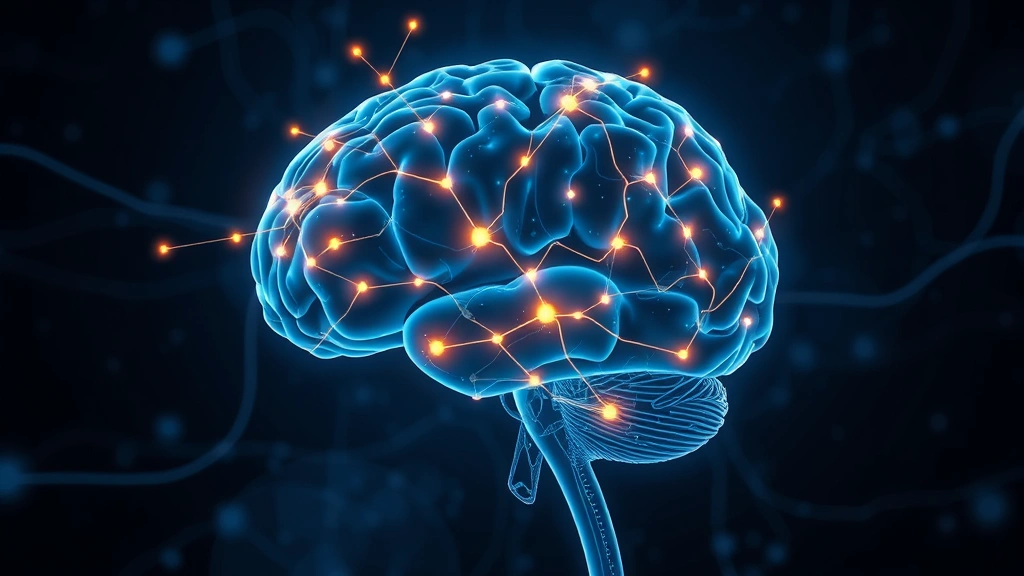
Your brain’s prefrontal cortex—the region responsible for executive function, decision-making, and sustained attention—is intimately connected to your emotional regulation centers. When you engage in focused work, you activate neural pathways that strengthen cognitive control while simultaneously calming your amygdala, the brain’s alarm system. Research from Frontiers in Psychology demonstrates that concentrated attention increases dopamine production, a neurotransmitter crucial for motivation, reward processing, and mood stability.
The act of focusing creates what neuroscientists call “flow state,” a condition where your brain achieves optimal functioning. During flow, your default mode network—the neural system associated with mind-wandering and self-critical thoughts—becomes quieter. This neurological shift explains why people often report feeling better emotionally after completing focused work sessions. You’re not just accomplishing tasks; you’re literally rewiring your brain for better mental health.
Dr. Daniel Siegel, a leading neuroscientist at UCLA, emphasizes that focus strengthens the connections between different brain regions. When you maintain attention on a single task, you’re building neural bridges between your prefrontal cortex and limbic system, enhancing your capacity for emotional regulation. This is why people with poor focus often struggle with mood stability—their brains lack the integrated neural networks necessary for emotional resilience.
Additionally, sustained focus triggers the release of endorphins and serotonin, natural mood elevators that combat depression and anxiety. The simple act of concentrating on meaningful work becomes a form of self-medication, accessible to anyone willing to develop this skill. Understanding this neurological foundation helps explain why mental health challenges sometimes require disability support when concentration capacity is severely compromised.

How Attention Deficit Impacts Psychological Well-being
The inability to focus creates a cascade of mental health challenges. When your attention is fragmented, your brain enters a state of chronic partial attention, a condition where you’re constantly switching between tasks without completing any. This state elevates cortisol levels, your body’s primary stress hormone, creating a feedback loop where stress impairs focus, which increases stress further.
People with attention difficulties often experience:
- Persistent anxiety from incomplete tasks and mounting obligations
- Low self-esteem stemming from perceived underperformance
- Depression related to lack of accomplishment and purpose
- Sleep disruption caused by racing thoughts and mental restlessness
- Relationship strain from difficulty being fully present with others
- Decision fatigue from constant cognitive switching
Research published in the National Center for Biotechnology Information shows that chronic attention problems are strongly correlated with depression and anxiety disorders. The psychological toll of struggling to concentrate often exceeds the impact of the actual tasks left undone. Your brain interprets inability to focus as a personal failure, triggering shame and self-criticism that compound mental health issues.
This connection becomes particularly relevant when considering whether you can use short-term disability for mental health conditions that severely impair concentration. When focus capacity drops below functional levels, it can constitute a legitimate disability claim, especially if concentration loss is tied to diagnosed mental health conditions like depression, anxiety, or ADHD.
The relationship is bidirectional: mental health challenges impair focus, and impaired focus worsens mental health. Breaking this cycle requires intentional intervention, whether through behavioral strategies, professional treatment, or workplace accommodations.
Focus as a Mental Health Intervention
Forward-thinking mental health professionals increasingly recognize focus cultivation as a therapeutic intervention. Unlike medications, which address chemical imbalances, focus-building strategies work by creating new behavioral patterns and neural pathways. This approach aligns with cognitive-behavioral therapy principles, where changing behavior leads to changes in thought patterns and emotional states.
Mindfulness and attention training form the foundation of many evidence-based mental health treatments. Mindfulness meditation, which trains sustained attention to present-moment experience, has demonstrated efficacy comparable to antidepressants for mild-to-moderate depression. The American Psychological Association recognizes mindfulness-based cognitive therapy as a first-line treatment for depression relapse prevention.
When you practice focusing your attention intentionally, you’re essentially training your brain to direct thoughts rather than being hijacked by them. This metacognitive skill—awareness of and control over your own thinking—is fundamental to mental health. People with strong focus capacity can redirect anxious thoughts, interrupt rumination cycles, and maintain perspective during emotional challenges.
The therapeutic mechanism works through several pathways:
- Sense of agency: Successfully directing your attention creates a feeling of control over your mental experience
- Purpose and meaning: Focused work on valued activities increases life satisfaction and resilience
- Achievement and competence: Completing focused work builds self-efficacy and counteracts depression
- Social connection: Improved focus enables more present, meaningful interactions
- Cognitive processing: Sustained attention allows proper emotional integration and meaning-making
Reading resources like best mental health books can provide additional frameworks for understanding this connection, though practical implementation matters most.
Practical Strategies for Improving Focus
If focus is indeed a mental health tool, how do you develop it? The following evidence-based strategies have demonstrated effectiveness for enhancing concentration while simultaneously improving psychological well-being:
Environmental optimization: Your physical environment directly influences your capacity for focus. Remove visual distractions, minimize noise, optimize lighting, and ensure ergonomic comfort. A well-designed workspace signals to your brain that focused work is expected, triggering neural patterns associated with concentration.
Chronotype alignment: Your natural circadian rhythm determines when your brain achieves peak focus capacity. Some people are morning-focused, others peak in afternoon or evening. Scheduling demanding cognitive work during your personal optimal window can dramatically improve both focus quality and mental state.
The Pomodoro Technique: Working in 25-minute focused intervals with 5-minute breaks leverages your brain’s natural attention span while preventing mental fatigue. This approach prevents the overwhelm that triggers anxiety and makes large projects manageable.
Single-tasking discipline: Multitasking is a myth. Your brain cannot genuinely process multiple complex tasks simultaneously. Committing to one task at a time reduces cognitive load, decreases stress hormones, and increases actual productivity—creating a positive feedback loop for mental health.
Dopamine regulation: Protect your dopamine system by limiting instant-gratification activities like social media and gaming. When your brain becomes accustomed to constant dopamine hits, focused work feels unrewarding. Periodic digital detoxes reset your reward system, making concentration feel naturally satisfying again.
Sleep optimization: Sleep is foundational to focus capacity. During sleep, your brain consolidates memories, clears metabolic waste, and prepares for optimal cognitive function. Poor sleep decimates focus and triggers mental health issues. Prioritize consistent sleep schedules and sleep hygiene as focus interventions.
Focus and Stress Reduction
One of the most underappreciated benefits of developing focus capacity is stress reduction. Paradoxically, concentrated work is more relaxing than constant distraction. When you’re fully engaged in a task, your brain’s threat-detection system quiets down, reducing baseline cortisol and allowing your nervous system to enter a more parasympathetic state.
Chronic partial attention—jumping between emails, messages, and tasks—keeps your nervous system in a low-grade fight-or-flight state. Your amygdala interprets constant task-switching as environmental threat, maintaining elevated stress hormones throughout the day. This explains why people often feel more exhausted after “busy” days of multitasking than after days of deep focus work, despite the latter being more cognitively demanding.
When you engage in focused work on meaningful tasks, you activate your parasympathetic nervous system—your body’s rest-and-digest mode. This state reduces heart rate variability, lowers blood pressure, and decreases inflammatory markers. Over time, regularly entering this state through focused work builds resilience and reduces baseline anxiety.
For individuals managing mental health conditions, focus capacity becomes particularly valuable. When anxiety or depressive thoughts arise, the ability to redirect attention to engaging work provides immediate relief. This isn’t avoidance—it’s active emotion regulation through intentional attention deployment.
When to Seek Professional Help
While focus improvement can significantly support mental health, it’s not a substitute for professional treatment when needed. If you’re experiencing severe depression, anxiety, or other mental health conditions, focus strategies should complement professional care, not replace it.
Consider seeking professional help if:
- Focus difficulties persist despite consistent effort to improve concentration
- Attention problems are accompanied by other mental health symptoms like persistent sadness, excessive worry, or behavioral changes
- Your focus impairment significantly impacts your ability to work, study, or maintain relationships
- You’re experiencing ADHD symptoms that interfere with daily functioning
- Focus difficulties are related to trauma or significant life stress
Mental health professionals can assess whether focus problems stem from attention disorders, mood disorders, anxiety, or other treatable conditions. They can also determine whether you might qualify for accommodations or support. If your focus capacity is severely compromised by mental health conditions, understanding whether short-term disability applies to your situation becomes important for accessing necessary support and recovery time.
Additionally, exploring books on mental health can provide educational support, though professional guidance remains essential for diagnosis and treatment.
FAQ
Does improving focus actually reduce anxiety?
Yes. Focus training reduces anxiety through multiple mechanisms: it activates your parasympathetic nervous system, increases dopamine and serotonin, and provides a sense of control and accomplishment. However, for clinical anxiety disorders, focus improvement should complement professional treatment, not replace it.
How long does it take to improve focus?
Most people notice modest improvements in focus within 1-2 weeks of consistent practice. Significant neurological changes—actual rewiring of neural pathways—typically require 6-12 weeks of sustained effort. The mental health benefits often appear even faster as you experience early wins from improved task completion.
Can focus improvement help with depression?
Absolutely. Depression involves rumination and withdrawal from valued activities. By developing focus capacity and engaging with meaningful work, you interrupt rumination cycles, increase dopamine, and rebuild a sense of competence and purpose. Focus-based interventions are particularly effective for mild-to-moderate depression.
What if I have ADHD?
ADHD involves neurological differences in attention regulation that make focus more challenging but not impossible. For ADHD, focus strategies often need to be more structured and environmental supports more robust. Professional assessment and potentially medication can help, alongside behavioral strategies. The connection between ADHD and mental health makes professional support particularly important.
Is focus the same as concentration?
While often used interchangeably, focus and concentration differ slightly. Concentration is the ability to maintain attention. Focus involves intentional direction of attention toward meaningful goals. True focus combines concentration with purpose, which is why it has stronger mental health benefits than concentration alone.
Can meditation improve mental health through focus?
Yes. Meditation develops focus capacity while simultaneously activating the parasympathetic nervous system and reducing activity in the default mode network—the brain system associated with rumination and self-criticism. This dual action makes meditation particularly powerful for mental health.


