Which Nations Excel in Carbon Performance? A Comprehensive Analysis
The global climate crisis demands urgent attention, and understanding which nations lead in carbon performance provides valuable insights into effective environmental strategies. Carbon performance—measured through emissions reduction, renewable energy adoption, and carbon efficiency metrics—reveals how different countries balance economic growth with climate responsibility. This analysis examines the top-performing nations, their methodologies, and what makes their approaches successful in the race toward sustainability.
As governments worldwide commit to net-zero targets and climate agreements, the disparity in carbon performance becomes increasingly apparent. Some nations have achieved remarkable reductions in greenhouse gas emissions while maintaining robust economies, while others struggle with the transition. By studying the leaders, we can identify best practices and understand the structural, political, and technological factors that enable exceptional carbon performance.
What Defines Carbon Performance
Carbon performance encompasses multiple metrics that evaluate how efficiently nations manage greenhouse gas emissions. The primary measurements include carbon intensity (emissions per unit of GDP), per capita emissions, and absolute emission reduction rates. These metrics provide different perspectives on environmental responsibility—while absolute reductions demonstrate commitment to climate goals, carbon intensity reveals economic efficiency in the transition.
Nations with strong carbon performance typically demonstrate several characteristics: investment in clean energy infrastructure, implementation of carbon pricing mechanisms, adoption of circular economy principles, and commitment to transparent reporting standards. Understanding these dimensions helps contextualize why certain countries excel while others lag behind in their climate efforts.
The systematic approach to building sustainable habits parallels how nations must develop consistent environmental practices. Just as individuals require structured strategies to achieve goals, countries need comprehensive frameworks to maintain carbon performance improvements over decades.
Leading Nations in Carbon Performance
Denmark stands as a global leader in carbon performance, with wind energy comprising over 80% of its electricity generation. The nation has reduced emissions by 31% since 1990 while growing its economy, demonstrating that environmental protection and economic prosperity need not conflict. Denmark’s success stems from decades of investment in wind infrastructure, robust carbon pricing policies, and strong political consensus on climate action.
Norway ranks among the world’s lowest per capita emitters, primarily due to its abundant hydroelectric resources providing nearly 100% renewable electricity. The country’s sovereign wealth fund divests from fossil fuels, and electric vehicles comprise over 90% of new car sales. Norway’s approach combines natural advantages with deliberate policy choices that prioritize environmental stewardship.
Costa Rica has achieved remarkable success in Central America, generating approximately 99% of its electricity from renewable sources in recent years. The nation’s commitment to biodiversity conservation, reforestation initiatives, and sustainable tourism demonstrates that developing nations can achieve exceptional carbon performance without sacrificing economic development or social welfare.
Sweden combines nuclear and hydroelectric power to maintain some of Europe’s lowest carbon emissions while supporting an advanced industrial economy. The Swedish model emphasizes long-term planning, substantial carbon taxes, and investment in district heating systems that maximize energy efficiency across urban centers. This integrated approach provides lessons for other developed nations seeking to decarbonize while maintaining living standards.
Iceland leverages geothermal and hydroelectric resources to achieve near-zero carbon electricity generation. The nation’s commitment to renewable energy extends beyond electricity to heating systems and transportation infrastructure, creating a comprehensive low-carbon ecosystem.
Understanding sustainable transformation strategies helps explain how nations maintain momentum in carbon reduction efforts. Successful countries establish feedback mechanisms that reinforce positive environmental behaviors at systemic levels.
Renewable Energy Strategies
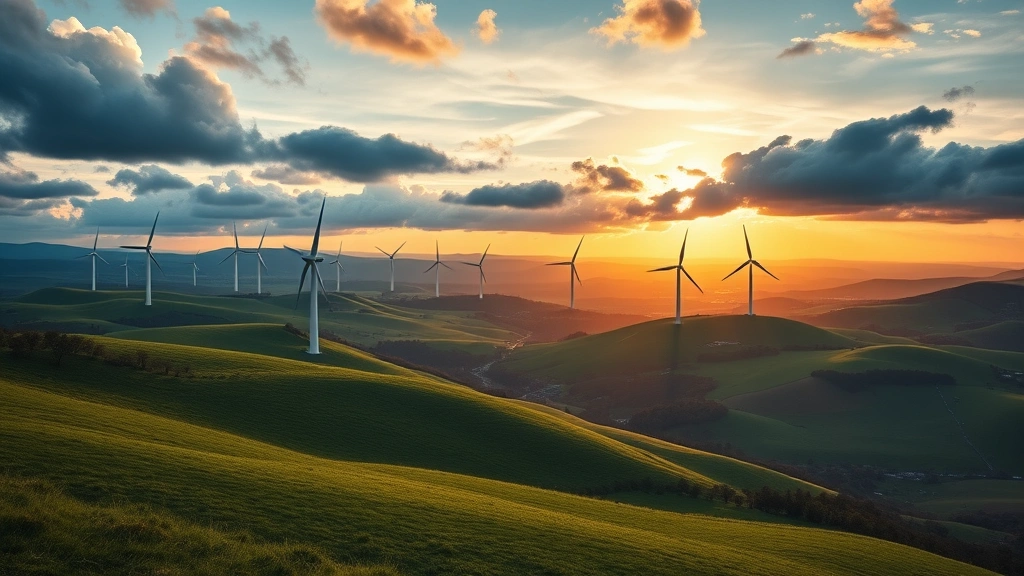
The transition to renewable energy forms the foundation of carbon performance excellence. Leading nations employ diverse renewable portfolios tailored to their geographic and climatic conditions. Wind energy dominates in northern Europe, where consistent wind patterns support large-scale installations. Denmark and Germany have developed world-class wind industries that export technology globally.
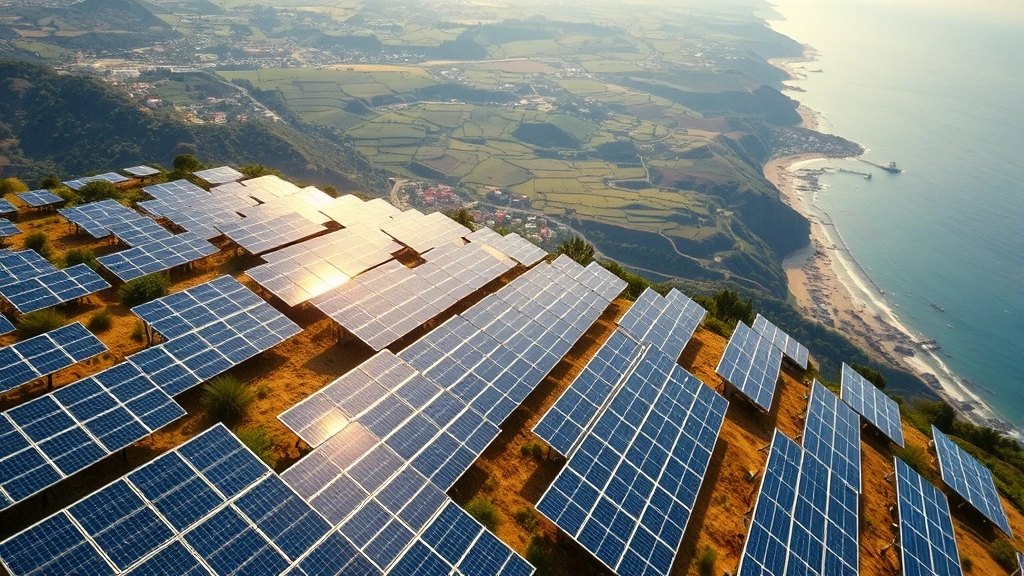
Solar energy deployment accelerates in southern nations with abundant sunlight. Portugal, Spain, and Greece have achieved significant solar penetration, complementing hydroelectric resources inherited from previous generations. Integration of distributed solar systems alongside utility-scale installations creates resilient, decentralized energy networks.
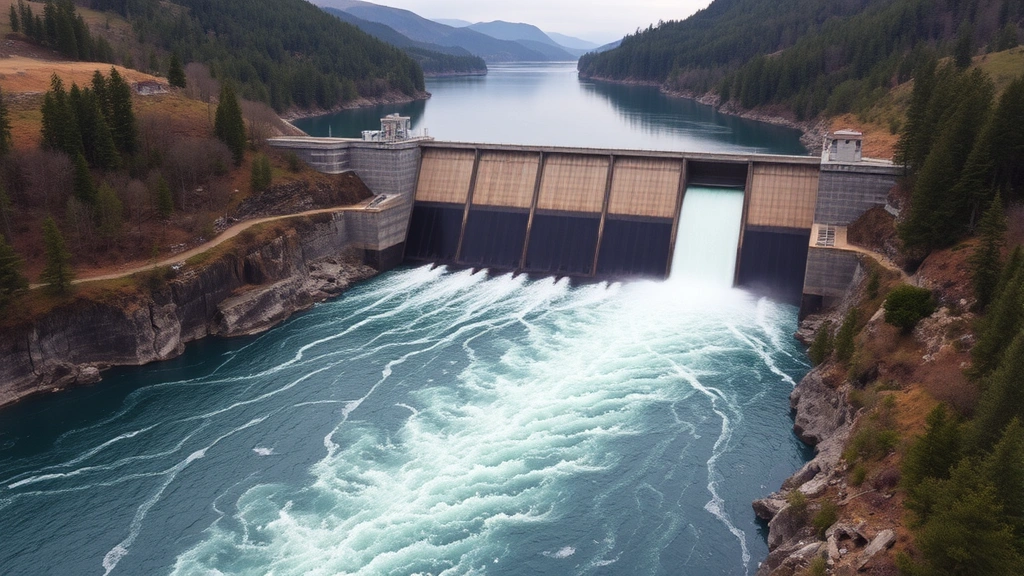
Hydroelectric power remains crucial for nations with suitable geography. Norway, Canada, and Brazil leverage water resources to provide stable, renewable electricity. However, environmental considerations regarding ecosystem impacts have prompted more careful assessment of large dam projects, with emphasis shifting toward run-of-river systems that minimize ecological disruption.
Biomass and geothermal energy play supporting roles in comprehensive renewable portfolios. Estonia utilizes biomass sustainably through forest management practices, while Iceland and New Zealand capitalize on geothermal resources. These diverse approaches demonstrate that optimal energy strategies vary by regional context.
Energy storage technologies increasingly enable higher renewable penetration by addressing intermittency challenges. Battery storage, pumped hydroelectricity, and thermal storage systems allow nations to maintain grid stability while maximizing renewable energy utilization. Investment in grid modernization and smart distribution systems amplifies the effectiveness of renewable infrastructure.
Policy and Governance Frameworks
Government policies fundamentally shape carbon performance outcomes. Carbon pricing mechanisms—whether through taxes or cap-and-trade systems—create economic incentives for emissions reduction. The EU Emissions Trading System established a precedent for market-based climate policy, demonstrating how carbon pricing can drive industrial decarbonization while maintaining economic competitiveness.
Building resilience and sustained commitment parallels the governance challenge of maintaining climate policies through political cycles. Nations that institutionalize climate action through legislation, independent oversight bodies, and long-term targets achieve superior performance compared to those relying on executive discretion alone.
Regulatory standards for building efficiency, vehicle emissions, and industrial processes create structural incentives for decarbonization. Sweden’s building codes require exceptional energy efficiency, reducing heating demand substantially. Germany’s renewable energy standards guarantee market access and attractive pricing for clean electricity, spurring massive investment in wind and solar capacity.
Transparency and reporting requirements hold governments accountable for climate commitments. Nations participating in international reporting frameworks like the Paris Agreement create public accountability that strengthens political will for sustained action. Third-party verification and independent assessment mechanisms enhance credibility of climate performance claims.
Education and workforce development policies support just transitions for workers in carbon-intensive industries. Denmark’s approach to wind energy manufacturing created new employment opportunities while phasing out coal dependency. Supporting affected communities through retraining programs, economic diversification initiatives, and social safety nets reduces political resistance to carbon reduction policies.
International cooperation through technology transfer, climate finance, and collaborative research accelerates global carbon performance improvements. Developed nations sharing renewable technology expertise and manufacturing capabilities with emerging economies amplifies the global impact of clean energy transitions.
Economic Implications
Contrary to assumptions that carbon reduction imposes economic costs, leading nations demonstrate that environmental protection and prosperity coexist. Denmark, Sweden, and Costa Rica maintain high living standards, robust employment, and competitive industries while achieving exceptional carbon performance. This reality challenges narratives suggesting climate action requires economic sacrifice.
Renewable energy industries create substantial employment opportunities. Germany’s renewable sector employs more workers than fossil fuel industries, demonstrating the job creation potential of clean energy transitions. Manufacturing, installation, maintenance, and grid modernization roles provide diverse career pathways across skill levels and regions.
Energy independence provides economic security by reducing reliance on imported fossil fuels. Nations investing in domestic renewable resources insulate themselves from volatile global energy markets and geopolitical pressures. Denmark’s wind industry, for instance, reduces energy import dependence while generating export revenue from technology and expertise.
Innovation in clean technology creates competitive advantages in emerging global markets. Norway’s expertise in electric vehicle manufacturing, Denmark’s wind industry, and Costa Rica’s sustainable tourism sector demonstrate how carbon performance leadership translates into economic opportunities. Companies and nations positioning themselves as clean technology leaders capture growing market share in the global sustainability transition.
Developing transformative approaches to systemic change enables nations to reimagine economic models around sustainability principles. Circular economy frameworks, where waste becomes input for new production cycles, create efficiency gains that reduce both environmental impact and resource costs.
Health benefits from reduced air pollution provide substantial economic advantages often underestimated in cost-benefit analyses. Fewer respiratory diseases, cardiovascular conditions, and premature deaths reduce healthcare expenditures while improving workforce productivity and quality of life. These co-benefits of carbon reduction frequently exceed the costs of transition investments.
Climate-related financial risks increasingly influence investment decisions and insurance premiums. Nations achieving strong carbon performance reduce exposure to climate change impacts—extreme weather, crop failures, infrastructure damage—that impose escalating economic costs. Insurance companies and investors recognize that climate resilience and low-carbon development represent sound economic strategy rather than altruistic choices.
Explore more about achieving sustained performance excellence to understand how nations, like individuals, build momentum toward ambitious goals through consistent effort and strategic planning.
FAQ
Which country has the lowest carbon emissions per capita?
Several nations compete for this distinction depending on measurement methodology. Iceland, Norway, and Costa Rica consistently rank among the lowest due to renewable energy dominance. Iceland’s per capita emissions hover around 5-6 tons annually, while Norway and Costa Rica achieve similarly low figures. These nations benefit from geographic advantages (abundant hydroelectric and geothermal resources) combined with deliberate policy choices prioritizing clean energy.
How do carbon performance metrics differ from climate goals?
Carbon performance measures current emissions levels and reduction rates, while climate goals establish future targets. A nation might achieve strong carbon performance today but fail to meet long-term net-zero commitments. Conversely, nations with high current emissions might implement aggressive policies positioning them to meet future targets. Comprehensive assessment requires evaluating both current performance and trajectory toward established climate objectives.
Can developing nations achieve carbon performance similar to wealthy countries?
Costa Rica demonstrates that developing nations can achieve exceptional carbon performance through strategic renewable energy investment. However, challenges include limited financial resources, infrastructure constraints, and energy demands from growing populations. International climate finance, technology transfer, and capacity building support developing nations in achieving carbon performance improvements. Leapfrogging fossil fuel infrastructure entirely—building renewable systems from the start rather than replacing existing coal plants—offers developing nations advantages that wealthy nations cannot replicate.
What role does nuclear energy play in carbon performance?
Nuclear power provides reliable, low-carbon electricity, supporting carbon performance in nations like France, Sweden, and Belgium. Nuclear plants generate electricity without greenhouse gas emissions during operation, though mining, construction, and waste management impose environmental costs. Public acceptance varies globally due to safety concerns and waste disposal challenges. Most energy experts view nuclear as complementary to renewables rather than a replacement, particularly for nations lacking sufficient renewable resources.
How do carbon offsets affect national carbon performance metrics?
Carbon offsets allow nations to claim emissions reductions through investments in projects elsewhere—reforestation, methane capture, renewable energy in other countries. While offsets provide value, relying excessively on them obscures the need for direct domestic emissions reductions. Leading nations in carbon performance achieve strong metrics through actual emissions decreases rather than offset purchases. International standards increasingly distinguish between domestic reductions and offset-based claims, encouraging genuine decarbonization.
What emerging technologies could improve global carbon performance?
Green hydrogen production through electrolysis offers potential for decarbonizing heavy industry and transportation. Advanced battery technologies increase renewable energy storage capacity. Direct air capture and carbon utilization technologies could address residual emissions difficult to eliminate through other means. Fusion energy research continues advancing toward commercial viability. However, these emerging technologies complement rather than replace immediate investments in proven renewable solutions, energy efficiency, and behavior change.
For deeper understanding of sustained excellence and transformative change, explore research from the Nature Climate Change journal on national decarbonization pathways, insights from the International Energy Agency on global energy transitions, analysis from the World Resources Institute on climate policy effectiveness, and research from Carbon Brief tracking global emissions trends.


