
Cartoon for Mental Health? Expert Insights on Animation’s Therapeutic Power
Cartoons have long been dismissed as mere entertainment, yet emerging research reveals a compelling connection between animated storytelling and mental wellness. From anxiety reduction to emotional processing, animated narratives offer unique therapeutic benefits that mental health professionals are increasingly recognizing. This comprehensive exploration examines how cartoons serve as powerful tools for psychological well-being, backed by scientific evidence and expert perspectives.
The intersection of animation and mental health represents a fascinating frontier in therapeutic interventions. Unlike traditional talk therapy or clinical approaches, cartoons engage viewers through visual storytelling, metaphor, and relatable characters that normalize psychological experiences. Whether you’re exploring mental health resources or seeking alternative wellness approaches, understanding cartoon’s therapeutic potential opens new pathways to emotional healing.
Why Cartoons Impact Mental Health Positively
Cartoons possess inherent qualities that make them exceptionally effective for mental health support. The animated medium combines visual storytelling, character development, and narrative arcs that resonate deeply with viewers across age groups. Unlike live-action media, animation allows creators to exaggerate emotions, visualize abstract psychological concepts, and present difficult topics in accessible ways.
The therapeutic power of cartoons stems from several interconnected factors. Emotional identification occurs when viewers recognize themselves in animated characters navigating similar challenges. A cartoon character struggling with anxiety or depression provides validation—the message that these experiences are real, relatable, and survivable. This normalization reduces shame and isolation, core components of mental health improvement.
Furthermore, cartoons employ metaphorical storytelling that helps viewers process complex emotions. Rather than clinical explanations, animation visualizes internal states. A character’s sadness might manifest as a gray filter over their world, or anxiety as swirling, chaotic backgrounds. These visual metaphors create understanding without requiring explicit psychological terminology, making mental health concepts accessible to children and adults alike.
The cartoon mental health movement has gained momentum as creators intentionally design content addressing psychological wellness. Shows featuring characters with mental health conditions, diverse family structures, and emotional vulnerability have demonstrated measurable positive impacts on viewer well-being.
Neuroscience Behind Animation and Emotional Processing
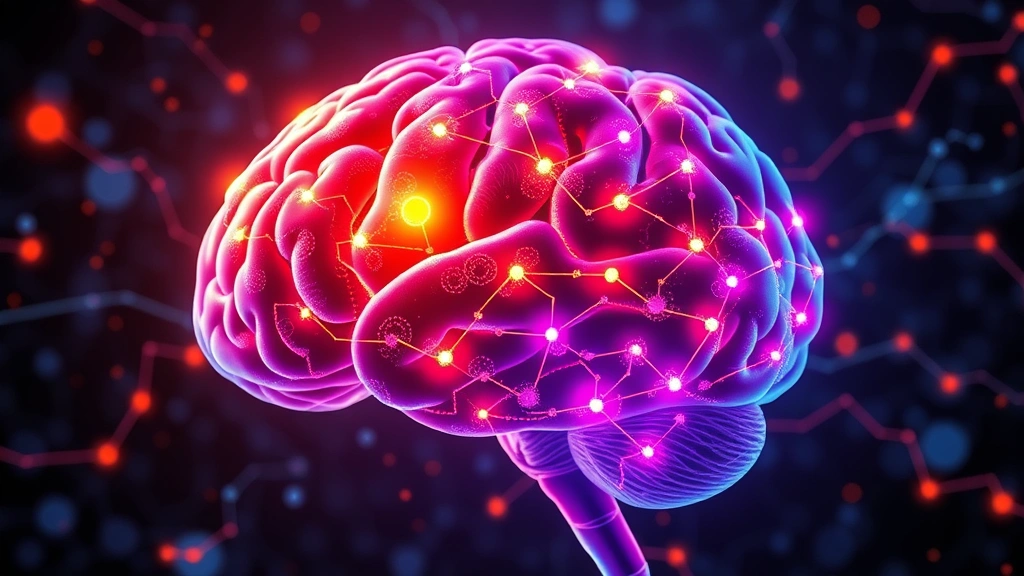
Neuroscientific research illuminates why animations engage our brains differently than other media forms. The animated format activates multiple neural pathways simultaneously—visual processing, emotional recognition, narrative comprehension, and memory consolidation all activate together, creating robust neural encoding of therapeutic messages.
When viewing animation, the brain’s mirror neuron system activates as viewers observe animated characters’ emotions and behaviors. This neural mechanism allows us to internally simulate the character’s experience, fostering empathy and emotional understanding. Research published in Nature Neuroscience demonstrates that observing emotional expressions—whether animated or live-action—triggers corresponding neural activation in viewers’ own emotional processing centers.
The visual cortex engagement in animation differs from live-action media. Animated characters’ exaggerated facial expressions and movements emphasize emotional content, making subtle emotional shifts more visible and impactful. This heightened clarity helps viewers, particularly those with autism spectrum conditions or emotional recognition difficulties, better understand and process emotional information.
Additionally, animation’s stylistic choices affect cognitive load and stress responses. The American Psychological Association notes that visually simplified environments—characteristic of many cartoon styles—reduce cognitive overwhelm. For individuals experiencing anxiety or depression, this reduced sensory complexity allows better focus on emotional content without triggering overstimulation.
The narrative structure in cartoons engages the brain’s storytelling networks. Humans are neurologically wired for narrative comprehension; our brains automatically create meaning from sequential events. Well-constructed cartoon narratives activate the temporal lobe, creating lasting memories and emotional learning that persist long after viewing concludes.
Cartoon Genres Supporting Mental Wellness
Different cartoon genres serve distinct mental health functions. Understanding these categories helps viewers and therapists select appropriate content for specific therapeutic goals.
Character-driven comedies focusing on mental health themes provide both entertainment and validation. Shows that humorously address depression, anxiety, or relationship challenges allow viewers to laugh at shared experiences while processing difficult emotions. Laughter itself activates the parasympathetic nervous system, promoting relaxation and stress reduction.
Adventure narratives with emotional depth offer viewers heroes who overcome internal obstacles alongside external challenges. These stories model resilience, problem-solving, and emotional growth. Watching characters persist through difficulty, fail, learn, and eventually succeed provides templates for real-world challenge navigation.
Slice-of-life cartoons depicting ordinary moments and relationships normalize everyday experiences. Shows exploring friendship dynamics, family communication, and social challenges help viewers understand that common struggles are universal. This normalization reduces feelings of isolation and shame.
Educational animation explicitly teaching emotional regulation, mindfulness, or social skills serves preventive mental health functions. These cartoons directly transmit coping strategies and psychological concepts, making them valuable for school settings and therapeutic interventions.
Fantasy and magical realism cartoons visualize internal psychological states through external metaphors. A character’s emotional journey might parallel a physical quest, making abstract psychological processes concrete and understandable. These formats excel at helping viewers process trauma, grief, or identity questions.
Exploring additional mental health resources alongside cartoon consumption creates comprehensive wellness approaches.
Expert Recommendations for Mental Health Animation
Mental health professionals increasingly incorporate cartoons into therapeutic practice. Clinical psychologists recognize animation’s unique capacity to engage resistant clients, particularly adolescents and children who may resist traditional talk therapy.
Dr. Harriet Lerner, renowned psychologist specializing in emotion and relationships, acknowledges animation’s value in normalizing difficult conversations. Cartoon characters modeling vulnerability, apology, and emotional honesty provide behavioral templates that therapy clients can reference and internalize.
The American Psychological Association’s Psychology Today has published extensive research on animation’s therapeutic applications, particularly for trauma processing and anxiety reduction in pediatric populations.
Therapist-recommended practices include:
- Selecting age-appropriate content addressing viewer’s specific challenges
- Watching together when possible, pausing for discussion and emotional processing
- Connecting cartoon narratives to viewer’s personal experiences
- Using character behavior as discussion prompts for difficult topics
- Allowing multiple viewings, as repeated exposure deepens emotional processing
Mental health professionals emphasize intentional consumption over passive viewing. The therapeutic benefits emerge when viewers actively engage with content, reflect on character experiences, and connect narratives to their own lives. This active processing transforms entertainment into genuine psychological work.
Many therapists recommend cartoons as adjunctive interventions—complementary tools working alongside therapy, medication, or other treatments. Animation alone doesn’t replace professional mental health care, but it significantly enhances overall wellness strategies.

Practical Applications in Therapy Settings
Forward-thinking mental health clinics now integrate cartoon viewing into structured therapeutic protocols. These applications demonstrate concrete mental health improvements measurable through standard psychological assessments.
Anxiety treatment programs utilize cartoons depicting anxiety management strategies. Clients watching animated characters successfully employ grounding techniques, breathing exercises, or cognitive restructuring can model these behaviors in their own lives. The concrete visualization of abstract coping strategies makes learning more accessible and memorable.
Depression intervention cartoons address hopelessness and isolation through narratives of connection and meaning-making. Characters experiencing depression who gradually reconnect with relationships, discover purpose, or experience small moments of joy provide hope and realistic recovery models. These narratives counter depression’s lie that improvement is impossible.
Trauma-informed animation helps clients process difficult experiences in metaphorical, less threatening ways. Rather than directly reliving trauma through exposure therapy, clients can observe animated characters navigating similar experiences, gradually building tolerance and developing processing frameworks.
Social skills development cartoons provide explicit modeling of communication, friendship navigation, and conflict resolution. Children and adolescents with social anxiety or autism spectrum conditions benefit from watching characters demonstrate appropriate social interactions and emotional responses.
Family therapy applications involve watching cartoons together as a family, then discussing characters’ communication patterns and relationship dynamics. This indirect approach often feels safer than directly examining family conflict, allowing more open dialogue.
When combined with habit-building frameworks, cartoon-based interventions create sustainable mental health improvements through consistent positive reinforcement.
Building Healthy Viewing Habits
While cartoons offer significant mental health benefits, responsible consumption patterns maximize advantages while minimizing potential drawbacks. Mental health professionals emphasize intentional viewing as essential to therapeutic benefit.
Content selection matters enormously. Not all cartoons provide mental health benefits; some may reinforce negative patterns or trigger distress. Viewers should seek content created with psychological awareness, preferably reviewed by mental health professionals or organizations focused on mental wellness content.
Balanced media consumption prevents over-reliance on cartoons as sole mental health intervention. Cartoons complement but don’t replace therapy, medication, social connection, physical activity, and other evidence-based wellness practices. Healthy viewers maintain diverse coping strategies and support systems.
Active engagement transforms passive viewing into therapeutic work. Viewers should:
- Watch with full attention, minimizing distractions
- Pause to reflect on character motivations and emotional responses
- Journal about personal reactions and connections to character experiences
- Discuss content with trusted friends, family, or therapists
- Notice specific moments that resonate emotionally
Timing and context significantly impact cartoon effectiveness. Watching when well-rested, emotionally regulated, and in safe environments optimizes benefit. Viewing during crisis moments or acute distress may overwhelm rather than support. Therapists help clients identify optimal viewing conditions.
Avoiding escapism remains important. While cartoons can temporarily soothe, using them solely to avoid difficult emotions or situations prevents genuine healing. Healthy viewers use cartoons as one component within comprehensive mental health approaches.
Screen time boundaries protect overall wellness. Excessive viewing, while initially comforting, can contribute to social isolation, sleep disruption, or physical health decline. Mental health experts recommend moderate, intentional consumption rather than binge-watching patterns.
FAQ
Can cartoons replace professional mental health treatment?
No. Cartoons serve as valuable adjunctive tools but cannot replace therapy, psychiatric medication, or crisis intervention when needed. They work best alongside professional care, not as substitutes. If experiencing severe mental health symptoms, contact qualified mental health professionals immediately.
What age groups benefit most from mental health cartoons?
All ages benefit, though content must match developmental stages. Young children benefit from simple emotional vocabulary and character modeling. Adolescents and adults appreciate more complex narratives addressing sophisticated psychological themes. Parents and therapists should match content to viewer maturity and specific needs.
How do I find cartoons specifically designed for mental health?
Many platforms now curate mental health-focused content. Mental health organizations, therapist recommendations, and content review sites specializing in psychological wellness provide vetted suggestions. Look for shows explicitly addressing mental health themes or created in consultation with mental health professionals.
Can cartoons trigger negative responses?
Yes, potentially. Content depicting suicide, self-harm, or trauma without appropriate contextualization may trigger vulnerable viewers. Always preview content, check content warnings, and consider individual sensitivities. Discuss potentially difficult themes with trusted adults before viewing.
How much cartoon viewing supports mental health versus causing harm?
Quality matters more than quantity. Thirty minutes of intentional, engaging viewing may provide more benefit than hours of passive consumption. Mental health professionals generally recommend moderate viewing as part of balanced lifestyle including social connection, physical activity, sleep, and other evidence-based wellness practices.
Do different cartoon styles affect mental health benefits?
Yes. Simplified, visually calm animation styles reduce cognitive load, benefiting anxious viewers. More detailed animation may engage different viewers. Character design, color palettes, pacing, and narrative structure all influence psychological impact. Viewers should experiment to discover personally resonant styles.


