Can Cats Have Mental Health Issues? Vet Insights & Expert Guidance
Cat owners often wonder if their feline companions experience emotional struggles similar to humans. The answer is a resounding yes—cats absolutely can develop mental health issues that significantly impact their quality of life. Just as humans benefit from understanding mental health education and resources, cat owners need to recognize and address psychological problems in their pets. Veterinary behaviorists and feline specialists now acknowledge that conditions like anxiety, depression, and behavioral disorders are genuine concerns requiring professional intervention.
Your cat’s mental wellbeing directly influences their physical health, eating habits, social behavior, and overall happiness. Recognizing the signs early and seeking appropriate care can prevent serious complications and restore your pet’s emotional balance. This comprehensive guide explores the science behind feline mental health, common disorders, and evidence-based solutions supported by veterinary research.
Understanding Feline Psychology & Emotional Capacity
Cats possess complex emotional lives that researchers have only recently begun to fully understand. Unlike the popular misconception that cats are aloof and emotionless, scientific evidence demonstrates that felines experience a rich spectrum of emotions including joy, fear, frustration, and affection. Their brains contain similar neurochemical systems to humans, including dopamine, serotonin, and cortisol pathways that regulate mood and stress responses.
According to research published by the American Behaviorist Society, cats develop individual personalities and emotional preferences that shape how they interact with their environment and humans. They form genuine attachments to their owners and experience genuine distress when separated or when their routine changes dramatically. This emotional capacity makes them vulnerable to psychological disorders when exposed to chronic stress, trauma, or inadequate environmental conditions.
The anterior cingulate cortex in cats’ brains—responsible for emotional processing—shows activation patterns similar to humans when they experience stress or fear. This neurobiological similarity explains why cats respond to therapeutic interventions and environmental modifications in predictable ways. Understanding that your cat isn’t simply being difficult but may genuinely be struggling emotionally is the first step toward compassionate, effective care.
Common Mental Health Conditions in Cats
Veterinary behaviorists recognize several distinct mental health disorders in cats, each with specific symptoms and treatment protocols. These conditions range from mild anxiety to severe behavioral dysfunction that affects the cat’s ability to function normally. Identifying which condition your cat experiences is essential for implementing appropriate interventions and preventing escalation.
The most prevalent feline mental health issues include generalized anxiety disorder, social anxiety, phobias, depression, obsessive-compulsive behaviors, and aggression disorders. Some cats develop multiple conditions simultaneously, creating complex behavioral presentations that require comprehensive veterinary evaluation. Additionally, medical conditions can mimic or exacerbate mental health problems, making professional diagnosis crucial before assuming a purely psychological origin.
Environmental factors, genetic predisposition, early socialization experiences, and traumatic events all contribute to whether a cat develops mental health issues. Indoor cats, cats with limited environmental enrichment, and those experiencing significant routine disruptions show higher rates of psychological disorders. Understanding these risk factors helps owners implement preventive strategies and recognize early warning signs.
Anxiety Disorders & Stress Responses
Feline anxiety manifests differently than human anxiety but causes equally significant distress. Cats with anxiety disorders exhibit excessive vocalization, destructive behavior, inappropriate elimination, hiding for extended periods, and heightened startle responses. Some anxious cats become hypervigilant, constantly monitoring their environment for perceived threats and remaining unable to relax even in safe settings.
Separation anxiety represents one of the most common anxiety presentations in domestic cats. Contrary to popular belief, many cats form strong bonds with their owners and experience genuine distress during prolonged separation. Cats with separation anxiety may engage in destructive behavior, eliminate outside the litter box, or vocalize excessively when their owners prepare to leave. This condition typically worsens without intervention and can lead to secondary behavioral problems.
Generalized anxiety disorder in cats creates a baseline state of worry and hyperarousal. These cats struggle to settle, startle easily at minor sounds, and maintain elevated stress hormone levels throughout the day. Over time, chronic anxiety depletes their immune system, reduces eating and drinking, and contributes to serious health complications. Early intervention using behavioral modification strategies similar to habit-breaking techniques can help reset their nervous system responses.
Environmental triggers frequently precipitate or intensify feline anxiety. Moving to a new home, introduction of new pets or family members, changes in routine, loud noises, and even rearrangement of furniture can trigger significant anxiety responses. Cats with limited early socialization show heightened anxiety in response to novelty and environmental changes. Recognizing these triggers allows owners to implement preventive measures and reduce anxiety activation.
Depression & Behavioral Changes in Cats
Feline depression, though less commonly diagnosed than anxiety, represents a serious mental health condition affecting many cats. Depressed cats show withdrawal from normal activities, loss of interest in play or interaction, decreased appetite, excessive sleeping, and diminished grooming. Unlike humans who can verbally express depressive symptoms, cats communicate their emotional state through behavioral changes that owners must learn to recognize.
The neurobiological mechanisms underlying feline depression involve dysregulation of serotonin and dopamine systems, similar to human clinical depression. Chronic stress, loss of a bonded companion, painful medical conditions, and lack of environmental stimulation all contribute to depressive states. Some cats develop depression following traumatic events or during extended periods of social isolation.
Distinguishing feline depression from medical illness requires comprehensive veterinary evaluation. Conditions like hyperthyroidism, chronic pain, kidney disease, and dental disease can produce behavioral changes mimicking depression. A thorough physical examination, bloodwork, and behavioral assessment help veterinarians differentiate between medical and psychological causes, ensuring appropriate treatment.
Recognition & Symptoms to Watch For
Early recognition of mental health issues dramatically improves treatment outcomes and prevents behavioral escalation. Cat owners should monitor for specific behavioral changes that deviate from their pet’s normal patterns. While individual cats display personality variations, significant shifts warrant veterinary attention and behavioral assessment.
Key warning signs include:
- Litter box issues: Inappropriate elimination represents one of the most common indicators of feline mental health problems. Cats may urinate or defecate outside the box due to anxiety, marking behavior, or depression-related apathy toward normal routines.
- Excessive vocalization: Abnormal meowing, yowling, or crying—especially during specific times or situations—suggests anxiety, pain, or cognitive dysfunction.
- Destructive behavior: Scratching furniture excessively, knocking objects off surfaces, or damaging household items may indicate stress, anxiety, or frustration.
- Social withdrawal: Cats hiding constantly, avoiding human interaction, or refusing to engage with family members show signs of anxiety or depression.
- Changes in grooming: Excessive grooming (leading to hair loss) or neglected grooming indicate emotional distress or medical issues requiring investigation.
- Appetite changes: Decreased eating, increased eating, or food pickiness often accompany mental health problems and warrant veterinary evaluation.
- Sleep pattern alterations: Excessive sleeping, nighttime activity, or inability to settle suggest anxiety or other psychological issues.
- Aggression: Increased irritability, swatting, biting, or aggressive responses to normal handling indicate behavioral problems or pain.
Veterinary Treatment Approaches
Professional veterinary care forms the foundation of effective feline mental health treatment. Veterinarians specializing in behavioral medicine can conduct comprehensive assessments, rule out medical causes, and develop individualized treatment plans. Treatment typically involves a multimodal approach combining medical intervention, behavioral modification, and environmental changes.
Pharmaceutical interventions include selective serotonin reuptake inhibitors (SSRIs) like fluoxetine, which increase serotonin availability in the brain and reduce anxiety and depression symptoms. These medications require 4-6 weeks to demonstrate full effectiveness and must be combined with behavioral interventions for optimal results. Veterinarians monitor cats on psychiatric medications through regular check-ins and bloodwork to ensure safety and efficacy.
Anxiolytic medications provide short-term relief during particularly stressful situations. Trazodone or alprazolam may help cats manage specific triggers like veterinary visits or environmental disruptions. However, these should complement rather than replace long-term behavioral strategies and environmental modifications.
Nutraceutical supplements containing L-theanine, tryptophan, and B vitamins support neurochemical balance and may reduce anxiety symptoms, though they work best alongside other interventions. Pheromone products like Feliway mimic natural calming compounds cats produce, reducing stress responses in anxious individuals.
The Cornell Feline Health Center emphasizes that medication alone rarely resolves behavioral issues without concurrent environmental and behavioral modifications. Comprehensive treatment addresses underlying causes, not merely symptoms.
Environmental Enrichment Solutions
Environmental enrichment represents one of the most powerful tools for preventing and treating feline mental health issues. Cats evolved as hunters requiring mental stimulation, physical activity, and environmental complexity. Modern indoor cats often lack these essential enrichment elements, leading to boredom, frustration, and psychological distress.
Effective enrichment strategies include:
- Interactive play: Daily play sessions using wand toys, laser pointers, or ball toys provide physical exercise and mental stimulation. Aim for 15-30 minutes of active play distributed throughout the day to mimic natural hunting patterns.
- Vertical spaces: Cat trees, wall-mounted shelves, and window perches allow cats to observe their environment from secure vantage points, reducing anxiety and providing mental engagement.
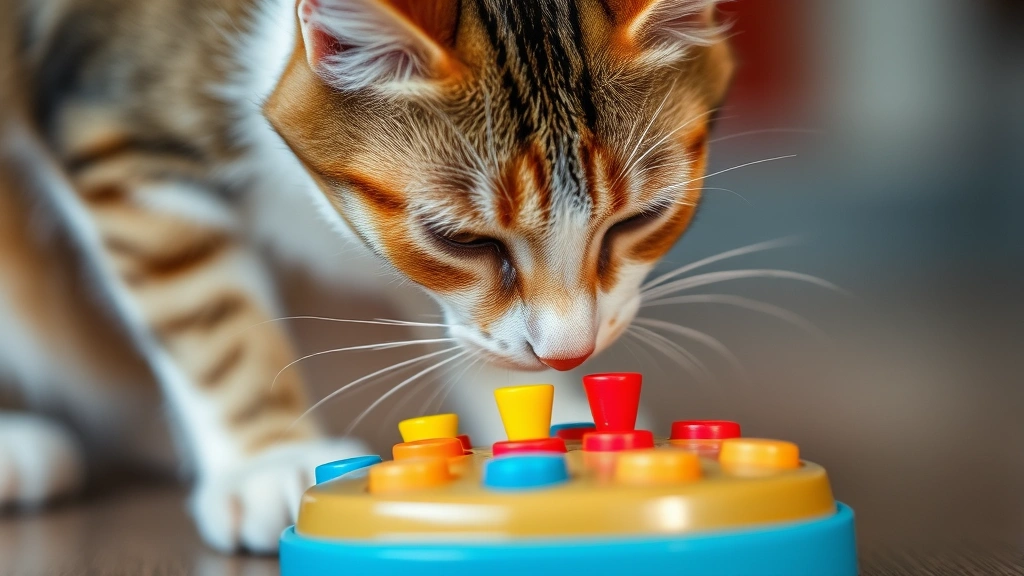
- Puzzle feeders: Feeding cats from puzzle toys or slow feeders transforms routine eating into cognitive challenges, satisfying natural problem-solving drives.
- Window access: Safe window perches with bird feeders outside provide visual stimulation and entertainment without requiring owner interaction.
- Rotating toys: Regularly introducing new toys and rotating out old ones maintains novelty and interest, preventing habituation and boredom.
- Scratching posts: Multiple scratching surfaces in various locations satisfy scratching instincts, reduce stress, and provide physical exercise.
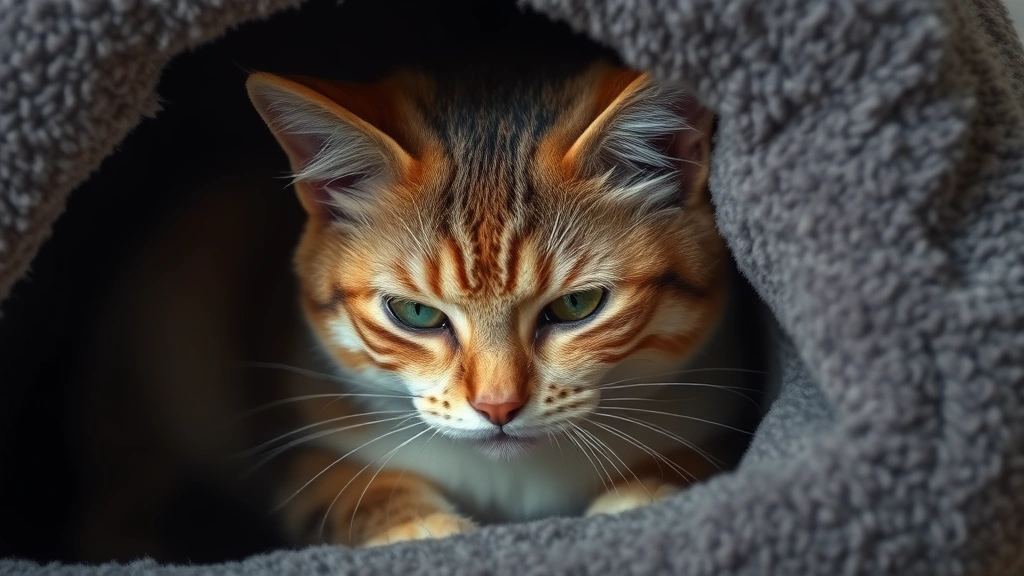
- Hiding spots: Secure enclosed spaces like cat caves or boxes provide refuge during stressful situations and reduce anxiety in anxious cats.
Research from the International Cat Care organization demonstrates that enriched environments significantly reduce behavioral problems and improve overall wellbeing. Cats with adequate environmental stimulation show lower stress hormones, better immune function, and fewer behavioral issues.
Behavioral Therapy & Modification Techniques
Behavioral therapy teaches cats new responses to anxiety triggers and helps them develop healthier coping mechanisms. Similar to how humans benefit from habit formation and behavioral change strategies, cats respond well to structured behavioral interventions when implemented consistently.
Desensitization and counterconditioning represent core behavioral therapy techniques. Desensitization involves gradually exposing anxious cats to feared stimuli at intensities they can tolerate, slowly increasing exposure as anxiety decreases. Counterconditioning pairs the feared stimulus with positive experiences like treats or play, creating new associations that replace fear responses.
For example, a cat fearful of the veterinary clinic might begin by simply sitting near the cat carrier without the door closing, progressing to sitting inside with the door open, then brief car rides, and eventually veterinary visits. This gradual approach prevents overwhelming the cat and allows their nervous system to adjust to previously frightening situations.
Positive reinforcement strengthens desired behaviors while avoiding punishment that increases anxiety and damages the human-animal bond. Rewarding calm behavior, appropriate elimination, and social interaction creates positive associations and encourages repetition. Punishment-based methods intensify anxiety and often worsen behavioral problems.
Establishing consistent routines and predictable schedules significantly reduces anxiety in cats who thrive on predictability. Feeding times, play sessions, and interactive periods should occur at consistent times, creating a rhythm cats can anticipate and plan around. This predictability reduces baseline anxiety and helps cats feel more secure in their environment.
Professional feline behaviorists can develop customized behavior modification plans addressing specific issues. These experts conduct detailed behavioral assessments, identify environmental factors contributing to problems, and teach owners implementation techniques. Consulting a certified animal behavior consultant provides access to evidence-based interventions tailored to individual cats.
FAQ
What are the most common cat mental health issues?
The most prevalent feline mental health conditions include anxiety disorders (generalized anxiety, social anxiety, separation anxiety), depression, obsessive-compulsive behaviors, and aggression disorders. Anxiety-related conditions represent the most frequently diagnosed mental health issues in domestic cats, often triggered by environmental changes, inadequate enrichment, or traumatic experiences.
Can cat mental health problems be cured permanently?
Many feline mental health issues can be effectively managed with appropriate treatment, though complete resolution depends on the specific condition, underlying causes, and consistency of intervention. Some cats respond excellently to behavioral modification and environmental changes alone, while others require long-term medication management. Early intervention typically yields better outcomes than waiting for severe behavioral deterioration.
How do I know if my cat’s behavior is medical or psychological?
Distinguishing medical from behavioral causes requires comprehensive veterinary evaluation including physical examination, bloodwork, and sometimes advanced diagnostics. Medical conditions like hyperthyroidism, chronic pain, and urinary issues commonly produce behavioral changes mimicking psychological problems. Always rule out medical causes before assuming purely behavioral origins.
Are medications safe for cats with mental health issues?
When prescribed and monitored by veterinarians, psychiatric medications are generally safe for cats. SSRIs like fluoxetine have established safety profiles in feline medicine and undergo regular monitoring through bloodwork. Side effects are typically minimal, and medications work best combined with behavioral and environmental interventions rather than as standalone treatments.
How long does behavioral treatment take?
Behavioral improvement timelines vary significantly depending on the condition severity, consistency of intervention, and individual cat responsiveness. Some cats show improvements within 2-4 weeks of consistent behavior modification and environmental enrichment. Others require 8-12 weeks or longer to demonstrate significant progress. Patience and consistency are essential for successful behavioral therapy.
Can I treat my cat’s mental health issues at home?
While environmental enrichment, routine establishment, and basic behavior modification can address mild issues, professional veterinary guidance is crucial for accurate diagnosis and treatment planning. Attempting to self-treat serious behavioral problems may worsen conditions or miss underlying medical causes. Consulting veterinary behaviorists ensures comprehensive, evidence-based care.
What role does diet play in feline mental health?
Nutrition significantly influences neurochemical balance and stress resilience in cats. High-quality diets supporting brain health, adequate tryptophan for serotonin production, and omega-3 fatty acids for neuroinflammation reduction all support mental wellbeing. Some cats benefit from prescription diets formulated to support behavioral health. Discussing nutritional support with your veterinarian optimizes overall treatment outcomes.
How can I prevent mental health issues in my cat?
Prevention focuses on providing adequate environmental enrichment, establishing consistent routines, ensuring early socialization experiences, minimizing unnecessary stress, and maintaining regular veterinary care. Cats with enriched environments, interactive play, and secure attachments show significantly lower rates of behavioral and psychological problems. Proactive environmental management prevents many common feline mental health issues.
Understanding that your cat can experience genuine mental health challenges represents a crucial shift in feline care philosophy. By recognizing symptoms early, seeking professional veterinary guidance, and implementing evidence-based interventions, owners can significantly improve their cats’ psychological wellbeing and quality of life. The combination of appropriate medical care, behavioral modification, and environmental enrichment creates the foundation for emotionally healthy, behaviorally balanced feline companions. Just as humans benefit from comprehensive mental health support through resources like mental health podcasts and education, cats deserve equally thoughtful, science-based approaches to their psychological needs.


