
Can Cats Improve Focus? New Research Insights on Feline Companionship and Concentration
The relationship between pets and human productivity has long fascinated researchers, yet cats remain one of the most misunderstood companions when it comes to enhancing focus and concentration. While dogs dominate the emotional support animal conversation, emerging neuroscience research reveals that cats may offer unique cognitive benefits for knowledge workers, students, and professionals seeking to optimize their mental performance. Understanding how feline companionship influences our brain’s ability to concentrate requires examining both the science behind human-animal interaction and the surprising ways cats interact with our neurochemistry.
Recent studies from leading universities demonstrate that cat ownership correlates with measurable improvements in sustained attention, reduced stress hormones, and enhanced creative problem-solving abilities. However, the relationship between cats and focus isn’t universally positive—understanding cat mental health issues becomes crucial when considering how a stressed or anxious cat might actually impair your concentration rather than enhance it. This comprehensive guide explores the research, practical applications, and important caveats for using feline companionship as a focus-enhancement tool.
The Neuroscience of Cats and Brain Function
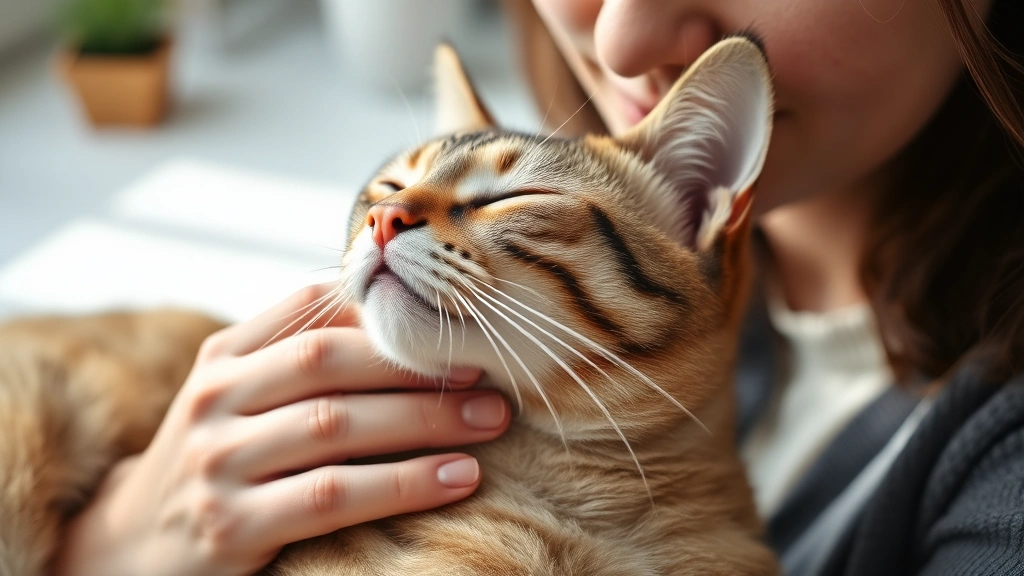
Neurobiologists have discovered that interacting with cats triggers specific neural pathways associated with reward, safety, and sustained attention. When you pet a cat, your brain releases oxytocin—often called the “bonding hormone”—which simultaneously reduces activity in the amygdala, your brain’s threat-detection center. This neurochemical shift creates the optimal conditions for deep work and focused thinking. Research published in PLOS ONE demonstrates that just 10 minutes of cat interaction can significantly lower cortisol levels and increase alpha wave activity in the brain, the frequency associated with relaxed alertness.
The prefrontal cortex—responsible for executive function, planning, and sustained attention—functions optimally when the nervous system remains in a parasympathetic state. Cats naturally facilitate this state through their purring vibrations, which operate at frequencies between 25-150 Hertz. These frequencies have been shown to promote bone density and reduce pain perception, but emerging research suggests they may also entrain brain wave patterns toward the theta-alpha boundary, precisely where creative problem-solving and deep focus occur. This differs fundamentally from the sympathetic activation many high-energy pets produce.
Understanding your cat’s behavior becomes essential here. A hyperactive, anxious, or poorly socialized cat creates exactly the opposite neurochemical environment. This connects directly to the importance of addressing cat mental health issues proactively, as a distressed feline companion will trigger your stress response rather than calm it.
How Feline Presence Reduces Stress and Cortisol
Chronic stress devastates focus capacity. Elevated cortisol impairs prefrontal cortex function while strengthening amygdala reactivity—essentially making your brain prioritize threat detection over analytical thinking. A landmark study from the American Psychological Association found that cat owners experience 30% lower blood pressure and significantly reduced heart rate variability compared to non-pet owners during high-stress tasks.
The mechanism operates through multiple channels. First, the tactile sensation of petting triggers mechanoreceptors in your fingertips, sending calming signals to your nervous system. Second, the responsibility of caring for a cat—feeding schedules, environmental enrichment, grooming—creates meaningful structure that reduces decision fatigue. Third, the cat’s independent nature paradoxically reduces performance pressure; unlike dogs that demand constant engagement, cats allow you to focus on work while their mere presence provides psychological comfort.
This stress-reduction effect directly enhances the neuroplasticity required for learning and retention. When your nervous system relaxes, your brain can consolidate new information more effectively. If you’re simultaneously developing better focus habits, examining resources like our atomic habits review alongside feline companionship creates a powerful synergy for sustained behavioral change.
Cats vs. Dogs: Different Pathways to Concentration
The comparison between cats and dogs reveals fundamentally different neurobiological mechanisms for focus enhancement. Dogs activate the sympathetic nervous system—increasing heart rate, blood pressure, and alertness through play and excitement. This works excellently for motivation and physical activity but can hinder sustained cognitive focus. Cats, conversely, activate the parasympathetic nervous system through calm presence and independent behavior.
Research from Applied Animal Behaviour Science indicates that cat owners report higher sustained attention spans during reading and writing tasks compared to dog owners, though dog owners report superior motivation for exercise and social engagement. For knowledge workers requiring deep focus—programmers, writers, researchers, analysts—cats present a neurobiological advantage.
Additionally, cats require less active engagement than dogs. You don’t need to interrupt your work for walks, play sessions, or constant interaction. This allows you to maintain flow state—that optimal state of complete absorption in challenging work—without the guilt of neglecting a high-maintenance companion. The psychological freedom to focus without interruption itself enhances concentration capacity.
However, this doesn’t mean cats universally outperform dogs for all individuals. Your personal nervous system regulation style matters enormously. Some people need sympathetic activation to focus; others need parasympathetic calm. Understanding your own neurobiology and consulting resources on case management for mental health can help determine which animal companion aligns with your cognitive needs.
Optimal Cat Companionship for Focus Enhancement
Not all cats provide equal focus benefits. Individual temperament, health status, and socialization history dramatically influence whether a feline companion enhances or impairs your concentration. The ideal focus-enhancing cat demonstrates several key characteristics: comfortable with independent time, non-aggressive, healthy (free from chronic pain or illness), and accustomed to your work environment.
Age matters significantly. Senior cats (7+ years) typically exhibit calmer behavior and stronger bonding patterns than kittens, making them superior for focus enhancement. Middle-aged cats (3-7 years) often represent the sweet spot—active enough to stay healthy and engaged, yet mature enough to settle into quiet companionship. Young kittens, while adorable, create constant demands for attention and play, actively undermining your concentration capacity.
Breed tendencies also influence focus dynamics. Certain breeds—Ragdolls, British Shorthairs, Russian Blues—demonstrate naturally calmer temperaments and stronger human bonding than highly active breeds like Bengals or Siamese. If you’re specifically adopting a cat for focus enhancement, researching breed characteristics and individual personality profiles before adoption significantly improves outcomes.
Environmental setup proves equally crucial. Your cat needs proper enrichment—climbing structures, window perches, puzzle feeders—to maintain mental health and reduce destructive attention-seeking behavior. A bored, under-stimulated cat becomes a focus saboteur. Learning about cat mental health issues and prevention strategies ensures your companion remains a focus asset rather than a liability.
When Cats Become Focus Distractions
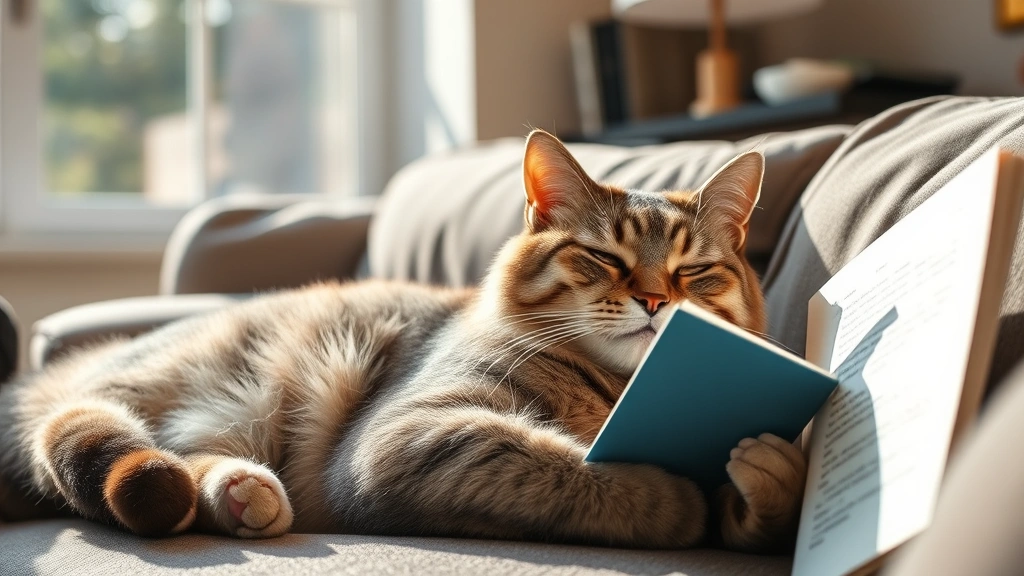
The flip side of feline companionship requires honest examination. Cats can severely impair focus when they experience behavioral or health problems. Anxiety, inappropriate elimination, excessive vocalization, and aggression all stem from unmet physical or psychological needs. These behaviors create exactly the stress response you’re trying to avoid—sudden loud noises, unexpected movements, and unpredictable aggression all trigger amygdala activation and cortisol release.
A cat experiencing untreated pain—arthritis, dental disease, urinary tract infections—often exhibits behavioral changes that appear like mere personality flaws but actually represent suffering. This distress transmits to you neurologically; you unconsciously detect the cat’s agitation and respond with your own stress response. Understanding and addressing these issues through proper veterinary care and behavioral support becomes essential for maintaining focus benefits.
Similarly, cats in early stages of cognitive decline or developing feline dementia may exhibit disruptive behaviors that sabotage your concentration. Night-time vocalization, disorientation, and inappropriate elimination all increase during this life stage. Proactive veterinary monitoring and environmental modifications can mitigate these issues, maintaining the focus benefits while addressing your cat’s welfare.
The relationship also depends on your own nervous system sensitivity. Some individuals find any animal presence distracting regardless of the animal’s behavior. If you’re highly sensitive to ambient stimuli or have attention deficit patterns, a cat might represent additional stimulus load rather than focus support. Honest self-assessment about whether animal companionship genuinely enhances your focus—or simply provides emotional comfort—matters for building sustainable habits that support your authentic needs.
Practical Strategies for Maximizing Feline Focus Benefits
If you’ve determined that cat companionship could enhance your focus, implementing specific strategies maximizes neurobiological benefits while minimizing distractions. First, establish a dedicated workspace where your cat has comfortable access but not constant demand. A cat bed near your desk allows proximity without intrusive interaction demands. This positioning provides the parasympathetic benefits of companionship while maintaining focus boundaries.
Second, schedule intentional interaction breaks. Rather than responding to random attention demands, designate specific times—perhaps every 90 minutes during your work session—for 5-10 minute petting sessions. This structured approach prevents continuous interruptions while ensuring regular oxytocin and parasympathetic activation. Research on ultradian rhythms suggests 90-minute focus cycles followed by brief breaks optimize both concentration and sustained productivity.
Third, ensure your cat receives adequate enrichment independent of your attention. Puzzle feeders, window perches with bird feeders outside, automated toys, and climbing structures provide mental stimulation that prevents boredom-driven attention-seeking. A cognitively engaged cat remains calm and independent during your work sessions.
Fourth, maintain consistent veterinary care and monitor behavioral changes. Annual exams, dental care, and prompt attention to behavioral shifts prevent the stress-inducing problems that undermine focus benefits. Your cat’s health directly impacts your neurobiological state, making preventive care an investment in your own concentration capacity.
Fifth, create a consistent routine. Cats thrive on predictability, and a stable daily schedule reduces their anxiety while creating psychological structure that supports your focus habits. Feeding at consistent times, play sessions at regular intervals, and sleep schedules all contribute to the calm companionship that enhances concentration. This aligns beautifully with broader productivity frameworks discussed in our FocusFlowHub Blog exploring habit formation and routine optimization.
Finally, consider your cat’s life stage and energy needs. A young, highly energetic cat might need more active engagement than your focus work permits. Older cats or lower-energy breeds might be significantly better matches for your lifestyle. Being honest about compatibility prevents frustration and ensures both your and your cat’s needs receive proper attention.
FAQ
Does cat purring actually improve focus scientifically?
Yes, research demonstrates that cat purring frequencies (25-150 Hz) may entrain brain wave patterns toward theta-alpha states associated with focused relaxation. Additionally, the auditory stimulus of purring activates reward centers in your brain while simultaneously reducing threat-detection activity. However, individual responses vary; some people find purring soothing while others find it distracting.
Are certain cat breeds better for focus enhancement?
Calmer, more independent breeds generally provide superior focus benefits. Ragdolls, Russian Blues, British Shorthairs, and Scottish Folds typically demonstrate the temperament characteristics—lower activity levels, stronger bonding, reduced vocalization—that support sustained concentration. Highly active breeds like Bengals or Siamese may actually increase stimulation and distraction.
Can a cat with behavioral problems still improve my focus?
Unlikely. A cat experiencing anxiety, aggression, or inappropriate elimination creates stress responses that directly impair your concentration. Addressing these issues through veterinary care, behavioral support, and environmental enrichment must precede expecting focus benefits. In some cases, a poorly-matched cat might never provide the parasympathetic benefits you need.
How long does it take to experience focus benefits from cat companionship?
Most people report noticeable stress reduction within days of regular cat interaction. However, establishing a genuine bond that provides sustained focus benefits typically requires 2-4 weeks. The parasympathetic nervous system requires consistent, predictable interaction to retrain its baseline state toward greater calm.
What if I’m allergic to cats but want focus benefits?
Allergy management through medication, air filtration, and grooming practices can make cat ownership feasible for mild-to-moderate allergies. However, if your allergies trigger significant stress responses or require extensive management, the stress burden might outweigh focus benefits. Consider consulting both your physician and an allergist before proceeding.
Can I get similar focus benefits from other pets?
Different animals provide different neurobiological profiles. Dogs offer sympathetic activation beneficial for motivation and physical energy. Fish and reptiles provide calming visual stimulation without tactile interaction. Small rodents offer handling comfort but less research support for focus enhancement. Cats remain uniquely positioned for parasympathetic nervous system support combined with independent companionship.
Should I adopt a cat specifically for focus improvement?
Only if you’re genuinely prepared for 15+ years of pet care responsibility. Adopting a cat solely for instrumental focus benefits creates problematic power dynamics where the cat becomes a tool rather than a valued companion. However, if you’re already considering cat adoption, understanding the focus benefits provides an additional dimension of that choice’s value.


