
Can Cats Improve Focus? Vet-Approved Insights on Feline Companions and Concentration
The gentle purr of a cat, the soft padding of paws across your desk, and those mesmerizing eyes tracking invisible prey—these moments feel calming, but can they actually enhance your ability to focus and concentrate? Scientific research increasingly suggests that cats may offer genuine cognitive and emotional benefits that support mental clarity and sustained attention. This article explores the evidence-based connection between feline companionship and improved focus, while also addressing potential cat mental health problems that could interfere with these benefits.
Understanding how cats affect our cognitive performance requires examining both the neurobiological mechanisms at play and practical considerations for cat ownership. Whether you’re a remote worker seeking to optimize your environment or someone struggling with attention challenges, the relationship between cats and focus deserves serious examination backed by veterinary and psychological expertise.
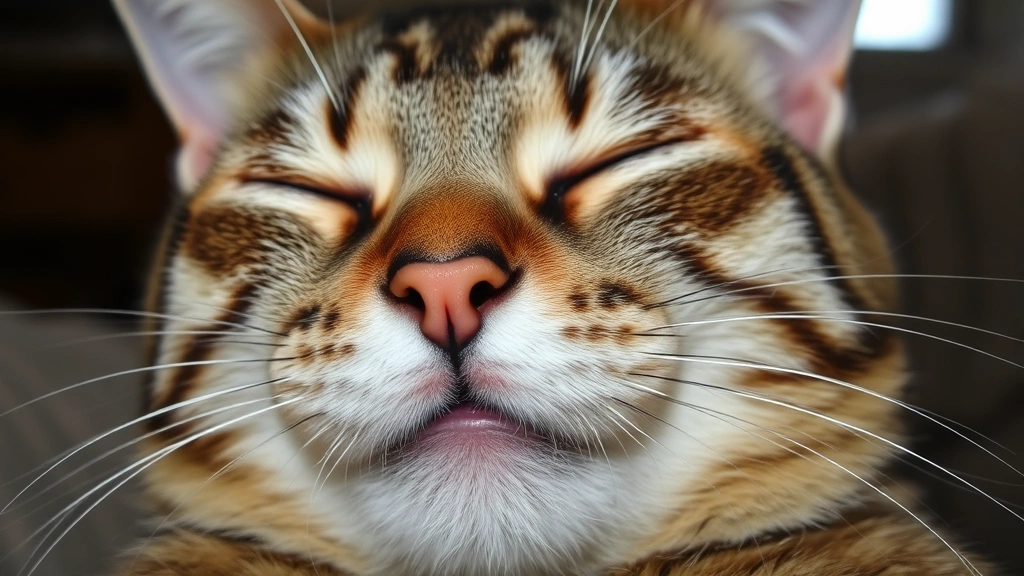
How Cats Reduce Stress and Cortisol
One of the most compelling reasons cats improve focus relates to stress reduction. Cortisol, the primary stress hormone, directly impairs cognitive function, reducing working memory capacity and executive function—both essential for sustained concentration. When cortisol levels remain elevated, your prefrontal cortex (the brain region responsible for focus and planning) cannot operate optimally.
Research from the National Institutes of Health on human-animal interaction demonstrates that petting a cat for just 10-15 minutes can significantly decrease cortisol levels while simultaneously increasing oxytocin—the neurochemical associated with bonding, calm, and trust. This physiological shift creates an ideal neurological state for concentration work.
The tactile experience of stroking a cat’s fur activates parasympathetic nervous system responses. This “rest and digest” mode directly counteracts the “fight or flight” stress response that disrupts focus. Unlike caffeinated energy drinks that can increase anxiety, cat interaction produces sustained calm without jitters or crashes.
Heart rate variability also improves through feline companionship. Studies show that cat owners demonstrate more stable cardiovascular rhythms, indicating better emotional regulation—a foundational requirement for maintaining attention on demanding tasks.

The Science Behind Purring and Brain Function
The cat’s purr operates at frequencies between 25 and 150 Hertz, with most domestic purring occurring around 50 Hertz. These specific frequencies may have neurological significance beyond comfort. Research suggests that vibrations in this range can promote bone density, tissue repair, and potentially neural plasticity—the brain’s ability to form new neural connections essential for learning and concentration.
The Journal of Feline Medicine and Surgery has published research indicating that purring frequencies may stimulate the vagus nerve, which directly influences the parasympathetic nervous system and promotes relaxation responses. When you’re in a relaxed yet alert state—what psychologists call “flow state”—your brain achieves optimal conditions for sustained focus.
Additionally, the rhythmic, predictable nature of purring engages your brain’s pattern-recognition systems in a way that quiets mental noise. Rather than requiring active concentration, the purring sound provides gentle acoustic stimulation that occupies the part of your brain responsible for background monitoring, freeing your attention systems for primary tasks.
The presence of a purring cat can reduce blood pressure by an average of 10 mmHg, equivalent to the effect of some antihypertensive medications. This physiological calm directly translates to improved cognitive clarity and focus.
Cats and Attention Span Development
Beyond immediate stress reduction, cats can strengthen your attention span over time. Research on sustained attention demonstrates that environmental factors significantly influence focus capacity. A calm, predictable environment with soothing elements supports longer concentration periods.
Cats provide what psychologists call “soft fascination”—they capture your attention gently without demanding intense cognitive effort. Watching a cat’s behavior (whether grooming, observing, or playing) engages your brain in a restorative way that actually enhances subsequent focus capacity. This phenomenon, described in Attention Restoration Theory, explains why nature exposure and animal observation improve concentration.
For individuals with ADHD or attention challenges, cats offer particular benefits. The non-judgmental, consistent presence of a cat provides grounding without pressure. Some individuals find that petting a cat during breaks between focus sessions dramatically improves their ability to return to concentrated work. The tactile feedback serves as an anchor for attention.
The responsibility of cat care also indirectly supports focus. Maintaining a feeding schedule, providing enrichment, and monitoring health requires planning and organization—executive functions that strengthen overall attention capacity.
Cat Mental Health Problems Affecting Your Focus
However, cat mental health issues can dramatically undermine the focus benefits cats typically provide. A cat experiencing behavioral problems, anxiety, or other cat mental health problems may actually become a significant source of stress and distraction.
Common cat mental health conditions that disrupt focus include:
- Feline anxiety disorders – causing excessive vocalization, destructive behavior, and unpredictable aggression that startle you during concentration
- Inappropriate elimination – often rooted in stress, anxiety, or territorial issues, creating odor and cleaning demands
- Compulsive behaviors – excessive grooming, pacing, or repetitive actions indicating underlying psychological distress
- Aggression – redirected aggression or fear-based attacks that create an unsafe, stressful environment
- Depression and lethargy – cats withdrawing or showing signs of depressive behavior, which can emotionally affect their owners’ motivation
If your cat displays these symptoms, the neurological benefits of feline companionship become compromised. A stressed, anxious cat creates a stressed, anxious environment—the opposite of what you need for optimal focus.
Veterinary intervention becomes essential. Behavioral medications, environmental enrichment, and professional training can resolve many mental health management issues in cats, restoring their capacity to support your focus rather than undermine it.
Creating an Optimal Focus Environment With Cats
To maximize the focus benefits cats provide while minimizing potential distractions, environmental design matters significantly. Your workspace should accommodate both your concentration needs and your cat’s behavioral requirements.
Create a dedicated cat space separate from your primary focus area. Cats with adequate enrichment—scratching posts, climbing structures, window perches, and interactive toys—remain occupied during your work sessions. A cat engaged in natural behaviors (observing birds, climbing, playing with toys) requires far less of your attention than a bored cat seeking interaction or acting out.
Ensure your cat has access to resources without requiring your attention: water fountains, automatic feeders, litter boxes positioned away from your workspace, and environmental enrichment. The goal is a cat that’s comfortable and occupied, not demanding.
Temperature, lighting, and acoustic environment affect both you and your cat. Cats prefer temperatures between 75-80°F and benefit from natural light exposure, just as you do. Soft background music or white noise can benefit both species—research shows certain musical compositions designed for cats can reduce stress in both felines and their owners.
Establish clear boundaries. Designate focus time when you minimize interactive play, and schedule dedicated interaction periods. This consistency helps your cat develop predictable expectations, reducing attention-seeking behaviors during focus periods.
Breeds and Temperaments for Maximum Focus Support
Not all cats provide equal focus benefits. Temperament and breed characteristics significantly influence whether a cat enhances or disrupts your concentration.
Calm, independent breeds like Russian Blues, British Shorthairs, and Ragdolls tend to provide soothing companionship without excessive demands. These cats are content with proximity rather than constant interaction, ideal for focus-supporting environments.
Conversely, highly social, vocal breeds like Siamese, Bengals, and Abyssinians require substantial interaction and stimulation. While wonderful cats, they may create more distraction than focus support for individuals seeking quiet concentration.
Individual personality matters more than breed. Some shelter cats possess naturally calm, adaptable temperaments, while some purebreds display high-strung characteristics. Meeting potential cats and observing their behavior before adoption helps ensure compatibility with your focus needs.
Older cats (3+ years) often make superior focus companions than kittens. They’ve typically developed stable personalities and require less active supervision. Senior cats, in particular, provide remarkably calming presence with minimal demands.
When Cats Become a Distraction
Recognizing when your cat is undermining rather than supporting focus is crucial. Some individuals experience reduced focus around cats due to allergies, anxiety about pet care, or incompatible work styles.
If you find yourself frequently distracted by your cat—playing when you should be working, worrying about their wellbeing, or reacting to destructive behaviors—the relationship isn’t supporting your focus. This doesn’t mean cats are wrong for you; it may mean your current situation, cat, or environmental setup needs adjustment.
Additionally, some research suggests that pet ownership affects different individuals differently. While many people experience focus benefits, some show no measurable improvement or even experience increased stress. Personal neurochemistry, attachment style, and lifestyle factors determine whether cats genuinely enhance your concentration.
Consider tracking your focus metrics with and without your cat present. Objective measures (time spent in focused work, task completion, error rates) reveal whether the relationship supports your productivity or not.
FAQ
Do all cats improve focus equally?
No. Calm, independent cats with stable temperaments provide more focus benefits than high-energy, attention-demanding cats. Individual personality, breed characteristics, and your compatibility all influence the effect. A cat with mental health problems will likely reduce rather than enhance your focus.
How long does it take to experience focus benefits from cat companionship?
Immediate stress reduction occurs within minutes of interacting with a calm cat. Longer-term attention span improvements typically develop over weeks to months as you establish consistent routines and your nervous system adapts to the calming presence.
Can cats improve focus for people with ADHD?
Many individuals with ADHD report that cats provide grounding, tactile feedback that supports focus. The non-judgmental presence and soft fascination of cat observation can enhance attention capacity. However, individual responses vary, and some people with ADHD find cats too distracting.
What should I do if my cat has mental health problems affecting my focus?
Consult your veterinarian immediately. Behavioral issues often indicate underlying medical or psychological conditions requiring professional intervention. Treating your cat’s mental health issues benefits both your cat’s wellbeing and your focus capacity.
Are there alternatives if cats don’t improve my focus?
Yes. Other animals, nature exposure, or environmental modifications may provide similar benefits. Exploring mental health resources can help identify focus-supporting strategies aligned with your individual needs and preferences.
How do I know if my cat is helping or hindering my focus?
Track concrete metrics: focused work duration, task completion rates, and subjective stress levels with your cat present versus absent. After 2-4 weeks, data reveals whether the relationship supports your concentration goals.
Can purring really affect brain function?
Yes. Research indicates purring frequencies (around 50 Hertz) stimulate the vagus nerve and promote parasympathetic nervous system activation. This physiological response creates conditions favorable for sustained focus and attention.


