Can Cats Help Focus? Vet Insights Explored
The relationship between cats and human productivity remains one of the most debated topics among pet owners and productivity experts alike. While many people assume that having a feline companion might distract from work, emerging research suggests the opposite may be true. Veterinarians and cognitive scientists have begun investigating whether cats can actually enhance focus and concentration, revealing surprising insights about the human-animal bond and its neurological effects.
Cats possess unique qualities that distinguish them from other pets, particularly in how they interact with their human companions. Unlike dogs, which demand constant attention and engagement, cats offer a more independent form of companionship. This independence, combined with their calming presence, creates an environment that may paradoxically enhance concentration and mental clarity. Understanding these dynamics requires exploring both the physiological and psychological mechanisms at work.
This comprehensive exploration examines whether cats can help you focus, backed by veterinary expertise and scientific research. We’ll investigate the neurological benefits, address potential challenges related to cat mental health problems, and provide actionable insights for optimizing your workspace with a feline companion.
The Neurological Benefits of Cat Companionship
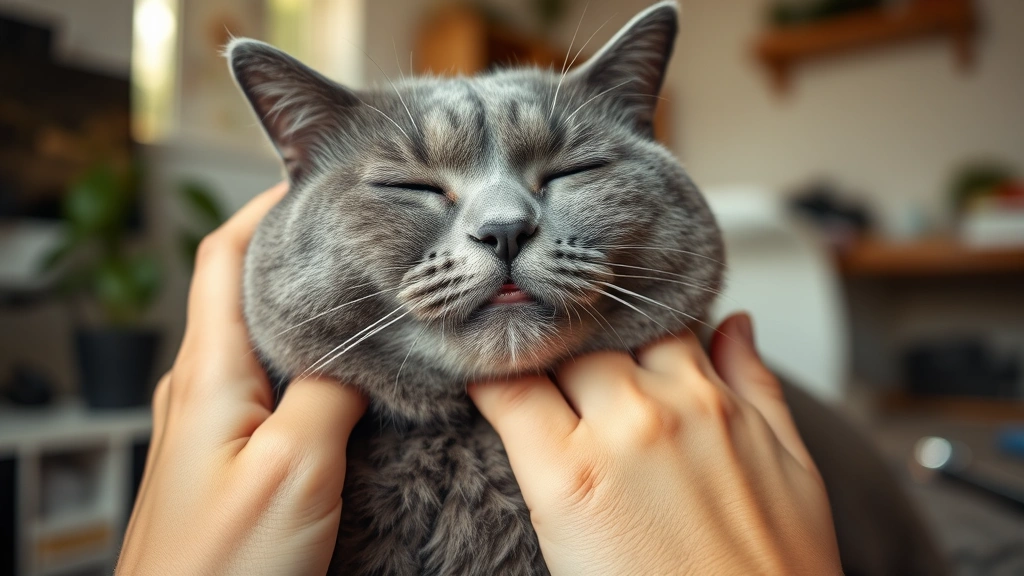
Scientific research has demonstrated that interacting with cats triggers measurable changes in the human brain. When you pet a cat or simply observe its behavior, your body releases oxytocin, often referred to as the “bonding hormone.” This neurochemical promotes feelings of trust and reduces stress hormones like cortisol. Studies published in neuroscience journals show that pet owners experience lower blood pressure and heart rate variability, both indicators of improved mental clarity.
The prefrontal cortex, responsible for executive function and concentration, operates most effectively when the body is in a relaxed state. Cats help achieve this state through their calming presence and rhythmic behaviors. The sound of a cat’s purr, which occurs at frequencies between 25 and 150 Hertz, has been shown to have therapeutic effects on the human nervous system. This frequency range aligns with vibrations that promote bone density and tissue repair, suggesting that cats may provide neurological benefits beyond simple emotional comfort.
Veterinarians specializing in animal behavior note that cats’ independence creates a unique dynamic. Unlike dogs that require active engagement, cats allow their owners to maintain focus on tasks while still providing companionship. This balance between connection and autonomy appears to optimize cognitive performance. Research from the American Psychological Association confirms that pet ownership correlates with improved attention span and reduced mind-wandering.

How Cats Reduce Stress and Anxiety
The relationship between stress reduction and improved focus cannot be overstated. When your nervous system is in a heightened state of alert, your brain allocates resources to threat-detection rather than complex cognitive tasks. Cats interrupt this stress response through multiple mechanisms. Their presence signals safety to your brain, allowing the parasympathetic nervous system to activate. This “rest and digest” state is ideal for sustained concentration.
Pet owners report that simply petting a cat for five to ten minutes significantly reduces anxiety levels. This isn’t merely subjective—physiological markers change measurably. Heart rate decreases, breathing deepens, and muscle tension releases. For individuals dealing with cat mental health issues, ensuring their comfort becomes a mutual benefit, as a content cat provides superior stress-reduction effects than an anxious one.
Veterinary behaviorists have identified that cats’ grooming behaviors and vocalizations create predictable, soothing patterns. These patterns lower cognitive load—your brain doesn’t need to expend energy anticipating unpredictable behavior. This predictability allows your mind to settle into a focused state more readily. Additionally, the responsibility of caring for a cat provides purpose and routine, both protective factors against anxiety and depression that interfere with concentration.
Key stress-reduction mechanisms include:
- Oxytocin release during physical contact
- Parasympathetic nervous system activation
- Reduction in cortisol and adrenaline levels
- Predictable behavioral patterns that reduce cognitive load
- Sense of purpose and routine establishment
Understanding Cat Mental Health Problems
While cats offer significant benefits for human focus, their own mental health problems can undermine these advantages. A stressed, anxious, or behaviorally problematic cat creates an environment of tension rather than calm. Recognizing and addressing feline mental health issues becomes essential for maintaining the focus-enhancing benefits of cat companionship.
Common cat mental health issues include anxiety disorders, depression, and behavioral problems stemming from environmental stress. Cats suffering from these conditions exhibit destructive behavior, excessive vocalization, or aggression—all of which fragment your attention and increase household stress. Veterinarians emphasize that cats experiencing mental health challenges cannot provide the calming influence that makes them beneficial for human focus.
Environmental enrichment, proper socialization, and veterinary care directly impact cat mental health. Cats require mental stimulation, safe spaces, and predictable routines. When these needs go unmet, behavioral and psychological problems emerge. The irony is that addressing your cat’s mental health becomes a prerequisite for leveraging their focus-enhancing benefits. This creates a symbiotic relationship: caring for your cat’s psychological well-being simultaneously improves your own.
Warning signs of cat mental health problems:
- Excessive meowing or silence
- Litter box avoidance or inappropriate elimination
- Aggressive behavior toward humans or objects
- Excessive grooming or self-injury
- Withdrawal and social avoidance
- Changes in appetite or sleep patterns
- Destructive scratching or clawing
Consulting with a veterinary behaviorist can help identify underlying issues. Many cat mental health problems respond well to environmental modifications, behavioral therapy, and in some cases, medication. Addressing these issues transforms your cat from a potential distraction into a genuine focus-enhancement tool.
Creating a Focus-Friendly Environment with Cats
Optimizing your workspace for both human and feline well-being requires intentional design choices. The goal is creating an environment where your cat remains content and calm while you maintain concentration. This involves understanding your cat’s needs and structuring your space accordingly.
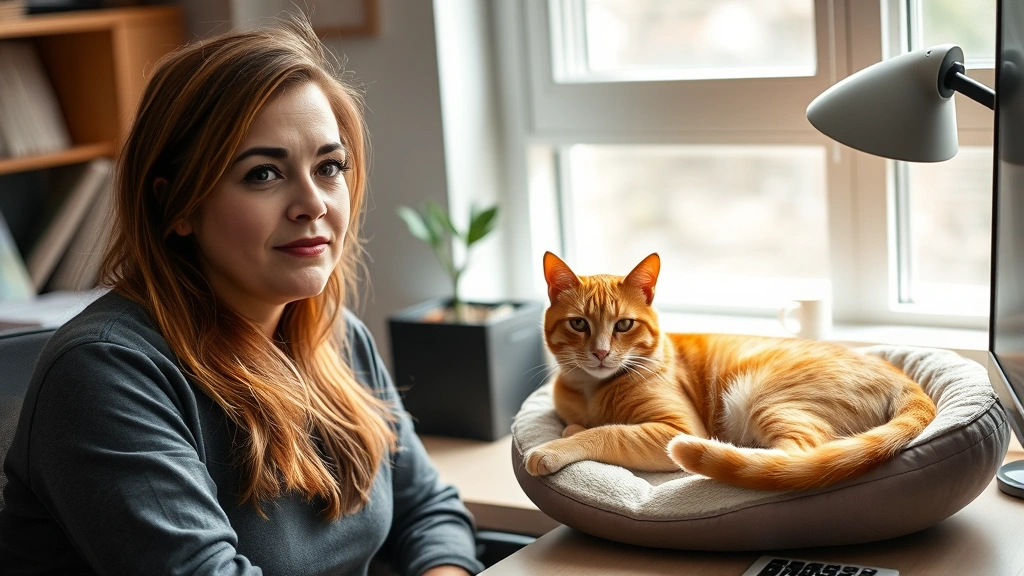
First, establish designated areas where your cat can retreat. Cats feel secure with vertical spaces, hiding spots, and elevated perches. A cat tree positioned near your workspace allows your feline companion to remain nearby without demanding attention. This proximity provides the neurological benefits of companionship while maintaining appropriate boundaries. Your cat can observe your work without interrupting it.
Environmental enrichment directly impacts focus quality. Provide puzzle feeders, interactive toys, and window perches that engage your cat’s natural hunting instincts. An enriched environment keeps your cat mentally stimulated, reducing destructive behaviors and excessive attention-seeking. When your cat is engaged in appropriate activities, you experience fewer interruptions and can maintain deeper focus states.
Temperature, lighting, and noise levels matter significantly. Cats prefer moderate temperatures (65-75°F) and consistent lighting patterns. Excessive noise disrupts both human concentration and feline well-being. Creating a calm acoustic environment benefits everyone in the household. Consider soft background music or white noise that masks jarring sounds without creating distraction.
Routine establishment is crucial. Cats thrive on predictability. Feed your cat at consistent times, schedule play sessions before your focused work periods, and maintain regular interaction schedules. A well-timed play session can exhaust your cat’s energy reserves, resulting in a calm, sleeping companion during your most critical work hours. This aligns with principles discussed in productivity literature about habit formation and routine.
Potential Distractions and How to Manage Them
Despite cats’ focus-enhancing potential, genuine distractions can emerge. Recognizing these challenges and implementing strategic solutions preserves the benefits while minimizing drawbacks. The key is proactive management rather than reactive problem-solving.
Attention-seeking behavior represents the most common distraction. Cats may meow, knock objects off surfaces, or walk across your keyboard to demand interaction. This behavior often stems from insufficient enrichment or irregular attention patterns. Rather than responding to these behaviors (which reinforces them), establish dedicated interaction times. Engage with your cat on your schedule before work periods, satisfying their social needs preemptively.
Physical interruptions—such as sitting on your keyboard or walking across your desk—require environmental management. Position your workspace to discourage cat access to critical areas. Use deterrents like double-sided tape or aluminum foil on surfaces where you don’t want your cat to walk. These substances feel unpleasant to cats without causing harm, naturally discouraging unwanted behavior.
Noise can disrupt concentration, particularly during critical thinking tasks. Excessive meowing, fighting, or play-related sounds fragment attention. Addressing underlying causes—ensuring your cat’s mental and physical needs are met—typically resolves excessive vocalization. If your cat has cat mental health problems manifesting as noise-related behaviors, veterinary intervention becomes necessary.
Some individuals experience allergies or other physical reactions to cats that undermine focus. If you’re considering cat companionship specifically for focus enhancement, assess your physical compatibility first. Allergies, asthma triggers, or other health concerns should be thoroughly evaluated before bringing a cat into your home.
Strategic management approaches:
- Schedule dedicated interaction times before focused work periods
- Provide environmental enrichment that engages natural instincts
- Use physical barriers or deterrents to protect workspace areas
- Establish consistent routines that set expectations
- Address any behavioral issues promptly with veterinary guidance
- Monitor your own physiological responses and adjust as needed
- Maintain separate spaces where you can work uninterrupted if necessary
FAQ
Do all cats help with focus, or are certain breeds better?
Individual personality matters more than breed. Some cats are naturally more independent and calm, while others are extremely active or attention-demanding. Calmer breeds like British Shorthairs or Ragdolls may provide better focus support, but individual variation is significant. Adopting from shelters allows you to assess an adult cat’s personality before commitment.
Can cats actually improve productivity metrics?
Research shows pet owners report improved concentration and productivity. Studies on pet ownership and workplace productivity demonstrate measurable improvements in task completion rates and focus duration. However, individual results vary based on cat temperament and environmental factors.
What’s the difference between a calm cat and one with mental health problems?
A calm cat exhibits predictable behavior, consistent appetite and sleep, normal litter box habits, and appropriate social interaction. A cat with mental health problems displays behavioral changes, excessive vocalization, inappropriate elimination, aggression, or withdrawal. Veterinary assessment can differentiate between normal variation and clinical problems.
How long does it take to experience focus benefits from cat companionship?
Neurological changes occur immediately—oxytocin release happens within minutes of petting. However, establishing optimal routines and environmental configurations typically requires 2-4 weeks. Full adaptation and maximum benefit realization may take several months as you and your cat develop synchronized patterns.
Can working from home with a cat actually improve focus compared to office environments?
For many people, yes. The combination of reduced commute stress, familiar environment, and cat companionship creates ideal focus conditions. However, some individuals find cats too distracting. Personal experimentation determines whether home-based work with a cat enhances or diminishes your concentration.
Should I get a cat specifically to improve my focus?
Cat ownership requires genuine commitment beyond focus-enhancement goals. Consider your lifestyle, living situation, financial capacity, and long-term plans. Cats live 12-18+ years. If you’re motivated solely by productivity gains, you may resent the ongoing responsibilities. Adopt a cat because you’re prepared for genuine companionship; focus improvement becomes an additional benefit.
How do I know if my cat has mental health problems?
Consult a veterinarian if you notice behavior changes, elimination issues, aggression, excessive vocalization, or withdrawal. A veterinary behaviorist can provide specialized assessment and treatment recommendations. Early intervention prevents problems from worsening and ensures your cat provides maximum focus-enhancement benefit.
The intersection of mental health awareness and pet companionship reveals that caring for your cat’s psychological well-being directly enhances your own focus and productivity. Cats can indeed help focus when their own mental health needs are met. This symbiotic relationship—where you invest in your cat’s well-being and reap concentration benefits—represents one of the most underutilized productivity strategies available. By understanding both the science behind feline companionship and the importance of addressing holistic mental health, you create an environment where both human and feline thrive cognitively and emotionally.


