
Boost Concentration: Cedar Hills Experts’ Advice on Mental Focus
Concentration is the cornerstone of productivity, yet millions struggle to maintain sustained focus in our hyperconnected world. Cedar Hills mental health professionals have identified the neurological and behavioral factors that undermine concentration, offering evidence-based strategies to reclaim your cognitive performance. Whether you’re battling afternoon brain fog or chronic distraction, understanding how your mind works is the first step toward meaningful improvement.
The experts at Cedar Hills have observed a troubling trend: individuals increasingly rely on willpower alone to maintain focus, often resulting in burnout and diminishing returns. Instead, research from cognitive neuroscience demonstrates that concentration functions best when supported by environmental design, physiological optimization, and strategic behavioral interventions. This comprehensive guide synthesizes Cedar Hills practitioners’ insights with peer-reviewed research to provide actionable pathways toward sustained mental clarity.
The Neuroscience of Concentration
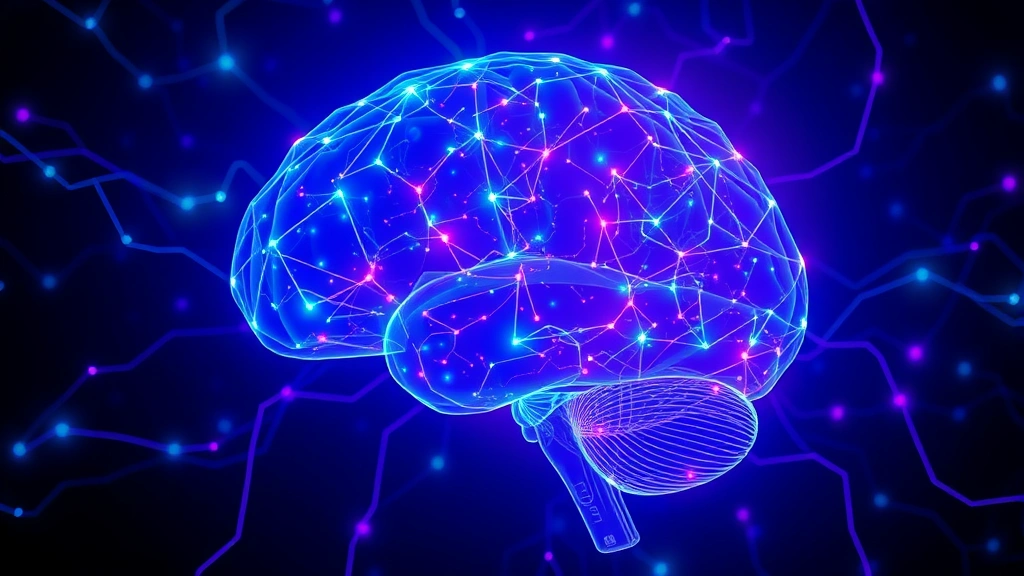
Concentration emerges from coordinated activity across multiple brain regions, particularly the prefrontal cortex, anterior cingulate cortex, and parietal regions. These areas work together in what neuroscientists call the “attention network,” which filters incoming information and sustains focus on relevant tasks. Understanding this biological foundation helps explain why some concentration strategies work while others fail.
The neurotransmitter dopamine plays a crucial role in attention and motivation. When dopamine levels are optimal, you experience enhanced focus, improved working memory, and greater pleasure from challenging tasks. Conversely, insufficient dopamine creates a state of mental restlessness where your brain continuously seeks novel stimuli—a primary driver of distraction. Research published in Nature Neuroscience demonstrates that dopamine regulation directly correlates with sustained attention capacity.
Another critical factor is the default mode network (DMN), which activates when you’re not focused on external tasks. While the DMN supports creativity and self-reflection, excessive activation during work periods generates mind-wandering and procrastination. Cedar Hills mental health professionals emphasize that managing the DMN through specific practices significantly enhances concentration ability.
The concept of “cognitive load” also matters tremendously. Your working memory has finite capacity—approximately four to seven distinct items simultaneously. When cognitive load exceeds this threshold, concentration collapses and errors multiply. This is why Cedar Hills experts stress the importance of building atomic habits that reduce unnecessary mental burden.

Cedar Hills Mental Health Approach
Cedar Hills mental health practitioners distinguish between concentration problems stemming from neurological factors, psychological barriers, or environmental conditions. Their diagnostic framework begins with a comprehensive assessment examining sleep quality, stress levels, nutritional status, and attention-related medical conditions.
The Cedar Hills model emphasizes that concentration is trainable. Just as physical exercise strengthens muscles, specific mental practices strengthen attention networks. This neuroplasticity principle—the brain’s ability to reorganize itself through learning—forms the foundation of their intervention protocols. Over weeks and months of consistent practice, individuals can measurably expand their focus capacity.
A cornerstone of Cedar Hills philosophy involves addressing root causes rather than symptoms. Many individuals experiencing concentration difficulties actually struggle with underlying anxiety, sleep deprivation, or undiagnosed attention disorders. By identifying these foundational issues, practitioners can recommend targeted interventions with substantially higher success rates than generic focus advice.
Cedar Hills experts also recognize individual variation in concentration capacity. Some people naturally possess longer attention spans due to genetic factors, while others require more deliberate environmental structuring. This personalized approach contrasts sharply with one-size-fits-all productivity advice that ignores neurobiological individuality.
Environmental Design for Focus
Your physical environment profoundly influences concentration capacity. Cedar Hills mental health professionals have identified specific environmental modifications that consistently improve focus outcomes. These aren’t minor tweaks but rather fundamental restructuring of your work space to align with how attention actually functions.
Noise management represents the first environmental priority. Open office environments, household traffic, and ambient sound create constant attentional demands that exhaust your focus capacity. Research indicates that even moderate background noise reduces complex task performance by 20-30%. Cedar Hills experts recommend either noise-canceling headphones with instrumental music, white noise generators, or physically relocating to quieter spaces during focus work.
Visual simplicity directly impacts concentration. Cluttered desks, visible notifications, and varied visual stimuli constantly pull attention away from primary tasks. Implementing a minimalist workspace—clearing unnecessary items, organizing materials, and positioning your desk away from high-traffic areas—reduces the cognitive load of environmental management.
Lighting quality influences both focus and mood. Natural light exposure, particularly morning light, regulates circadian rhythms and enhances daytime alertness. If natural light is unavailable, full-spectrum LED lighting approximating daylight wavelengths provides similar benefits. Avoiding harsh fluorescent lighting, which can cause eye strain and mental fatigue, significantly improves sustained concentration.
Temperature control affects cognitive performance more than most people realize. Optimal concentration occurs around 70-72°F (21-22°C). Temperatures below 67°F or above 75°F measurably impair focus and increase error rates. Cedar Hills practitioners often recommend adjustable workspace temperature as a simple yet powerful concentration enhancement.
Digital environment design proves equally important as physical space. Disabling notifications, closing unnecessary browser tabs, and using website blockers during focus periods prevents constant digital interruption. These environmental controls remove the willpower requirement to resist distraction, making concentration sustainable rather than exhausting.
Physiological Optimization Strategies
Concentration exists within a biological context. Your body’s physiological state directly determines your mental capacity. Cedar Hills mental health experts prioritize physiological optimization as the foundation for all concentration work.
Sleep quality and quantity represent the most critical physiological factor. During sleep, your brain consolidates memories, clears metabolic waste, and restores neurotransmitter balance. Insufficient sleep dramatically impairs the prefrontal cortex—the brain region essential for sustained attention. Cedar Hills practitioners recommend 7-9 hours nightly, with consistent sleep-wake times, as non-negotiable for optimal concentration.
Physical exercise enhances concentration through multiple mechanisms. Aerobic activity increases blood flow to the brain, promotes neuroplasticity, and elevates dopamine and norepinephrine—neurotransmitters essential for attention. Research in the Journal of Psychiatric Research shows that 30 minutes of moderate exercise improves focus for subsequent hours. Cedar Hills experts recommend morning or midday exercise to maximize afternoon concentration.
Hydration status directly affects cognitive function. Even mild dehydration—as little as 2% of body water loss—impairs attention, memory, and decision-making. Maintaining consistent hydration throughout the day represents a simple yet powerful concentration enhancer. Cedar Hills practitioners suggest drinking water regularly rather than waiting until thirst signals appear.
Breathing patterns influence both nervous system state and oxygen delivery to the brain. Shallow chest breathing activates the sympathetic nervous system, triggering stress responses that fragment attention. Deliberate slow breathing, particularly extended exhales, activates the parasympathetic nervous system, promoting calm focus. Implementing 5-10 minutes of structured breathing practice (such as 4-6-8 breathing) before focus work primes your nervous system for concentration.
Behavioral Techniques from Cedar Hills Experts
Beyond environmental and physiological optimization, specific behavioral practices directly strengthen attention networks. Cedar Hills mental health professionals have identified evidence-based techniques that consistently improve concentration when implemented systematically.
Time blocking structures your day into dedicated focus periods. Rather than attempting to maintain constant concentration, time blocking alternates focused work with recovery periods. Cedar Hills practitioners recommend 90-minute focus blocks followed by 15-20 minute breaks—aligning with natural ultradian rhythms of human attention. This approach prevents the mental depletion that undermines afternoon concentration.
Single-tasking eliminates the concentration drain of multitasking. Research demonstrates that task-switching reduces productivity by 40% and increases error rates significantly. Cedar Hills experts emphasize committing fully to one task during each time block, completely disengaging from other responsibilities. This psychological commitment enhances both focus quality and task completion speed.
Implementation intentions leverage a behavioral psychology principle where you pre-decide specific actions. Rather than relying on willpower during work periods, you establish if-then statements: “If I finish my morning meeting, then I immediately begin focus work.” This removes decision fatigue and automates focus initiation. Books about mental health frequently discuss implementation intentions as a core behavior change strategy.
Attention restoration activities provide essential mental recovery. Cedar Hills practitioners recommend brief nature exposure, brief walks, or meditation during breaks. These activities engage different brain networks than focused work, allowing attention systems to recover. Research indicates that even brief nature exposure (5-10 minutes) significantly restores depleted attention capacity.
Habit stacking integrates new focus practices into existing routines. Rather than creating entirely new behaviors, you attach focus practices to established habits. For example: “After morning coffee, I immediately implement my focus work session.” This approach, detailed in Breaking the Habit of Being Yourself, dramatically increases practice consistency and neuroplastic adaptation.
Technology and Digital Distraction
Modern technology simultaneously enables and undermines concentration. Cedar Hills mental health professionals recognize that digital devices activate the same reward pathways as addictive substances, making distraction resistance exceptionally difficult through willpower alone.
Smartphones represent the primary distraction source for most individuals. The unpredictability of notifications—combined with variable reward schedules identical to gambling—creates powerful attention-pulling mechanisms. Cedar Hills experts recommend physical separation from phones during focus periods. This environmental control proves far more effective than relying on self-discipline.
Application blockers (Freedom, Cold Turkey, Forest) provide technological solutions to digital distraction. These tools prevent access to time-wasting websites and applications during designated focus periods. By removing the option to distract yourself, you eliminate the willpower requirement and protect your focus capacity for actual work.
Email and messaging applications deserve special attention. Constant notifications fragment attention and create a false sense of urgency. Cedar Hills practitioners recommend checking email at specific times (perhaps three times daily) rather than maintaining constant connectivity. This batching approach dramatically reduces attention interruption while maintaining responsiveness.
Social media platforms employ sophisticated attention-capture mechanisms intentionally designed by behavioral engineers. Cedar Hills experts recommend treating social media access as a deliberate choice rather than a default behavior. Removing apps from phones, using website blockers, and establishing specific social media times (rather than constant availability) substantially improves concentration throughout the day.
Nutrition and Brain Performance
Your diet directly influences concentration capacity through effects on neurotransmitter production, blood sugar stability, and brain inflammation. Cedar Hills mental health practitioners emphasize nutrition as a foundational concentration factor often overlooked in typical productivity advice.
Protein intake supports dopamine and norepinephrine production. Consuming adequate protein (0.8-1.0 grams per pound of body weight) ensures sufficient amino acid availability for neurotransmitter synthesis. Cedar Hills experts recommend including protein with breakfast to stabilize morning focus capacity and prevent mid-morning attention crashes.
Omega-3 fatty acids support brain cell membranes and reduce neuroinflammation. Research in Frontiers in Neuroscience demonstrates that omega-3 supplementation improves attention, particularly in individuals with attention-related challenges. Cedar Hills practitioners recommend fatty fish (salmon, sardines), flaxseeds, or algae-based supplements.
Blood sugar stability profoundly affects concentration. Refined carbohydrates cause rapid blood glucose spikes followed by crashes that impair focus. Cedar Hills experts recommend pairing carbohydrates with protein and fat to slow glucose absorption and maintain stable energy. This nutritional approach prevents the afternoon concentration collapse many experience.
Micronutrient sufficiency supports optimal brain function. Deficiencies in magnesium, B vitamins, zinc, and iron all impair attention. Cedar Hills practitioners recommend either micronutrient-rich whole foods or targeted supplementation based on individual assessment.
Caffeine timing influences concentration patterns. While caffeine enhances focus, consuming it after 2 PM can impair sleep quality, subsequently undermining next-day concentration. Cedar Hills experts recommend morning caffeine consumption, allowing caffeine clearance before evening.
FAQ
How long does it take to improve concentration using Cedar Hills methods?
Concentration improvements typically emerge within 2-4 weeks of consistent implementation. Initial changes reflect environmental and behavioral modifications. Deeper neuroplastic changes—involving actual brain network strengthening—develop over 8-12 weeks. Cedar Hills practitioners emphasize consistency over intensity; daily practice of even 20-30 minutes proves more effective than sporadic intensive efforts.
Can concentration problems indicate underlying medical conditions?
Absolutely. Cedar Hills mental health professionals screen for attention-deficit/hyperactivity disorder (ADHD), sleep disorders, thyroid dysfunction, nutritional deficiencies, and anxiety disorders—all of which impair concentration. If concentration difficulties emerged suddenly or persist despite implementing the strategies outlined here, medical evaluation is warranted. Visit the FocusFlowHub Blog for additional resources on concentration assessment.
Are there differences between concentration techniques for different age groups?
Yes. Adolescents (whose prefrontal cortex is still developing) benefit from more external structure and shorter focus periods. Older adults may require modified strategies addressing age-related changes in attention networks. Cedar Hills practitioners tailor recommendations based on developmental stage, neurological health, and individual baseline concentration capacity.
How do stress and anxiety affect concentration?
Stress and anxiety activate the amygdala (threat-detection brain region) while suppressing prefrontal cortex activity. This neurological state prioritizes threat scanning over focused task engagement—an evolutionary adaptation useful for survival but counterproductive for modern work. Cedar Hills mental health experts recommend stress management practices (meditation, breathing exercises, physical activity) as concentration prerequisites.
Can meditation actually improve concentration?
Yes. Research from the American Psychological Association demonstrates that meditation strengthens attention networks through repeated practice of redirecting wandering attention. Regular meditation practitioners show measurable improvements in sustained attention, working memory, and focus capacity. Cedar Hills practitioners often recommend starting with 10-15 minutes daily, gradually extending duration as attention strengthens. Explore best mental health books for meditation guidance.
What role does personality type play in concentration ability?
Personality traits like conscientiousness and introversion correlate with concentration capacity. However, Cedar Hills experts emphasize that regardless of personality type, concentration represents a trainable skill. Extroverts may require different environmental strategies (such as social accountability) than introverts, but both can substantially improve focus through appropriate personalization.


