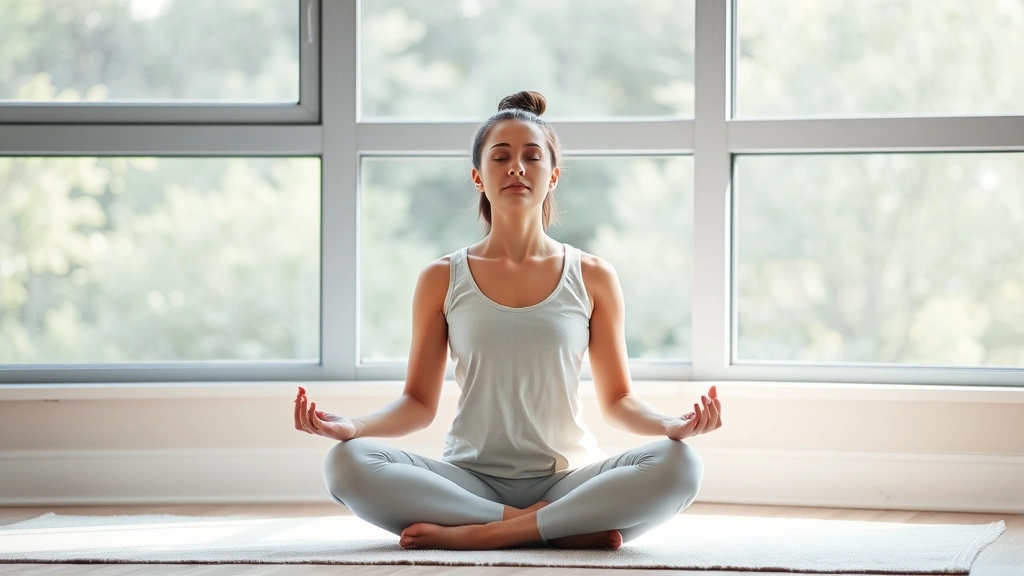
The Complete Guide to Mindful Breathing: Transform Your Life One Breath at a Time
In our fast-paced world, stress and anxiety have become unwelcome companions for millions of people. The constant demands of work, relationships, and technology create a mental environment that feels perpetually overwhelmed. Yet, there exists a simple, powerful tool that has been used for thousands of years to calm the mind and transform our relationship with stress: mindful breathing. This ancient practice, grounded in modern neuroscience, offers a pathway to greater peace, clarity, and emotional resilience. By learning to harness the power of your breath, you can access a state of calm and focus that exists within you at all times.
Mindful breathing is more than just taking deep breaths. It’s a deliberate practice of bringing conscious awareness to the natural rhythm of your breath, observing it without judgment, and using it as an anchor to return to the present moment. When you practice mindful breathing techniques, you’re not trying to change your breathing pattern forcefully. Instead, you’re developing a compassionate awareness of your breath as it naturally flows in and out. This subtle shift in perspective creates profound changes in your nervous system, brain chemistry, and overall well-being.
Research from leading neuroscience institutions has demonstrated that regular mindful breathing practice can reduce cortisol levels, lower blood pressure, and enhance cognitive function. The vagus nerve, which plays a crucial role in regulating your stress response, responds beautifully to intentional breathing patterns. Whether you’re struggling with anxiety, seeking better focus at work, or simply wanting to experience more peace in your daily life, mindful breathing offers a scientifically-backed solution that requires nothing but your attention and intention.
Table of Contents
What is Mindful Breathing?
Mindful breathing is the practice of directing your full attention to the sensation of your breath moving in and out of your body. Unlike meditation practices that might focus on mantras or visualizations, mindful breathing keeps your awareness anchored to the physical experience of breathing. It’s the foundation of many meditation styles and can be practiced anywhere, anytime—sitting at your desk, standing in line at the grocery store, or lying in bed before sleep.
The essence of mindful breathing lies in three key elements: awareness, acceptance, and anchor. First, you become aware of your breath without trying to change it. Second, you accept your breath exactly as it is in this moment—shallow, deep, fast, or slow. Third, you use your breath as an anchor that brings you back whenever your mind wanders. This practice teaches your mind that it doesn’t need to chase every thought that appears; instead, you can observe thoughts like clouds passing through the sky of your consciousness. To deepen your understanding, explore our comprehensive guide on meditation and focus practices.
The Science-Backed Benefits of Mindful Breathing
The benefits of mindful breathing extend far beyond feeling relaxed in the moment. Neuroscientists have discovered that regular practice creates measurable changes in brain structure and function. The prefrontal cortex, responsible for decision-making and emotional regulation, becomes more active. Meanwhile, the amygdala, which processes fear and stress, actually shrinks with consistent practice. This neuroplasticity—the brain’s ability to rewire itself—is one of the most exciting discoveries in modern neuroscience.
One of the most immediate benefits is stress reduction. When you practice mindful breathing, you activate your parasympathetic nervous system, often called the “rest and digest” system. This counteracts the sympathetic nervous system’s “fight or flight” response that keeps many of us in a state of chronic activation. Blood pressure decreases, heart rate normalizes, and your body begins to release the accumulated tension it’s been holding. If you’re interested in learning more about how different practices work together, discover breathing meditation techniques that complement mindful breathing.
Mental clarity and focus improve dramatically with mindful breathing practice. By training your attention to stay with your breath, you’re essentially building your focus muscle. This translates into better concentration at work, improved academic performance, and enhanced ability to stay present in relationships. Additionally, many practitioners report improved sleep quality, reduced anxiety symptoms, and greater emotional resilience when facing life’s challenges.
Basic Mindful Breathing Techniques for Beginners
Starting your mindful breathing practice is simple, but like any skill, it requires consistent effort. The basic technique involves finding a comfortable position, either sitting or lying down, and then directing your attention to your breath. Begin by noticing the natural rhythm of your breathing without trying to control it. Pay attention to where you feel the breath most clearly—perhaps at your nostrils, in your chest, or in your belly.
The 4-4-4 Breath technique is an excellent starting point for beginners. Breathe in through your nose for a count of four, hold the breath for a count of four, then exhale through your mouth for a count of four. Repeat this cycle ten times. This simple pattern helps calm your nervous system while giving your mind a structure to follow. For a deeper exploration of techniques, consider mindfulness meditation practices that build on these basics.

The Box Breathing technique offers another accessible entry point. Inhale for four counts, hold for four counts, exhale for four counts, and hold empty for four counts. This creates a balanced pattern that feels grounding and rhythmic. Many people find that having this numerical structure helps their mind stay focused rather than wandering to their to-do list or worries.
Getting Started With Your Practice
The best time to begin your mindful breathing practice is right now, with whatever time you have available. You don’t need to commit to hour-long sessions. In fact, beginning with just five minutes daily is more sustainable and more likely to create lasting change than ambitious plans for lengthy sessions you won’t maintain. Consistency matters far more than duration when building a meditation habit.
Choose a specific time each day to practice. Many people find early morning works best, before the day’s demands create mental chaos. Others prefer practicing during lunch breaks or in the evening to transition between work and personal time. The key is selecting a time you’ll actually stick to, then treating it like any other important appointment. You might also explore mindfulness for stress relief to understand how timing affects your results.
Create a dedicated space for your practice, even if it’s just a specific corner of a room. This signals to your brain that this space is reserved for calm and reflection. You don’t need special equipment—a comfortable cushion or chair is sufficient. However, some people find that having a small plant, a candle, or an inspiring image in their practice space helps create an atmosphere conducive to mindfulness.
Advanced Mindful Breathing Practices
Once you’ve established a consistent basic practice, you might explore more advanced techniques. The Ujjayi breath, derived from yoga traditions, involves slightly constricting the back of your throat to create a subtle ocean-like sound as you breathe. This auditory feedback helps maintain focus and creates a meditative quality. Alternatively, the Nadi Shodhana or alternate nostril breathing technique involves breathing through one nostril while blocking the other, which practitioners report creates deep balance and calm.
The Extended Exhale technique involves making your exhalation longer than your inhalation, which powerfully activates the parasympathetic nervous system. Try inhaling for a count of four and exhaling for a count of eight. This imbalance signals safety to your nervous system and can be particularly helpful when dealing with anxiety. To understand how these practices fit into broader wellness, learn about meditation for focus and concentration.
Combining mindful breathing with visualization creates a powerful practice. As you breathe, imagine breathing in healing light or calm energy, and breathing out tension or worry. This multisensory approach engages more of your brain and can deepen the meditative experience. Some advanced practitioners combine breathing practices with body scans, systematically bringing awareness to different body parts while maintaining breath awareness.
Overcoming Common Challenges in Mindful Breathing
Many beginners experience frustration when their minds wander during breathing practice, believing they’re “doing it wrong.” In reality, mind-wandering is completely normal and not a failure. Your job isn’t to stop your mind from wandering—it’s to notice when it has wandered and gently return your attention to your breath. This returning is the actual practice, not the brief moments when your mind stays focused. Each time you notice and return, you’re strengthening your attention muscle.
Some people report physical discomfort during breathing practice, such as dizziness or tingling sensations. This often occurs when people breathe too intensely or too quickly while beginning. The solution is simple: slow down and breathe naturally. You’re not trying to hyperventilate or force your breath into an unnatural pattern. Let your breath be easy and natural. If discomfort persists, consult a healthcare provider to rule out underlying conditions.
Another common challenge is maintaining consistency, especially when life gets busy. Remember that even two minutes of breathing practice is valuable. You can also incorporate mindful breathing into activities you already do—such as breathing mindfully while showering, commuting, or waiting for appointments. For additional strategies, explore meditation techniques for improving attention that include motivation tips.
Integrating Mindful Breathing Into Your Daily Life
The true power of mindful breathing emerges when you integrate it into your daily life beyond formal practice sessions. Whenever you feel stress rising—whether you’re facing a difficult conversation, navigating traffic, or dealing with a work deadline—pause and take five conscious breaths. This micro-practice interrupts the stress response cycle and reorients you toward calm and clarity.
Use mindful breathing as a transition tool throughout your day. Before important meetings, take three conscious breaths to arrive fully present rather than bringing anxiety from the previous activity. After stressful interactions, use breathing practice to process emotions and return to equilibrium. Before bed, practice extended exhale breathing to signal your body that it’s time to rest. These small moments of conscious breathing accumulate into profound shifts in how you experience your life.
Share mindful breathing with others in your life. Practice with family members, teach the technique to friends who struggle with anxiety, or suggest it to colleagues during stressful work periods. Creating a culture of mindfulness around you amplifies its benefits. Additionally, mindfulness meditation for better focus can help entire teams work more effectively together.
Frequently Asked Questions About Mindful Breathing
How long does it take to experience benefits from mindful breathing?
Some people report feeling calmer and more present after just a single session of mindful breathing. However, the neurological changes that create lasting transformation typically emerge after three to four weeks of consistent daily practice. Research suggests that eight weeks of regular practice creates measurable changes in brain structure and function. This doesn’t mean you won’t benefit immediately—you likely will—but sustained practice creates the deepest changes.
Can mindful breathing replace professional treatment for anxiety or depression?
While mindful breathing is a powerful tool for managing stress and anxiety, it should complement rather than replace professional mental health treatment. If you’re experiencing significant anxiety, depression, or other mental health challenges, work with a qualified therapist or psychiatrist. Mindful breathing works beautifully alongside conventional treatments and can enhance their effectiveness. Always consult your healthcare provider before making changes to any treatment plan.
Is mindful breathing the same as meditation?
Mindful breathing is a specific meditation technique, but not all meditation involves focusing on breath. Some meditations use mantras, visualizations, or body awareness instead. Think of meditation as the umbrella category, with mindful breathing as one of many practices under that umbrella. However, breath-focused practice is one of the most accessible and widely recommended entry points into meditation for beginners.
What should I do if I feel anxious during mindful breathing practice?
Some people, particularly those with trauma histories, may experience anxiety during breathing practice. This can occur because focused internal attention sometimes brings suppressed emotions to the surface. If this happens, you have several options: slow your breathing further, open your eyes, change your position, or take a break. You might also try practicing in a different environment or at a different time of day. If anxiety persists, work with a mindfulness teacher or therapist who specializes in trauma-sensitive practices.
How do I know if I’m breathing correctly during mindful breathing?
There’s no “correct” way to breathe during mindful breathing practice. Your breath is already correct exactly as it is. The goal isn’t to achieve a particular breathing pattern but to bring awareness to whatever pattern naturally emerges. Whether your breath is shallow or deep, fast or slow, visible or subtle—it’s perfect for this moment. Your only task is to notice and observe without judgment.
Can children practice mindful breathing?
Absolutely! Children often take to mindful breathing naturally, especially when you make it fun and age-appropriate. Simple techniques like “balloon breathing” (imagine your belly is a balloon filling with air) or “flower and candle” (smell the flower, blow out the candle) work wonderfully. Even young children can benefit from reduced anxiety, improved focus, and better emotional regulation through breathing practice.
Is there a best posture for mindful breathing practice?
The best posture is one that’s comfortable and allows you to breathe freely. Many people sit in a chair with feet flat on the floor, or cross-legged on a cushion. Others practice lying down, particularly before sleep. Your spine should be relatively straight to allow full breathing, but this doesn’t mean rigidly stiff. The most important factor is that you’re comfortable enough to maintain your attention on your breath rather than being distracted by physical discomfort. Explore more about meditation and mindfulness techniques to find what works for your body.


