The Complete Guide to Mindfulness Meditation for Beginners
Mindfulness meditation has become one of the most accessible and scientifically-validated practices for improving mental health, reducing stress, and enhancing overall well-being. Whether you’re experiencing overwhelming anxiety, struggling with focus, or simply seeking greater peace in your daily life, mindfulness meditation offers a practical pathway to transformation. This comprehensive guide will walk you through everything you need to know to start your meditation practice today.
The beauty of mindfulness meditation lies in its simplicity. You don’t need special equipment, expensive memberships, or hours of free time. Just a quiet space, a willingness to be present, and a few minutes each day can unlock profound benefits. As you explore this article, you’ll discover foundational techniques, common challenges, and practical strategies to establish a sustainable meditation routine that fits seamlessly into your lifestyle.
Let’s begin this transformative journey together, exploring how mindfulness meditation works and why it has become such a powerful tool for modern life.
Table of Contents
What is Mindfulness Meditation?
Mindfulness meditation is the practice of bringing your full attention to the present moment without judgment. It involves observing your thoughts, emotions, and physical sensations as they arise, then allowing them to pass without attachment or resistance. This ancient practice, rooted in Buddhist traditions for over 2,500 years, has been adapted into secular formats that make it accessible to people of all backgrounds and belief systems.
At its core, mindfulness asks a simple question: “What is happening right now?” Rather than dwelling on past regrets or future worries, you anchor your awareness to your breath, body, or immediate surroundings. When your mind wanders—and it will—you gently guide it back without criticism. This repeated practice of noticing and redirecting attention is what builds the mental muscle of mindfulness.
Understanding meditation techniques is essential, but first it helps to recognize that mindfulness isn’t about achieving a blank mind or reaching some mystical state. Instead, it’s about developing a new relationship with your thoughts and emotions, one characterized by curiosity rather than judgment.
The Science-Backed Benefits of Mindfulness Meditation
Decades of neuroscientific research have demonstrated that mindfulness meditation creates measurable changes in brain structure and function. Studies using fMRI imaging show that regular practitioners develop increased gray matter density in areas associated with emotional regulation, self-awareness, and perspective-taking. These aren’t merely theoretical benefits—they translate into real improvements in how you experience and navigate life.
One of the most significant benefits is stress reduction. When you practice mindfulness, you activate your parasympathetic nervous system, often called the “rest and digest” state. This counteracts the stress response, lowering cortisol levels and reducing the physical symptoms of anxiety. Many practitioners report feeling calmer, more grounded, and better equipped to handle challenges after just a few weeks of consistent practice.
Improved focus and concentration is another major advantage. In our distraction-filled world, the ability to direct and sustain attention is increasingly valuable. Meditation strengthens your attentional control, helping you work more productively and stay engaged with what matters most. Research with students, athletes, and professionals shows consistent improvements in performance across diverse fields.
Beyond these tangible benefits, mindfulness practitioners often report enhanced emotional resilience, better sleep quality, decreased chronic pain perception, and improved relationships. The practice cultivates self-compassion, making it easier to treat yourself with the same kindness you’d offer a good friend during difficult times.
Getting Started: Beginner Basics
Beginning your mindfulness journey requires minimal preparation. Start by designating a quiet space where you won’t be interrupted—this might be a corner of your bedroom, a comfortable chair, or even a park bench. The key is finding a location where you feel safe and relatively undisturbed for at least five to ten minutes.
Choose a time that works with your natural rhythm. Many people find morning meditation sets a positive tone for the entire day, while others prefer evening practice to unwind. Morning practice tends to enhance focus and deepening your practice tends to feel more natural when you’re not already tired. Experiment to discover what resonates with your lifestyle.
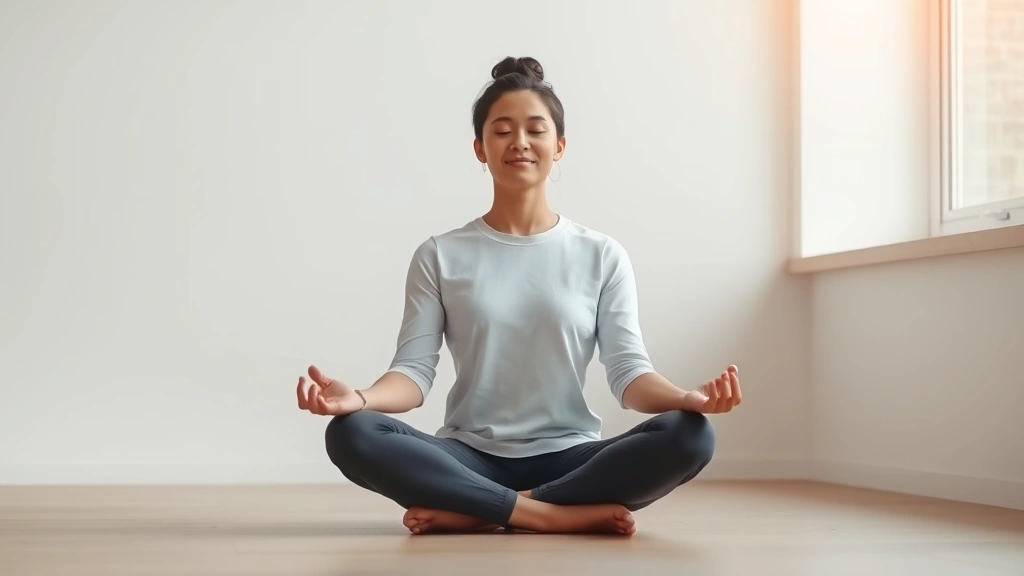
You’ll need to establish a comfortable posture. Contrary to popular belief, you don’t need to sit in a lotus position. Instead, find any position where your spine is reasonably straight, allowing your body to be both relaxed and alert. You might sit in a chair with feet flat on the ground, cross-legged on a cushion, or even lie down if that’s more comfortable for your body.
Begin with just five minutes daily. This modest commitment feels manageable and helps establish consistency before expanding your practice. Many beginners try to jump into thirty-minute sessions and then abandon the practice entirely. Instead, build gradually, allowing the habit to solidify before extending duration.
Essential Meditation Techniques for Beginners
The most foundational technique is breath awareness meditation. Sit comfortably, close your eyes or soften your gaze, and simply observe your natural breathing without trying to change it. Notice the sensation of air entering your nostrils, the expansion of your chest and belly, and the exhale. When your mind wanders—and it will countless times—gently return attention to the breath. This simple practice builds the foundational skill of mindfulness.
Body scan meditation offers another accessible entry point. Lying on your back or sitting comfortably, systematically direct your attention through different body parts, starting at your toes and moving upward. Notice sensations without judgment—warmth, tension, tingling, or numbness. This technique builds body awareness and helps you recognize how emotions manifest physically.

Walking meditation brings mindfulness into movement. Slowly walk while paying full attention to each step, the sensation of your feet contacting the ground, and the movement of your legs. This practice works wonderfully when you’re restless or need a break from sitting, and many find it easier than silent meditation initially.
Loving-kindness meditation cultivates compassion for yourself and others. Begin by directing kind wishes toward yourself: “May I be happy, may I be healthy, may I be safe.” Then extend these wishes to others—loved ones, neutral people, difficult people, and eventually all beings. This practice counteracts self-criticism and strengthens your capacity for emotional connection.
Visualization meditation engages your imagination. Close your eyes and mentally construct a peaceful scene—a beach, forest, or any place that brings you calm. Engage all your senses in this visualization, making it vivid and immersive. This technique works particularly well for overcoming common challenges with racing thoughts.
Overcoming Common Challenges in Your Practice
Nearly every meditator faces the challenge of a wandering mind. Your thoughts will scatter, memories will arise, and planning will interrupt your focus. This isn’t failure—it’s completely normal. The practice isn’t about preventing thoughts but noticing when your mind has wandered and gently returning to your chosen focus. Each time you notice distraction and redirect attention, you’re actually strengthening your mindfulness muscle.
Physical discomfort often disrupts beginners’ practice. If your legs fall asleep, your back aches, or your neck strains, you’ll naturally lose focus. Experiment with different positions and props—cushions, chairs, or blankets—to find what supports your body. Remember that comfort serves your practice; there’s no virtue in enduring unnecessary pain.
Some people experience what’s called “meditation sickness”—unusual sensations, emotions, or even mild anxiety when they first begin practicing. This typically occurs because you’re finally pausing long enough to notice what was already present beneath the surface of busy daily life. These experiences usually pass within weeks as your nervous system adjusts. If they persist or feel overwhelming, refer to frequently asked questions or consult with an experienced teacher.
Restlessness and impatience commonly plague beginners who expect immediate profound experiences. Meditation is subtle; benefits accumulate gradually through consistency rather than intensity. Trust the process, maintain realistic expectations, and celebrate small victories like noticing distraction more quickly or sitting for an extra minute.
The challenge of maintaining consistency can derail even committed practitioners. Link your meditation to an existing habit—meditating right after your morning coffee or before dinner. This habit stacking makes it easier to remember and creates natural triggers for your practice.
Building Your Daily Meditation Practice
Consistency matters far more than duration. Five minutes every single day surpasses sporadic hour-long sessions. Your brain responds to regular repetition, gradually rewiring neural pathways associated with attention and emotional regulation. Over time, this consistency transforms meditation from a deliberate practice into a natural state of being.
Create environmental cues that support your practice. Many people designate a specific meditation spot, perhaps with a cushion, candle, or plant. These sensory cues signal to your brain that it’s time to shift into meditative awareness. Some practitioners play the same gentle background music each session, further anchoring the practice in habit and environment.
Track your practice without obsession. Simply noting “day 1,” “day 2,” etc., on a calendar creates a visual record of consistency. This record becomes increasingly motivating as your streak grows and serves as a powerful reminder during days when motivation flags. You’ll think twice about breaking a thirty-day streak.
Gradually extend your practice duration as it becomes comfortable. After a month of five minutes, consider expanding to seven or ten minutes. Some days you might meditate longer if you have extra time; other days you might maintain your minimum commitment. Flexibility within structure allows your practice to evolve organically.
Consider exploring guided meditations, particularly as you deepen your practice. Apps and websites offer thousands of options, from simple five-minute sessions to extended practices. Guided meditations provide structure, teach varied techniques, and offer the teacher’s voice to anchor your attention.
Deepening Your Practice Beyond Basics
Once you’ve established consistency with basic techniques, you can explore more advanced approaches. Silent meditation, practiced without external guidance, develops your ability to sustain awareness independently. Begin with just a few minutes and gradually extend duration as your concentration strengthens.
Meditation retreats offer intensive experiences where you practice for many hours across multiple days. These retreats create a container for deep work, often revealing insights that don’t emerge in brief daily practice. Many practitioners report that even a single weekend retreat significantly accelerates their development.

Working with a meditation teacher provides personalized guidance tailored to your specific challenges and personality. Teachers can address misconceptions, suggest techniques matched to your temperament, and provide encouragement during plateaus. Many find that group meditation with others amplifies their experience and strengthens commitment.
Integrating mindfulness throughout daily life extends benefits beyond formal meditation. Eating mindfully, walking mindfully, listening mindfully—these practices weave meditation’s awareness into ordinary activities. Over time, the boundary between “meditation time” and “regular life” softens as mindfulness becomes your natural way of being.
Exploring different traditions—Zen, Vipassana, Tibetan Buddhism, or secular approaches—reveals diverse perspectives on practice. Each tradition offers unique techniques and philosophies that may resonate differently with various practitioners. Many advanced students incorporate techniques from multiple traditions.
Frequently Asked Questions About Mindfulness Meditation
How long does it take to experience benefits from meditation?
Many people notice improvements in stress, sleep, or focus within two to four weeks of consistent practice. However, some benefits—like the rewiring of habitual thought patterns—develop more gradually over months and years. Approach meditation with patience and trust in the process rather than expecting rapid transformation.
Can I meditate while lying down?
Yes, lying down is a valid meditation posture, though some practitioners find it easier to fall asleep in this position. If you meditate lying down, set an intention to stay awake and alert. Some find that sitting upright makes maintaining alertness easier, but individual preferences vary considerably.
What should I do if I fall asleep during meditation?
Falling asleep occasionally is normal, especially for people who are sleep-deprived. Try meditating at a different time of day, sitting in a more upright position, or opening your eyes slightly. If sleep deprivation is the underlying issue, prioritize getting adequate rest—your meditation practice will naturally improve as your sleep improves.
Is meditation religious, and will it conflict with my faith?
Mindfulness meditation, in its contemporary secular form, is not inherently religious. However, some traditions do have spiritual dimensions. Many people of various faiths successfully integrate meditation into their spiritual practice. If you have concerns, explore secular mindfulness programs or speak with your spiritual leader about meditation practices that align with your beliefs.
How do I know if I’m meditating correctly?
There’s no single “correct” way to meditate. If you’re sitting comfortably, focusing your attention, and gently redirecting when distracted, you’re doing it correctly. Avoid judging your meditation as good or bad; instead, simply observe what arises with curiosity and compassion.
Can children practice meditation?
Absolutely. Children as young as three or four can practice simple awareness exercises. Younger children typically benefit from very short sessions (two to five minutes) with concrete focuses like listening to sounds or feeling their breath. Many schools now integrate mindfulness into curricula with excellent results.
What if I have a medical condition that affects my practice?
Consult your healthcare provider about meditation, particularly if you have mental health conditions, chronic pain, or neurological concerns. Most people benefit from meditation, but certain conditions require adaptations or professional guidance. An experienced meditation teacher can often suggest modifications that work with your specific situation.


