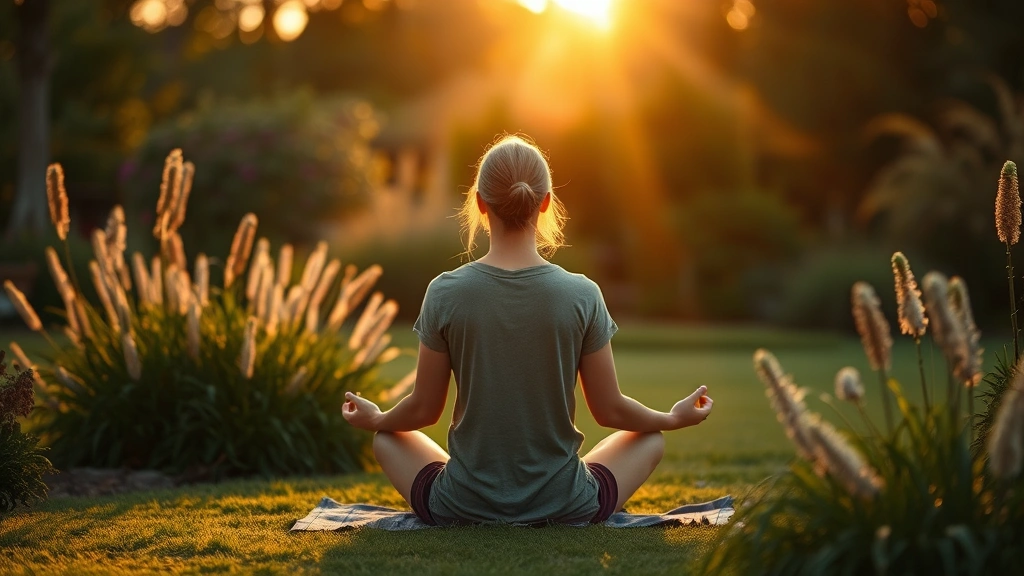
The Complete Guide to Mindfulness Meditation for Beginners
Mindfulness meditation has become one of the most transformative practices in modern wellness, offering profound benefits for mental clarity, emotional resilience, and overall well-being. Whether you’re seeking relief from stress, looking to improve focus, or simply curious about meditation, this comprehensive guide will walk you through everything you need to know to start your mindfulness journey today.
In our fast-paced world filled with constant distractions and digital demands, the ancient practice of mindfulness meditation provides a sanctuary for the mind. Research consistently demonstrates that regular meditation practice can reduce anxiety, enhance concentration, and foster emotional balance. The beauty of mindfulness lies in its simplicity—anyone can practice it, regardless of age, background, or prior experience.
This guide draws from evidence-based practices and expert insights to help you establish a sustainable meditation routine. We’ll explore the fundamentals of mindfulness, practical techniques for beginners, and strategies to overcome common obstacles that arise when starting a meditation practice.
Table of Contents
- What Is Mindfulness Meditation?
- The Science-Backed Benefits
- Getting Started: Essential Basics
- Beginner-Friendly Meditation Techniques
- Overcoming Common Meditation Challenges
- Building Your Daily Practice
- Progressing Beyond Beginner Level
- Frequently Asked Questions
What Is Mindfulness Meditation?
Mindfulness meditation is the practice of maintaining present-moment awareness without judgment. It involves focusing your attention on your breath, bodily sensations, thoughts, or emotions while observing them with curiosity rather than criticism. Unlike some forms of meditation that aim to empty the mind completely, mindfulness welcomes all experiences and teaches us to relate to them differently.
The core principle of mindfulness is non-judgmental observation. When thoughts arise—and they will—you simply notice them without labeling them as good or bad, then gently return your attention to your chosen focal point. This practice of noticing and redirecting attention is like training a muscle; it becomes easier and more natural with consistent effort. Many practitioners find that improving focus through meditation extends far beyond their sitting practice into daily life.
Mindfulness has roots in Buddhist contemplative traditions dating back over 2,500 years, though modern secular mindfulness programs have adapted these techniques for contemporary audiences. Today, mindfulness meditation is practiced in corporate offices, hospitals, schools, and homes worldwide, making it one of the most accessible wellness tools available.
The Science-Backed Benefits
Extensive neuroscientific research has documented the transformative effects of regular meditation practice. Brain imaging studies show that mindfulness meditation increases gray matter density in areas associated with learning, memory, and emotional regulation. The practice literally rewires your brain for greater resilience and clarity.
One of the most significant benefits is stress reduction. When you practice mindfulness, you activate your parasympathetic nervous system—the body’s natural relaxation response. This counteracts the constant activation of your stress response system caused by modern life pressures. Studies show that consistent practitioners experience measurably lower cortisol levels, the primary stress hormone.
Beyond stress relief, meditation enhances emotional intelligence and emotional regulation. By observing your emotions without immediately reacting to them, you create space for more intentional responses. This ability transforms relationships, workplace interactions, and overall life satisfaction. Additionally, mindfulness supports better sleep quality, reduced anxiety symptoms, improved immune function, and enhanced creative thinking.
Research from prestigious institutions like Harvard Medical School and MIT has validated these benefits, making mindfulness meditation an evidence-based intervention recommended by healthcare providers worldwide. The consistency of results across diverse populations demonstrates that these benefits aren’t dependent on belief—they’re neurobiological facts.
Getting Started: Essential Basics
Beginning a meditation practice requires minimal preparation, though a few foundational elements ensure success. First, choose a quiet location where you won’t be interrupted. This doesn’t need to be elaborate—a corner of your bedroom, a park bench, or even your car can serve as your meditation space. The key is consistency; meditating in the same location helps your mind associate that space with calm focus.
Next, establish a specific time for practice. Many beginners find success meditating first thing in the morning before daily demands accumulate. Even just 5-10 minutes at a consistent time builds momentum more effectively than sporadic 20-minute sessions. Your brain begins anticipating this peaceful interval and naturally settles more quickly into meditation.
Consider your physical setup carefully. Sit in a comfortable upright position—this can be on a cushion, chair, or meditation bench. The goal is alertness without tension. Your spine should be naturally straight, your hands resting gently on your lap or knees, and your head level. Many beginners worry about achieving perfect posture; remember that proper meditation positioning simply means whatever allows you to remain alert and comfortable for your practice duration.
Gather any tools that might support your practice. A meditation cushion, timer, and perhaps a meditation app can enhance your experience. However, these aren’t necessary—your breath and awareness are sufficient for a complete practice. Some practitioners prefer guided meditation to help maintain focus, while others prefer silent practice. Both approaches are equally valid.
Beginner-Friendly Meditation Techniques
The most fundamental technique for beginners is breath awareness meditation. Sit comfortably, close your eyes gently, and simply notice your natural breathing. Don’t try to control your breath or breathe in any special way—just observe the sensation of air entering and leaving your nostrils, or the rise and fall of your chest. When your mind wanders, gently redirect your attention back to your breath. This wandering and redirecting is the actual practice, not a failure.
Body scan meditation offers another accessible entry point. Lying down or sitting, systematically bring your awareness through each part of your body, from your toes to the crown of your head. Notice sensations without judgment—warmth, coolness, tingling, numbness, tension, or relaxation. This technique develops body awareness and helps release stored tension. Many people use body scan techniques for deep relaxation before sleep.

Loving-kindness meditation cultivates compassion and emotional warmth. Begin by directing well-wishes toward yourself: mentally repeat phrases like “May I be happy, may I be healthy, may I be safe, may I live with ease.” Then extend these wishes to loved ones, neutral people, difficult people, and finally all beings. This practice counteracts negativity bias and builds emotional resilience.
Walking meditation brings mindfulness into movement. Slowly walk while focusing on the physical sensations of each step—the contact of your feet with the ground, the movement of your legs, the rhythm of your walking. This practice is particularly useful when sitting meditation feels challenging or when you want to practice during daily activities.
Mantra meditation involves silently repeating a word, phrase, or sound to anchor attention. You might use traditional mantras like “Om” or simple phrases like “I am present” or “Peace.” The mantra serves as your focal point, similar to breath in breath awareness meditation. Different mantras may resonate more strongly with different individuals, so exploring various mantra options helps you find what works best for you.
Overcoming Common Meditation Challenges
“My mind is too busy to meditate” is perhaps the most common concern beginners express. However, a busy mind doesn’t disqualify you from meditation—it’s actually the point of practice. Meditation isn’t about achieving a blank mind; it’s about noticing your mind’s activity and gently redirecting attention. Your busy thoughts are perfect material for practice.
Restlessness and physical discomfort often challenge new practitioners. If you find yourself unable to sit still, try shorter sessions initially—even 3 minutes counts. Gradually increase duration as your body becomes accustomed to sitting. Ensure your posture truly is comfortable; poor positioning creates unnecessary distraction. Remember that addressing physical discomfort in meditation is part of the learning process.
Many beginners struggle with consistency and motivation. Combat this by starting extremely small—commit to just 5 minutes daily rather than ambitious 30-minute sessions. Track your practice with a simple calendar or app; seeing your consistency builds motivation. Share your practice with others or join a meditation group for accountability and community support.
Impatience about results derails some practitioners. Remember that meditation benefits accumulate gradually through consistent practice. You won’t necessarily feel dramatically different after one session, but over weeks and months, shifts become undeniable. Trust the process and focus on showing up rather than achieving specific outcomes.
Drowsiness during meditation frustrates many beginners. If you find yourself constantly nodding off, try meditating at a different time when you’re more alert, or practice with eyes slightly open. Some practitioners find that maintaining alertness during meditation improves with consistent practice as their nervous system recalibrates.
Building Your Daily Practice
Establishing a sustainable daily practice requires intentional design. Begin by anchoring meditation to an existing habit—meditate immediately after your morning coffee, before lunch, or as part of your evening wind-down routine. This habit stacking makes meditation feel like a natural part of your day rather than an additional obligation.
Create a simple ritual that signals to your brain that meditation time has begun. This might involve lighting a candle, ringing a bell, or simply closing your bedroom door. These sensory cues trigger your nervous system to shift into meditation mode more quickly, deepening your practice over time.
Track your practice in a journal, noting not just that you meditated but how you felt before and after. Over time, you’ll observe patterns—perhaps noticing that meditation particularly helps on stressful days or that you feel more creative after practice. These observations reinforce motivation and help you appreciate benefits that might otherwise seem subtle.
Consider exploring different meditation styles to maintain interest and address varying needs. You might use guided meditation for deeper relaxation some days and silent practice other days. This variety prevents meditation from becoming routine or boring while addressing different aspects of well-being.
Join a meditation community or find an accountability partner. Practicing with others—whether in person or through online groups—creates motivation and provides support when challenges arise. Many communities offer classes, discussion groups, and shared meditation experiences that enrich individual practice.
Progressing Beyond Beginner Level
After establishing consistent practice, you’ll naturally progress to deeper levels of meditation. Your ability to maintain focus improves, and you’ll notice more subtle aspects of your experience. Many practitioners become interested in exploring longer sessions, more challenging techniques, or specific meditation traditions.
Silent retreats offer intensive practice opportunities where you meditate for multiple hours daily in supportive environments. These retreats, ranging from single days to several weeks, provide profound insights and accelerate your practice development. Even a weekend retreat significantly deepens your meditation skills and understanding.
Advanced practitioners often explore traditional Buddhist meditation practices or study with experienced teachers. Learning from qualified instructors provides personalized guidance, corrects subtle misunderstandings, and introduces sophisticated techniques. Many teachers recommend that serious practitioners study with experienced meditation teachers to ensure proper development.
As your practice matures, you may develop interest in integrating meditation with other contemplative practices like yoga, tai chi, or energy work. These complementary practices support and deepen your meditation journey while offering additional benefits. The key is allowing your practice to evolve naturally according to your interests and intuition.
Advanced practitioners report experiences of profound peace, expanded awareness, and transformative insights. However, managing expectations about meditation experiences remains important at every level. Meditation develops gradually; trusting your process while remaining open to unexpected developments creates the most fruitful practice.
Frequently Asked Questions
How long does it take to experience meditation benefits?
Some benefits appear immediately—many practitioners report feeling calmer and more focused after just one session. However, deeper benefits like sustained emotional balance and permanent shifts in how you relate to stress typically develop over weeks and months of consistent practice. Most research suggests that noticeable changes occur within 8-12 weeks of daily 10-15 minute sessions.
Can I meditate lying down instead of sitting?
While lying down feels comfortable, it often leads to drowsiness because your body associates lying down with sleep. Sitting meditation maintains alertness better, supporting deeper practice. However, if you have physical limitations preventing sitting, lying down is perfectly acceptable. Some practitioners use lying meditation specifically for relaxation or before sleep, while reserving sitting practice for clarity and focus development.
What should I do if I fall asleep during meditation?
Falling asleep occasionally happens to most practitioners and isn’t failure—it indicates your nervous system needed rest. However, if you consistently fall asleep, try meditating at a different time when you’re more alert, sit upright without back support, or practice with eyes slightly open. Some find that shorter, more frequent sessions help them stay alert while building stamina.
Do I need to follow a specific religion to practice meditation?
Modern mindfulness meditation is secular and compatible with any religious tradition or none at all. While meditation has Buddhist roots, contemporary mindfulness has been adapted for universal application. Many Christians, Muslims, Jews, and practitioners of other faiths successfully integrate meditation into their spiritual lives. Meditation is fundamentally about training attention and awareness—skills valuable to everyone regardless of belief system.
How do I know if I’m meditating correctly?
There’s no single “correct” way to meditate. If you’re sitting comfortably, focusing on your chosen anchor (breath, mantra, sensation, etc.), and gently redirecting attention when your mind wanders, you’re meditating correctly. Don’t judge your meditation by how your mind feels during practice. Trust that consistent practice itself is the goal, not achieving any particular mental state.
Can meditation replace therapy or medical treatment?
Meditation is a powerful complementary practice but shouldn’t replace professional mental health treatment or medical care. If you’re dealing with depression, anxiety disorders, or serious health conditions, consult healthcare providers. Meditation works beautifully alongside therapy, medication, and medical treatment, often enhancing their effectiveness. Always inform your healthcare providers about your meditation practice.
What if I can’t focus and keep getting distracted?
Difficulty focusing is incredibly common, especially for beginners. Your mind wandering repeatedly is actually perfect—it gives you opportunities to practice redirecting attention, which is the real work of meditation. Some find that shorter sessions feel more manageable initially. Others benefit from guided meditations that provide external focus support. Remember that a “good” meditation isn’t about perfect focus; it’s about showing up and practicing.


