
Boost Focus in Studies: Liberty University’s Insights on Clinical Mental Health Counseling
Maintaining sharp focus while pursuing rigorous academic programs like clinical mental health counseling at Liberty University presents unique challenges. Students in this demanding field must balance theoretical knowledge, practical skills, and emotional resilience while managing coursework that directly impacts their ability to help others. The intersection of academic rigor and mental health awareness creates an opportunity to develop both scholarly excellence and psychological wellness.
Liberty University’s approach to clinical mental health counseling education emphasizes not just what students learn, but how they learn it. This institution recognizes that future mental health professionals must model the very focus and concentration techniques they’ll eventually teach their clients. By understanding evidence-based strategies for maintaining attention and reducing cognitive load, students can excel academically while building professional competencies simultaneously.
Understanding Focus and Cognitive Science
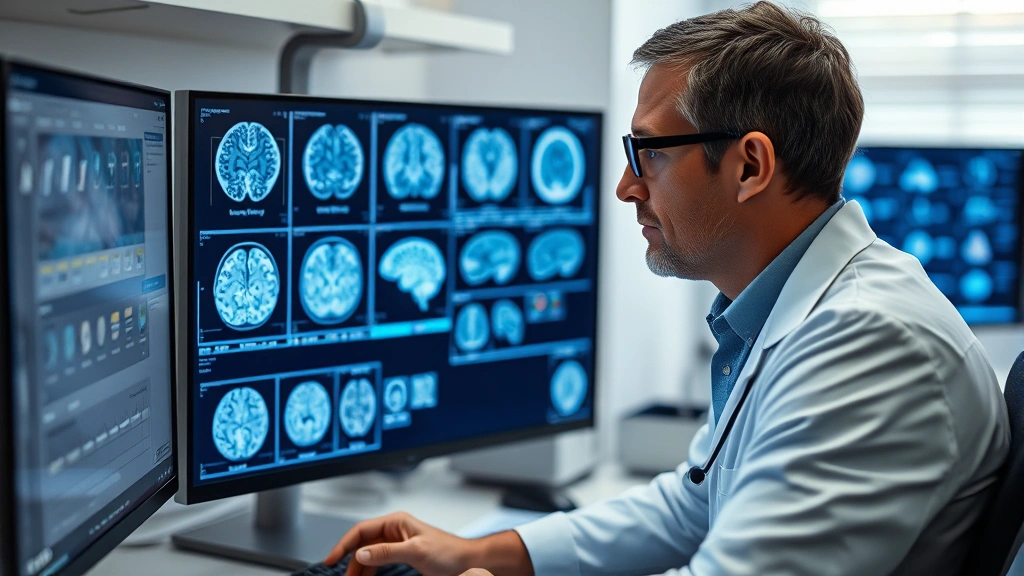
Focus represents far more than simple willpower or discipline. Neuroscience research demonstrates that concentration is a measurable neurological process involving the prefrontal cortex, anterior cingulate cortex, and parietal regions. When studying clinical mental health counseling materials, your brain must filter thousands of sensory inputs while maintaining working memory of complex psychological concepts.
Recent neuroscience research from Nature shows that attention operates through distinct networks: the dorsal attention network for voluntary focus and the ventral attention network for stimulus-driven responses. Understanding these systems helps students recognize why certain environments promote concentration while others fragment attention.
The default mode network (DMN), active during mind-wandering, competes with task-positive networks during study sessions. This explains why your thoughts drift to unrelated concerns even when you’re motivated to focus on clinical mental health counseling internships or coursework. By recognizing this competition, students can implement targeted interventions rather than blaming themselves for normal cognitive processes.
Neurotransmitters including dopamine, norepinephrine, and acetylcholine regulate attention capacity. Dopamine particularly influences motivation and reward-seeking behavior, making it crucial for sustained study sessions. Liberty University’s counseling program acknowledges that focus isn’t purely psychological—it’s biochemical, and optimizing these systems requires understanding how lifestyle factors influence neurotransmitter availability.

Liberty University’s Educational Framework
Liberty University integrates focus and wellness directly into its clinical mental health counseling education philosophy. Rather than treating focus as peripheral to clinical training, the university recognizes that students who master concentration develop superior diagnostic and therapeutic skills. This framework rests on three pillars: self-awareness, structured learning design, and evidence-based wellness integration.
The curriculum incorporates principles from cognitive psychology, recognizing that how information is presented directly impacts retention and application. Case-based learning, peer discussion, and reflective practice activate multiple neural pathways simultaneously, deepening encoding compared to passive lecture formats. Students studying diagnostic criteria or therapeutic modalities engage their prefrontal cortex through active problem-solving rather than rote memorization.
Liberty’s emphasis on Christian worldview within mental health counseling adds another dimension to focus and concentration. Research indicates that spiritual practices including prayer and meditation enhance attentional control through strengthening prefrontal-limbic connections. Students integrating faith perspectives with clinical training often report improved focus during challenging coursework, as meaning-making enhances motivation.
The university also acknowledges the particular stressors facing mental health counseling students. Exposure to traumatic client narratives, vicarious trauma, and the emotional labor of developing therapeutic presence all tax cognitive resources. By teaching focus techniques explicitly, Liberty prepares students to maintain professional boundaries while sustaining deep engagement with client material.
Neuroscience-Backed Focus Strategies
Understanding the neurobiological basis of attention enables implementation of genuinely effective focus techniques. These aren’t mere productivity hacks—they’re interventions grounded in how your brain actually operates. Students pursuing mental health education benefit from strategies specifically calibrated to their cognitive demands.
Ultradian Rhythm Alignment: Rather than arbitrary 25-minute Pomodoro intervals, align study sessions with your brain’s natural ultradian rhythms (90-120 minute cycles). Research on chronobiology shows that working with these cycles rather than against them produces superior focus and reduced fatigue. After each 90-minute window, take 15-20 minute breaks allowing your parasympathetic nervous system to recover.
Strategic Caffeine Timing: Caffeine blocks adenosine receptors, temporarily preventing the buildup of sleep pressure that signals fatigue to your brain. However, consuming caffeine immediately upon waking wastes its potency. Wait 90 minutes after waking (allowing cortisol to naturally peak) before consuming caffeine, then time doses strategically around focus-intensive study sessions.
Attentional Blink Exploitation: Your brain experiences microseconds of reduced attentional capacity after processing significant information. For clinical mental health counseling students reviewing case studies, this means inserting brief visual breaks after processing complex diagnostic information. These micro-pauses actually strengthen focus by allowing neural consolidation.
Meditation and mindfulness training demonstrate measurable impacts on attentional networks. Neuroscience evidence shows that eight weeks of mindfulness practice increases gray matter density in attention-related brain regions. Even 10-minute daily sessions enhance the ability to redirect attention when mind-wandering occurs—invaluable for sustained study.
Motor Movement Integration: Physical movement before and during study sessions activates the reticular activating system, increasing alertness. Standing while reviewing diagnostic manuals, taking walking breaks between sections, or incorporating brief stretching sequences maintains arousal levels without relying on stimulants.
Managing Academic Overwhelm
Clinical mental health counseling programs demand integration of psychological theory, research literature, practical skills, and ethical considerations simultaneously. This cognitive load often exceeds working memory capacity, fragmenting focus. Strategic load management prevents overwhelm while maintaining deep learning.
Cognitive Load Theory Application: Separate intrinsic load (inherent complexity of material) from extraneous load (poorly designed study materials). When reviewing Christianity and mental health intersections or diagnostic frameworks, use materials that reduce extraneous load through clear organization, relevant examples, and progressive complexity sequencing.
Chunking and Schema Development: Rather than memorizing isolated facts about therapeutic modalities, organize information into meaningful patterns. Group cognitive-behavioral, acceptance-commitment, and dialectical behavior therapies under transdiagnostic mechanisms. This chunking reduces cognitive load while strengthening neural networks for retrieval and application.
Interleaving vs. Blocking: While blocked practice (repeated exposure to single topics) feels efficient, interleaved practice (mixing different concepts) produces superior retention and transfer. Study diagnostic criteria for multiple disorders in single sessions rather than mastering one disorder completely before moving forward. This challenges your brain productively, strengthening discrimination abilities.
Distributed practice over time dramatically outperforms cramming despite feeling less efficient initially. Spacing study sessions across weeks rather than concentrating them before exams allows consolidation processes to strengthen neural connections. This spacing effect represents one of psychology’s most robust findings, applicable whether studying for board exams or integrating habit formation principles into clinical practice.
Metacognitive Monitoring: Regularly assess your actual understanding rather than relying on familiarity. Test yourself frequently, explaining concepts aloud, and identifying genuine knowledge gaps. This metacognitive accuracy prevents the illusion of competence—the false sense of mastery that actually undermines focus and preparation.
Practical Techniques for Daily Implementation
Evidence-based focus strategies mean little without consistent implementation. These concrete techniques translate neuroscience into daily study routines for Liberty University students and others pursuing mental health counseling education.
Implementation Intentions: Rather than vague goals like “focus better on DSM-5 criteria,” create specific if-then plans: “If I sit at my desk, then I immediately silence my phone and open only my diagnostic manual.” This approach bypasses decision fatigue and leverages automatic behaviors, reducing willpower demands.
Environmental Design: Your physical environment directly influences attention capacity. Designate a specific study location used exclusively for focused work. Remove visual clutter, ensure comfortable temperature (slightly cool environments enhance alertness), and eliminate access to distracting websites through app blockers or separate devices.
Pre-Study Rituals: Consistent rituals signal to your brain that focus-intensive work is beginning, activating attentional networks. This might involve specific music, herbal tea, brief meditation, or reviewing session objectives. These rituals create psychological anchors that enhance focus through classical conditioning mechanisms.
Active Note-Taking Systems: Passive highlighting and rereading produce illusions of learning without consolidating memory. Instead, employ Cornell notes or concept mapping—systems requiring active processing and organization. When studying clinical mental health counseling concepts, force yourself to translate complex theories into personal examples or client scenarios.
Retrieval Practice: Spacing and testing effects demonstrate that retrieving information strengthens memory far more than restudying. Rather than reviewing case formulation frameworks repeatedly, test yourself: close your notes and attempt formulating a case based on client information. This retrieval struggle—despite feeling frustrating—optimizes learning.
Accountability Systems: External accountability enhances focus through social motivation mechanisms. Study groups, accountability partners, or public commitment to completing specific tasks leverage social psychology principles. Telling a colleague you’ll complete three chapters by Friday increases follow-through compared to private intentions.
Environmental and Social Factors
Focus doesn’t occur in isolation—your physical environment, social context, and relational dynamics profoundly influence concentration capacity. Clinical mental health counseling students benefit from understanding these contextual influences on attention.
Sleep Quality and Circadian Alignment: Sleep deprivation impairs prefrontal cortex function while leaving emotional reactivity intact—precisely the opposite of what mental health professionals need. Maintaining consistent sleep schedules (even weekends) synchronizes circadian rhythms, optimizing alertness during study hours. Most adults require 7-9 hours; tracking your actual sleep needs prevents assuming insufficient sleep isn’t affecting your focus.
Nutritional Support for Cognition: Stable blood glucose supports sustained attention better than energy drinks or sugary snacks. Consuming protein with complex carbohydrates before study sessions maintains steady glucose and dopamine levels. Omega-3 fatty acids support prefrontal cortex function, while excessive refined sugar impairs attention through inflammatory mechanisms.
Social Support and Peer Learning: While solo focused work is necessary, strategic peer interaction enhances focus and learning. Teaching material to classmates requires organization and retrieval—activating learning mechanisms more powerfully than solo review. Study groups discussing diagnostic challenges or therapeutic approaches deepen understanding while providing social connection that buffers stress.
Stress Management and Emotional Regulation: Chronic stress elevates cortisol, impairing prefrontal function and strengthening amygdala reactivity. Clinical mental health counseling students regularly encounter stressful content; implementing stress-reduction practices (exercise, social connection, nature exposure, meditation) becomes essential for maintaining focus capacity. These practices aren’t luxuries—they’re prerequisites for sustained attention.
Physical Activity Integration: Exercise enhances focus through multiple mechanisms: increasing BDNF (brain-derived neurotrophic factor), improving blood flow to the prefrontal cortex, and regulating neurotransmitters. Even brief 10-minute walking breaks between study sessions enhance subsequent focus compared to continuous sitting.
Technology and Digital Distractions
Modern technology simultaneously enables and undermines focus. For clinical mental health counseling students, managing digital distractions requires intentional strategies rather than relying on willpower alone.
Notification Management: Smartphone notifications fragment attention even when ignored. Research shows that mere awareness of notifications reduces available cognitive resources. Establish phone-free study periods, use app blockers, and batch-process communications during designated times rather than continuous availability.
Website and Application Blocking: Tools like Freedom, Cold Turkey, or LeechBlock prevent access to distracting websites during study sessions. Unlike willpower-dependent approaches, these tools create environmental constraints that reduce temptation. Particularly effective for students researching clinical topics while vulnerable to social media tangents.
Digital Note-Taking Considerations: While laptops enable efficient note organization, their internet connectivity creates distraction risks. Handwriting notes activates different neural pathways than typing, producing superior retention despite slower note-taking. When using devices, disable internet or use airplane mode during focused study sessions.
Strategic Technology Use: Rather than avoiding technology, leverage it strategically. Apps supporting spaced repetition (Anki, SuperMemory) optimize review scheduling. Productivity apps tracking focus sessions create accountability. Online study groups connect distributed learners. The distinction lies between passive technology consumption (scrolling) and active technology utilization (retrieval practice apps).
Sleep and Screen Exposure: Blue light from screens suppresses melatonin production, disrupting sleep quality. Establishing screen-free periods 1-2 hours before bedtime improves sleep, which directly enhances next-day focus. For clinical mental health counseling students managing heavy reading loads, this sleep-focus relationship proves especially critical.
The relationship between technology and focus represents an ongoing negotiation rather than absolute prohibition. Students pursuing focus and productivity improvement benefit from intentional technology choices aligned with their learning goals rather than arbitrary restrictions.
FAQ
How long does it take to develop strong focus habits?
Habit formation typically requires 66 days of consistent practice according to behavioral research, though simpler habits establish faster than complex ones. Focus skills show improvement within 2-3 weeks of consistent practice, with substantial enhancement visible after 8 weeks. The key is consistency—daily practice produces faster results than sporadic intensive efforts.
Can focus techniques help with clinical mental health counseling coursework specifically?
Absolutely. Clinical mental health counseling requires integrating complex theories, research evidence, diagnostic criteria, and therapeutic techniques. The cognitive load management, spaced retrieval practice, and interleaving strategies described here directly address these demands. Additionally, mastering focus techniques during studies models skills you’ll teach clients experiencing attention difficulties.
What if I have ADHD or diagnosed attention difficulties?
Many focus strategies benefit everyone, but ADHD-specific approaches may include medication management, extended breaks honoring your brain’s natural rhythms, movement-integrated studying, and external structure through accountability systems. Working with disability services at Liberty University or with mental health professionals ensures strategies align with your neurological profile rather than applying generic approaches.
How do I maintain focus during emotionally challenging coursework?
Clinical mental health counseling students regularly encounter traumatic narratives and emotionally demanding material. This requires emotional regulation skills alongside focus techniques. Taking brief emotional regulation breaks (breathing exercises, grounding techniques), processing difficult material with peers or supervisors, and maintaining strong self-care practices all support sustained attention despite emotional intensity.
Should I study longer hours to improve grades?
Research consistently shows that longer study hours without strategic breaks produce diminishing returns. Quality of focus matters far more than quantity of hours. A 90-minute focused session produces superior learning compared to five hours of fragmented, low-concentration studying. Prioritize deep focus during your most alert hours over extending total study duration.
How do focus techniques apply beyond academics?
The neurobiological principles underlying clinical focus apply across contexts. These techniques enhance professional work, personal relationships (which benefit from genuine attention), creative projects, and wellness practices. Clinical mental health counseling professionals who’ve mastered focus during their education maintain these advantages throughout their careers, improving therapeutic presence and diagnostic accuracy.


