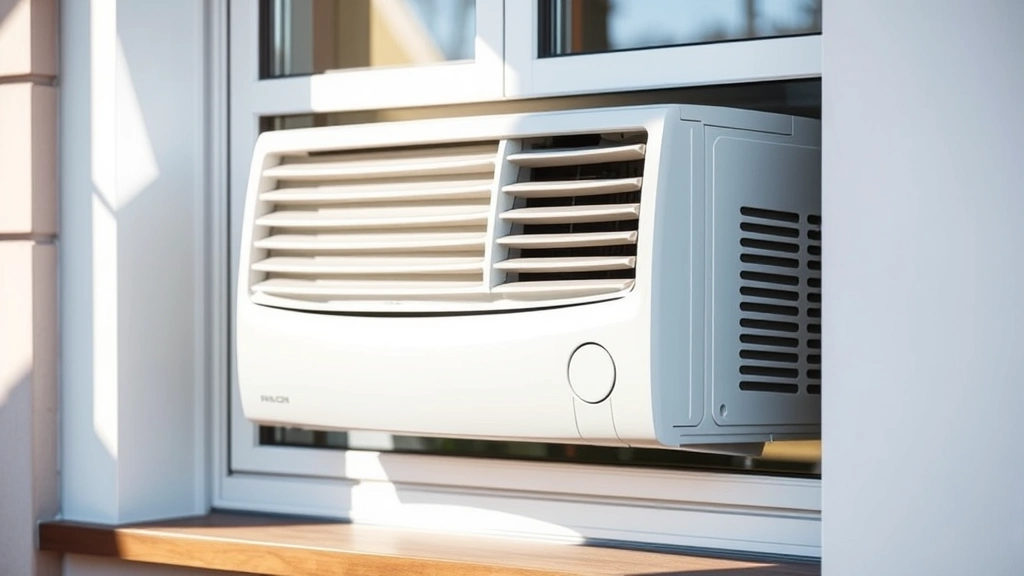
Is Your AC Window Unit Energy Efficient? Find Out
Your window air conditioner is humming along, keeping your room pleasantly cool during those sweltering summer months. But here’s the uncomfortable truth: that unit might be silently draining your wallet and your home’s energy reserves. Many people assume their AC window units are reasonably efficient because they’re smaller than central systems, but efficiency is far more nuanced than size alone.
Energy efficiency in air conditioning isn’t just about environmental responsibility—though that matters too. It’s about understanding what you’re actually paying for every time that compressor kicks in. The difference between an efficient and inefficient window unit can mean hundreds of dollars annually, plus the mental burden of knowing you’re wasting resources unnecessarily.
This article cuts through the marketing noise and technical jargon to help you genuinely understand whether your window AC unit is working as efficiently as it should be. We’ll explore what makes a unit efficient, how to evaluate yours, and what actionable steps you can take right now.
Understanding AC Window Unit Efficiency Ratings
Before diving into whether your unit is efficient, you need to understand the language manufacturers use. Efficiency ratings aren’t arbitrary numbers—they’re standardized measurements that allow you to compare different models objectively. The challenge is that most people never look at these specifications, relying instead on brand names or the salesperson’s assurances.
Energy efficiency for window AC units is measured using the Energy Efficiency Ratio (EER), which tells you how much cooling power you get per watt of electricity consumed. Think of it as the return on investment for every dollar of electricity you spend. A higher EER means your unit delivers more cooling for less energy consumption. The U.S. Department of Energy sets minimum EER standards, and modern units typically range from 8.5 to 11 or higher for quality models.
The efficiency of your window unit also connects to broader concepts of performance optimization. Just as 92x performance improvements require systematic evaluation, assessing your AC’s efficiency demands looking at multiple factors working in concert. Your unit doesn’t exist in isolation—it’s part of your home’s overall thermal management system.
Interestingly, maintaining focus on energy consumption patterns can improve your awareness of efficiency issues. When you’re mindful of when and how you use your AC, you naturally optimize its performance. This connects to the broader principle of 3 ways to improve work performance, which emphasizes intentional awareness and systematic improvement—principles that apply equally to home energy management.
EER and SEER: What These Numbers Actually Mean
You’ll often see two acronyms floating around: EER and SEER. While they’re related, they measure different things, and understanding the distinction is crucial for evaluating your window unit.
EER (Energy Efficiency Ratio) measures performance under specific conditions: 95°F outdoor temperature, 80°F indoor temperature, and 50% humidity. It’s essentially a snapshot of efficiency under typical peak cooling demand. For window units, this is the most relevant metric because window ACs rarely operate under the varied seasonal conditions that SEER measures.
SEER (Seasonal Energy Efficiency Ratio) averages efficiency across an entire cooling season with varying temperatures. It’s more comprehensive but less directly applicable to window units, which don’t have the seasonal variation that central systems experience. Think of EER as a specific performance test and SEER as an annual average.
Modern window AC units with solid efficiency typically have an EER of 10 or higher. If your unit was purchased before 2015, it likely has an EER between 8.5 and 10. Anything below 8.5 is considered inefficient by current standards, though it may still function adequately.
The relationship between energy consumption and mental clarity matters more than you might think. When your living space is uncomfortably hot, your cognitive performance suffers. Ensuring your AC operates efficiently maintains optimal conditions for focus and comfort. This is why 5 stages of mental health recovery includes environmental optimization—your physical surroundings directly impact your mental state and ability to concentrate.
For those interested in power efficiency standards, examining 650 watts 80 plus certified efficiency principles reveals how rigorous testing standards ensure products deliver promised performance. Similar certification rigor applies to air conditioning units.
How to Check Your Unit’s Efficiency
Ready to assess your own window AC unit? Start with the easiest method: locate the EnergyGuide label on your unit or in the manual. This yellow label displays the EER rating prominently, making comparison straightforward. If your unit predates EnergyGuide labeling (before the mid-2000s), you’ll need to find the model number and look up specifications online through the manufacturer’s database or the Department of Energy’s Air Conditioner Database.
Here’s a practical evaluation process:
- Find your model and serial number (usually on a sticker inside the unit or in your purchase documentation)
- Search the manufacturer’s specifications on their website or contact customer service
- Note the EER rating and compare it to current standards (10+ is good)
- Calculate age-adjusted expectations (older units naturally have lower EER ratings)
- Assess actual performance by monitoring your electricity bills during cooling season
Your electricity bills tell an important story. Compare your usage during peak cooling months year-over-year. If consumption is increasing while outdoor temperatures remain similar, your unit’s efficiency is likely declining. This could indicate refrigerant leaks, dirty coils, or worn compressors.
Understanding performance metrics extends beyond technical specifications. Just as 777 performance standards establish benchmarks for excellence, AC efficiency standards provide clear performance targets. Knowing these benchmarks helps you distinguish between acceptable and substandard units.
Common Efficiency Mistakes People Make
People sabotage their AC efficiency in surprisingly consistent ways. Recognizing these mistakes is the first step toward correction.
Setting the thermostat too low: Your AC doesn’t cool faster at 62°F than 72°F—it just runs longer and works harder. Each degree below your comfort threshold increases energy consumption by roughly 3-5%. The efficiency rating assumes normal operating conditions, not extreme settings.
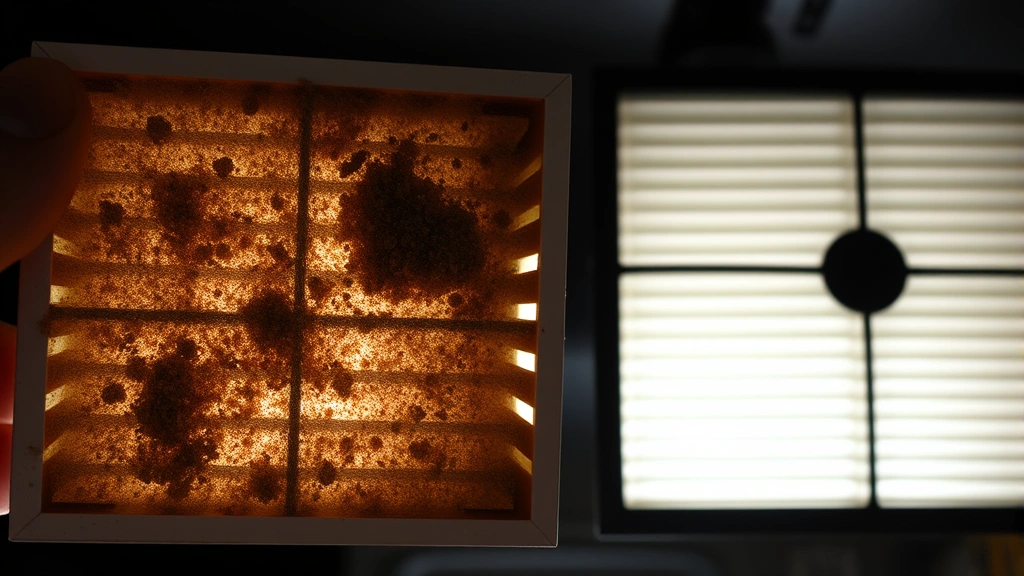
Ignoring air filter maintenance: A clogged filter forces your unit to work significantly harder to pull air through the system. This dramatically reduces efficiency and can damage the compressor over time. Replace or clean filters monthly during cooling season. This simple maintenance is often the difference between a unit operating at rated efficiency versus 20-30% degraded performance.
Blocking airflow: Closing vents, placing furniture in front of the unit, or hanging heavy curtains directly in front of the AC restricts air circulation. Your unit works harder to achieve the same cooling, reducing effective efficiency.
Running the AC with doors and windows open: This seems obvious, but many people leave windows cracked for fresh air while running AC, essentially trying to cool the outdoors. Seal your space properly before running the unit.
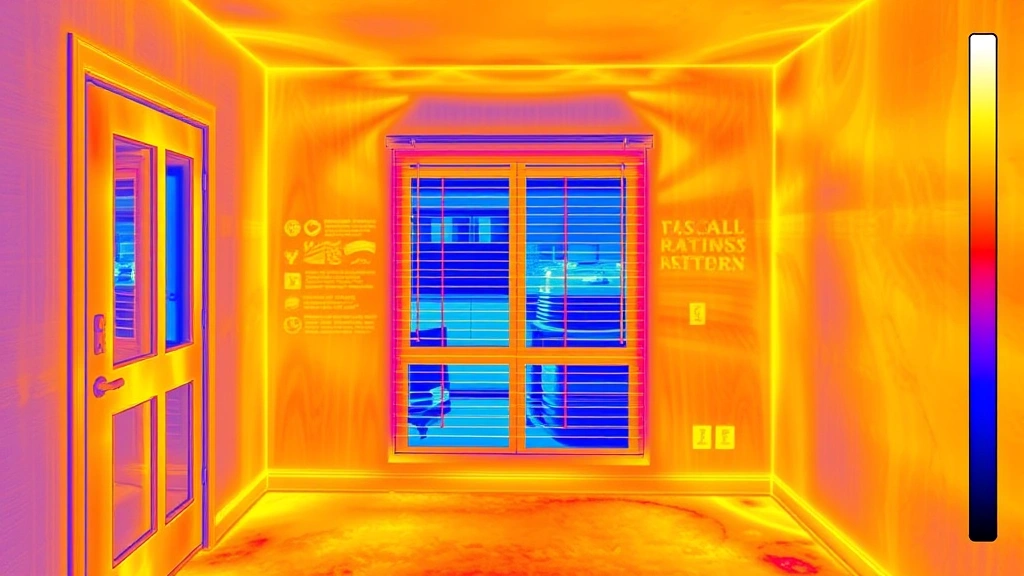
Poor installation: Window units need proper sealing around all edges. Gaps allow cool air to escape and warm air to enter, forcing the compressor to run continuously. Many people install their units incorrectly, never achieving the manufacturer’s efficiency specifications.
Neglecting outdoor coil cleaning: The external condenser coil accumulates dust and debris over time. A dirty outdoor coil significantly reduces heat transfer efficiency. Annual professional cleaning or DIY maintenance (with proper precautions) can restore 10-15% of lost efficiency.
Optimizing Your Window AC Performance
Assuming your window unit is reasonably efficient, you can still optimize its performance through deliberate practices:
Strategic thermostat management: Set your AC to a comfortable temperature and leave it there. Constantly adjusting the temperature confuses the system and reduces efficiency. Programmable thermostats (available for some window units) allow you to schedule cooling around your actual occupancy patterns.
Maximize shade: Close blinds and curtains during the hottest parts of the day. This reduces the cooling load your AC must handle. External shade (awnings, shade screens) is even more effective than internal solutions because it blocks heat before it enters your space.
Improve insulation around the unit: Use weatherstripping and sealant around the window frame where the unit is installed. This prevents air leakage and maintains the temperature differential your AC creates.
Use ceiling fans strategically: Fans don’t cool air, but they circulate it efficiently. Running a ceiling fan on low while using AC helps distribute cool air more evenly, allowing you to set the thermostat slightly higher without sacrificing comfort.
Maintain regular cleaning schedules: Clean filters monthly, vacuum the exterior coils quarterly, and have the unit professionally serviced annually. This consistent maintenance ensures your unit operates at or near its rated efficiency throughout its lifespan.
Consider your usage patterns: If you only need cooling in one room, a window unit is inherently more efficient than central air. However, if you’re cooling multiple rooms, central air or multiple efficient units might prove more economical long-term.
When to Replace Your Unit
Even with perfect maintenance, AC units eventually decline in efficiency. Knowing when replacement makes financial sense requires honest assessment of your current unit’s condition and performance.
Window AC units typically last 8-12 years with proper maintenance. After 10 years, efficiency degradation becomes noticeable. Here’s how to decide whether replacement makes sense:
Calculate the cost-benefit: If your unit costs $400 and runs 8 hours daily for 6 months at an average electricity rate, determine your annual operating cost. Compare this to a new efficient unit’s operating cost. If the difference is $150-200 annually, replacement pays for itself in 2-3 years.
Assess repair frequency: Once repairs exceed 50% of a new unit’s cost, replacement is economically justified. A $300 repair on a unit worth $400 suggests replacement time.
Consider environmental impact: Older units often contain refrigerants being phased out. Newer units use environmentally friendlier refrigerants. If your unit requires refrigerant service, replacement might align with environmental responsibility.
Evaluate your comfort needs: Modern efficient units often run quieter, with better temperature control and air filtration. These quality-of-life improvements justify replacement even if your old unit technically still works.
When shopping for a replacement, prioritize EER ratings above 10, and consider that higher efficiency units cost more upfront but deliver significant long-term savings. Calculate the payback period: divide the price difference by annual savings to determine how long until the efficient model pays for itself through reduced electricity costs.
Frequently Asked Questions
What EER rating should I look for in a window AC unit?
Look for an EER rating of 10 or higher for modern window units. Units rated 11+ are considered highly efficient. Anything below 8.5 is outdated by current standards. Your specific needs depend on your local electricity rates—in areas with high electricity costs, investing in a unit with EER 11+ provides faster payback through reduced bills.
How much can I save by upgrading to a more efficient window AC unit?
A typical household cooling one room with a window AC unit might spend $200-400 annually on electricity. Upgrading from an EER 8.5 unit to an EER 11 unit could reduce this by 20-25%, saving $40-100 yearly. Over a 10-year lifespan, this represents $400-1,000 in cumulative savings, often exceeding the price difference between units.
Does the size of the window AC unit affect its efficiency rating?
Size (measured in BTUs—British Thermal Units) doesn’t directly determine efficiency. A large inefficient unit and small inefficient unit both have low EER ratings. However, choosing the correctly sized unit for your space is crucial. An oversized unit cycles on and off frequently, reducing efficiency. An undersized unit runs continuously, also reducing efficiency. Proper sizing ensures your unit operates in its optimal efficiency range.
Can I improve my window AC unit’s efficiency without replacing it?
Absolutely. Regular maintenance (clean filters, outdoor coil cleaning, proper sealing) can restore 10-20% of lost efficiency. Behavioral changes (appropriate thermostat settings, proper shade management, sealing air leaks) can improve effective efficiency by 15-25%. These improvements cost minimal money but require consistent attention.
What’s the difference between a window AC unit and a portable AC unit in terms of efficiency?
Window units are typically more efficient because they exhaust hot air directly outside through the window. Portable units often exhaust through a flexible duct, which can leak and reduce efficiency. Additionally, portable units’ design sometimes compromises airflow patterns. For maximum efficiency, window-mounted units generally outperform portable alternatives.
How often should I service my window AC unit professionally?
Annual professional service before the cooling season begins is ideal. This includes checking refrigerant levels, inspecting the compressor, cleaning internal and external coils, and verifying electrical connections. Some units with good maintenance records might only need service every 2-3 years, but annual checkups prevent efficiency degradation and extend unit lifespan.
Are Energy Star certified window AC units worth the premium price?
Energy Star certification indicates the unit meets strict efficiency standards, typically EER 11 or higher. While these units cost more upfront, they deliver measurable electricity savings. For someone who runs their AC extensively, the premium pays back within 2-4 years. For occasional use, the payback extends longer, making premium certification less critical financially.


