
What Is Addy Focus Stimulant? Expert Guide to Enhanced Concentration
In a world where distractions multiply faster than your email inbox, the quest for sharper focus has become a legitimate pursuit. Enter Addy Focus stimulant—a term that’s been gaining traction among professionals, students, and anyone serious about optimizing their cognitive performance. But what exactly is it, and does it live up to the hype?
The modern workplace demands more from our brains than ever before. We’re juggling multiple projects, managing notifications, and trying to maintain deep concentration in an environment specifically designed to fragment our attention. It’s no wonder that focus-enhancing supplements have become a multi-billion dollar industry. Yet not all focus stimulants are created equal, and understanding what you’re actually putting into your body is the first step toward making an informed decision.
This guide cuts through the marketing noise and delivers what you actually need to know about Addy Focus stimulant—from its composition and how it works, to realistic expectations about its effectiveness and potential considerations you should weigh before trying it.
What Is Addy Focus Stimulant?
Addy Focus stimulant is a nootropic supplement—a category of products designed to enhance cognitive function, particularly mental clarity and concentration. Unlike prescription medications like Adderall (which contains amphetamine salts), Addy Focus positions itself as an over-the-counter alternative that claims to support focus without requiring a prescription.
The product sits in an interesting market space. It’s not a pharmaceutical drug, but it’s marketed with specific cognitive benefits. This distinction matters significantly because it determines how the product is regulated, what claims can be made about it, and what quality controls are in place. Understanding this positioning helps explain why some people turn to it as an alternative approach to focus enhancement.
The supplement industry has exploded with products making similar promises. From Addall XR supplements to various other nootropic formulations, consumers have no shortage of options. What sets Addy Focus apart—or doesn’t—depends largely on its specific formulation and the evidence supporting its ingredients.

How Does It Work?
The theoretical mechanism behind Addy Focus stimulant involves several neurochemical pathways. Most focus supplements claim to work by increasing the availability of neurotransmitters like dopamine and norepinephrine, which are directly involved in attention, motivation, and executive function.
Here’s the simplified version of what happens in your brain when you’re focused: specific neurotransmitter systems activate, allowing information to flow more efficiently through your prefrontal cortex—the area responsible for concentration and decision-making. When these systems aren’t functioning optimally, focus suffers. Addy Focus aims to optimize these pathways through its ingredient blend.
The product also claims to support blood flow to the brain and reduce mental fatigue, both of which can improve subjective focus. However, the distinction between what a supplement claims to do and what it actually does—supported by rigorous testing—is crucial. Many nootropic products rely on theoretical mechanisms that haven’t been thoroughly validated in human studies.
When considering how any focus stimulant works, it’s important to recognize that individual neurochemistry varies significantly. What produces noticeable effects in one person might feel completely ineffective in another. Genetics, existing neurotransmitter levels, diet, sleep quality, and stress all influence how your brain responds to these supplements.
Key Ingredients Explained
Most Addy Focus formulations include a combination of the following compounds, each with varying levels of scientific support:
- Caffeine Anhydrous: The most well-researched cognitive enhancer. It works by blocking adenosine receptors, which are responsible for feelings of fatigue. Typical doses range from 100-200mg, and research consistently shows improvements in alertness and focus within 30-60 minutes of consumption.
- L-Theanine: An amino acid found in tea that promotes relaxation without sedation. It’s often paired with caffeine because it smooths out the jittery feeling some people experience. Research suggests it enhances focus through a calming effect that allows for better concentration.
- Citicoline (CDP-Choline): A compound that supports brain cell membrane health and neurotransmitter production. Some studies show modest improvements in cognitive function, though the evidence base is smaller than for caffeine.
- L-Tyrosine: An amino acid precursor to dopamine and norepinephrine. It’s theoretically useful under stress, though evidence for cognitive enhancement in non-stressed individuals is limited.
- Bacopa Monnieri: An Ayurvedic herb with research suggesting modest improvements in memory and learning. Effects typically take 4-12 weeks to become noticeable.
- Alpha-GPC: Another cholinergic compound meant to support acetylcholine production, which is involved in learning and memory formation.
The quality and dosage of these ingredients vary significantly between products. A supplement containing 50mg of Bacopa will produce different results than one containing 300mg. This is why checking the actual amounts in the supplement facts label matters more than just seeing the ingredient name listed.
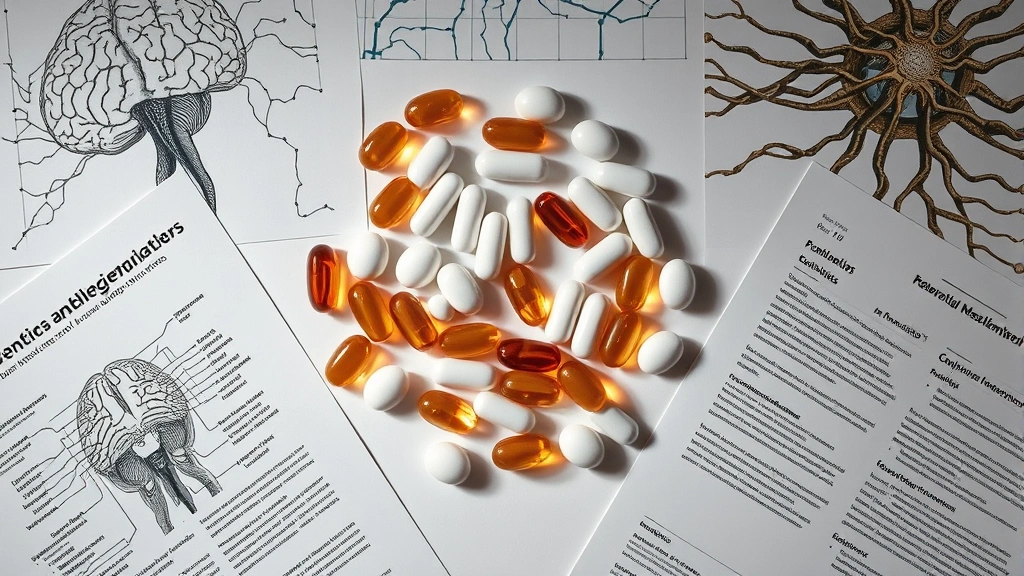
Effectiveness and Research
Here’s where we need to be honest: the evidence for Addy Focus specifically is likely limited. Most supplement companies don’t fund large-scale clinical trials for their branded products. What we can do is examine the research on individual ingredients.
Caffeine has the strongest evidence base. Hundreds of studies confirm it improves alertness and focus for most people. L-Theanine paired with caffeine also has solid research support. Beyond these two, the evidence becomes murkier. Some ingredients have promising preliminary research, while others are based more on traditional use than rigorous testing.
A critical perspective: if Addy Focus worked as dramatically as some marketing suggests, it would be headline news in neuroscience. The reality is that no supplement produces the kind of transformation that prescription stimulants can. If you’re comparing Addy Focus to pharmaceutical options, you’re comparing apples to apples only in the most superficial sense.
That said, modest improvements in focus can be genuinely valuable. If a supplement helps you concentrate slightly better for a few hours, that’s real-world utility—just not a miracle. The placebo effect also plays a significant role in supplement efficacy. If you believe it will help and experience a modest benefit, that’s still a benefit, even if some of it is psychological.
Research from Psychology Today on cognitive enhancement emphasizes that lifestyle factors—sleep, exercise, nutrition, and stress management—produce far more dramatic improvements than any supplement. Addy Focus works best as a complement to, not a replacement for, foundational brain health practices.
Comparing Focus Solutions
Understanding where Addy Focus fits in the broader landscape of focus enhancement helps set realistic expectations. Consider these alternatives:
- Prescription Stimulants (Adderall, Ritalin): These are significantly more potent but require medical supervision and carry risks of dependency. They’re prescribed for ADHD and work through different mechanisms than over-the-counter supplements.
- Other Nootropic Supplements: Like the Addall XR alternatives available in the market, these vary widely in quality and effectiveness. Some are better formulated than others.
- Behavioral Interventions: Techniques like the Pomodoro method, environmental optimization, and meditation have substantial research support and zero side effects.
- Lifestyle Optimization: Better sleep, regular exercise, and improved nutrition often produce more dramatic results than any supplement.
For those looking to improve work performance, the most effective approach combines multiple strategies. Addy Focus could be one small piece of a larger system that includes behavioral changes and environmental modifications.
Important Considerations
Safety and Side Effects: Most Addy Focus users report minimal side effects, particularly if the product is caffeine-based. However, some people experience jitteriness, sleep disruption, or increased anxiety. Caffeine sensitivity varies dramatically between individuals. Starting with a lower dose to assess tolerance makes sense before committing to regular use.
Tolerance Development: Your body can develop tolerance to stimulants over time, meaning you’d need higher doses to achieve the same effect. Taking breaks from regular use helps maintain effectiveness. Some people use focus supplements strategically—on demanding workdays, before important projects—rather than daily.
Quality and Regulation: The supplement industry is less regulated than pharmaceuticals. This means quality control varies between manufacturers. Third-party testing (look for NSF Certified for Sport or similar certifications) provides some assurance that you’re getting what’s on the label. When evaluating any focus supplement, checking for these certifications is worthwhile.
Individual Variation: What works brilliantly for one person might do nothing for another. Your genetics, current neurotransmitter levels, medications, and overall health status all influence how you respond. There’s no way to predict your personal response without trying it.
Cost-Benefit Analysis: Addy Focus costs money, and the benefits are typically modest. Deciding whether the cost justifies the expected improvement is a personal calculation. For someone managing a demanding schedule, even small improvements in focus might be worth it. For casual use, the cost might exceed the value.
For those interested in broader academic performance indicators and cognitive enhancement, a comprehensive approach matters more than any single supplement. Visit the Focus Flow Hub blog for additional strategies and research-backed approaches to concentration.
According to research from Harvard Business Review, the most effective productivity enhancements come from attention management systems rather than chemical interventions alone. This perspective suggests that even if Addy Focus provides modest cognitive support, your bigger returns come from how you structure your work environment and manage your attention deliberately.
The National Institute of Health’s research on nootropics shows that most supplements produce small effect sizes compared to behavioral interventions. This doesn’t mean they’re worthless, but it contextualizes their role appropriately.
Frequently Asked Questions
Is Addy Focus the same as Adderall?
No. Adderall is a prescription medication containing amphetamine salts, while Addy Focus is an over-the-counter supplement. Adderall is significantly more potent and carries different risks and benefits. They work through different mechanisms and have very different regulatory oversight.
How long does Addy Focus take to work?
If the product contains caffeine as a primary ingredient, you should notice effects within 30-60 minutes. Herbal ingredients like Bacopa take 4-12 weeks of regular use before effects become noticeable. Most users experience the most pronounced effects within the first 2-3 hours of consumption.
Can I take Addy Focus every day?
It depends on the formulation. If it’s primarily caffeine-based, daily use is generally considered safe for most people, though tolerance can develop. However, taking occasional breaks helps maintain effectiveness. Always follow the product’s recommended dosing guidelines and consult with a healthcare provider if you have specific health conditions.
Will Addy Focus show up on a drug test?
Standard drug tests screen for illegal substances and don’t detect most supplement ingredients. However, some focus supplements might contain banned substances in certain contexts (like sports competitions). If you’re subject to drug testing, review the product’s ingredient list carefully or consult the testing organization’s guidelines.
What’s the best time to take Addy Focus?
Taking it 30-45 minutes before you need to focus works best. Morning or early afternoon is ideal if it contains caffeine, as taking it later might disrupt sleep. Avoid taking it on an empty stomach unless directed otherwise, as it may cause mild stomach upset for some users.
Are there any interactions with other medications?
Caffeine-based supplements can interact with certain medications and health conditions. If you take any prescription medications or have existing health concerns, consulting with a healthcare provider before starting any new supplement is wise. This is especially important if you have heart conditions, anxiety disorders, or take stimulant medications.
How does Addy Focus compare to coffee?
A cup of coffee provides caffeine plus some additional compounds, while Addy Focus typically delivers a measured dose of caffeine plus other ingredients designed to enhance focus. Addy Focus offers more consistent dosing and potentially synergistic ingredients, while coffee is cheaper and more enjoyable for most people. The choice depends on personal preference and what additional benefits you’re seeking.


