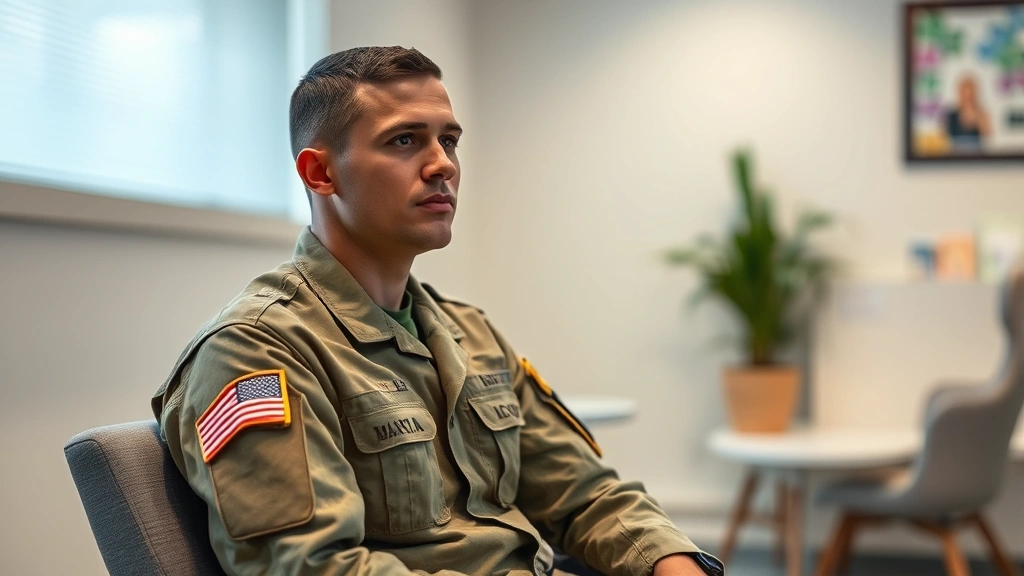
Air Force Mental Health: Support and Resources Guide
Serving in the United States Air Force demands exceptional physical fitness, technical expertise, and unwavering commitment. Yet there’s one dimension of readiness that often flies under the radar: mental health. The psychological demands placed on airmen—from high-stress training environments to combat deployments—create unique mental health challenges that require equally specialized support systems.
The Air Force has increasingly recognized that a mentally healthy force is a more effective, resilient, and mission-ready force. This isn’t just about feeling better; it’s about operational excellence, unit cohesion, and ensuring every service member can perform at their peak when it matters most.
Whether you’re an active-duty airman, a veteran, or a family member seeking resources, understanding the landscape of air force mental health support available to you can be genuinely transformative. This guide breaks down what’s available, how to access it, and why seeking help isn’t a sign of weakness—it’s a sign of strength and professional responsibility.
The Mental Health Landscape in the Air Force
The Air Force operates within a unique cultural and operational context. Unlike civilian workplace environments, military service involves inherent risks, regular separations from family, and exposure to high-pressure situations that can accumulate over time. Understanding this landscape is the first step toward recognizing when support becomes necessary.
Recent data from the Department of Defense indicates that mental health challenges among service members are more common than many realize. Deployment-related stress, adjustment difficulties, relationship strain, and financial pressures create a complex web of challenges. The Air Force has responded by developing comprehensive mental health infrastructure designed specifically for military populations.
One critical aspect of this landscape is recognizing that acute mental health situations can emerge suddenly and require immediate intervention. Unlike civilian systems, the Air Force has protocols specifically designed to address crisis situations within military operational contexts.
The good news? The stigma surrounding mental health in the military has diminished significantly. Leadership at all levels now emphasizes that seeking help is not only acceptable but encouraged as part of professional military readiness.
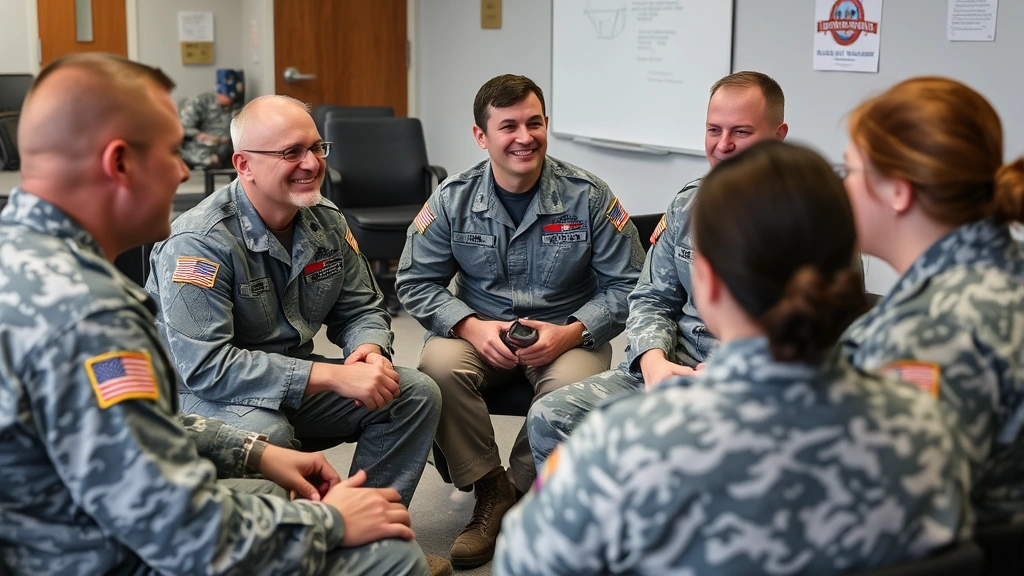
Understanding Acute Mental Health Challenges
Acute mental health episodes can manifest in various ways. For airmen, these might include sudden anxiety spikes, depressive episodes triggered by deployment or loss, substance use as a coping mechanism, or crisis situations requiring immediate stabilization.
When someone experiences acute mental health issues, the immediate priority is safety and stabilization. The Air Force has established protocols through its Mental Health Services that activate rapidly when needed. These services include crisis hotlines, emergency mental health evaluations, and rapid access to psychiatric care.
Understanding what constitutes an acute situation versus ongoing mental health management is important. Acute situations typically involve:
- Suicidal or self-harm ideation
- Severe panic or anxiety attacks
- Acute stress reactions following traumatic events
- Severe mood changes affecting functioning
- Substance use crises
The Air Force’s approach to these situations emphasizes rapid response, confidentiality, and connection to ongoing care rather than punishment or career termination. This represents a significant cultural shift that encourages service members to seek help when needed.
Available Support Services and Resources
The Air Force mental health ecosystem includes multiple entry points and service types. Knowing what’s available helps you find the right resource for your specific situation.
Mental Health Clinics: Every major Air Force installation has dedicated mental health clinics staffed by psychologists, psychiatrists, licensed counselors, and social workers. These facilities provide individual therapy, medication management, and psychiatric evaluations. Access is typically through your primary care physician referral or direct contact with your base mental health clinic.
Military OneSource: This free, confidential counseling service provides up to 12 sessions per issue with licensed counselors. It’s available to active-duty service members and their families, regardless of rank or installation. Sessions can be in-person or by phone, offering flexibility for those with demanding schedules.
Crisis Resources: The Veterans Crisis Line (988 then press 1) provides 24/7 support for service members and veterans in crisis. This resource has been instrumental in providing immediate support during critical moments.
Understanding advanced mental health care directive options ensures you have autonomy over your care decisions. These directives allow you to specify your preferences for treatment, medications, and care providers in advance, giving you control over your mental health journey.
Additionally, exploring Aetna mental health benefits if you’re transitioning to civilian insurance ensures continuity of care. Many veterans maintain coverage through Aetna or similar providers, and understanding your benefits prevents gaps in treatment.
The Air Force also provides access to advances and breakthroughs in mental health treatment through research partnerships and clinical innovations. This means airmen often have access to cutting-edge therapeutic approaches, including digital mental health platforms and evidence-based interventions.
Navigating Care Directives and Planning
One often-overlooked aspect of mental health management is proactive planning. An advanced mental health care directive allows you to document your preferences, emergency contacts, and specific care instructions while you’re in a clear mental state. This becomes invaluable if you ever face a crisis that temporarily impairs your judgment.
Creating a care directive involves:
- Identifying a trusted person (usually a family member or close friend) to act as your mental health advocate
- Specifying which medications you’ve found helpful or harmful
- Documenting your preferred therapy approaches
- Listing trigger situations and coping strategies that work for you
- Indicating hospitalization preferences and any concerns
The Air Force’s legal assistance offices can help you formalize these directives. Taking this step demonstrates maturity and self-awareness about mental health management. It’s not about expecting crisis; it’s about being prepared, just as you would for any other significant life situation.
Special Considerations for Young Airmen
Younger service members face unique mental health challenges. The transition from civilian to military life, separation from family support systems, and the physical and psychological demands of training create a vulnerable period.
For those under 18 or recently enlisted, understanding adolescent inpatient mental health resources becomes relevant if more intensive treatment is needed. The Air Force has developed programs specifically designed for younger service members, recognizing that their needs differ from older personnel.
Young airmen should know that:
- Seeking mental health support early prevents escalation of problems
- The Air Force has mentorship programs connecting struggling airmen with experienced personnel who’ve navigated similar challenges
- Peer support networks, while informal, provide invaluable connection and understanding
- Family-focused counseling can help bridge the adjustment to military life
Commanders at training bases have been trained to recognize signs of mental health struggles and to encourage support-seeking rather than penalize it. This cultural shift has made a measurable difference in outcomes for younger service members.
Breaking the Stigma Around Mental Health
Perhaps the most significant barrier to mental health support in the Air Force has historically been stigma—the perception that seeking help indicates weakness or unfitness for duty. While this stigma hasn’t disappeared entirely, it has diminished considerably.
Senior Air Force leadership has been explicit: mental health is health. General officers have publicly discussed their own mental health challenges. This top-down messaging creates permission for service members at all levels to seek help without fear of career consequences.
Breaking stigma requires action beyond messaging. It means:
- Normalizing mental health conversations among peers and in units
- Celebrating service members who access support as demonstrating strength and self-awareness
- Holding leaders accountable for creating psychologically safe environments
- Connecting mental health support with operational readiness and mission effectiveness
Research from the American Psychological Association demonstrates that stigma reduction is a process, not an event. The Air Force’s sustained commitment to this process—through training, policy changes, and leadership modeling—has measurably improved help-seeking behaviors among airmen.
Practical Steps to Access Support Today
If you’re reading this and recognizing that you could benefit from mental health support, here’s how to take concrete action:
Step 1: Identify Your Entry Point
Are you in crisis? Call the Veterans Crisis Line at 988 then press 1. In immediate danger? Call 911. For non-emergency support, you have options: your primary care provider, your base mental health clinic, Military OneSource, or your unit chaplain.
Step 2: Prepare for Your Initial Contact
Have ready: your military ID, a list of current medications, a brief timeline of when your concerns started, and any specific symptoms you’re experiencing. This information helps clinicians understand your situation and provide appropriate care.
Step 3: Be Honest About Your Situation
Mental health professionals aren’t judges; they’re there to help. The more honestly you describe your situation, the better they can assist. Confidentiality protections mean your disclosures won’t automatically trigger career consequences (with narrow exceptions related to imminent danger).
Step 4: Engage in the Process
Whether you’re assigned therapy, medication, or both, approach it with the same commitment you’d bring to any professional responsibility. Mental health treatment requires active participation. If something isn’t working, communicate that to your provider rather than simply stopping treatment.
Step 5: Build Your Support Network
Professional treatment is one component. Your informal support network—trusted friends, family, mentors—forms another crucial layer. Explore advocacy jobs mental health opportunities or peer support programs where you can connect with others who understand military life.
The combination of professional support and community connection creates resilience that extends far beyond your individual mental health.
Frequently Asked Questions
Will seeking mental health support harm my military career?
The Air Force has policies protecting service members who seek mental health care. Seeking treatment is not, by itself, a basis for discharge or career termination. However, certain diagnoses or situations (such as documented inability to perform duties or security clearance concerns) may require career adjustments. The key is that seeking help demonstrates responsibility, not unfitness.
How confidential is mental health treatment in the Air Force?
Mental health communications are protected by federal confidentiality laws and military regulations. Your provider won’t share information with your commander or unit without your consent, with narrow exceptions (imminent danger to self/others, child abuse, etc.). This confidentiality encourages honest disclosure necessary for effective treatment.
What if I’m having suicidal thoughts?
Suicidal thoughts are a medical emergency requiring immediate professional intervention. Call the Veterans Crisis Line (988 then press 1) immediately. If you’re in immediate danger, call 911. These resources are staffed 24/7 by trained counselors who understand military culture and can provide immediate support and connect you with ongoing care.
How long does mental health treatment typically take?
This varies significantly based on your specific situation, the type of treatment, and how you engage with the process. Some people benefit from brief interventions (6-8 sessions), while others need longer-term support. Therapy isn’t a fixed timeline; it’s a process of building skills and insight.
Can I choose my mental health provider?
Within the Air Force system, choice may be limited by location and availability, but you can express preferences. If you’re using Military OneSource, you can typically request a provider match. If you have Tricare coverage, you may have additional options. If something isn’t working with your current provider, discuss switching with your primary care coordinator.
What’s the difference between therapy and medication?
Therapy (counseling or psychotherapy) helps you develop skills, process experiences, and change thought patterns. Medication can help regulate brain chemistry underlying conditions like depression or anxiety. Often, the most effective approach combines both, tailored to your specific situation. Your mental health provider can discuss what makes sense for you.
How do I maintain mental health support if I’m deployed or stationed overseas?
The Air Force has mental health resources at every major installation worldwide. Additionally, telemedicine has expanded significantly, allowing you to maintain continuity of care with providers even when deployed. Military OneSource also provides phone-based counseling. Planning ahead for deployment ensures you maintain support continuity.


