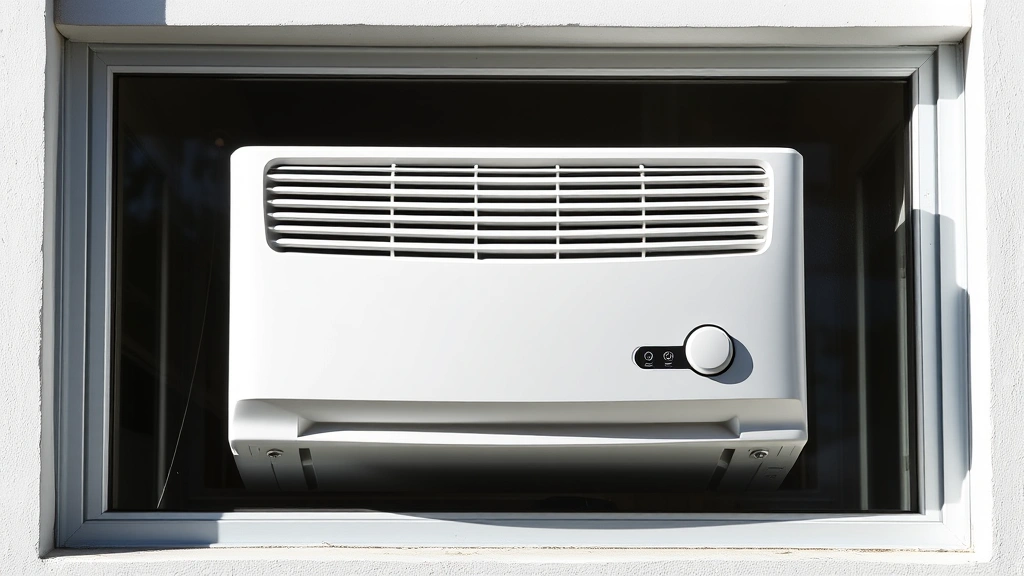
Is an AC Window Unit Energy Efficient? Expert Insights on Cooling Your Space Smartly
When summer heat rolls around, the question isn’t whether you need cooling—it’s how to get it without watching your electricity bill skyrocket. Window air conditioning units have become the go-to solution for renters, apartment dwellers, and anyone hesitant about central AC installation. But here’s the real question keeping people up at night: are these units actually energy efficient?
The answer isn’t as straightforward as you’d hope. Window AC units occupy a fascinating middle ground in the cooling world. They’re considerably more efficient than running multiple fans, yet they don’t quite match the performance of modern central air systems. What matters most is understanding the specifics of how they work, what factors influence their efficiency, and how to maximize their performance in your space.
This guide breaks down the science, the numbers, and the practical reality of window AC efficiency. We’ll explore the genuine benefits, the hidden energy drains, and most importantly, how to make sure your unit isn’t quietly inflating your energy costs.
How Window AC Units Actually Work
Before diving into efficiency metrics, it helps to understand what’s happening inside that humming box wedged into your window frame. A window air conditioner operates on a surprisingly simple principle that’s been refined over decades.
The unit pulls warm air from your room across an evaporator coil filled with refrigerant. This process cools the air and removes humidity. That chilled air gets blown back into your room through the front vents. Meanwhile, the heat absorbed from your indoor air gets transferred to a condenser coil on the outdoor side of the unit, where it’s expelled outside along with the warm air created by the compressor.
This cycle repeats continuously, maintaining your desired temperature. The efficiency of this process depends on several mechanical and design factors. A well-maintained unit with proper refrigerant levels and clean coils operates far more efficiently than a neglected one. The compressor—the hardest-working component—determines much of the overall energy consumption.
What makes window units different from central systems is their localized approach. You’re cooling one room or a small zone, not an entire house. This targeted cooling can be more efficient for specific needs, but it also means you’re running a complete cooling cycle in a compact space, which comes with inherent limitations.
Understanding Energy Efficiency Ratings
The ENERGY STAR label you see on modern window units represents real, measurable efficiency standards. But the numbers behind that label matter more than the sticker itself.
The primary metric is the Energy Efficiency Ratio (EER), which measures how many BTUs (British Thermal Units) of cooling a unit produces per watt of electricity consumed. A higher EER means better efficiency. Most modern window units range from 8 to 12 EER, with premium models reaching 13 or higher. For context, an EER of 10 means the unit produces 10,000 BTUs of cooling per 1,000 watts of power consumption.
You’ll also encounter the Seasonal Energy Efficiency Ratio (SEER), though this metric is more commonly used for central air systems. SEER accounts for varying outdoor temperatures throughout the cooling season, providing a more realistic picture of real-world efficiency than EER alone.
Think of EER like fuel economy on a car’s window sticker—it’s useful for comparison, but your actual results depend on how you drive. Similarly, your window unit’s actual efficiency depends heavily on usage patterns and environmental conditions. When evaluating 650 watts 80 plus certified efficiency standards, you’re looking at power consumption metrics that translate directly to your electricity bill.
Modern ENERGY STAR certified window units typically consume between 500 and 1,500 watts depending on cooling capacity. This matters because peak summer cooling often coincides with peak electricity rates in many regions. Running a less efficient unit during these hours costs significantly more than you might expect.

Key Factors Affecting Your Unit’s Efficiency
Raw specifications tell only part of the story. Real-world efficiency depends on how various factors interact with your specific situation.
Room Size and Unit Capacity
Oversizing your AC unit is one of the most common mistakes people make. A unit too large for your space will cool the room quickly, then cycle off. This frequent on-off cycling actually wastes energy and creates temperature swings. Conversely, an undersized unit runs continuously without reaching your target temperature, consuming energy inefficiently while leaving you uncomfortable.
The sweet spot is matching BTU capacity to your room’s square footage. A general rule suggests 20 BTU per square foot, though factors like ceiling height, insulation, and sun exposure adjust this calculation. A 200-square-foot room typically needs a 4,000-5,000 BTU unit, not the 10,000 BTU behemoth that seems like a good deal.
Insulation and Air Sealing
Your window unit can only work efficiently if you’re not letting cooled air escape. Poor window seals, gaps around the unit, or inadequate room insulation force your AC to work harder. Before installing a window unit, seal any obvious air leaks with weatherstripping or caulk. Proper installation matters tremendously—a unit that rattles in its frame is losing efficiency with every passing minute.
Sun Exposure and Heat Load
A west-facing room receives intense afternoon sun, creating a higher cooling load. Your unit must work harder to counteract this heat gain. Using reflective window film or thermal curtains can reduce solar heat gain by up to 25%, significantly improving your unit’s efficiency. This is where 92x performance optimization comes into play—you’re maximizing what your equipment can achieve through smart environmental management.
Thermostat Settings
Every degree you lower your thermostat increases energy consumption by roughly 3-5%. Setting your unit to 72°F versus 78°F might seem like a minor difference, but it represents a substantial energy increase over a summer season. Programmable thermostats or smart controls let you adjust temperatures based on occupancy and time of day.
Maintenance and Age
A window unit from 2005 operates at roughly 40% the efficiency of a modern ENERGY STAR model. Even among newer units, maintenance dramatically affects performance. Dirty filters reduce airflow, forcing the compressor to work harder. Dust-clogged condenser coils on the outdoor side prevent proper heat rejection. Annual maintenance—cleaning filters, inspecting seals, and checking refrigerant levels—keeps efficiency high throughout the unit’s lifespan.
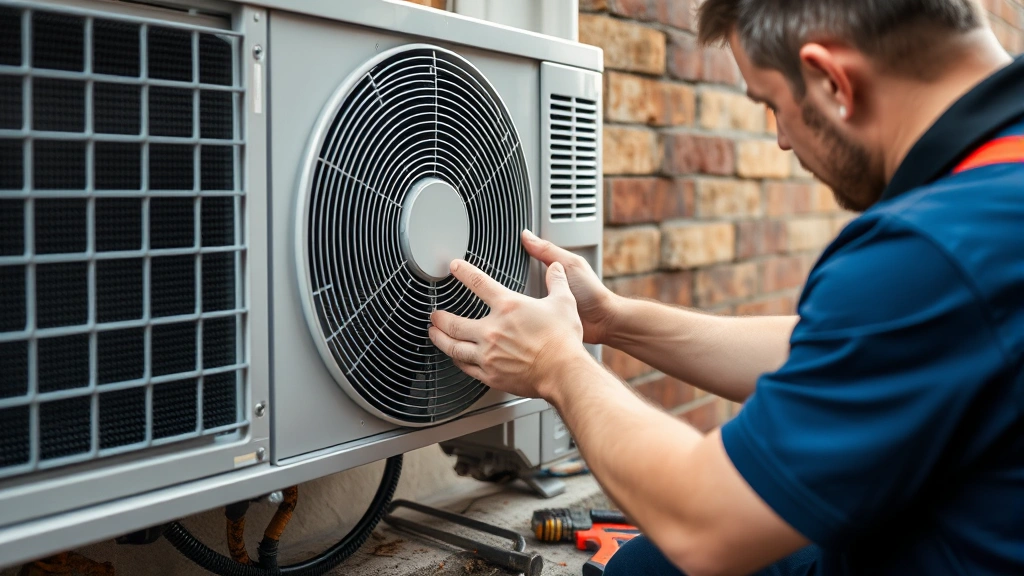
Window Units vs. Other Cooling Solutions
To truly assess whether a window AC unit is energy efficient, you need context. How does it compare to alternatives?
Portable AC Units
Portable air conditioners offer flexibility but typically consume 20-30% more energy than equivalent window units. They’re less efficient because they exhaust hot air through a hose rather than through a dedicated outdoor coil, creating pressure imbalances that force the compressor to work harder. If portability matters for your situation, the efficiency trade-off might be worth it. Otherwise, window units win on energy consumption.
Central Air Systems
Modern central air systems, when properly sized and maintained, operate more efficiently than window units because they distribute cooling evenly and minimize cycling. However, central AC requires significant upfront investment—often $3,000-$7,000 for installation. For renters or those with limited budgets, window units provide reasonable efficiency at a fraction of the cost.
Through-Wall Units
These permanent installations offer similar efficiency to window units but provide better insulation since they’re fully integrated into the wall. They’re more efficient than window units because they eliminate the thermal bridging that occurs when a unit sits partially in a window frame. The trade-off is permanent installation and higher upfront costs.
Fans and Passive Cooling
Ceiling fans and portable fans use minimal electricity—typically 10-75 watts—but provide air circulation rather than actual cooling. They’re effective when outdoor temperatures aren’t too high, but they can’t lower room temperature below ambient conditions. For true cooling on hot days, AC units are necessary, making the efficiency comparison less relevant.
Practical Tips to Maximize Efficiency
Understanding efficiency is valuable; applying that knowledge is transformative. These actionable strategies directly reduce energy consumption and lower your cooling costs.
Install Correctly and Seal Gaps
Proper installation is foundational. The unit should sit level in the window frame with minimal gaps. Use the provided side panels or foam insulation to seal edges. Many window units come with installation kits—use them. Even small gaps around the unit can account for 5-10% efficiency loss.
Use Window Coverings Strategically
Close blinds and curtains during peak sun hours, especially on south and west-facing windows. Thermal curtains provide additional insulation value. This simple habit can reduce cooling load by 15-25%, allowing your unit to cycle less frequently and consume less energy.
Maintain Consistent Thermostat Settings
Constantly adjusting temperature settings creates inefficiency. Set your target temperature and leave it. If you need different temperatures at different times, use a programmable thermostat to automate changes rather than manual adjustments throughout the day. This consistency allows the unit to operate in its optimal range.
Clean Filters Monthly
A clogged filter restricts airflow, forcing your compressor to work harder for the same cooling output. Check your filter monthly during cooling season and replace or clean it as needed. This single maintenance task can improve efficiency by 5-15%.
Ensure Outdoor Coil Access
The condenser coil on the outdoor side needs airflow to reject heat properly. Keep the area around the outdoor portion of your unit clear of debris, vegetation, or obstructions. A blocked condenser coil forces the compressor to work harder, reducing efficiency and potentially damaging the unit.
Use Fans to Supplement Cooling
Ceiling fans and portable fans help distribute cooled air more effectively throughout your room. Running a fan at medium speed uses far less energy than lowering your thermostat by a degree. This combination—slightly higher thermostat setting plus supplemental fans—maintains comfort while reducing overall energy consumption.
Real-World Cost Analysis
Numbers matter. Let’s translate efficiency ratings into actual dollars and cents.
A typical window unit rated at 10,000 BTU with an EER of 10 consumes approximately 1,000 watts at full capacity. Running this unit 8 hours daily for 120 days during summer season (May through September in most regions) consumes 960 kilowatt-hours (kWh).
At the average U.S. electricity rate of $0.14 per kWh, this represents an annual cooling cost of approximately $134. However, upgrading to a unit with an EER of 12 reduces consumption to 833 kWh annually, costing roughly $117—a savings of $17 annually on that single unit.
This might seem modest, but consider the cumulative effect: over a 10-year unit lifespan, the more efficient model saves $170. For someone running multiple window units or living in a hot climate requiring longer cooling seasons, savings multiply significantly. In regions where summer cooling extends 6-7 months and electricity costs $0.18+ per kWh, the savings approach $50-75 annually per unit.
Additionally, when you incorporate 777 performance optimization strategies—proper sizing, maintenance, and usage patterns—you can reduce actual consumption by another 20-30%, bringing real-world costs even lower.
The upfront cost difference between an EER 9 unit and an EER 12 unit typically ranges from $50-150. This additional investment recoups itself within 3-9 years through energy savings, not counting the improved comfort and reliability of higher-quality equipment.
Research from the U.S. Department of Energy confirms that ENERGY STAR certified window units use about 10% less energy than standard models. For someone cooling an apartment or small home, this efficiency gain translates to real money saved.
Beyond direct energy costs, consider that 3 ways to improve work performance include maintaining comfortable indoor temperatures. An efficient AC unit that maintains your preferred temperature without cycling on and off constantly supports better focus and productivity, adding intangible value beyond electricity savings.
Frequently Asked Questions
How do I know what size window AC unit I need?
Calculate your room’s square footage and multiply by 20 to get the BTU requirement. A 200-square-foot room needs approximately 4,000 BTU. Adjust upward if the room gets significant sun exposure or has poor insulation, and downward if it’s well-shaded or heavily insulated. Many retailers provide sizing guides based on room dimensions.
Can I use a window AC unit in an apartment or rental?
Yes, and that’s one of their biggest advantages. Window units require no permanent installation or modifications to the building. Most landlords permit them since they’re removable. Always check your lease or ask permission before installing one, but they’re generally allowed in rental properties.
What’s the difference between EER and SEER ratings?
EER (Energy Efficiency Ratio) measures efficiency at a single outdoor temperature, making it ideal for window units used during peak summer heat. SEER (Seasonal Energy Efficiency Ratio) averages efficiency across varying temperatures throughout the cooling season. For window units, EER is the more relevant metric, though higher EER generally correlates with higher SEER as well.
How often should I service my window AC unit?
Clean or replace filters monthly during the cooling season. Once yearly, ideally before summer, have the unit professionally inspected if it’s over 5 years old. Check that the outdoor condenser coil isn’t blocked and that all seals remain intact. These maintenance tasks keep your unit operating at peak efficiency.
Is it worth upgrading from an old window AC unit to a new ENERGY STAR model?
If your current unit is over 10 years old and still functioning, upgrading to a new ENERGY STAR unit typically pays for itself within 5-8 years through energy savings. Modern units also offer quieter operation, better temperature control, and improved reliability. For units under 5 years old, upgrading makes financial sense only if energy savings align with your budget priorities.
Can window AC units cool an entire apartment?
A single unit cools the room it’s installed in effectively. For multi-room cooling, you’d need multiple units or a central system. Some people run one unit in their bedroom at night and one in their living room during the day, moving the unit seasonally. This approach works but requires manual repositioning and creates temporary cooling gaps.
What’s the most energy-efficient window AC unit available?
ENERGY STAR certified units with EER ratings of 12 or higher represent the current efficiency standard. Specific models vary, but comparing EER ratings across your budget range identifies the most efficient option. Premium brands often offer higher efficiency but at proportionally higher costs. Balancing efficiency with affordability usually provides the best value.
Does turning off my window AC unit when I leave save energy?
Yes, significantly. Window units consume electricity only when running. Turning off your unit when you’re away or when outdoor temperatures cool the room naturally saves energy directly. However, remember that restarting the unit requires energy to cool down the space again. If you’re leaving for just an hour or two, keeping it running might use less total energy than cycling it off and back on.
For additional insights on efficiency best practices and smart cooling strategies, explore comprehensive resources that address seasonal energy management.
Are window AC units noisy?
Modern units operate at 19-26 decibels on average—quieter than older models but still audible. Higher-efficiency units sometimes run quieter because they don’t need to work as hard. Noise levels vary by manufacturer and model, so check specifications before purchasing if noise concerns you. Proper installation in a well-sealed window frame also reduces vibration noise.
For detailed information about cooling efficiency standards, the ENERGY STAR program provides comprehensive comparisons of certified models and their efficiency ratings. Additionally, Consumer Reports offers independent testing data on window AC unit performance and reliability.


