What Is an Academic Performance Indicator? A Comprehensive Guide
If you’ve ever wondered how schools measure success beyond letter grades, you’re thinking about academic performance indicators. These metrics have become essential tools in education, offering a more nuanced picture of student achievement and institutional effectiveness than traditional report cards alone.
Academic performance indicators are quantifiable measures used to assess how well students are learning, progressing, and achieving educational goals. They go far beyond simple test scores, encompassing everything from attendance rates to critical thinking development. Understanding these indicators helps students, parents, and educators identify strengths, pinpoint areas needing improvement, and make data-driven decisions about educational strategies.
In today’s competitive academic landscape, knowing what these indicators are and how they work isn’t just useful—it’s practically essential. Whether you’re a student striving for excellence, a parent supporting your child’s education, or an educator designing curricula, this guide will demystify academic performance indicators and show you how to leverage them for meaningful improvement.
What Are Academic Performance Indicators?
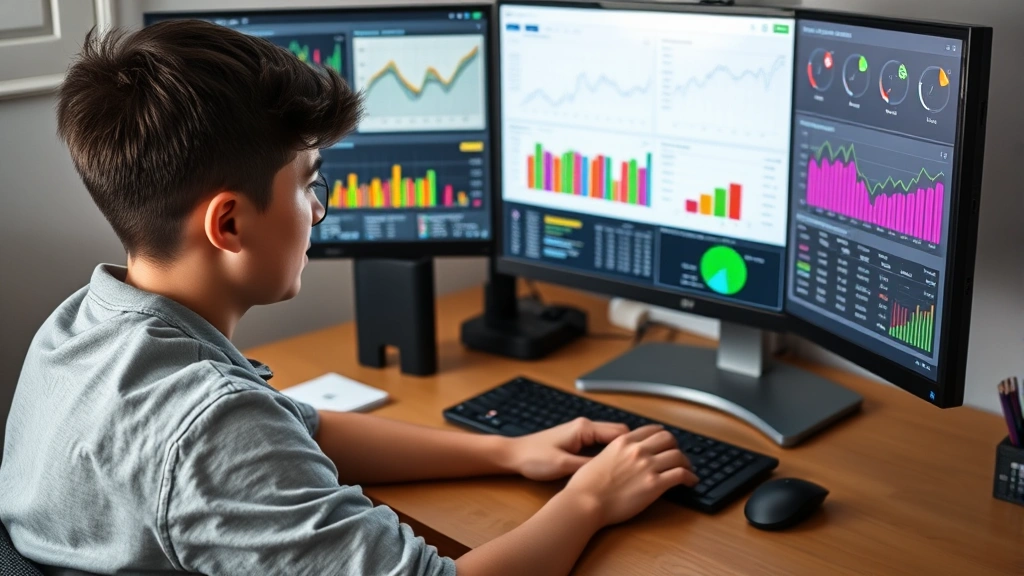
Academic performance indicators are systematic measurements designed to evaluate student learning outcomes and educational quality. Think of them as a comprehensive dashboard rather than a single thermometer—they capture multiple dimensions of academic success simultaneously.
The core concept behind academic performance indicators is straightforward: you can’t improve what you don’t measure. Schools and educational systems use these indicators to understand whether their teaching methods are working, whether students are actually learning the material, and where interventions might be necessary.
Unlike traditional grades, which often reflect a teacher’s subjective assessment combined with test performance, academic performance indicators are typically more objective and standardized. They’re designed to provide comparable data across classrooms, schools, and even districts, making it easier to identify best practices and areas needing support.
According to the American Psychological Association, effective educational measurement requires multiple indicators that assess different aspects of learning, from knowledge retention to skill application and critical thinking.

Types of Academic Performance Indicators
Academic performance indicators come in various forms, each measuring different aspects of educational success. Understanding these different types helps you recognize what information you’re actually looking at.
Standardized Test Scores
These are perhaps the most recognized academic performance indicators. Standardized tests measure student knowledge in specific subjects and are administered under consistent conditions across schools. Examples include SAT, ACT, and state-mandated assessments. While useful for comparison, they represent just one slice of the performance pie.
Graduation and Completion Rates
This indicator tracks what percentage of students successfully complete their education level. High graduation rates suggest effective support systems and curriculum relevance. It’s a straightforward but powerful metric that directly reflects long-term student success.
Attendance and Engagement Metrics
Regular attendance correlates strongly with academic success. Schools track attendance rates, classroom participation, and time spent on assignments. Students who show up consistently and engage actively tend to perform better across other indicators.
Grade Point Average (GPA)
While traditional, GPA remains a widely-used indicator of overall academic performance. It reflects consistent performance across multiple subjects and is often weighted differently depending on course difficulty. The second layer of academic performance assessment often includes GPA analysis alongside other metrics.
Progress and Growth Metrics
These indicators measure how much students improve over time, regardless of starting point. Value-added measures compare student performance to their own baseline, recognizing that growth matters as much as absolute achievement. This approach is particularly valuable for identifying effective teaching.
Skill-Based Assessments
Beyond content knowledge, schools increasingly measure critical thinking, collaboration, communication, and problem-solving abilities. These indicators capture competencies that matter in real-world contexts but don’t always show up on traditional tests.
Research from Education Week shows that schools using multiple types of indicators gain a more complete picture of student learning than those relying on single measures.
How Schools Measure Success
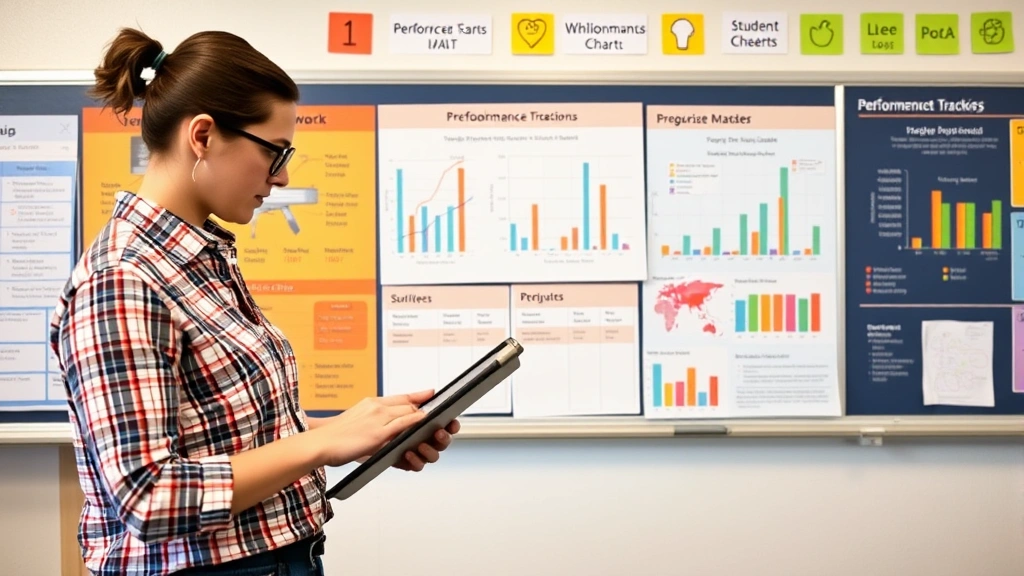
The process of measuring academic performance has evolved considerably. Modern schools use sophisticated data systems that track hundreds of data points per student, creating comprehensive profiles of academic development.
Schools typically establish baseline measurements at the beginning of a year or semester, then track progress at regular intervals. This allows educators to see whether interventions are working and adjust strategies accordingly. The data collected feeds into both individual student reports and school-wide assessments.
Many educational institutions now employ data analysts who interpret performance indicators and help teachers understand what the numbers mean for their classroom practice. This represents a significant shift from the old model where test scores simply appeared on report cards without deeper analysis.
When considering practical approaches to enhance performance, understanding how measurements work is the first step. Students who grasp what indicators their school tracks can intentionally work toward improving those specific metrics.
Benefits for Students and Institutions
Academic performance indicators aren’t just administrative tools—they offer genuine benefits to everyone involved in education.
For Students
When students understand what academic performance indicators measure, they gain clarity about what success actually looks like. Instead of vague encouragement to “do better,” students receive specific feedback about measurable areas needing attention. This clarity is motivating because it transforms abstract goals into concrete targets.
Performance indicators also help students recognize their own progress. Seeing improvement in growth metrics or skill assessments builds confidence and reinforces effective study habits. Students who track their own indicators develop stronger metacognitive skills—the ability to think about their own thinking and learning processes.
Additionally, understanding these indicators prepares students for college and career environments where performance measurement is standard practice. They learn to interpret data about their own performance and take ownership of their development.
For Schools and Institutions
Academic performance indicators provide schools with actionable data about what’s working and what isn’t. When certain classes consistently show strong growth indicators while others lag, administrators can investigate what teachers in high-performing classes are doing differently and share those practices.
These indicators also help schools allocate resources more effectively. If data shows that certain student populations consistently underperform on particular indicators, schools can direct additional support—tutoring, counseling, specialized instruction—to those areas.
Performance indicators create accountability in a meaningful way. Rather than subjective judgments about school quality, stakeholders can examine concrete data about student outcomes. This transparency builds trust with families and communities.
For educators implementing habits of highly effective teens, understanding institutional indicators helps them contextualize individual student progress within broader educational goals.
Implementing Indicators Effectively
Simply collecting data about academic performance indicators isn’t enough—the implementation matters tremendously. Here’s how schools and students can make the most of these measurements.
Choose Relevant Indicators
Not all indicators matter equally for every context. A school focused on STEM education might weight science and math indicators more heavily. One serving a multilingual population might emphasize language development indicators. The key is selecting indicators that align with your specific educational mission.
Ensure Data Quality
Garbage data leads to garbage decisions. Schools need robust systems for collecting, validating, and storing performance data. Regular audits help catch errors before they influence major decisions. Training staff on proper data collection procedures is essential.
Communicate Results Clearly
Raw data means nothing if people don’t understand it. Effective schools translate performance indicators into clear reports that stakeholders can actually interpret. Dashboards, visual representations, and written summaries help different audiences understand what the numbers mean.
Act on the Data
The real value emerges when schools use indicators to drive change. If attendance indicators show declining engagement, schools should investigate causes and implement targeted interventions. If certain demographic groups show achievement gaps in specific indicators, that’s a signal to examine potential barriers and systemic issues.
Involve Students in Tracking
When students actively track their own performance indicators, they become partners in the improvement process rather than passive subjects of measurement. Some schools use student-facing dashboards where learners can see their own progress in real time.
The Learning Sciences Research Institute emphasizes that student engagement with performance data significantly increases the likelihood that measurement leads to actual improvement.
Common Challenges and Solutions
While academic performance indicators offer tremendous value, implementing them effectively comes with challenges worth acknowledging.
Challenge: Over-Reliance on Single Measures
Solution: Use multiple indicators that capture different dimensions of learning. No single test or metric tells the complete story. A comprehensive approach combines standardized measures with growth indicators, skill assessments, and engagement metrics.
Challenge: Bias in Measurement
Solution: Regularly audit indicators for potential bias. Some assessments may disadvantage particular student populations due to cultural, linguistic, or socioeconomic factors. Diversifying assessment methods and considering demographic data helps identify and address bias.
Challenge: Data Overload
Solution: Focus on a manageable number of key indicators rather than tracking everything possible. Schools that try to measure 50 different things often find teachers overwhelmed and unable to act on the information. Narrowing focus to 5-10 critical indicators makes data actionable.
Challenge: Teaching to the Test
Solution: When schools overemphasize particular indicators, teachers sometimes narrow their instruction to improve those specific metrics at the expense of broader learning. Balancing multiple types of indicators and valuing diverse measures helps prevent this narrowing.
Challenge: Inequitable Resource Distribution
Solution: Use performance indicators to identify needs and direct resources accordingly, not to punish schools serving disadvantaged populations. Schools with lower indicators often need more support, not less.
Research from the Brookings Institution warns against using performance indicators punitively without considering contextual factors that influence student outcomes.
Future Trends in Academic Measurement
Academic performance indicators continue evolving as technology advances and our understanding of learning deepens.
AI-Powered Analytics
Artificial intelligence is beginning to analyze performance data in sophisticated ways, identifying patterns humans might miss. AI can predict which students might struggle and flag them for early intervention before problems become severe.
Competency-Based Measurement
Rather than measuring performance on specific tests, schools increasingly focus on whether students have actually mastered core competencies. This shift emphasizes what students can do rather than what they scored on a particular assessment.
Social-Emotional Learning Indicators
As recognition grows that social and emotional skills matter for long-term success, schools are developing indicators to measure resilience, collaboration, emotional regulation, and other non-cognitive factors. These indicators complement academic measures.
Personalized Learning Metrics
Technology enables more personalized tracking of individual student progress. Rather than one-size-fits-all indicators, students increasingly have customized metrics that reflect their own learning goals and pace.
Real-Time Feedback Systems
Instead of waiting for quarterly reports, modern systems provide immediate feedback on performance indicators. Students and teachers see data continuously, allowing for rapid adjustments to learning strategies.
Considering how different school structures affect performance and mental health represents another emerging trend in comprehensive academic measurement.
Frequently Asked Questions
What’s the difference between academic performance indicators and standardized test scores?
Academic performance indicators are a broad category of measurements that includes standardized test scores as one component. Indicators encompass test scores, GPA, attendance, growth metrics, skill assessments, and engagement measures. Test scores alone don’t provide a complete picture of academic performance, while indicators offer a comprehensive view.
How do academic performance indicators affect college admissions?
Colleges consider various academic performance indicators beyond just test scores. They examine GPA, course difficulty, attendance records, and demonstrated skill development. Many colleges now use indicators like leadership roles, community involvement, and personal growth as part of holistic admissions decisions.
Can academic performance indicators be gamed or manipulated?
Any measurement system can potentially be gamed if incentives aren’t structured carefully. Schools using indicators must maintain focus on genuine learning rather than just improving numbers. Using multiple diverse indicators makes manipulation harder than focusing on single measures.
How often should academic performance indicators be reviewed?
Most schools review indicators quarterly or semester-by-semester, though some modern systems provide real-time data. Students and teachers should review indicators frequently enough to identify trends and make adjustments, but not so frequently that noise overwhelms meaningful patterns.
Do academic performance indicators work the same way for all grade levels?
No, indicators vary significantly across grade levels. Elementary schools might emphasize foundational skill development and engagement, while high schools focus more on college readiness indicators. Middle schools often balance both academic indicators and social-emotional development measures.
How can parents help their child improve academic performance indicators?
Parents can request clear explanations of which indicators matter most, help their child track progress, create conditions for learning (quiet study space, consistent schedules), and communicate regularly with teachers about specific areas for improvement. Understanding what indicators measure helps parents provide targeted support.
Are academic performance indicators culturally biased?
Many traditional indicators have shown cultural bias, particularly standardized tests. However, modern comprehensive indicator systems attempt to reduce bias by using multiple measures and examining data disaggregated by demographic groups. Ongoing vigilance is necessary to identify and address bias in any measurement system.


