Art and Mental Health: Exploring the Connection Between Creativity and Wellbeing
There’s something profoundly human about the impulse to create. Whether you’re sketching in a notebook, painting a canvas, sculpting clay, or dancing to music that moves you, the act of making art taps into something deeper than mere distraction. It’s a conversation between your inner world and the outer one, and increasingly, science confirms what artists have always known: this conversation is remarkably therapeutic.
The relationship between art and mental health isn’t some romantic notion reserved for tortured creatives. It’s measurable, documented, and accessible to anyone willing to pick up a brush, pen, or instrument. In a world where anxiety disorders affect millions and stress has become our unwelcome companion, understanding how creative expression can stabilize our minds is more valuable than ever.
This exploration goes beyond surface-level wellness advice. We’re diving into the neuroscience, the psychology, and the lived experiences of people who’ve found genuine mental health benefits through artistic practice. Whether you’re struggling with anxiety, depression, or simply the accumulated pressure of modern life, art offers a pathway that doesn’t require a therapist’s couch or a prescription pad.
How Art Engages the Brain During Stress
When you’re stressed, your amygdala—the brain’s alarm system—is essentially running the show. It’s hypervigilant, scanning for threats, flooding your system with cortisol and adrenaline. Art doesn’t just distract from this; it actively recalibrates your nervous system.
Research from Psychology Today on art’s neurological effects shows that engaging in creative activities can lower cortisol levels within just 45 minutes. When you’re focused on creating something—anything—your prefrontal cortex (responsible for rational thinking and emotional regulation) takes the wheel from your amygdala. You shift from fight-or-flight into a state of flow, where time seems to dissolve and worry quiets down.
This isn’t metaphorical. Brain imaging studies show measurable changes in neural activity during creative engagement. The default mode network, which tends to fire up during rumination and worry, actually quiets down. Meanwhile, regions associated with focus, reward processing, and emotional integration light up. Your brain is literally rewiring itself with each creative session.
What makes this particularly valuable is that it doesn’t require talent or skill. A neuroscientist creating abstract marks on paper experiences the same neurological benefits as a classically trained artist. The mechanism isn’t about producing something beautiful; it’s about the engagement itself.
Different Art Forms and Their Mental Health Benefits
Not all art forms affect the brain identically, though they all offer genuine mental health advantages. Understanding the nuances helps you choose what resonates with your particular needs.
Visual Arts (Painting, Drawing, Sculpture)
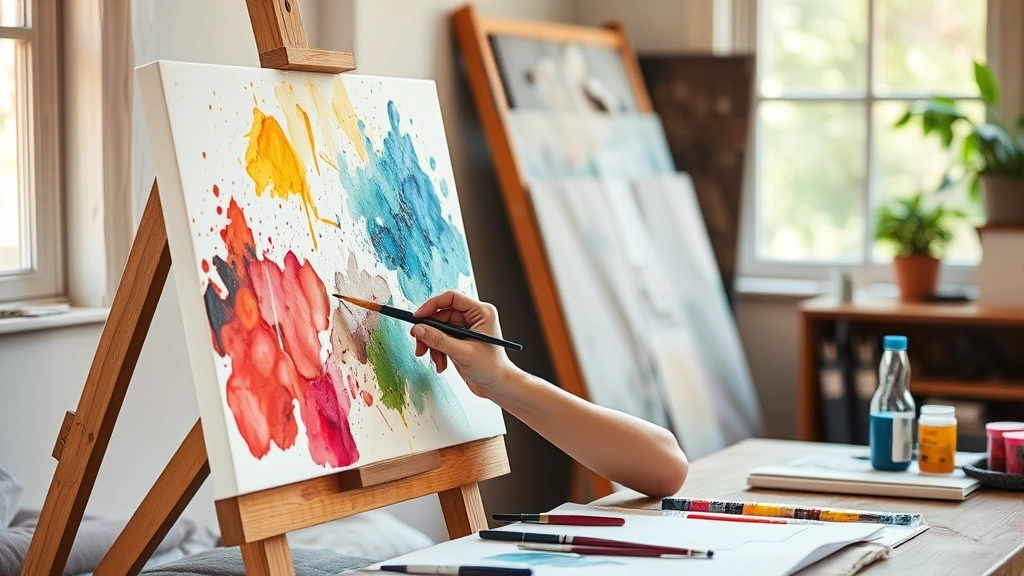
Visual creation activates your entire sensory processing system. The act of observing color, texture, and form—whether you’re reproducing them or inventing them—engages multiple brain regions simultaneously. People often report that visual art practice helps them organize chaotic emotions into something tangible. You’re literally externalizing internal states, which creates psychological distance and perspective. Many find that exploring mental health tattoos as an art form provides permanent, meaningful expression of their wellness journey.
Writing and Poetry
Writing forces narrative coherence. When you write about your experience, you’re organizing it into language, which means organizing it into logic. This is why journaling is so effective for anxiety management. Poetry takes this further—the compression of language into rhythm and image creates a kind of emotional alchemy. Anxiety mental health quotes often emerge from poetic language because poetry’s structure mirrors how we actually experience emotion: in fragments, metaphors, and sudden clarity.
Music and Sound
Music activates nearly every region of your brain simultaneously. Playing an instrument or singing engages motor control, auditory processing, emotional centers, and memory all at once. Even passive listening reorganizes your nervous system; research shows that music can lower heart rate and blood pressure as effectively as some medications. Creating music, though, offers the additional benefit of agency—you’re not just receiving the experience; you’re authoring it.
Movement Arts (Dance, Martial Arts, Yoga)
These forms integrate embodied awareness with creative expression. They’re particularly valuable for trauma processing and anxiety because they work through the body rather than exclusively through cognitive pathways. When anxiety lives in your chest and shoulders, moving it out through intentional physical expression is profoundly different from talking about it.
Crafts (Knitting, Ceramics, Woodworking)
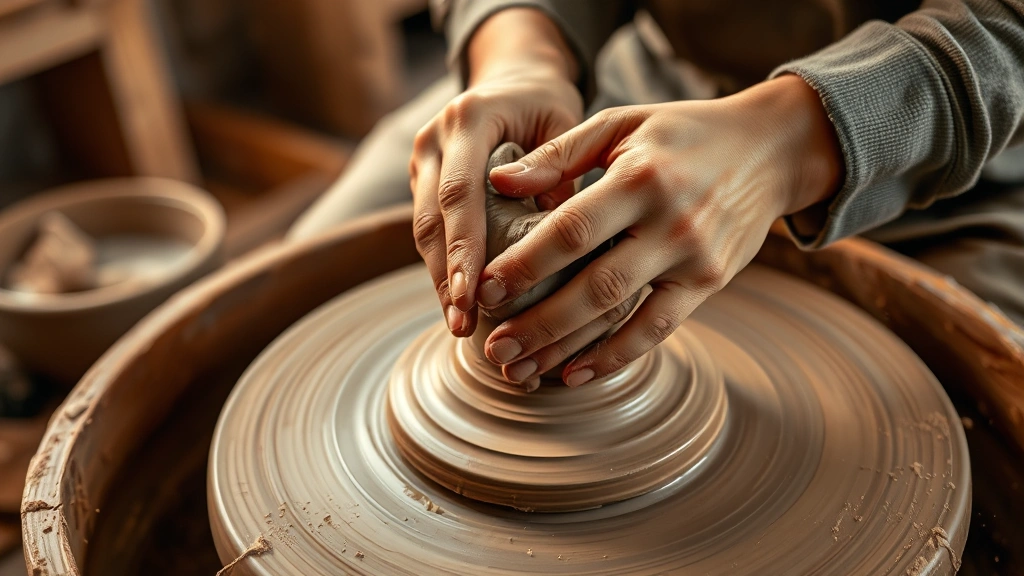
Repetitive, tactile creation offers meditative benefits alongside the satisfaction of making something functional. The rhythmic nature of knitting, for instance, has been shown to reduce anxiety as effectively as some meditation practices. There’s something uniquely grounding about working with physical materials that have weight, texture, and resistance.

The Science of Creative Expression and Emotional Processing
Why does art actually work for mental health? The answer involves neurotransmitters, emotional regulation theory, and something called the “coherence” between your internal experience and external expression.
When you create art, you’re engaging in what psychologists call externalizing. Internal emotional states—which can feel overwhelming, contradictory, and chaotic—become external objects you can observe, examine, and manipulate. This creates psychological distance. Instead of being drowning in anxiety, you’re looking at a painting about anxiety. That shift in perspective is therapeutic in itself.
Additionally, the creative process activates your brain’s reward system. Dopamine release—which happens when you’re engaged in meaningful activity—isn’t just pleasant; it’s also an antidepressant effect. This is why people often feel better after creative sessions, regardless of the outcome’s quality.
There’s also the integration factor. Many mental health struggles stem from fragmented experience—thoughts disconnected from emotions, emotions disconnected from physical sensation. Art requires integration. To paint anger, you need to feel it, recognize what color it is, how it moves, what it needs. This integration is healing.
Research on Harvard’s research into art and wellness demonstrates that creative engagement produces measurable improvements in depression and anxiety symptoms, sometimes rivaling traditional therapeutic interventions. The effect is strongest when the practice is regular and when the person maintains intrinsic motivation (doing it because it matters to them, not because they should).
Recent advances and breakthroughs in mental health research increasingly recognizes creative therapies as evidence-based interventions, not supplementary wellness activities. This validation matters because it removes the stigma that art is somehow less serious than pharmaceutical or cognitive interventions.
Using Art as a Therapeutic Tool at Home
You don’t need a therapist’s office or an art studio to harness these benefits. The most effective creative practice is the one you’ll actually do, which usually means the one that fits into your life as it currently exists.
Start Without Expectation
The first barrier most people encounter is perfectionism. You imagine that art-making requires talent, skill, or at minimum, the production of something aesthetically pleasing. This is false and counterproductive. Therapeutic art is about process, not product. Your goal isn’t a gallery-worthy piece; it’s an hour of engagement where your anxious mind quiets and your creative mind activates.
Choose Your Medium Based on Your Needs
If you carry stress in your body, movement or tactile arts might serve you best. If you ruminate verbally, writing or poetry could be your entry point. If you’re seeking meditative calm, music or repetitive crafts might click. There’s no wrong choice; there’s only what works for you right now.
Create a Friction-Free Environment
The second barrier is logistics. You need supplies accessible enough that the friction to starting is low. This might mean keeping a sketchbook and pencils on your nightstand, keeping your instrument out rather than stored away, or having a dedicated corner with craft supplies ready. Every decision that makes starting easier increases the likelihood you’ll actually do it.
Set a Realistic Time Commitment
You don’t need hours. Research suggests that 20-30 minutes of engaged creative activity produces measurable stress reduction. This is sustainable. You can protect 30 minutes. You probably can’t protect three hours, which is why a realistic practice beats an aspirational one.
Track How You Feel
Keep a simple log: before creative session (stress level, mood, physical tension) and after. Within a few weeks, you’ll have objective data about how this practice affects you. This isn’t vanity; it’s motivation. Seeing the pattern reinforces the behavior.
Overcoming the Perfectionism Trap in Artistic Practice
Here’s the cruel irony: the very people who would benefit most from creative practice—perfectionists, high-achievers, anxious overachievers—are often the ones most likely to sabotage themselves through unrealistic standards.
You sit down to paint, and immediately you’re comparing your work to masters. You start to write, and your inner critic announces that it’s derivative garbage. You pick up the guitar, and after three clumsy chords, you decide you’re not musical. The creative practice never actually happens because it dies in the comparison.
Breaking this requires a deliberate reframe. Art in the therapeutic context isn’t about the artifact; it’s about the doing. A badly painted canvas that took you into flow for an hour is infinitely more valuable than a technically perfect piece you created while anxious and self-conscious.
Consider this: the goal is to prove to yourself that you can engage in something for its own sake, not for external validation or a perfect outcome. This is actually a profound act of rebellion against the achievement-oriented mindset that often fuels anxiety in the first place.
One practical approach: set a timer for 20 minutes and commit to not judging anything you create during that time. Not the quality, not the originality, not whether it’s finished or coherent. The only rule is engagement. After 20 minutes, you can stop. Often, you won’t want to. The practice itself becomes rewarding.
Many find that exploring anxiety mental health tattoos as permanent body art represents a profound act of self-acceptance—choosing to display one’s mental health journey rather than hiding it. This acceptance carries over into creative practice.
Building a Sustainable Creative Practice for Mental Wellness
The difference between a one-time creative activity and a sustainable practice that genuinely improves mental health is consistency and intention. Here’s how to build something that lasts.
Anchor It to Existing Habits
Rather than trying to create entirely new time in your day, attach your creative practice to something you already do. Draw while your coffee brews. Play music after your morning run. Write for 15 minutes before bed. This strategy, called habit stacking, dramatically increases follow-through.
Find Your Community
Humans are social creatures. Whether that’s an online art community, a local pottery class, or a writing group, practicing alongside others provides accountability and normalization. You’re not the only person using art to manage anxiety; you’re one of millions. That realization is itself therapeutic.
Accept the Seasons
Your creative practice won’t look the same year-round, and that’s fine. Sometimes you’ll paint daily. Sometimes you’ll go weeks without touching your supplies. Sometimes you’ll explore April motivational quotes for inspiration when motivation flags. The practice is resilient enough to handle seasons. What matters is returning to it without guilt when life pulls you away.
Measure What Matters
Don’t measure success by hours logged or pieces completed. Measure it by how you feel: Do you sleep better on nights you create? Is your anxiety lower? Do you feel more present? Are you less irritable? These are the metrics that actually matter.
Stay Curious About Other Modalities
Your perfect medium might not be what you expect. Someone might discover that acupuncture and mental health practices pair beautifully with their visual art practice, or that combining movement with creative expression creates synergy. Stay open to integration.
Building a sustainable practice also means recognizing that creative engagement isn’t a replacement for professional mental health care when you need it. If you’re struggling with severe depression, trauma, or crisis-level anxiety, therapy, medication, or both might be necessary. Art is a powerful complement to professional care, not a substitute for it.
Consider this perspective: research on art therapy outcomes shows that the combination of traditional therapy and creative practice produces better results than either alone. The art gives your healing process a language beyond words.
Frequently Asked Questions
Do I need to be talented to benefit from art for mental health?
Absolutely not. Therapeutic benefit comes from engagement, not skill level. Some of the most powerful mental health transformations happen through crude sketches, clumsy melodies, or rambling journal entries. The brain doesn’t care about technical proficiency; it responds to focused creative engagement regardless of the outcome’s quality.
How often do I need to engage in creative practice to see mental health benefits?
Research suggests that even 20-30 minutes of engaged creative activity can produce measurable stress reduction and mood improvement. Consistency matters more than duration. A 20-minute daily practice will likely produce better results than a four-hour weekend binge followed by weeks of nothing. That said, even occasional creative engagement provides benefits—it’s not all-or-nothing.
Can art replace medication or therapy for mental health conditions?
Art is a powerful complementary tool, but it’s not a replacement for professional mental health care when you need it. If you’re experiencing severe depression, anxiety disorders, trauma, or suicidal ideation, you need professional support. Art enhances that support; it doesn’t substitute for it. Think of it as part of a comprehensive approach to mental wellness.
What if I don’t have access to supplies or classes?
You don’t need expensive supplies or formal instruction. Write with pen and paper. Dance in your living room. Sing. Draw with pencils. Hum. These cost virtually nothing and produce genuine benefits. The barrier to creative practice is rarely supplies; it’s usually the belief that you need permission, skill, or the “right” conditions. You don’t.
How do I know if creative practice is actually helping my mental health?
Track your subjective experience before and after sessions. Notice your sleep quality, anxiety levels, irritability, and presence. Within a few weeks of consistent practice, you’ll likely observe patterns. You might sleep better on creative nights. You might notice your anxiety is lower. You might find yourself more patient with others. These subjective observations are just as valid as objective metrics.
What if I start a creative practice and feel worse?
This is rare but possible, especially if you’re working through trauma or if perfectionism becomes paralyzing. If creative engagement increases your anxiety or distress, it might help to work with an art therapist who can guide the process, or to choose a different medium that feels less triggering. Some people need professional support to make creative practice therapeutic rather than stressful.
Can I combine multiple art forms?
Absolutely. Many people find that combining practices creates synergy. Writing while listening to music. Dancing while creating visual art. Singing while gardening. There’s no rule against integration. In fact, the combination often deepens the therapeutic benefit because you’re engaging more neural pathways simultaneously.


