
Asian Mental Health Collective: Community Insights and Cultural Perspectives on Wellness
Mental health conversations in Asian communities have long existed in whispered corners—acknowledged but rarely celebrated, understood but often stigmatized. The Asian Mental Health Collective represents a pivotal shift in how these conversations happen, transforming isolation into connection and shame into solidarity. This movement isn’t just about therapy sessions or clinical diagnoses; it’s about reclaiming narratives, honoring cultural contexts, and building spaces where mental wellbeing is woven into the fabric of community life.
What makes the Asian Mental Health Collective particularly compelling is its refusal to adopt a one-size-fits-all approach. Whether you’re navigating intergenerational trauma, the pressure of model minority myths, or the unique stressors of straddling multiple cultural identities, this collective recognizes that your mental health journey deserves nuance and cultural competency. The movement celebrates the intersection of traditional healing practices with modern psychological frameworks, creating something genuinely transformative.
In this exploration, we’ll dive into the core principles driving this collective, examine the cultural barriers that have historically silenced Asian voices in mental health discussions, and uncover practical insights that can help you build stronger mental resilience within your own community.
Understanding the Asian Mental Health Collective Movement
The Asian Mental Health Collective emerged from a recognition that mental health advocacy has historically centered Western perspectives, often overlooking the distinct experiences of Asian and Asian-American communities. This movement isn’t a monolith—it encompasses diverse voices from East Asian, South Asian, Southeast Asian, and Pacific Islander communities, each bringing their own cultural wisdom and contemporary challenges to the conversation.
At its core, the collective operates on a fundamental principle: mental health is inextricably linked to cultural identity, community belonging, and ancestral healing practices. Unlike traditional mental health frameworks that often compartmentalize the individual, this approach understands that your mental wellbeing is shaped by family dynamics, cultural expectations, systemic racism, immigration experiences, and generations of resilience passed down through your lineage.
The movement draws strength from recognizing that Asian communities have always possessed sophisticated emotional and psychological frameworks. Traditional Chinese medicine’s understanding of qi and emotional balance, Ayurvedic principles of mental equilibrium, or the Buddhist concepts of mindfulness and suffering—these aren’t alternative therapies tacked onto Western psychology. They’re foundational wisdom systems that deserve equal footing in contemporary mental health conversations.
What distinguishes the Asian Mental Health Collective from generic mental health initiatives is its explicit commitment to addressing systemic inequities. This includes examining healthcare disparities, representation gaps in mental health professions, the specific trauma of racist discrimination, and the unique pressures of navigating multiple cultural identities. It’s advocacy work, and it’s deeply personal.
Cultural Barriers to Mental Health Advocacy in Asian Communities
Understanding why mental health conversations have been historically muted in Asian communities requires examining several interconnected cultural, familial, and systemic factors. These barriers aren’t character flaws—they’re protective mechanisms that made sense in different contexts, though they often complicate mental health support today.
The Stigma Factor
Mental illness has historically carried profound shame in many Asian cultures. The concept of “losing face”—bringing dishonor to your family or community—creates powerful disincentives for openly discussing psychological struggles. When depression or anxiety is viewed as personal weakness rather than a legitimate health condition, seeking help becomes an act of betrayal against family honor.
This stigma isn’t random; it’s deeply rooted in cultural narratives about resilience, duty, and the collective good. When your wellbeing is understood as secondary to family stability, admitting mental health challenges feels like prioritizing yourself over those who depend on you. For many Asian individuals, this creates an impossible choice: honor your family’s expectations or honor your own psychological needs.
Communication Patterns and Emotional Expression
Many Asian cultural contexts emphasize emotional restraint and indirect communication. Rather than explicit verbal processing of feelings, emotional support often manifests through actions—cooking a favorite meal, helping with practical problems, or sitting quietly together. This isn’t emotional unavailability; it’s a different language of care.
However, when mental health professionals operate primarily through verbal disclosure and emotional articulation, this cultural communication style can be misinterpreted as emotional suppression or lack of insight. The gap between how emotions are traditionally expressed in Asian families and how Western psychology expects them to be expressed creates a fundamental mismatch.
The Model Minority Myth and Its Psychological Toll
The “model minority” stereotype—the assumption that Asian people are inherently successful, academically gifted, and psychologically resilient—creates invisible pressure that compounds mental health struggles. When you’re perceived as the “successful” demographic, admitting to depression, anxiety, or burnout feels like shattering an entire identity. This myth also makes it easier for institutions to overlook mental health disparities within Asian communities, assuming they don’t need support.
Research from the American Psychological Association indicates that Asian Americans have lower rates of mental health treatment seeking despite comparable or higher rates of mental health conditions compared to other demographics. The model minority myth directly contributes to this treatment gap.
Immigration and Acculturation Stress
For immigrant and first-generation Asian Americans, mental health is complicated by acculturation stress—the psychological tension of navigating between heritage culture and dominant culture. Parents may minimize their own struggles to protect children from worrying, while children internalize the message that mental health concerns are luxuries they can’t afford.
The trauma of immigration itself—displacement, discrimination, economic instability—often goes unprocessed because the focus is on practical survival and building stability. Mental health gets postponed until “later,” but later rarely comes.
Building Culturally Competent Mental Health Support
The Asian Mental Health Collective advocates for mental health approaches that don’t require abandoning cultural identity to access care. This means several concrete shifts in how mental health services are designed and delivered.
Integrating Traditional Healing Practices
One of the most powerful contributions of the collective is legitimizing traditional healing modalities alongside contemporary psychology. Acupuncture and mental health represents one such integration—research increasingly validates what traditional Chinese medicine has understood for millennia: the connection between physical balance and emotional wellbeing.
Similarly, yoga and meditation practices rooted in South Asian traditions aren’t simply relaxation techniques; they’re sophisticated psychological frameworks for managing emotional states and building resilience. When mental health professionals recognize these practices as legitimate therapeutic tools rather than exotic supplements, they honor the wisdom of Asian healing traditions.
Representation and Cultural Humility in the Mental Health Workforce
The collective emphasizes the importance of mental health professionals who understand Asian cultural contexts—whether through lived experience or dedicated cultural competency training. This isn’t about tokenism; it’s about ensuring that therapists can recognize cultural nuance rather than pathologizing cultural norms.
For example, a therapist unfamiliar with Asian family dynamics might interpret filial piety as enmeshment or codependency, when it’s actually a core cultural value that can be psychologically healthy when balanced with individual autonomy. Similarly, a therapist might misunderstand the role of shame in Asian cultures, mistaking it for depression when it’s actually a different emotional experience with different therapeutic implications.
Exploring advanced practice mental health approaches that center cultural competency creates better outcomes for Asian clients. Training programs increasingly recognize that cultural humility—the willingness to acknowledge limitations and learn from clients—is essential for effective mental health care.
Language and Accessibility
Mental health services conducted in English can obscure or distort the emotional reality of non-native English speakers. Certain feelings, concepts, or family dynamics might be untranslatable or lose critical nuance. The collective advocates for mental health services available in multiple Asian languages, recognizing that accessing care in your first language fundamentally changes the therapeutic experience.
Addressing Systemic Inequities
Culturally competent mental health support also means acknowledging and addressing systemic racism, immigration-related trauma, and discrimination as legitimate sources of psychological distress—not individual pathology. When a therapist can name systemic racism as a real stressor rather than encouraging individual coping strategies alone, it validates clients’ experiences and opens possibilities for collective healing.
The Role of Community in Healing and Resilience
The Asian Mental Health Collective fundamentally reconceptualizes healing as a community process rather than an individual one. This represents a radical departure from Western psychology’s emphasis on individual autonomy and self-sufficiency.
Collective Resilience and Ancestral Wisdom
Asian communities have survived colonization, war, displacement, discrimination, and systemic oppression. This collective history isn’t just trauma—it’s also profound resilience. The mental health collective recognizes that your individual resilience is connected to generations of ancestors who survived impossible circumstances. Tapping into this ancestral strength isn’t mystical; it’s drawing on proven psychological resources.
This perspective transforms how we understand mental health challenges. Depression isn’t simply a neurochemical imbalance; it might also reflect intergenerational trauma that deserves acknowledgment and processing. Anxiety might connect to ancestral experiences of displacement or discrimination. By honoring these connections, healing becomes an act of honoring your lineage.
Peer Support and Storytelling
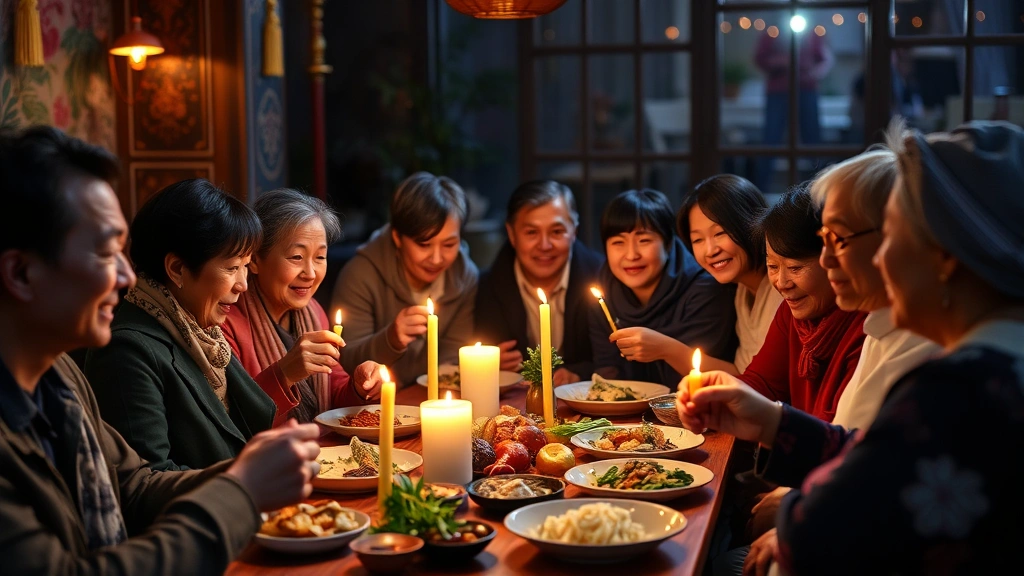
The collective emphasizes peer support groups, storytelling circles, and community gatherings as legitimate mental health interventions. When you hear another person’s story and recognize your own experience reflected back to you, isolation dissolves. You realize you’re not broken; you’re human, navigating complex circumstances within a community of others doing the same.
These spaces also serve advocacy jobs in mental health by creating opportunities for community members to become peer counselors, advocates, and educators. This democratizes mental health knowledge and ensures that support is accessible beyond clinical settings.
Family as Resource and Context
Rather than pathologizing family dynamics—a common Western therapeutic approach—the collective asks: how can we strengthen family relationships while respecting individual autonomy? How can we honor filial obligations while building healthy boundaries? How can we work with family systems rather than against them?
This requires therapists trained in family systems work who understand the particular dynamics of Asian families, where loyalty, obligation, and interdependence aren’t problems to solve but values to navigate skillfully.
Practical Strategies for Mental Wellness Within Cultural Contexts
Building Your Personal Mental Health Practice
The Asian Mental Health Collective offers practical wisdom for building mental wellness that honors your cultural identity. Here are concrete strategies:
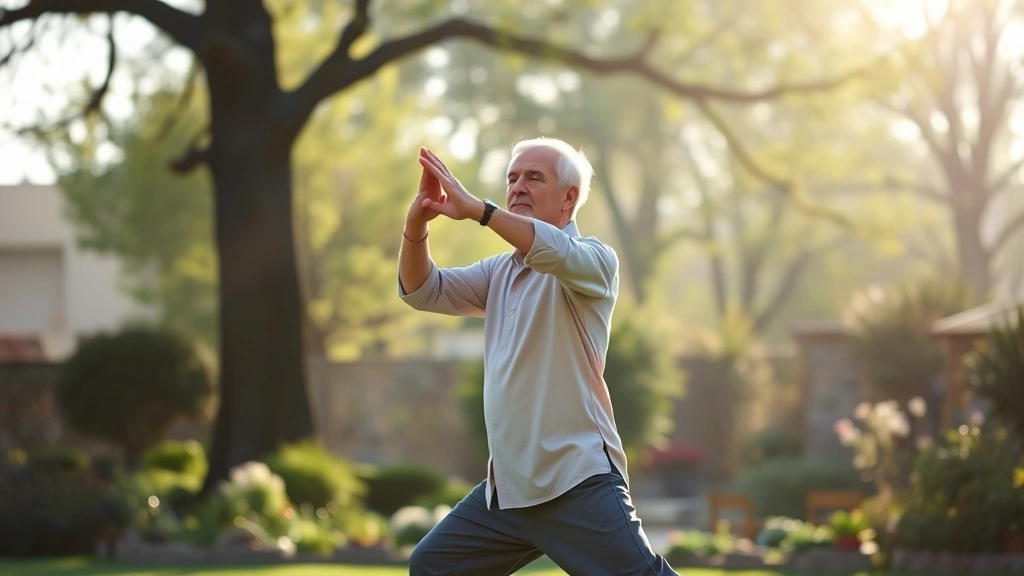
- Integrate traditional practices: Whether it’s tai chi, meditation, yoga, or herbal remedies your grandmother recommended, honor these practices as legitimate mental health tools. You don’t need to choose between Western psychology and traditional wisdom; you can integrate both.
- Create language for emotions: In many Asian cultures, emotions are discussed indirectly or through metaphors. Developing a personal vocabulary for your internal experience—perhaps using traditional concepts like qi stagnation or pitta imbalance alongside psychological terminology—helps you process emotions more effectively.
- Build community connections: Mental health doesn’t happen in isolation. Actively cultivate relationships with people who understand your cultural context. This might mean joining community organizations, cultural centers, or online communities centered on Asian mental health.
- Process intergenerational experiences: Have conversations with family members about immigration, survival, resilience, and trauma. These conversations can feel uncomfortable, but they’re deeply healing. They also help you understand your own psychological patterns through a broader historical lens.
- Seek culturally informed professional support: When you do seek therapy, ask about therapists’ cultural competency. It’s okay to ask questions about their experience working with Asian clients, their understanding of cultural values, and their approach to cultural integration in treatment.
Navigating Mental Health Conversations with Family
One of the most challenging aspects of mental health advocacy in Asian communities is having these conversations with family members who may hold traditional views about mental illness. Rather than fighting these perspectives, the collective suggests:
- Use family-centered language: Instead of “I need therapy for my depression,” you might frame it as “I’m working on being a better person for our family” or “I’m learning skills to handle stress so I can be more present with you.”
- Share concrete benefits: Talk about how mental health support helps you sleep better, focus on work or school, or manage family relationships more effectively. Concrete outcomes often resonate more than abstract psychological concepts.
- Involve trusted family members: Sometimes having a respected family member—an aunt, uncle, or older sibling—understand your mental health needs first creates an internal advocate who can help other family members understand.
- Connect to cultural values: Frame mental health as honoring your health and longevity, which aligns with most Asian cultural values. Emphasize that addressing mental health prevents more serious problems down the line.
Addressing Burnout and High Achievement Pressure
Many Asian individuals experience intense pressure to achieve academically and professionally. This pressure, while sometimes motivating, often leads to burnout and anxiety. The collective acknowledges this specific stressor and offers perspective:
Achievement is valuable, but not at the cost of your mental health and wellbeing. The model minority myth has created an impossible standard where success is expected without struggle, where achievement should come easily. When it doesn’t, shame follows.
Reframing achievement to include mental health, physical wellbeing, and meaningful relationships—not just external markers of success—aligns with deeper Asian philosophical traditions that emphasize balance and harmony. You’re not abandoning ambition; you’re pursuing it in a way that sustains rather than destroys you.
Breaking the Silence: Stories That Matter
The Asian Mental Health Collective gains power through storytelling. Hearing from others who share your cultural background and have navigated mental health challenges reduces shame and isolation exponentially. These stories demonstrate that mental health struggles don’t mean you’ve failed your family or abandoned your culture.
Some of the most powerful collective work involves creating safe spaces for these narratives. Whether through documentary projects, podcast series, social media communities, or in-person gatherings, the collective ensures that Asian voices discussing mental health are visible and celebrated.
This visibility work also extends to art about mental health, where Asian artists explore mental health themes through visual art, music, theater, and literature. Creative expression becomes both personal processing and cultural contribution, breaking silence while honoring aesthetic traditions.
Furthermore, understanding another word for mental health issues across different cultural and linguistic contexts helps the collective communicate more effectively. What Western psychology calls “anxiety” might be described as heart palpitations, qi stagnation, or spirit disturbance in different Asian traditions. The collective respects these different frameworks while facilitating communication across them.
Engaging with anxiety mental health quotes and wisdom from Asian philosophical traditions provides both comfort and perspective. Quotes from Buddhist teachers, Confucian scholars, or Ayurvedic practitioners offer frameworks for understanding mental health that feel culturally resonant and deeply true.
The collective also emphasizes that advocacy work itself is mental health work. Individuals who engage in advocacy jobs in mental health within Asian communities often report that this work is healing—it transforms personal struggle into collective purpose, creating meaning from pain.
Frequently Asked Questions
What exactly is the Asian Mental Health Collective?
The Asian Mental Health Collective is a movement and network of organizations, practitioners, and community members committed to addressing mental health within Asian and Asian-American communities through a culturally informed lens. It combines contemporary psychology with traditional healing practices, centers community and family, and actively works against stigma and systemic inequities in mental health care.
Is the Asian Mental Health Collective a single organization?
No, it’s a decentralized movement with multiple organizations, initiatives, and community groups working toward similar goals. Some are formal nonprofits, others are grassroots community organizations, online communities, or professional networks. They’re connected by shared values rather than a single organizational structure.
How do I find mental health support through the Asian Mental Health Collective?
Many organizations within the collective maintain directories of culturally competent mental health providers, support groups, and community resources. Searching online for “Asian mental health collective [your city/country]” often yields local resources. Additionally, many cultural community centers now offer mental health services or referrals.
My family is resistant to mental health support. How do I navigate this?
The collective offers several approaches: reframe mental health in terms your family values (health, longevity, family stability), share concrete benefits of seeking support, involve respected family members as advocates, and sometimes, seek support independently while respecting family boundaries. Cultural change happens gradually, and your individual healing is valid even if family members don’t immediately understand.
Can traditional healing practices replace therapy?
Traditional healing practices and contemporary therapy serve complementary roles. Some conditions benefit significantly from professional mental health treatment, while traditional practices enhance overall wellbeing and resilience. Many people benefit most from integrating both approaches, working with providers who respect and understand both frameworks.
How does the collective address racism and discrimination as mental health issues?
The collective explicitly names racism, discrimination, and systemic oppression as legitimate sources of psychological distress. Rather than treating these as individual problems to overcome through coping skills alone, the collective acknowledges the external reality of these stressors and works toward both individual healing and systemic change.
Is the Asian Mental Health Collective only for people with diagnosed mental health conditions?
No. The collective serves anyone interested in mental wellbeing, cultural connection, and community support. You don’t need a diagnosis to benefit from community resources, support groups, or culturally informed perspectives on mental health and resilience.
How can I contribute to or support the Asian Mental Health Collective?
You can contribute by seeking culturally competent mental health support, engaging with community initiatives, sharing your story (if you’re comfortable), supporting organizations within the collective through volunteering or donations, or simply being an advocate within your own family and community for more open mental health conversations.


