
Atomic Habits Review: Insights and Key Takeaways
James Clear’s Atomic Habits has become the go-to playbook for anyone serious about personal transformation. But here’s the thing—it’s not another motivational book that makes you feel pumped for a week before everything fades. Instead, it’s a meticulously researched guide that treats habit formation like a science, because, well, it is. The book cuts through the noise and delivers something genuinely useful: a framework that actually works.
What makes this book stand out isn’t just the theory. Clear draws from behavioral psychology, neuroscience, and real-world examples to show you exactly how tiny changes compound into remarkable results. Whether you’re struggling with productivity, fitness, or breaking bad patterns, the principles here apply. This atomic habits review breaks down the core concepts and shows you how to implement them in your life without feeling overwhelmed.
If you’ve been searching for a book that balances inspiration with practical action, you’ve found it. Let’s dive into what makes this book such a game-changer.
What Is Atomic Habits?
Atomic Habits is James Clear’s bestselling book about how to build good habits, break bad ones, and master tiny behaviors that lead to remarkable results. Published in 2018, it’s sold millions of copies worldwide and for good reason—it tackles one of humanity’s most persistent problems: why we struggle to change despite knowing what we should do.
The core premise is deceptively simple: you don’t rise to the level of your goals; you fall to the level of your systems. Most people obsess over outcomes—losing 30 pounds, writing a book, earning more money—but ignore the daily habits that make those outcomes possible. Clear argues that focusing on 1% improvements in your daily routine creates exponential returns over time.
The book isn’t theoretical fluff. Clear spent years researching behavioral science, interviewing elite performers across sports, business, and academia, and synthesizing the research into actionable principles. You’ll find references to behavioral psychology studies and real-world case studies that make the concepts stick.
The Compound Effect: Small Changes, Big Results
One of the most powerful ideas in the book is the compound effect. Imagine improving just 1% every day. After a year, you’re not 1% better—you’re roughly 37 times better. Conversely, getting 1% worse daily compounds into decline. This isn’t hype; it’s mathematics.
What makes this concept so liberating is that it removes the pressure to be perfect. You don’t need to overhaul your entire life overnight. Instead, you focus on marginal gains—reading 10 pages instead of zero, doing five pushups instead of none, writing 100 words instead of staying blank. These micro-improvements feel achievable, which means you actually stick with them.
Clear uses the example of the British cycling team. When he started consulting them, they were mediocre. But by implementing 1% improvements across every aspect—bike design, training methods, sleep hygiene, nutrition—they became dominant. Within a few years, they were winning Olympic medals and Tour de France titles. No single change was revolutionary, but the compounded effect was transformative.
This principle applies everywhere. A student who studies 15 minutes daily outpaces someone cramming before exams. An entrepreneur who writes 500 words daily builds a substantial body of work. The key insight is patience. Most people quit because they don’t see immediate results. But when you understand compounding, you realize that consistency matters more than intensity.
Habit Stacking and Identity-Based Habits
Clear introduces two powerful concepts that transform how you build habits: habit stacking and identity-based habit formation.
Habit stacking is elegant in its simplicity. Instead of trying to build habits in isolation, you attach a new habit to an existing one. For example, “After I pour my morning coffee, I’ll do 10 pushups” or “After I finish lunch, I’ll drink a glass of water.” You’re leveraging existing behaviors as anchors for new ones.
This works because your brain is already in motion after the existing habit. You’re not starting from zero willpower; you’re piggybacking on momentum. The formula is straightforward: “After [CURRENT HABIT], I will [NEW HABIT].” Once this becomes automatic, you can stack another habit onto the new one, creating chains of positive behaviors.
Identity-based habits are even more profound. Instead of focusing on outcomes (“I want to lose weight”), Clear suggests focusing on identity (“I am someone who prioritizes health”). This subtle shift changes everything.
When you identify as a reader, you read regularly. When you identify as disciplined, you follow through. When you identify as creative, you make time for creative work. Your habits become expressions of your identity rather than external impositions. This is why anime discipline resonates with people—characters embody identities that drive their actions.
The process is: (1) Decide who you want to be, (2) Prove it to yourself with small wins, (3) Reinforce the identity through consistent action. Over time, your habits aren’t things you do; they’re things that define you.
The Four Laws of Behavior Change
Clear breaks down habit formation into four laws that serve as a framework for building good habits and breaking bad ones:
- Make it obvious: You can’t change what you don’t notice. Clear suggests using implementation intentions and environmental design. If you want to eat healthier, put healthy food at eye level in your fridge. If you want to read more, leave a book on your pillow. You’re making the desired behavior obvious and the undesired behavior invisible.
- Make it attractive: Habits are more likely to stick when they’re appealing. This is where temptation bundling comes in—pairing a habit you want with something you already enjoy. Love watching shows? Watch them only while exercising. This makes the desired behavior more attractive.
- Make it easy: Reduce friction for good habits and increase friction for bad ones. If you want to meditate, set up a dedicated space. If you want to stop scrolling social media, delete the apps from your phone. The easier the behavior, the more likely you’ll do it.
- Make it satisfying: You repeat behaviors that feel rewarding. Clear introduces the concept of immediate rewards—celebrating small wins, tracking progress visibly, or using a habit tracker. When you see the chain of consecutive days, you want to keep it going.

These laws apply in reverse for breaking bad habits. Make it invisible, unattractive, difficult, and unsatisfying. Want to quit scrolling before bed? Make your phone less accessible, make scrolling less rewarding by disabling notifications, and replace it with a satisfying alternative like reading.
Implementation Strategies That Actually Work
Reading about habits is one thing; actually implementing them is another. Clear provides several strategies that bridge this gap.
The Two-Day Rule: Never miss your habit twice. Missing once is life; missing twice is the start of a new (bad) habit. This removes perfectionism while maintaining consistency. You’re human; you’ll miss days. But the rule ensures you get back immediately rather than spiraling.
Environment Design: Your environment shapes your behavior more than you realize. If you want to write more, create a distraction-free writing space. If you want to exercise, lay out your gym clothes the night before. You’re reducing the decision-making required and making the desired behavior the path of least resistance.
Temptation Bundling: Pair habits you need with habits you want. Exercise while listening to your favorite podcast. Study in a coffee shop you love. Learn a language while commuting. You’re making the necessary habit more enjoyable.
For those looking to deepen their understanding, consider checking out the atomic habits cheat sheet for quick reference. You might also find value in exploring specific atomic habits quotes that resonate with your goals, or downloading the atomic habits PDF free for detailed notes.
If you’re interested in complementary frameworks, the 7 habits of highly effective people PDF offers another perspective on personal effectiveness that pairs well with Clear’s atomic approach.
Common Pitfalls and How to Avoid Them
Even with a solid framework, people stumble. Here are common mistakes and how to sidestep them.
Starting Too Big: Most people fail because they try to change everything at once. Clear emphasizes starting small—so small it feels almost trivial. The goal isn’t perfection; it’s consistency. A two-minute meditation habit beats a 20-minute one you quit after a week.
Ignoring Your Environment: You can’t rely on willpower alone. Your environment is doing 80% of the work. If you’re surrounded by junk food, no amount of motivation will keep you eating healthy. Design your environment first, then rely on habits.
Chasing Outcomes Instead of Systems: This is the biggest trap. You set a goal (lose 20 pounds) but ignore the system (daily exercise and nutrition habits). Goals are results; systems are processes. Focus on the system, and results follow.
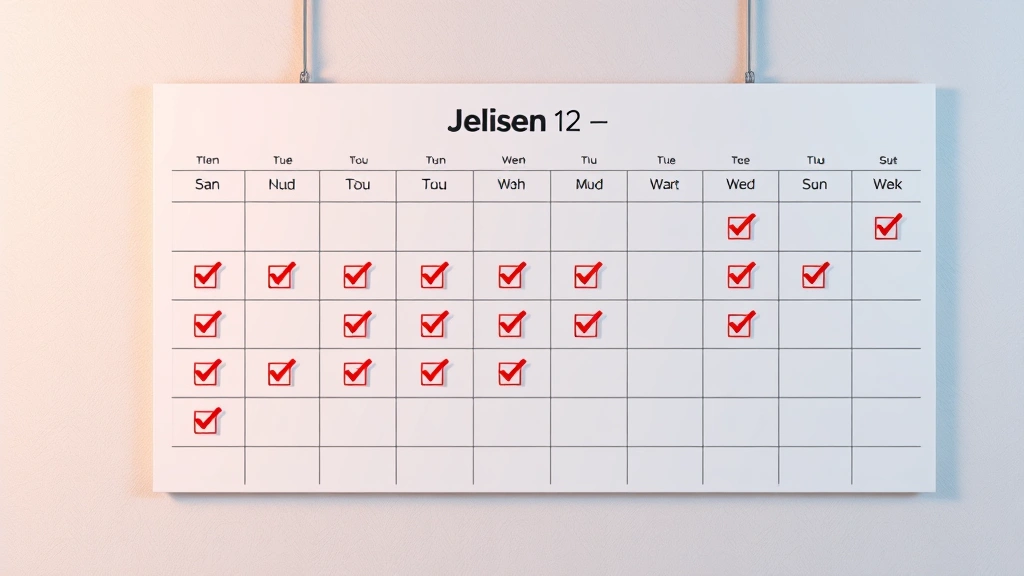
Not Tracking Progress: What gets measured gets managed. Clear emphasizes visible progress tracking—whether that’s a habit tracker on your wall, an app, or a simple checkmark in a calendar. Seeing progress is incredibly motivating and helps you spot patterns.
Giving Up Too Early: Most habits take 2-8 months to feel automatic, depending on complexity. People often quit before the habit becomes easy. Understanding this timeline helps you persevere through the difficult early phase.
Research from habit formation studies shows that consistency matters more than intensity. You’re better off doing something imperfectly every day than perfectly once a week.
Frequently Asked Questions
How long does it take to form a habit?
Clear states that habits typically take 2-8 months to become automatic, depending on the habit’s complexity and how frequently you practice it. A simple habit like drinking water might take weeks, while a complex habit like running might take months. The key is consistency, not perfection. Most people underestimate how long habits take and quit prematurely.
Can I use atomic habits for breaking bad habits?
Absolutely. The four laws work in reverse. To break a bad habit, make it invisible (remove triggers), unattractive (highlight negative consequences), difficult (increase friction), and unsatisfying (remove rewards). For example, to quit social media scrolling, delete the apps, replace notifications with reminders of why you’re quitting, make your phone less accessible, and reward yourself for not checking it.
Is the book suitable for beginners?
Yes. Clear writes in accessible, conversational language. You don’t need prior knowledge of psychology or habit science. The book uses stories and examples that make concepts clear and relatable. Whether you’re a beginner or have years of self-improvement experience, you’ll find value in the practical frameworks.
What makes atomic habits different from other habit books?
Most habit books focus on motivation and willpower. Clear’s approach is different—he emphasizes systems, environment design, and identity. Instead of relying on motivation (which is unreliable), he shows you how to make good habits automatic and bad habits difficult. This systems-based approach is grounded in behavioral science rather than inspirational platitudes.
Can I implement all the strategies at once?
Not recommended. Clear emphasizes starting small. Pick one habit, master it, then add another. Trying to implement everything simultaneously leads to overwhelm and failure. The compound effect works best when you build gradually and let each habit solidify before adding the next.
How does habit stacking work with complex habits?
Habit stacking works best for simple habits that you already do consistently. Once you’ve stacked several habits, you can chain them together. For example, “After I brush my teeth, I drink water. After I drink water, I meditate.” Start with simple stacks, then build complexity. Complex habits might need a dedicated environment or time block rather than stacking.
What if I miss a day?
Use the Two-Day Rule. Missing once is acceptable; missing twice starts a new habit. The moment you realize you’ve missed, get back on track the next day. Don’t spiral into “I’ve already failed, so why bother?” thinking. One missed day is a blip; two consecutive misses is a pattern.


