Auto Focus Glasses: How Do They Work?
Remember when the most advanced thing your glasses could do was correct your vision? Those days are rapidly becoming a relic of the past. Auto focus glasses represent one of the most fascinating intersections of optical science and modern technology, promising to revolutionize how we see and interact with the world around us. Whether you’re struggling with presbyopia, digital eye strain, or simply want to experience seamless vision at every distance, these innovative lenses deserve your attention.
The concept sounds almost magical—glasses that automatically adjust their focus depending on what you’re looking at, without any manual intervention or awkward head movements. But the reality is rooted in solid science and clever engineering. In this article, we’ll explore exactly how auto focus glasses work, what makes them different from traditional progressive lenses, and whether they’re the right choice for your lifestyle.
The journey from static prescriptions to dynamic vision correction has been anything but straightforward. It required breakthroughs in materials science, computational processing, and our fundamental understanding of how the human eye focuses. Let’s dive into this fascinating technology and discover why experts believe auto focus glasses could be the future of vision correction.
How Auto Focus Glasses Actually Work
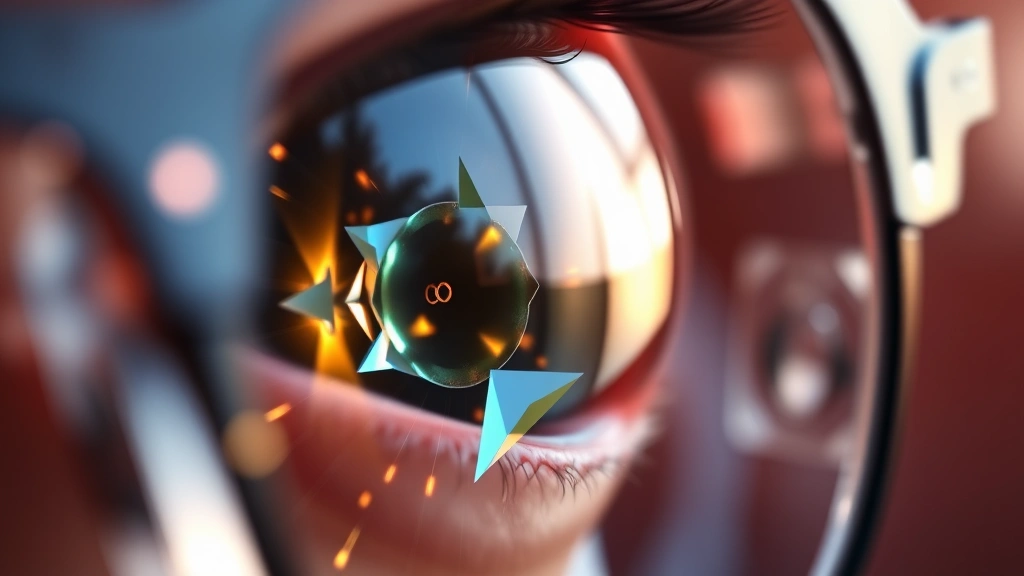
Auto focus glasses operate on a deceptively simple principle: they use liquid crystal technology or other dynamic optical materials to continuously adjust the lens power based on where your eyes are looking. Think of it as having a personal optometrist built directly into your frames, constantly recalibrating to match your visual needs in real-time.
The core mechanism involves embedded sensors that track your eye position and gaze direction. These sensors communicate with a microprocessor that calculates the optimal lens power for your current viewing distance. Within milliseconds, the lens material responds by changing its optical properties, effectively shifting your prescription. It’s remarkably similar to how your eye’s natural lens adjusts—a process called accommodation—except it happens electronically rather than through muscular contraction.
Most modern auto focus glasses rely on what’s called liquid crystal display (LCD) technology or electro-active polymers. These materials can alter their refractive index when an electrical current passes through them. By controlling the voltage precisely, manufacturers can create a lens that shifts from reading strength to distance vision almost instantaneously. The entire process happens so quickly that users typically don’t notice the transition—it feels like continuous, uninterrupted vision.
The Aeris Focus V represents one of the most sophisticated implementations of this technology, incorporating advanced eye-tracking algorithms that learn your visual patterns over time. This means the glasses become increasingly personalized the longer you wear them, anticipating your focus needs before you even consciously shift your attention.

The Technology Behind the Magic
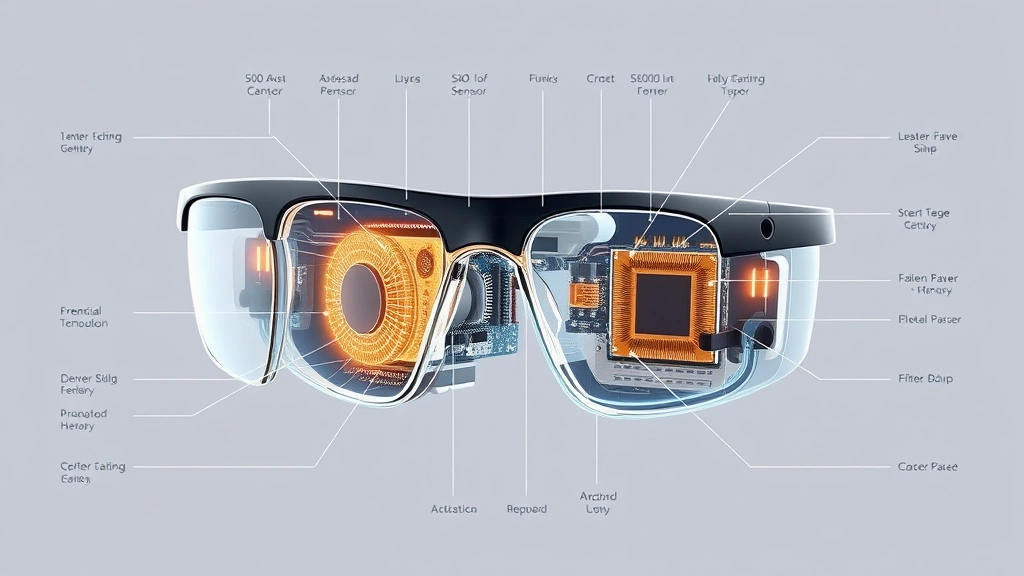
Understanding auto focus glasses requires us to peek under the hood and examine the sophisticated components working in concert. The system consists of four primary elements: sensors, processors, actuators, and the lens material itself.
Sensors and Eye Tracking: Infrared sensors monitor your eye position and pupil dilation. By analyzing where your pupils are directed and how they’re responding, the system determines your intended focal distance. Modern eye-tracking technology has become remarkably accurate, capable of detecting even subtle eye movements.
Processing Power: A miniaturized microprocessor receives data from the sensors hundreds of times per second. This isn’t a simple calculation—it’s running complex algorithms that factor in your personal prescription, your current visual task, and environmental lighting conditions. The processor must make decisions and send commands to the lens actuators faster than your brain can consciously register the change.
Lens Actuation: Once the processor determines the needed lens power, it sends electrical signals to the lens material. This causes a physical change in the lens’s optical properties. In liquid crystal systems, the molecules align differently when stimulated by the electrical field, changing how light passes through. This happens across the entire lens surface, creating a smooth, progressive transition rather than distinct zones like traditional bifocals.
Power Management: Here’s where things get tricky—all this technology requires electricity. Modern auto focus glasses use rechargeable batteries integrated into the frame structure. Battery life typically ranges from 24 to 48 hours depending on usage intensity and lens technology. The engineering challenge of fitting all this technology while maintaining comfortable frame weight has been substantial, but recent innovations have made significant progress.
The adjustable focus capability extends beyond simple distance correction. Advanced systems can account for astigmatism, incorporate your personal visual preferences, and even adapt to different lighting environments. Some premium models include blue light filtering that adjusts intensity based on time of day and screen usage patterns.
Auto Focus vs. Traditional Progressive Lenses
If you’ve ever worn progressive lenses (those no-line bifocals), you understand both their benefits and frustrations. Progressive lenses offer a smooth transition across multiple focal distances, but they have distinct zones with specific power levels. Auto focus glasses take this concept and revolutionize it.
The Progressive Lens Limitation: Traditional progressive lenses require you to move your head and eyes to find the correct zone for your viewing distance. If you’re reading something on a desk, you look through the bottom of the lens. For computer work, you might need a different position. This creates what users call the “progressive lens dance”—constantly adjusting head position to find the sweet spot.
The Auto Focus Advantage: Auto focus glasses eliminate this choreography entirely. Wherever your eyes look, the lens power adjusts to that exact distance. You can read at your desk, glance at your monitor, check your phone, and look across the room without any head movement or positioning adjustment. The lens does all the work.
Clarity and Peripheral Vision: Progressive lenses necessarily compromise on peripheral vision clarity to accommodate multiple focal zones. Auto focus glasses maintain consistent clarity across the entire lens because the entire surface is adjusting to your current focal distance. This represents a substantial improvement in visual quality for many users.
Adaptation Time: New progressive lens wearers often need a week or two to adjust to the zones and head positioning requirements. Auto focus glasses feel more natural almost immediately because they mimic how your eye naturally accommodates. There’s no learning curve—just better vision.
However, it’s important to note that not all focus solutions are created equal. Some products make claims they can’t deliver, so research thoroughly before investing in this technology.
Real Benefits Beyond the Hype
Auto focus glasses offer genuine advantages that extend beyond the convenience factor. These benefits address real challenges that millions of people face daily.
Reduced Eye Strain: When your eyes are constantly working to find the correct focal zone in progressive lenses, or when you’re forcing accommodation at distances your prescription doesn’t support, eye fatigue accumulates. Research from the American Psychological Association demonstrates that reduced visual accommodation stress significantly decreases digital eye strain. Auto focus glasses maintain optimal focus continuously, reducing the muscular effort your eyes exert.
Enhanced Productivity: For knowledge workers, students, and anyone who transitions frequently between different visual tasks, auto focus glasses eliminate the friction of constant refocusing. This might seem minor, but multiply it across an eight-hour workday and you’re looking at measurable productivity gains. Your brain isn’t spending cognitive resources managing your visual accommodation.
Improved Safety: When driving, your eyes need to quickly transition from dashboard instruments to the road ahead to mirrors and back again. Traditional bifocals or progressive lenses can create dead zones where you can’t see clearly. Auto focus glasses maintain consistent clarity for all these distances, potentially improving reaction time and safety.
Natural Visual Experience: Unlike bifocals or progressive lenses, auto focus glasses don’t create a visible line or require conscious awareness of different zones. The visual experience feels natural and continuous, similar to how your eye worked before presbyopia or other focusing challenges developed.
Personalization and Learning: Premium auto focus systems actually improve over time. They learn your habits, your typical working distances, and your preferences. This means your glasses become increasingly customized to your specific lifestyle and visual patterns. It’s technology that adapts to you, rather than you adapting to technology.
Important Considerations Before You Buy
While auto focus glasses represent genuine innovation, they’re not without trade-offs. Before making the investment, consider these factors carefully.
Cost: Auto focus glasses are significantly more expensive than traditional progressive lenses. Expect to pay substantially more for the technology, and factor in potential repair costs if the electronic components are damaged. Insurance coverage varies widely, and many plans don’t yet cover this newer technology.
Maintenance and Durability: Electronic components require care. Your glasses need regular charging, and the electronics can be vulnerable to moisture, impact, and temperature extremes. While manufacturers have made substantial improvements in durability, these glasses demand more careful handling than traditional lenses.
Individual Variation: Not everyone experiences dramatic benefits from auto focus technology. Some people adapt beautifully to progressive lenses and notice minimal difference. The degree of benefit depends on your specific visual needs, your work environment, and your personal sensitivity to accommodation stress. Before committing to a purchase, try to test the technology if possible.
Technology Maturity: Auto focus glasses are still relatively new to the mainstream market. While the technology is solid, the field is rapidly evolving. You might find that waiting another year or two brings improved battery life, lower prices, or enhanced capabilities. This is a decision where being an early adopter carries both advantages and risks.
Prescription Changes: Your prescription will likely change over time. With traditional glasses, you simply get new lenses. With auto focus glasses, you might need to replace the entire device or have the electronics recalibrated. This represents an additional consideration in the total cost of ownership.
Before pursuing auto focus solutions, explore whether other focus strategies might serve your needs, and understand that building sustainable focus habits—like those outlined in atomic habits approaches—remains fundamental regardless of your optical technology.
The Future of Vision Correction
Auto focus glasses represent just the beginning of a revolution in vision correction. Researchers and manufacturers are exploring increasingly sophisticated possibilities.
Augmented Reality Integration: Future auto focus glasses will likely incorporate AR capabilities, displaying information directly in your field of view while maintaining perfect focus. Imagine reading text that appears to float at any distance while your lenses automatically adjust for optimal clarity.
AI-Powered Prediction: Artificial intelligence will enable glasses that predict where you’re about to look and pre-adjust focus accordingly. Machine learning algorithms will become increasingly sophisticated at understanding visual patterns and optimizing lens adjustment for individual users.
Improved Battery Technology: As battery technology advances, auto focus glasses will eventually offer multi-day or even week-long battery life. This removes one of the current significant limitations of the technology.
Reduced Cost: As manufacturing scales up and competition increases, prices will inevitably decline. What’s currently a luxury product may become mainstream within a decade, similar to how smartphone prices dropped dramatically as production ramped up.
Medical Applications: Beyond simple presbyopia correction, auto focus glasses show promise for treating various eye conditions and visual disorders. Research is ongoing into applications for people with macular degeneration, certain types of astigmatism, and other refractive errors.
According to Harvard Business Review, as our work environments become increasingly digital and demanding, the importance of optimized vision technology will only grow. The convergence of vision science and technology represents one of the most promising frontiers in personal health optimization.
Frequently Asked Questions
How long do auto focus glasses take to adjust when you change focal distance?
Modern auto focus glasses adjust in milliseconds—typically 50 to 100 milliseconds depending on the specific technology. This is fast enough that your brain perceives it as instantaneous, similar to how your natural eye accommodation works. You won’t notice any lag or delay in focus transitions.
Can you wear auto focus glasses if you have astigmatism?
Yes, absolutely. Modern auto focus glasses can be customized to correct for astigmatism along with presbyopia or other refractive errors. The lens can adjust not just the sphere power (magnification) but also the cylindrical power (astigmatism correction). Discuss your specific prescription with your optometrist to ensure the system can accommodate your needs.
What happens if the battery dies while you’re wearing auto focus glasses?
This is an important consideration. If the battery completely dies, most auto focus glasses revert to a default power setting—typically optimized for intermediate distance (around arm’s length). You won’t be completely without vision, but you’ll have reduced clarity at other distances. Most users can still function, though it’s not ideal. This is why regular charging is essential, similar to charging your smartphone.
Are auto focus glasses covered by insurance?
Coverage varies significantly depending on your specific insurance plan. Some plans cover them as a medical device for presbyopia treatment, while others classify them as elective technology not covered by insurance. Contact your insurance provider with your specific plan information to determine coverage. Many people find that the out-of-pocket cost is worth the benefit, even without insurance coverage.
How do auto focus glasses perform in different lighting conditions?
Modern auto focus glasses include ambient light sensors and adjust their performance based on lighting conditions. In bright sunlight, the system might operate differently than in dim indoor lighting. Advanced models even incorporate adaptive blue light filtering that adjusts based on time of day and screen usage. However, extreme lighting changes—like rapidly moving from outdoors into a dark room—might cause momentary adjustment delays as the system recalibrates.
Can you use auto focus glasses for computer work?
Yes, and many users find them particularly beneficial for computer work. Since you’re constantly shifting focus between the monitor, keyboard, desk, and other elements at varying distances, auto focus glasses eliminate the need for constant head and eye repositioning. This reduces the fatigue associated with computer vision syndrome and improves productivity.
How much do auto focus glasses cost?
Pricing varies widely depending on the brand, technology sophistication, and frame style. Basic auto focus glasses might start around $1,500 to $2,000, while premium models with advanced features can exceed $4,000. This is substantially more than traditional progressive lenses (typically $400-$800), so budget accordingly. Some manufacturers offer payment plans to make the technology more accessible.
Do auto focus glasses work for myopia (nearsightedness)?
Auto focus technology can be applied to myopia correction, though most current consumer products focus on presbyopia (age-related focusing difficulty). However, research is ongoing into auto focus solutions for myopia management, particularly in children where the technology could help slow myopia progression.


