
Best All-Season Performance Tires: Top Picks for Every Driver
Choosing the right tires isn’t just about keeping your car on the road—it’s about maintaining control, safety, and confidence no matter what Mother Nature throws at you. All-season performance tires represent the sweet spot between everyday practicality and driving enthusiasm. They’re engineered to handle rain, light snow, and dry conditions without requiring seasonal swaps, making them the go-to choice for drivers who refuse to compromise on either convenience or capability.
The market is flooded with options, each claiming superiority over the next. But here’s the reality: not all all-season performance tires are created equal. Some prioritize comfort, others emphasize grip, and a select few manage to balance both while delivering the responsive handling that genuine driving enthusiasts crave. Whether you’re piloting a daily commuter or pushing the limits on weekend drives, understanding what separates the exceptional from the mediocre will transform how your vehicle performs.
This guide cuts through the marketing noise and delivers substantive insights into the best all-season performance tires available today. We’re talking real-world performance data, driver feedback, and the technical specifications that actually matter when you’re cornering hard or braking suddenly on wet pavement.
What Makes Performance Tires Different
Performance tires separate themselves through sophisticated engineering that prioritizes responsive handling and precise feedback. Unlike standard all-season tires that emphasize fuel efficiency and tread life, performance variants employ stiffer sidewalls, advanced rubber compounds, and tread patterns specifically designed for enhanced grip during aggressive driving.
The difference becomes tangible the moment you accelerate through a corner. Performance tires transmit real-time information about road surface conditions back through your steering wheel and chassis. This communication creates the foundation for confident driving, whether you’re navigating mountain roads or executing quick maneuvers on urban streets.
When you’re considering upgrades for your vehicle, understanding how Audi performance parts integrate with quality tire selection reveals how comprehensive vehicle optimization works. Premium tires function as the critical interface between your car’s suspension and handling systems and the pavement below.
Temperature management represents another crucial distinction. Performance tires maintain optimal grip across a wider temperature range, meaning they perform admirably in winter conditions that would leave standard tires struggling. The rubber compound remains pliable when cold while resisting excessive wear during summer heat.
Top All-Season Performance Tire Recommendations
Michelin Pilot Sport All Season 4
Michelin’s Pilot Sport line has earned legendary status among driving enthusiasts, and the all-season variant justifies the reputation. This tire delivers exceptional wet braking performance—crucial for safety in unpredictable conditions—while maintaining the responsive handling characteristics that make driving genuinely enjoyable. The reinforced structure provides confidence during hard cornering, and the tread pattern efficiently evacuates water to prevent hydroplaning.
Real-world owners consistently report that these tires feel “connected” to the road. That sensation of precise feedback transforms ordinary commutes into engaging driving experiences. Longevity sits in the respectable range, though performance-focused drivers typically replace them before the tread wears completely.
Continental ExtremeContact DWS06 Plus
Continental engineered these tires with a philosophy that wet and dry performance shouldn’t require compromise. The result is a tire that excels in both scenarios while delivering surprising winter capability for an all-season design. The grip levels during emergency braking maneuvers are genuinely impressive, providing the safety margin that defensive drivers appreciate.
The ride quality deserves particular mention—these tires absorb road imperfections without sacrificing handling precision. This balance explains their popularity among drivers who log serious highway miles while refusing to surrender dynamic performance.
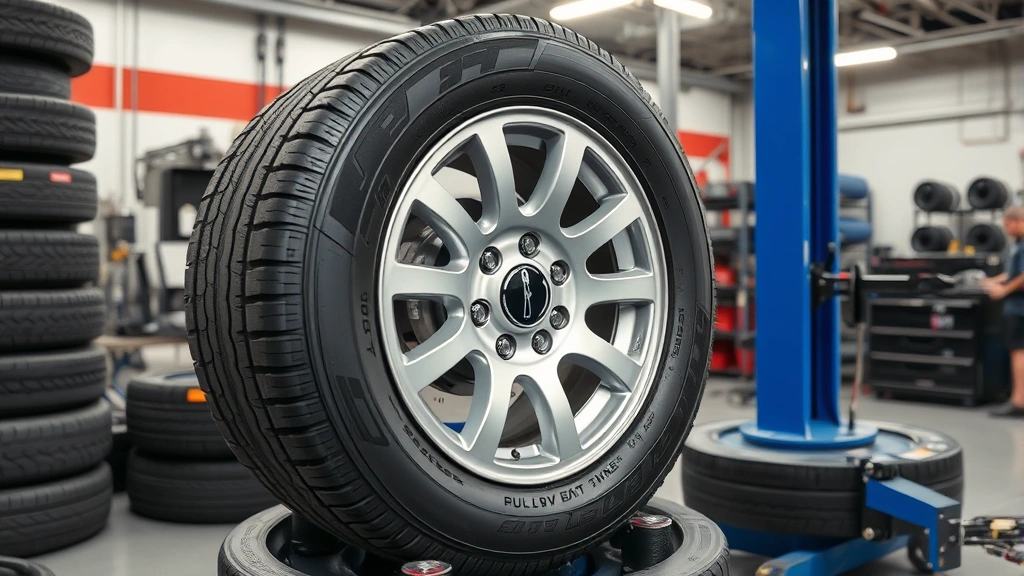
Bridgestone Potenza S007A
Bridgestone positioned this tire as a premium all-season option for discerning drivers who understand that tire quality directly impacts vehicle dynamics. The advanced grip technology works overtime during acceleration and braking, while the noise-dampening construction keeps cabin sound at civilized levels even during spirited driving.
The sidewall design contributes meaningfully to overall handling feel. These tires provide the structural support necessary for confident performance driving without feeling harsh or uncomfortable during regular commuting.
Goodyear Assurance MaxLife
For drivers prioritizing longevity alongside performance, Goodyear’s MaxLife offering presents a compelling argument. The tread compound resists premature wear while maintaining adequate grip for performance-oriented driving. This tire proves that all-season performance options need not sacrifice durability for capability.
The investment pays dividends over the tire’s lifespan, making it an economically intelligent choice for high-mileage drivers who still want engaging handling characteristics.
Pirelli P Zero All Season Plus
Pirelli’s engineering philosophy emphasizes precision and responsiveness, qualities that shine through in the P Zero all-season variant. The tire’s behavior during threshold braking is particularly noteworthy—it provides clear feedback without sudden grip transitions that could unsettle inexperienced drivers.
The compound technology adapts effectively to temperature variations, meaning you’re not sacrificing winter performance for summer capability or vice versa. This adaptability distinguishes truly engineered tires from those that simply split the difference.
Performance Metrics That Matter
Understanding tire specifications requires familiarity with the metrics that genuinely impact real-world performance. The UTQG rating, while useful, represents just one data point. More relevant metrics include wet braking distance, dry braking distance, and lateral acceleration capability.
Wet braking performance directly correlates with safety. A tire that stops your vehicle three feet shorter during emergency braking on wet pavement represents the difference between incident and accident. Reputable manufacturers publish these figures, allowing informed comparison.
Lateral acceleration capability indicates how much cornering force a tire can generate before slipping. This metric separates true performance tires from pretenders. Tires capable of generating 0.95g or higher during lateral acceleration testing deliver the responsive handling that defines the performance driving experience.

Temperature stability proves crucial for all-season applications. A tire’s performance shouldn’t degrade dramatically when ambient temperatures drop below freezing or climb above ninety degrees. Premium compounds maintain consistent grip across these extremes, a characteristic that separates engineering excellence from marketing hype.
Treadwear warranties offer insight into manufacturer confidence. Extended warranties suggest the company believes in the tire’s durability. However, warranty length shouldn’t override actual performance capabilities. A tire that lasts longer but performs poorly represents poor value regardless of warranty length.
Understanding how ATK performance engines require quality supporting systems parallels tire selection. Your engine’s power delivery means nothing without tires capable of transmitting that power effectively to the pavement.
Installation and Maintenance Essentials
Purchasing premium tires represents only half the equation. Proper installation and maintenance determine whether you’ll experience their full performance potential or settle for diminished results.
Professional installation by certified technicians ensures correct mounting, balancing, and alignment. Many tire retailers offer these services, but quality varies significantly. Invest in shops with established reputations and modern equipment. Proper installation prevents vibration, premature wear, and handling issues that would otherwise plague your driving experience.
Tire pressure management demands consistent attention. Underinflated tires generate excessive heat, reduce performance, and wear prematurely. Overinflated tires feel harsh and reduce the contact patch, compromising wet traction. Check pressure monthly and always before long trips. Remember that tire pressure increases as temperatures rise, so check pressure when tires are cold for accurate readings.
Rotation schedules matter more than many drivers realize. Front and rear tires wear at different rates, particularly on front-wheel-drive vehicles where the front tires handle acceleration, braking, and steering simultaneously. Rotating every 5,000 to 7,000 miles promotes even wear and extends tire life significantly.
Alignment verification ensures your vehicle doesn’t sabotage tire performance through improper geometry. Misalignment accelerates wear and creates handling issues that make even premium tires feel mediocre. Professional alignment checks should occur annually or whenever you notice uneven wear patterns.
Storage considerations matter if you maintain seasonal tires. Store tires in a cool, dry location away from direct sunlight. Extreme temperature fluctuations and UV exposure degrade rubber compounds, reducing performance and lifespan. Proper storage preserves tire quality between seasons.
Consider how Banks diesel performance optimization depends on supporting systems functioning optimally. Tire maintenance represents a similar supporting system for your vehicle’s overall performance capability.
Budget Considerations Without Sacrificing Quality
Premium all-season performance tires command higher prices than standard options, but the value proposition justifies the investment for serious drivers. The performance advantages—shorter braking distances, superior grip, enhanced handling precision—directly impact safety and driving enjoyment.
However, budget-conscious drivers need not despair. Several manufacturers offer solid all-season performance options at moderate price points. Are Ford Focus good cars depends partly on tire selection, and even modest budgets accommodate quality rubber that delivers meaningful performance improvements over economy alternatives.
Consider tire lifespan when calculating true cost. A premium tire lasting 50,000 miles might cost more initially than an economy tire lasting 30,000 miles, but the cost per mile often favors the premium option. Additionally, superior performance means fewer replacements and less frustration over the years.
Seasonal sales present opportunities for significant savings. Many retailers offer promotions during seasonal transitions. Planning your tire purchase around these sales windows can reduce costs substantially without compromising quality or selection.
Rebates and financing options from tire manufacturers and retailers further reduce effective costs. Many premium tire retailers offer zero-percent financing, transforming the purchase into manageable monthly payments while providing immediate access to superior performance.
Warranty coverage varies significantly between manufacturers and models. Extended coverage provides peace of mind and financial protection against defects. Factor warranty terms into your decision, particularly if you drive extensively or operate in harsh conditions.
Understanding Autobahn performance standards illustrates how premium engineering justifies investment. German automotive culture emphasizes precision and reliability, principles that apply equally to tire selection. Investing in quality tires aligns with this philosophy of long-term value over short-term savings.
Research indicates that Consumer Reports tire testing provides comprehensive performance data across multiple categories. Their methodology evaluates wet braking, dry handling, and winter performance through standardized testing procedures, offering reliable comparison data for informed decisions.
NHTSA tire safety information delivers authoritative guidance on tire standards, safety ratings, and maintenance recommendations. Understanding these official standards helps contextualize manufacturer claims and marketing language.
Tire Rack’s independent testing and user reviews provide practical insights from drivers who’ve experienced these products in real-world conditions. Their database of owner feedback offers perspectives that complement laboratory testing data.
Frequently Asked Questions
How often should I replace my all-season performance tires?
Most quality all-season performance tires remain safe and effective until the tread reaches 4/32 of an inch depth. Many drivers replace them before reaching this legal minimum, particularly if they demand maximum performance. Professional assessment helps determine optimal replacement timing based on your specific driving patterns and conditions.
Can all-season performance tires handle snow and ice adequately?
All-season performance tires handle light snow reasonably well, but dedicated winter tires provide superior performance in severe snow, ice, and freezing conditions. If you live in regions experiencing harsh winters, consider maintaining separate winter tire sets for optimal safety and performance. All-season options represent a compromise that works best in temperate climates with occasional winter weather.
What’s the difference between all-season and performance tires?
Performance tires prioritize grip, handling precision, and feedback over tread life and fuel efficiency. All-season performance tires blend these characteristics, offering better handling than standard all-season options while maintaining reasonable durability and comfort. They represent the middle ground for drivers who want engaging performance without sacrificing practicality.
Do expensive tires always perform better than budget options?
Higher prices generally correlate with superior engineering, materials, and performance, but not always dramatically. Mid-range premium options often deliver 85-90% of top-tier performance at significantly lower costs. Test and research specific models rather than assuming price directly reflects performance value.
How does tire pressure affect all-season performance?
Tire pressure dramatically impacts handling, braking, and tread wear. Underinflated tires reduce responsiveness and increase rolling resistance. Overinflated tires feel harsh and reduce the contact patch. Maintaining manufacturer-recommended pressure ensures optimal performance and safety. Check pressure monthly and before long trips.
Should I rotate my tires regularly?
Yes, absolutely. Regular rotation—typically every 5,000 to 7,000 miles—promotes even wear and extends tire life. Front and rear tires wear at different rates, particularly on front-wheel-drive vehicles. Rotation helps maximize the lifespan of your investment and maintains consistent performance characteristics.
What role does wheel alignment play in tire performance?
Proper alignment ensures your vehicle’s suspension geometry directs tire contact patches correctly against the road surface. Misalignment causes uneven wear, handling issues, and reduced performance. Professional alignment checks annually or whenever you notice unusual wear patterns help maintain optimal tire performance and vehicle dynamics.


