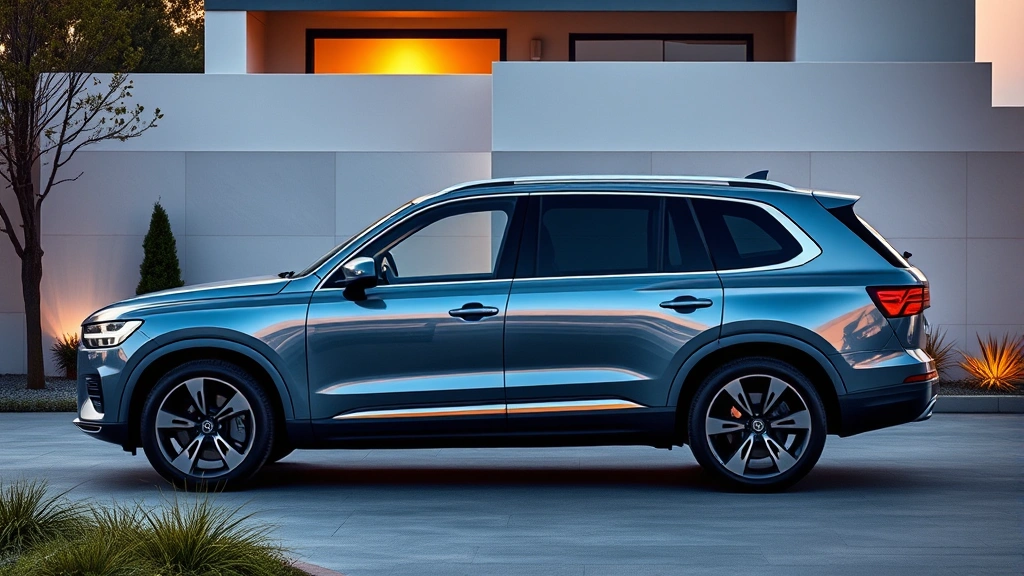
Best Fuel-Efficient 7-Seater SUVs: Top Picks for Smart Family Travel
Finding the right seven-seater SUV feels like solving a puzzle with competing demands. You want space for the whole family, capability for weekend adventures, and fuel efficiency that doesn’t drain your wallet at every gas station. It’s entirely possible to have all three—you just need to know where to look.
The market has evolved dramatically over the past few years. Modern 7-seater SUVs aren’t the gas-guzzling behemoths of the past. Manufacturers have invested heavily in hybrid technology, refined engine efficiency, and aerodynamic design. Whether you’re commuting to the office or planning cross-country road trips, there’s genuinely impressive fuel-efficient options available today that deliver real-world savings.
This guide cuts through the marketing noise and focuses on vehicles that actually deliver on their efficiency promises. We’ll explore what makes a 7-seater truly fuel-efficient, compare top contenders, and help you make a decision aligned with both your family’s needs and your budget.
Understanding Fuel Efficiency in 7-Seater SUVs
Fuel efficiency in larger vehicles isn’t just about engine size—it’s a complex interplay of factors. When evaluating a best fuel efficient 7 seater SUV, you’re looking at weight distribution, transmission technology, aerodynamic design, and engine management systems working in concert.
The EPA estimates (measured in miles per gallon or MPG) tell part of the story, but real-world driving conditions often differ. City driving with frequent stops demands different efficiency strategies than highway cruising. A vehicle rated at 24 MPG combined might achieve 20 MPG in urban traffic but 28 MPG on the interstate.
Weight matters significantly with seven-seaters. Every additional passenger, cargo, or feature adds pounds. Advanced materials and smart engineering help manufacturers keep these vehicles lighter without sacrificing safety or comfort. Modern transmissions with eight, nine, or even ten speeds keep engines operating in their most efficient RPM ranges.
Understanding these fundamentals helps explain why certain vehicles consistently outperform competitors. It’s not magic—it’s engineering discipline applied to practical family transportation.
Top Fuel-Efficient 7-Seater SUVs
Toyota Highlander Hybrid remains the benchmark in this category. Achieving approximately 35-36 MPG combined with hybrid power, it offers the efficiency that families expect from Toyota’s legendary reliability. The third-row seating is genuinely usable, and the hybrid system transitions seamlessly between electric and gas power.
The Kia Sorento Plug-in Hybrid presents an interesting alternative. With an electric-only range of 32 miles, daily commutes can be entirely emission-free and fuel-free for many drivers. Combined efficiency reaches impressive numbers when you factor in electric driving patterns.
For those considering best fuel efficient 4WD SUV options, the Honda Pilot delivers solid efficiency (around 27 MPG combined) with available all-wheel drive. It’s not hybrid, but its direct-injection engine and eight-speed transmission maximize efficiency without compromise.
The Volkswagen Atlas Cross Sport offers surprising efficiency for its size, particularly with the turbocharged four-cylinder engine and available eight-speed transmission. Around 26-27 MPG combined makes it competitive in the non-hybrid segment.
The Hyundai Santa Fe Hybrid provides excellent value with competitive efficiency (around 33 MPG combined) and a more affordable entry price than some competitors.
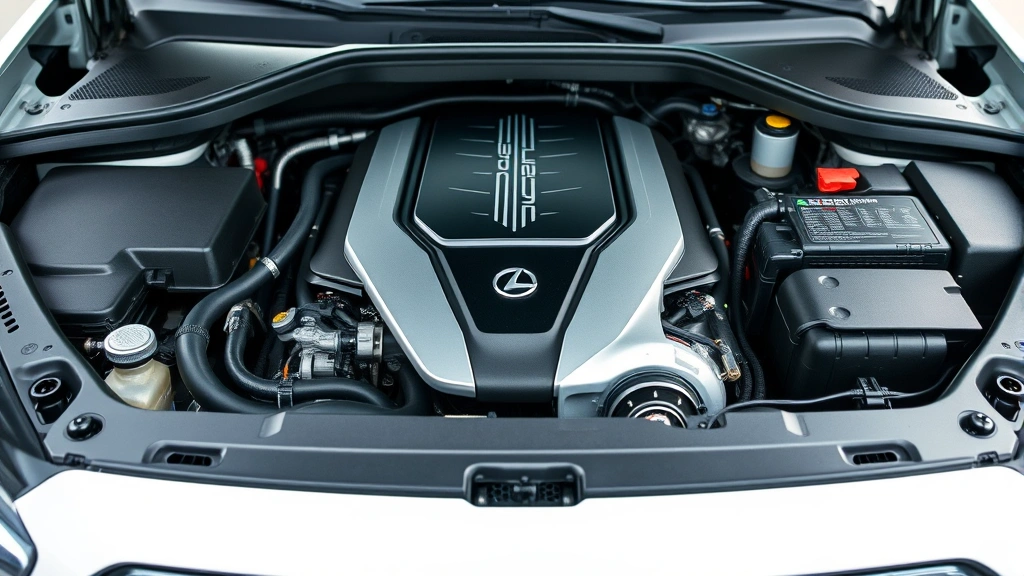
Why Hybrid Technology Matters
Hybrid systems represent the most significant efficiency advancement for larger vehicles. They work by combining a traditional gasoline engine with electric motors and batteries. During acceleration from stops, the electric motor handles the work. During coasting or deceleration, the system captures energy that would normally dissipate as heat.
For seven-seaters specifically, hybrids solve a real problem: larger vehicles inherently consume more fuel. Hybrids don’t eliminate this reality, but they substantially reduce it. A hybrid 7-seater can achieve efficiency comparable to non-hybrid midsize sedans.
The efficiency gains are most dramatic in city driving. Stop-and-go traffic is where hybrids shine. Highway efficiency improvements are more modest but still meaningful. The combined effect makes hybrid 7-seaters genuinely practical for families doing mixed driving.
Maintenance concerns about hybrids have largely evaporated. Modern hybrid systems are reliable, and battery longevity has proven exceptional. Most manufacturers warranty hybrid batteries for 10 years or 100,000+ miles.
Cost considerations matter. Hybrid 7-seaters typically cost $3,000-$5,000 more than their gas-only counterparts. For families driving 12,000+ miles annually, the payback period typically falls between 5-7 years through fuel savings.

Detailed Comparison Guide
When selecting among top contenders, consider these specific comparisons:
Toyota Highlander Hybrid vs. Honda Pilot
The Highlander Hybrid achieves 8-9 MPG better efficiency but costs approximately $4,000 more. The Honda Pilot offers better third-row accessibility and slightly sportier handling. The Honda represents better value for those prioritizing features over maximum efficiency; the Highlander wins for families making fuel economy a top priority.
Kia Sorento Plug-in Hybrid vs. Toyota Highlander Hybrid
The Sorento PHEV offers electric-only capability the Highlander lacks, ideal for commuters with charging access. The Highlander provides simpler ownership and better long-distance efficiency. Choose the Sorento if you have reliable charging at home; choose the Highlander for more flexible driving patterns.
For those interested in broader efficiency considerations, exploring best fuel efficient 7 passenger SUV comparisons reveals how vehicle class affects efficiency ratings.
Tire Selection Impact
Your choice of best all season performance tires influences fuel economy more than many drivers realize. Low rolling resistance tires can improve efficiency by 2-3%. This seemingly small percentage translates to meaningful fuel savings over a vehicle’s lifetime.
Real-World Testing
EPA estimates provide a standardized comparison point, but real-world testing from automotive authorities often reveals different efficiency in actual driving conditions. Urban drivers frequently see lower numbers; highway drivers often exceed EPA estimates.
Maximizing Your SUV’s Fuel Economy
Purchasing an efficient 7-seater is just the beginning. How you drive and maintain it dramatically affects real-world fuel consumption.
Driving Habits
Aggressive acceleration and rapid deceleration waste fuel. Smooth, gradual speed changes keep your engine operating efficiently. Anticipating traffic patterns and coasting when possible leverages momentum rather than fighting it. These adjustments alone can improve efficiency by 10-15%.
Highway speed matters significantly. Aerodynamic drag increases exponentially with speed. Reducing highway speeds from 75 MPH to 65 MPH can improve efficiency by 10-15%. It also enhances safety and reduces wear.
Maintenance Excellence
Proper tire pressure is fundamental. Under-inflated tires increase rolling resistance substantially. Check pressure monthly and follow manufacturer recommendations precisely. Well-maintained engines with fresh spark plugs, clean fuel injectors, and proper oil viscosity run more efficiently.
Load Management
Remove unnecessary cargo and roof racks when not in use. Extra weight demands more fuel. The difference between a loaded 7-seater and one carrying minimal cargo can be 5-8 MPG.
Route Planning
Shorter routes with fewer stops often consume less total fuel than longer routes with more stops, even if the longer route seems more direct. Navigation apps that optimize for efficiency rather than speed represent underutilized resources.
For broader perspectives on efficiency optimization principles, consider how resource management applies across different contexts.
Frequently Asked Questions
What MPG should I realistically expect from a fuel-efficient 7-seater SUV?
Realistic expectations depend on your driving patterns. Hybrid 7-seaters typically achieve 33-36 MPG combined in mixed driving. Non-hybrid efficient options reach 26-28 MPG combined. City driving often produces 5-8 MPG lower than combined estimates; highway driving frequently exceeds estimates by similar margins. Your actual mileage depends on personal driving habits, terrain, and vehicle load.
Are plug-in hybrid 7-seaters worth the premium cost?
Plug-in hybrids make sense if you have daily charging access and consistent short commutes. The electric-only range typically covers 25-35 miles, perfect for commuters. However, if you lack charging infrastructure or frequently take long road trips, the premium may not justify the investment. Calculate your specific usage patterns before deciding.
How do I compare EPA estimates to real-world fuel economy?
EPA estimates represent standardized testing under specific conditions. Real-world results vary based on driving style, terrain, and climate. Websites like fueleconomy.gov provide actual owner data showing real-world efficiency for specific vehicles. Reviewing multiple owner reports gives better accuracy than EPA estimates alone.
Should I prioritize hybrid technology or other efficiency features?
For 7-seaters, hybrid technology provides the most meaningful efficiency gains. Other features like aerodynamic design and advanced transmissions help, but hybrids offer the most substantial improvements. However, if hybrid pricing strains your budget, non-hybrid efficient options still deliver reasonable economy for their size.
What maintenance is specific to hybrid 7-seaters?
Hybrid maintenance is surprisingly straightforward. The electric motor requires no oil changes, and regenerative braking means brake pads last significantly longer. Battery maintenance is minimal—just avoid extreme temperatures and deep discharges. Regular maintenance follows standard schedules. Hybrid-specific maintenance typically costs less than conventional vehicles due to reduced wear.
Can I tow with a fuel-efficient 7-seater SUV?
Most fuel-efficient 7-seaters have towing capacities between 3,500-5,000 pounds. Towing significantly impacts fuel economy—expect 20-30% efficiency reductions when towing. If frequent towing is necessary, prioritize vehicles with adequate power and cooling systems designed for towing, even if base fuel economy is slightly lower.
How does climate affect fuel efficiency in 7-seater SUVs?
Cold weather reduces efficiency by 10-20% due to engine warm-up requirements and increased rolling resistance from tire hardening. Hot weather impacts efficiency through increased air conditioning load. Hybrid systems perform particularly well in cold climates since they reduce engine running time. Plan for seasonal efficiency variations when calculating fuel budgets.
What’s the realistic payback period for a hybrid 7-seater?
For drivers covering 12,000-15,000 miles annually with mixed driving, payback typically occurs within 5-7 years. Drivers with higher mileage see faster payback; those with lower mileage take longer. Consider resale value, as hybrids often retain value better than comparable non-hybrid vehicles, potentially shortening the effective payback period.
Are there fuel-efficient 7-seaters available at different price points?
Absolutely. Entry-level efficient 7-seaters like the Hyundai Santa Fe Hybrid start around $35,000. Mid-range options like the Honda Pilot approach $50,000. Premium efficient 7-seaters like the Highlander Hybrid reach $55,000+. Quality fuel-efficient options exist at virtually every price point; your budget determines which specific models you should evaluate.
How does driver assistance technology affect fuel efficiency?
Modern driver assistance features like adaptive cruise control and lane-keeping assist can improve efficiency by maintaining consistent speeds and smooth trajectories. Adaptive cruise control, in particular, helps optimize acceleration and deceleration patterns. These technologies represent an underrated efficiency advantage of newer vehicles.
The journey toward finding the right fuel-efficient 7-seater SUV requires balancing practical family needs with genuine efficiency considerations. The technology exists today to deliver impressive fuel economy without compromising space, comfort, or capability. Modern hybrid systems have matured into reliable, practical solutions that make economic and environmental sense for families serious about efficiency. Your decision ultimately depends on your specific driving patterns, budget constraints, and priorities—but the good news is that excellent options exist across the spectrum.


