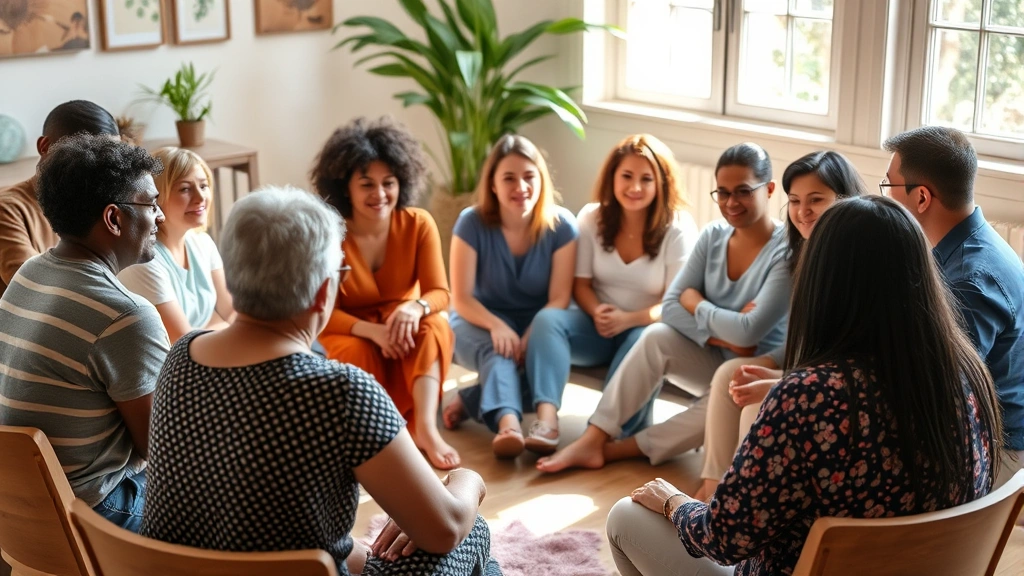
BIPOC Mental Health: Understanding & Support Strategies
Mental health doesn’t exist in a vacuum. It’s shaped by our lived experiences, cultural backgrounds, systemic barriers, and the unique pressures that come with navigating the world as a person of color. Yet when we talk about mental wellness, the conversation often defaults to a one-size-fits-all approach that overlooks the distinct challenges facing Black, Indigenous, and People of Color (BIPOC) communities.
The reality is stark: BIPOC individuals face disproportionate rates of untreated mental health conditions, limited access to culturally competent care, and the compounding stress of discrimination and systemic inequity. But here’s what matters—understanding these barriers is the first step toward building meaningful support systems and reclaiming agency over your mental health journey.
This guide dives into the complexities of BIPOC mental health, explores the systemic factors at play, and offers practical, evidence-based strategies for finding support and fostering resilience. Whether you’re seeking help for yourself or supporting someone in your community, you’ll find actionable insights grounded in real experiences and research.
The Unique Mental Health Landscape for BIPOC Communities
When we talk about BIPOC mental health, we’re not discussing a monolithic experience. The challenges facing a Black woman in the South differ from those of a Southeast Asian immigrant in an urban center, which differ again from those of a Native American individual on a reservation. Yet certain patterns emerge across these diverse communities—patterns rooted in systemic inequity rather than individual weakness.
Research consistently shows that BIPOC individuals experience higher rates of certain mental health conditions compared to white Americans. Depression, anxiety, and post-traumatic stress disorder affect these communities at elevated levels, yet treatment rates remain significantly lower. This gap isn’t random. It’s the result of interconnected barriers: economic hardship, healthcare disparities, limited access to providers who understand cultural nuances, and the psychological toll of navigating a society where discrimination is woven into institutional structures.
Consider the data: according to the Substance Abuse and Mental Health Services Administration (SAMHSA), Black Americans are 10% more likely to experience serious psychological distress than white Americans, yet they’re significantly less likely to receive mental health treatment. Similar disparities exist across other BIPOC communities. These aren’t coincidences—they’re reflections of systemic barriers that require intentional, culturally informed solutions.
Understanding your own mental health within this context matters tremendously. It means recognizing that struggles aren’t personal failings but responses to real, structural challenges. And it means knowing that seeking support is an act of resistance and self-care, not weakness.
Systemic Barriers to Mental Health Care
If accessing mental health care feels impossibly difficult, you’re not imagining it. BIPOC communities face concrete, well-documented barriers that prevent them from getting the help they need.
Economic Access: Mental health care is expensive. Therapy sessions, psychiatric evaluations, and medications add up quickly. While many BIPOC communities experience higher rates of poverty and underemployment, insurance coverage remains inconsistent. Those without insurance or with inadequate coverage face impossible choices between affording therapy and covering rent or food.
Geographic Disparities: Mental health professionals are concentrated in urban and affluent areas. Rural communities, particularly rural communities of color, often have virtually no access to culturally competent mental health providers. This creates a two-tier system where geography literally determines access to care.
Provider Representation and Cultural Competence: The mental health field is overwhelmingly white. According to data from the American Psychological Association, only about 6% of psychologists identify as Black or African American, and similar underrepresentation exists across other BIPOC groups. When providers don’t share your cultural background, understanding can be limited. A therapist unfamiliar with the specific stressors facing BIPOC individuals—racism, immigration trauma, generational trauma—may miss crucial context or inadvertently perpetuate harmful assumptions.
This is where resources like the Asian Mental Health Collective and similar community-based initiatives become invaluable, providing spaces where cultural understanding is built in rather than an afterthought.
Mistrust of Medical Systems: BIPOC communities have legitimate reasons to approach healthcare with caution. Historical atrocities—from the Tuskegee Syphilis Study to forced sterilizations—have created generational mistrust. Contemporary disparities in medical care compound this, making people rightfully skeptical about whether they’ll receive equitable, ethical treatment.

Cultural Stigma and Mental Health Conversations
Mental health stigma exists across all cultures, but it manifests differently within BIPOC communities, often intersecting with religious beliefs, familial structures, and historical survival mechanisms.
In many BIPOC communities, there’s a cultural emphasis on strength, resilience, and handling problems within family systems rather than seeking outside help. This comes from real history—communities that have survived systemic oppression often develop strong internal support networks and a “pull yourself up” ethos. That resilience is valuable and real. But it can also create pressure to suffer silently rather than seek professional support.
Religious and spiritual frameworks play significant roles in how mental health is understood. In some communities, mental health struggles are interpreted through a spiritual lens—as spiritual warfare, demonic influence, or tests of faith. While spirituality can be profoundly healing, it can also delay necessary professional intervention when positioned as the only legitimate response.
Additionally, there’s often fear about what seeking help means for your standing in the community. Will people think you’re weak? Will it affect your family’s reputation? Will disclosing mental health struggles lead to discrimination or judgment? These aren’t unfounded concerns—they reflect real social dynamics and the weight of representation many BIPOC individuals carry.
Breaking through these barriers requires both individual courage and community-level conversations that reframe mental health as integral to overall wellness and strength, not antithetical to it. Exploring best mental health quotes and African American motivational quotes can provide language and frameworks for these conversations, offering affirmation grounded in cultural wisdom.
Trauma, Discrimination, and Mental Wellness
Chronic stress from discrimination isn’t just psychologically damaging—it’s physically harmful. The constant vigilance required to navigate spaces where you might face racism, xenophobia, homophobia, or other forms of discrimination creates sustained activation of the stress response system. Over time, this takes a toll.
Race-Based Stress and Trauma: Experiencing or witnessing racism creates real trauma. Whether it’s microaggressions in professional settings, police brutality in your community, or overt discrimination, these experiences accumulate. They’re not individual incidents to “get over”—they’re part of a broader pattern of dehumanization that affects mental health profoundly.
Research from the American Psychological Association demonstrates that experiencing discrimination is associated with increased rates of anxiety, depression, and other mental health conditions. Witnessing discrimination against your community members creates vicarious trauma. The constant news cycle of violence against people who look like you creates collective grief.
Immigration and Acculturation Stress: For immigrant and refugee communities, mental health challenges often stem from acculturative stress—the psychological strain of adapting to a new culture while maintaining connection to heritage. Add to this the trauma many refugees have experienced, documentation anxieties, separation from family members, and language barriers, and the mental health burden becomes substantial.
Intergenerational Trauma: Trauma doesn’t stay contained to one generation. Descendants of enslaved people, genocide survivors, and those who experienced colonization often carry intergenerational trauma—psychological and physiological impacts passed down through families and communities. Understanding this context helps explain why mental health challenges may feel particularly deep-rooted.
Addressing trauma requires approaches that acknowledge these systemic dimensions. Individual therapy is valuable, but it must be paired with community healing, advocacy, and structural change. This is why finding providers and spaces that understand this context—like those highlighted in the barriers to mental health care for LGBTQ youth in Indiana discussion—matters so much.

Building Culturally Affirming Support Systems
While systemic barriers are real, so is human resilience and the power of community. Building support systems that affirm your cultural identity while supporting your mental health is transformative.
Community-Based Mental Health: Many BIPOC communities have developed their own mental health infrastructure, recognizing that waiting for mainstream systems to become culturally competent isn’t viable. These include community mental health centers, peer support groups, and culturally specific organizations. These spaces often feel safer because cultural context is assumed rather than explained.
Spiritual and Ancestral Connections: For many BIPOC individuals, spirituality and ancestral connection are sources of profound healing. Whether through religious practice, meditation, ancestral veneration, or nature connection, these practices can ground mental health work in cultural meaning. Integrating these with professional mental health support creates holistic care.
Peer Support Networks: Sometimes the most healing support comes from people who truly understand your experience. Peer support groups—whether in-person or online—create space for shared experience without judgment. They normalize struggles and provide practical strategies from people navigating similar challenges.
Family and Community Elders: While professional help is important, wisdom from family and community elders holds unique value. These relationships offer cultural continuity, practical guidance grounded in lived experience, and connection to something larger than individual struggles.
Building these support systems requires intention. It means seeking out spaces where your full self is welcome, being honest about your needs, and reciprocating support when you’re able. It means recognizing that asking for help—whether from professionals, community members, or spiritual guides—is a strength, not a burden.
Practical Strategies for Mental Health Management
Understanding BIPOC mental health challenges is important, but so is having concrete tools for managing your own wellbeing. Here are evidence-based strategies tailored to this context.
Culturally Adapted Therapy Approaches: If you’re seeking professional help, look for therapists trained in culturally adapted approaches. Cognitive Behavioral Therapy (CBT), Dialectical Behavior Therapy (DBT), and other evidence-based approaches can be adapted to honor cultural values and address culture-specific stressors. Ask potential therapists about their training in cultural competence and their experience working with BIPOC clients.
Mindfulness and Grounding Practices: Mindfulness and grounding techniques help manage anxiety and trauma responses. These practices have roots in many cultural traditions—meditation in Buddhism and Hinduism, breathwork in various Indigenous practices, prayer in many religious traditions. Connecting with practices rooted in your own culture can feel more authentic and powerful than generic meditation apps.
Creative Expression: Art, music, writing, and movement offer pathways for processing emotions that talk therapy alone might not access. Many BIPOC communities have rich traditions of creative expression as healing—from hip-hop to visual art to dance. Engaging with these traditions can be deeply therapeutic.
Physical Wellness: Mental health and physical health are inseparable. Movement, adequate sleep, nutrition, and time in nature all support mental wellness. However, approach these with awareness of barriers—not everyone has access to gyms, fresh food, or safe outdoor spaces. Work with what’s available in your context.
Boundary Setting and Self-Protection: In environments where discrimination is real, protecting your mental energy is crucial. This means setting boundaries with people and spaces that drain you, limiting exposure to triggering news cycles, and being intentional about where you invest your emotional labor. This isn’t avoidance—it’s strategic self-care.
Advocacy and Activism: For many BIPOC individuals, channeling pain and frustration into advocacy creates meaning and agency. Working toward systemic change can be mentally restorative when it’s done sustainably and in community. Just ensure it doesn’t become another form of unpaid emotional labor.
Exploring resources like best mental health books and best mental health movies can provide additional perspectives and tools for your mental health journey, offering both education and inspiration.
Resources and Community-Based Solutions
Finding the right resources is essential. Here are types of support to seek out:
Culturally Specific Mental Health Organizations: Many communities have organizations dedicated to mental health support for specific BIPOC groups. These might focus on Black mental health, Latino mental health, Asian mental health, Indigenous mental health, or other communities. Organizations like the National Alliance on Mental Illness (NAMI) maintain directories of local resources.
Telehealth and Online Therapy: While not a complete solution to access barriers, telehealth has expanded options for people in underserved areas. Platforms specifically serving BIPOC communities often match clients with culturally concordant therapists and offer sliding scale fees.
Community Health Centers: Federally Qualified Health Centers (FQHCs) provide mental health services on a sliding fee scale based on income. These centers are located in underserved areas and often have staff who understand community-specific challenges.
Peer Support and Support Groups: Organizations like NAMI Support Groups and condition-specific groups (for depression, anxiety, PTSD, etc.) provide free peer support. Many now offer virtual options, making them more accessible.
Crisis Resources: If you’re in crisis, know your resources. The 988 Suicide and Crisis Lifeline provides free, confidential support 24/7. Text HOME to 741741 to reach the Crisis Text Line. Many communities have culturally specific crisis resources as well—seek these out and save them.
Workplace and Educational Resources: If you’re employed or in school, your institution likely offers Employee Assistance Programs (EAPs) or student mental health services. While imperfect, these can provide free or subsidized therapy sessions.
Frequently Asked Questions
Why is mental health care so hard to access for BIPOC communities?
Multiple barriers converge: economic constraints, geographic disparities in provider availability, lack of cultural competence among providers, historical mistrust of medical systems, and systemic racism that limits resources flowing to BIPOC communities. These aren’t individual failings—they’re structural issues requiring structural solutions alongside individual advocacy.
How do I find a therapist who understands my cultural background?
Start by asking specifically about cultural competence training and experience. Organizations like the American Psychological Association’s psychologist locator allows filtering by specialty and demographics. Community mental health organizations often have therapists with lived experience in your community. Online platforms sometimes allow filtering by therapist background. Don’t settle for a provider who isn’t willing to learn about your cultural context.
Is it okay to use spiritual practices instead of professional mental health care?
Spiritual practices can be profoundly healing and should be part of your support system. However, for clinical mental health conditions like depression, anxiety disorders, or trauma, professional support is often necessary. The goal is integration—using both spiritual practices and professional care together, not choosing one over the other.
How do I handle mental health stigma within my own community?
This is genuinely difficult. You can model openness about your own mental health journey when safe to do so. You can share resources and education with family and community members. You can seek out affirming community spaces. And you can recognize that you’re not responsible for changing everyone’s mind—sometimes protecting your mental health means creating distance from people who can’t support it.
What can I do if I can’t afford therapy?
Several options exist: community mental health centers with sliding scale fees, peer support groups (free), crisis lines (free), workplace or school EAPs (often free), and online platforms with reduced-cost options. Some therapists offer pro bono or reduced-fee slots. Don’t assume cost is a barrier without exploring these options first.
How do I support a friend or family member struggling with mental health?
Listen without judgment. Believe them when they share struggles. Help them access resources without being pushy. Share your own experiences if relevant. Respect their pace and choices. Recognize that you’re not responsible for fixing their mental health—your role is to support and encourage professional help when needed. Take care of your own mental health so you don’t burn out.
Is mental health activism taking on too much responsibility?
It can be. While advocating for change is meaningful, ensure you’re not using activism as a way to avoid addressing your own mental health needs. Sustainability matters. Work in community so the burden isn’t on you alone. Notice if activism is energizing or depleting, and adjust accordingly. Your mental health comes first.


