
Black Males & Mental Health: Expert Insights and Evidence-Based Strategies
Mental health disparities among Black males represent one of the most pressing yet underaddressed public health challenges in America. Despite experiencing higher rates of depression, anxiety, and suicide attempts, Black men remain significantly underrepresented in mental health treatment and therapeutic spaces. This comprehensive guide explores the intersection of race, masculinity, and mental wellness, offering expert insights backed by research and actionable strategies for improvement.
Understanding the unique mental health landscape for Black males requires examining systemic barriers, cultural factors, and the profound impact of structural racism on psychological wellbeing. By combining evidence-based approaches with culturally sensitive interventions, we can work toward meaningful change in how Black men access, engage with, and benefit from mental health support.
Understanding Mental Health Disparities Among Black Males
Black males face a complex web of mental health challenges rooted in historical trauma, ongoing discrimination, and systemic inequities. Research from the National Institute of Mental Health indicates that Black men experience depression at rates comparable to or exceeding those of white men, yet receive treatment at substantially lower rates. This treatment gap represents a critical public health concern that demands immediate attention and action.
The statistics paint a sobering picture. According to the CDC, suicide rates among Black males have increased significantly over the past two decades, with Black men aged 20-24 experiencing suicide rates that rival those of middle-aged white men. Despite these alarming trends, Black males remain reluctant to seek professional help, often due to cultural messaging about emotional expression and masculine identity.
The interconnection between mental health outcomes and structural racism cannot be overstated. Chronic exposure to discrimination, microaggressions, police violence, and socioeconomic inequities creates sustained psychological stress that manifests as anxiety, depression, hypervigilance, and trauma-related disorders. Understanding these disparities requires examining not just individual factors but the broader social determinants of health that disproportionately affect Black communities.
Our comprehensive guide on BIPOC mental health explores these intersectional challenges in greater depth, providing context for understanding how race-based stress compounds other mental health vulnerabilities.
Systemic Barriers to Mental Health Care Access
Black males encounter numerous obstacles when attempting to access quality mental health services. These barriers operate at multiple levels—individual, institutional, and systemic—creating a formidable challenge to treatment engagement and continuity of care.
Economic and Insurance Barriers: Limited access to health insurance, underinsurance, and financial constraints prevent many Black males from seeking mental health treatment. Even when insurance is available, mental health coverage often remains inadequate, with high deductibles and copays creating additional financial burden. The intersection of poverty and racial inequality means that Black men are disproportionately represented among the uninsured and underinsured populations.
Healthcare Provider Bias: Implicit bias among healthcare providers, including mental health professionals, contributes to misdiagnosis, undertreatment, and poor therapeutic relationships. Research demonstrates that Black patients receive less empathetic treatment and face higher rates of being labeled as aggressive or noncompliant. This bias erodes trust in the healthcare system and discourages help-seeking behavior among Black males who have internalized fears about discrimination in clinical settings.
Geographic and Transportation Challenges: Many predominantly Black communities lack adequate mental health resources and infrastructure. Limited public transportation, long wait times, and inconvenient appointment scheduling further reduce accessibility for working men who cannot afford to take time off employment.
Shortage of Culturally Competent Providers: The mental health workforce remains predominantly white, with severe underrepresentation of Black mental health professionals. This shortage limits the availability of culturally competent care and providers who share lived experience with racial trauma and discrimination. Black males often report feeling more comfortable discussing sensitive issues with providers who understand their cultural context.
Addressing these systemic barriers requires multifaceted interventions including policy reform, workforce development, insurance expansion, and institutional commitment to equity and anti-racism training.
” alt=”Supportive therapeutic environment with diverse professionals”>
Black males navigate the compounding effects of multiple marginalized identities and trauma exposures that significantly impact mental health trajectories. Understanding intersectionality—how overlapping identities create unique experiences of discrimination and privilege—is essential for comprehensive mental health intervention. Racial Trauma and Historical Trauma: The cumulative effects of racial violence, discrimination, and exclusion create what researchers term “race-based stress and trauma.” This includes both direct experiences of racism and vicarious trauma from witnessing violence against other Black individuals through media and community exposure. The psychological impact of police brutality, mass incarceration, and systemic exclusion creates chronic stress responses that manifest as hypervigilance, anxiety, and depression. Intersecting Identities: Black males who also identify as LGBTQ+, disabled, immigrant, or economically disadvantaged face compounded discrimination and mental health challenges. These intersecting identities create unique stressors and barriers to care that require nuanced, affirming approaches to treatment. Masculinity and Emotional Expression: Traditional masculine norms within some Black communities, while serving protective functions in dangerous environments, can inhibit emotional expression and help-seeking. Black males may feel pressure to appear strong, invulnerable, and self-sufficient, viewing therapy or emotional disclosure as weakness. This conflict between cultural norms and mental health needs creates internal barriers to seeking support. Effective mental health intervention must acknowledge these intersectional complexities while validating the protective strategies Black males have developed to survive oppressive systems. Our resource on inspiring mental health quotes includes wisdom from Black thought leaders addressing these unique challenges. Reducing mental health stigma within Black communities requires intentional cultural work that honors tradition while embracing modern psychological science. This involves reframing mental health challenges as common human experiences rather than individual failures or signs of weakness. Faith and Spirituality as Resources: For many Black males, faith and spirituality represent primary sources of meaning, community, and resilience. Integrating spiritual practices with evidence-based mental health treatment creates culturally congruent care. Encouraging dialogue between religious leaders and mental health professionals can bridge traditionally separate domains and make mental health discussion more acceptable within faith communities. Our collection of Bible verses for motivation demonstrates how spiritual resources can complement professional mental health support, providing comfort and perspective during difficult times. Peer Support and Mentorship: Creating spaces where Black males can discuss mental health with peers reduces isolation and normalizes help-seeking. Peer support groups, mentorship programs, and community-based initiatives led by and for Black men provide culturally affirming environments where vulnerability feels safer. These grassroots efforts often reach populations who might not access traditional mental health services. Media Representation and Storytelling: Increasing visibility of Black males successfully engaging with mental health treatment, managing mental illness, and pursuing wellness changes cultural narratives. Authentic storytelling from respected community members, athletes, entertainers, and leaders demonstrates that mental health challenges affect everyone and that seeking help reflects strength rather than weakness. Educational Initiatives: Community-based mental health education tailored to Black male audiences, delivered through trusted channels and community institutions, increases awareness and reduces misconceptions. Schools, barbershops, churches, and recreation centers represent ideal venues for mental health literacy programs.Trauma, Intersectionality, and Mental Health
Breaking Stigma and Building Cultural Conversations

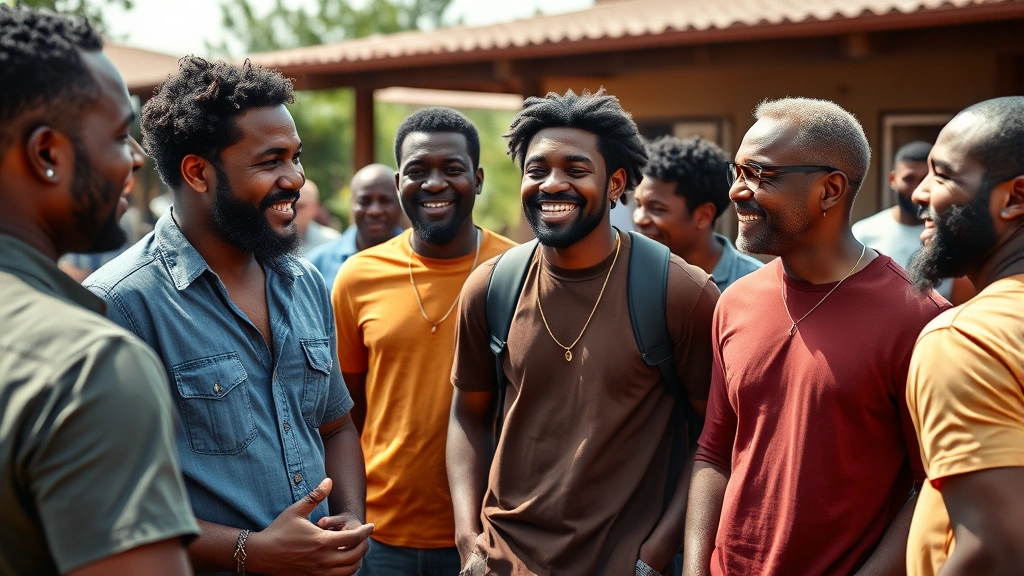
” alt=”Group of men in supportive community gathering engaged in meaningful conversation”>
Effective mental health treatment for Black males integrates clinical best practices with cultural sensitivity and recognition of unique stressors and strengths. Culturally Adapted Cognitive Behavioral Therapy (CBT): Standard CBT interventions adapted to address race-based stress and trauma show promise for treating depression and anxiety in Black males. These adaptations acknowledge racial discrimination as a legitimate stressor and incorporate strategies for managing race-related stress responses. Therapists trained in cultural competency can help clients develop coping strategies that account for their specific environmental and social contexts. Trauma-Informed Care: Given the high prevalence of trauma exposure among Black males, trauma-informed approaches that recognize how past experiences shape current functioning are essential. Evidence-based modalities like Trauma-Focused CBT and Eye Movement Desensitization and Reprocessing (EMDR) can be culturally adapted to address both individual and collective trauma. Motivational Interviewing: This client-centered approach respects autonomy and builds intrinsic motivation for change, addressing resistance that sometimes emerges when Black males feel judged or misunderstood by healthcare providers. The collaborative stance of motivational interviewing can help establish therapeutic alliance despite historical mistrust of medical systems. Community-Based Interventions: Mental health programs embedded within community institutions where Black males already gather—churches, barbershops, recreation centers, sports programs—increase accessibility and acceptability. These settings allow for informal education, peer support, and connection to professional services. Medication Management: For individuals requiring pharmacological intervention, careful monitoring and shared decision-making ensure that medication choices align with individual preferences and cultural values. Some research suggests that Black patients may experience different medication responses and side effects, requiring individualized dosing and monitoring. Exploring habit-building strategies can complement formal mental health treatment by helping Black males develop sustainable wellness practices that support psychological resilience and wellbeing. Beyond treatment of mental illness, building resilience and sustainable wellness practices enables Black males to thrive despite systemic challenges. Resilience represents the capacity to adapt, recover, and maintain wellbeing in the face of adversity—a quality deeply embedded in Black cultural tradition. Physical Health and Movement: Regular physical activity provides documented mental health benefits including reduced depression and anxiety, improved self-esteem, and better stress management. Sports, fitness activities, and movement practices accessible within Black communities—from basketball to dance to martial arts—offer both physical and psychological benefits while building community connection. Creative Expression: Art, music, writing, and other creative practices provide outlets for emotional expression and processing of difficult experiences. Hip-hop, spoken word, visual art, and other creative traditions within Black communities offer culturally affirming channels for mental health expression and activism. Sleep and Rest: Chronic stress and hypervigilance often disrupt sleep patterns, creating a vicious cycle where poor sleep worsens mental health symptoms. Prioritizing sleep hygiene and rest as acts of resistance and self-care supports overall mental health. Teaching Black males that rest is not laziness but essential maintenance can challenge internalized messages about constant productivity. Social Connection and Community Involvement: Strong social bonds and sense of community belonging buffer against depression, anxiety, and suicide risk. Participating in community organizations, faith communities, mentorship relationships, and social groups provides both practical support and psychological benefit. Meaning and Purpose: Engaging in work, activism, relationships, and pursuits that feel meaningful and aligned with values strengthens psychological resilience. For many Black males, contributing to community uplift, mentoring younger generations, and working toward social justice provides powerful sources of meaning. Our comprehensive collection of mental health books includes resources specifically addressing resilience building and wellness for Black men and other marginalized populations. Strengthening community-based support systems represents a critical strategy for improving mental health outcomes among Black males. These systems operate at multiple levels and leverage existing community strengths and institutions. Family and Kinship Networks: Extended family and kinship networks—often more expansive in Black communities than in dominant culture—provide practical support, emotional connection, and cultural transmission. Strengthening these networks and helping family members understand mental health challenges improves support quality and reduces isolation. Faith Communities: Churches, mosques, temples, and other faith institutions reach large numbers of Black males and serve critical social support functions. Training religious leaders in mental health awareness and connecting them with mental health professionals creates bridges between spiritual and clinical care. Barbershops and Informal Community Spaces: Barbershops represent traditional gathering spaces in Black communities where men congregate, build relationships, and share information. These informal settings have proven effective for mental health screening, education, and referral to professional services. Mentorship Programs: Structured mentorship connecting Black males with positive role models and guides supports identity development, resilience building, and access to opportunity. School-based, community-based, and workplace mentorship programs show documented benefits for mental health and wellbeing. Professional Mental Health Services: Ensuring availability of affordable, accessible, culturally competent mental health services remains essential. This includes psychiatry, psychology, counseling, and social work services delivered by providers trained in cultural competency and anti-racism. Crisis Support: Accessible crisis intervention services including crisis hotlines, crisis text lines, and emergency mental health services save lives. Making these services culturally responsive and ensuring providers understand race-based trauma improves outcomes. Visit our FocusFlowHub Blog for ongoing resources and insights about mental health, wellbeing, and personal development strategies.Evidence-Based Treatment Approaches for Black Males
Building Mental Resilience and Sustainable Wellness
Community Support Systems and Resources
Frequently Asked Questions
Why do Black males have lower rates of mental health treatment despite high prevalence of mental illness?
Multiple factors contribute to this treatment gap, including mistrust of medical systems rooted in historical trauma, economic barriers, provider bias, cultural stigma around mental health, and limited access to culturally competent care. Additionally, traditional masculine norms within some communities discourage emotional expression and help-seeking. Addressing this gap requires systemic changes in healthcare access, provider training, and cultural dialogue within Black communities.
How does racism directly impact mental health?
Racism creates chronic psychological stress through multiple mechanisms including direct discrimination experiences, vicarious trauma from witnessing violence against other Black individuals, anticipatory anxiety about potential discrimination, and the cumulative burden of navigating predominantly white institutions. This race-based stress activates physiological stress responses that, when chronic, contribute to depression, anxiety, hypertension, and other health problems. Research in psychology and neuroscience increasingly documents these pathways.
What should I do if a Black male friend or family member is struggling with mental health?
Approach with genuine care and without judgment. Listen without trying to fix or minimize their experience. Encourage professional help while respecting their autonomy in decision-making. Offer practical support such as helping research providers, attending appointments, or providing transportation. Respect their cultural and spiritual beliefs while supporting engagement with evidence-based treatment. Most importantly, maintain the relationship and demonstrate that you value their wellbeing.
Are there mental health providers who specialize in working with Black males?
Yes, though availability varies by location. Organizations like the Association of Black Psychologists, National Alliance on Mental Illness, and local community mental health centers can connect you with culturally competent providers. Many therapists, particularly Black mental health professionals, specifically seek training in culturally responsive care. When seeking providers, ask directly about their experience and training in working with Black males and addressing race-based trauma.
How can Black males build mental health resilience in their daily lives?
Building resilience involves multiple practices: maintaining physical health through regular movement, cultivating meaningful relationships and community connections, engaging in creative or spiritual practices, prioritizing adequate sleep and rest, pursuing purposeful work and activism, developing healthy coping strategies, and accessing professional support when needed. Resilience is not about individual willpower alone but about building supportive systems and practices that sustain wellbeing despite systemic challenges.
What role does spirituality play in mental health for Black males?
For many Black males, spirituality and faith serve as primary sources of meaning, community, hope, and resilience. Religious communities provide social support, moral frameworks, and coping resources. However, some faith traditions may stigmatize mental illness or discourage professional treatment. The most effective approach integrates spiritual resources with evidence-based mental health treatment, recognizing that both can coexist and strengthen overall wellbeing.


