
Can Meditation Boost Focus in Kids? Expert Insights on Children’s Mental Health
The modern childhood experience presents unprecedented challenges to concentration. Between smartphones, social media, and overstimulation, children today struggle to maintain focus like never before. Parents and educators increasingly ask whether meditation—an ancient practice gaining scientific validation—can genuinely improve attention spans in young minds. The answer, supported by growing neuroscience research, is a resounding yes, though implementation requires understanding how meditation specifically affects developing brains.
Meditation isn’t merely relaxation for children; it’s a cognitive training tool that strengthens neural pathways associated with attention, emotional regulation, and self-awareness. When children practice meditation consistently, measurable changes occur in their brains’ prefrontal cortex—the region responsible for focus, impulse control, and decision-making. This article explores the science behind meditation for children’s mental health, practical implementation strategies, and expert recommendations backed by peer-reviewed research.
How Meditation Affects the Developing Brain
Children’s brains undergo remarkable development from birth through early adulthood, with the prefrontal cortex—critical for focus and impulse control—not fully maturing until the mid-20s. Meditation directly influences this developmental trajectory by strengthening neural connections in attention-regulating regions. When children meditate, they activate the anterior cingulate cortex and dorsolateral prefrontal cortex, areas essential for sustained attention and emotional processing.
Unlike adults with fully developed brains, children experience neuroplasticity advantages: their brains are more malleable and responsive to training. Regular meditation practice literally reshapes neural architecture, creating stronger connections between attention networks. Research published in Frontiers in Psychology demonstrates that children who meditate show increased gray matter density in brain regions associated with learning and memory regulation.
The amygdala—your brain’s emotional alarm system—also responds positively to meditation. In children prone to anxiety or emotional dysregulation, consistent meditation practice reduces amygdala reactivity, meaning they respond less intensely to stressors. This biochemical shift directly translates to improved classroom focus, better homework completion, and enhanced peer relationships. When children aren’t hijacked by emotional reactivity, their cognitive resources remain available for learning and concentration tasks.
Meditation also increases GABA and serotonin production while decreasing cortisol—stress hormones that impair concentration. This neurochemical rebalancing is particularly beneficial for children with ADHD, anxiety disorders, or those attending schools with resources on children’s mental health support. The practice essentially provides pharmaceutical-like benefits without medication side effects.
Scientific Evidence Supporting Meditation for Kids
The scientific community has moved beyond skepticism regarding meditation’s efficacy. Peer-reviewed studies consistently demonstrate meditation’s positive impact on children’s focus and emotional wellbeing. A landmark study from Johns Hopkins University analyzed over 3,500 meditation studies and found strong evidence supporting meditation’s effectiveness for anxiety and depression—conditions that severely impair concentration in children.
Research in JAMA Psychiatry shows mindfulness-based interventions produced effect sizes comparable to pharmaceutical treatments for anxiety in pediatric populations. This finding is revolutionary: meditation offers anxiety relief comparable to medication, without dependency risks or side effects. For children struggling to focus due to underlying anxiety, meditation addresses the root cause rather than masking symptoms.
Schools implementing meditation programs report significant improvements in student behavior and academic performance. A study in Mindfulness journal found that children practicing just 10 minutes of daily meditation showed measurable improvements in attention span, impulse control, and classroom behavior within eight weeks. Teachers reported fewer disciplinary incidents and increased student engagement during lessons.
The National Institute of Health has funded extensive research into meditation’s neurological effects, with findings consistently showing: improved attention regulation, enhanced emotional processing, reduced mind-wandering, and better working memory—all critical components of academic success. These aren’t placebo effects; functional MRI scans document actual brain changes in meditating children compared to control groups.
Beyond focus improvements, meditation addresses the broader mental health landscape that impacts children’s ability to concentrate. Depression, anxiety, sleep problems, and behavioral issues all respond positively to meditation practice, creating a foundation where focus can flourish. This holistic benefit makes meditation particularly valuable as part of comprehensive approaches to children’s mental health.
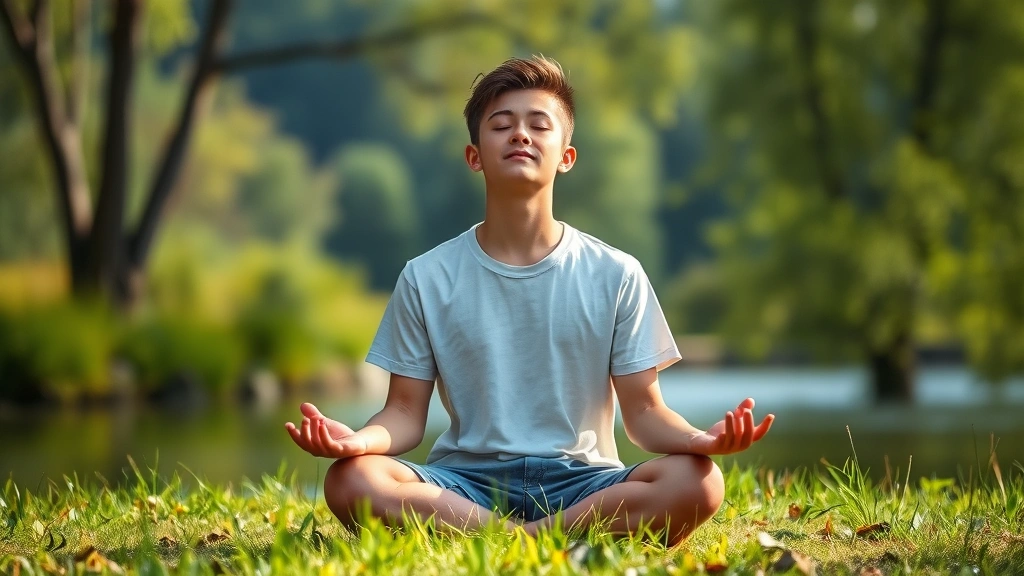
” alt=”Young child in peaceful meditation pose in calm natural setting” />
Types of Meditation Best for Children
Not all meditation approaches work equally well for children. Developmental stage, temperament, and individual preferences significantly influence which techniques prove most effective. Understanding these variations helps parents and educators match children with practices they’ll actually sustain.
Mindfulness Meditation remains the most researched and accessible form for children. This practice involves non-judgmental awareness of present-moment thoughts, feelings, and sensations. Children learn to observe their minds like clouds passing through sky—noticing without attachment. Mindfulness particularly benefits anxious children by breaking the rumination cycle where worry thoughts spiral uncontrollably. The practice teaches children that thoughts are temporary mental events, not facts or predictions.
Loving-Kindness Meditation involves directing compassionate attention toward oneself and others. Children repeat phrases like “May I be happy, may I be healthy, may I be safe.” This approach reduces aggressive impulses, increases prosocial behavior, and improves emotional regulation. Research shows loving-kindness meditation decreases bullying behavior and increases empathy—social-emotional benefits that indirectly support academic focus through improved peer relationships and classroom climate.
Body Scan Meditation guides children’s attention systematically through body parts, noticing sensations without judgment. This technique proves particularly effective for children with ADHD or those who struggle sitting still, as it provides a concrete focal point and proprioceptive input. Body scans also build interoceptive awareness—the ability to recognize internal bodily signals—crucial for emotional regulation and self-understanding.
Breath-Focused Meditation uses the breath as an anchor for attention. Children simply observe natural breathing or practice specific patterns like “4-4-4” breathing (inhale for 4, hold for 4, exhale for 4). This technique activates the parasympathetic nervous system, triggering the relaxation response. Breath work proves invaluable for children experiencing test anxiety or emotional overwhelm, as it provides an immediate, portable tool for regulating nervous system activation.
Movement-Based Meditation includes yoga, tai chi, and walking meditation—approaches that combine meditation with physical activity. These practices suit kinesthetic learners and children who find sitting meditation challenging. The movement component provides sensory input while meditation principles develop focus and body awareness simultaneously.
Practical Implementation Strategies
Understanding meditation’s benefits means little without effective implementation. Creating sustainable practices requires thoughtful planning, realistic expectations, and strategies addressing children’s developmental needs and resistance.
Start with Minimal Duration
Children’s attention spans develop gradually. A five-year-old attempting 20-minute meditation will experience frustration rather than benefit. Begin with two to three minutes, gradually increasing duration as the child’s capacity develops. By age 10-12, children can typically sustain 10-15 minutes. Teenagers may progress to 20+ minutes. This gradual approach builds positive associations with meditation, increasing long-term adherence.
Create Dedicated Space
Designate a quiet, comfortable meditation area. This might be a corner with cushions, a specific room, or outdoor spot. The environmental consistency signals to the child’s brain that this space is for focused, calm activity. Visual cues matter; children respond to ritualistic elements that mark meditation time as distinct from regular activities. Some families use candles, bells, or specific music to signal meditation beginning.
Establish Consistent Timing
Meditation becomes habitual when practiced at the same time daily. Morning meditation sets a calm tone before school’s stimulation. Evening meditation helps children decompress and sleep better. Consistency matters more than duration; ten minutes daily surpasses sporadic 30-minute sessions. Building meditation into existing routines—after breakfast, before homework, at bedtime—increases adherence by leveraging established habits.
Use Guided Resources
Children rarely succeed with unguided meditation. Quality guided meditations maintain attention and provide structure. Apps like Calm, Headspace, and Insight Timer offer excellent child-specific content. YouTube channels dedicated to children’s meditation provide free options. Audiobooks focused on mindfulness for children combine education with guided practice. These resources remove the burden from parents who may lack meditation experience themselves.
Model the Practice
Children learn meditation most effectively when parents or teachers practice alongside them. Seeing adults meditating normalizes the practice and demonstrates genuine commitment. Family meditation sessions—even just five minutes together—create shared experience and mutual accountability. Children notice when adults prioritize their own mental health through meditation.
Integrate into School and Home Routines
Brief meditation moments throughout the day amplify benefits. Two-minute breathing exercises before tests reduce anxiety. Mindful transitions between activities help children shift attention. Meditation before homework sessions improves focus and reduces procrastination. Teachers implementing classroom meditation report improved behavior management and academic engagement. These micro-practices compound over time, creating significant cumulative impact.
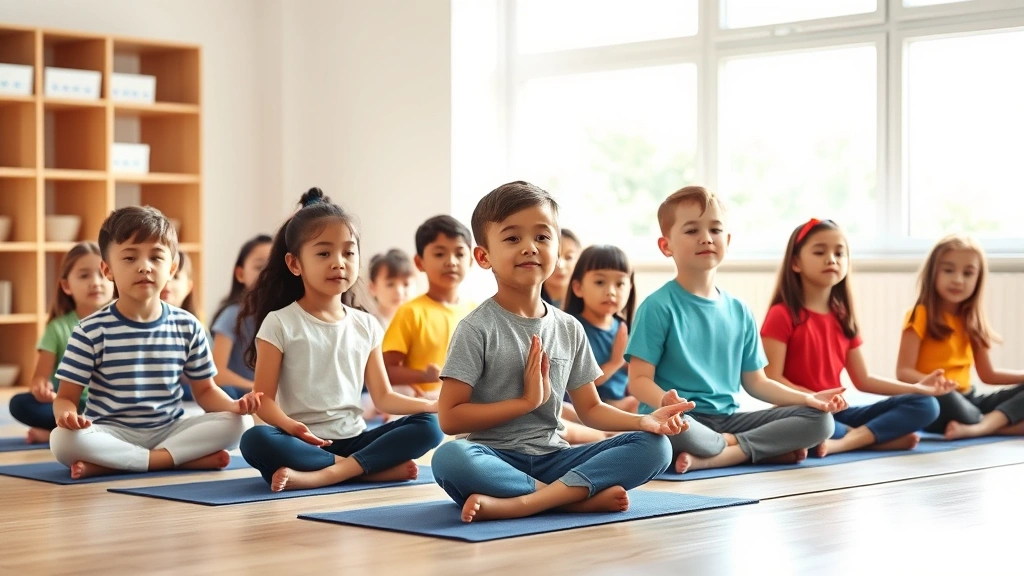
” alt=”Group of diverse children sitting together in peaceful meditation during school day” />
Addressing Common Challenges
Parents and educators frequently encounter obstacles when introducing meditation to children. Understanding these challenges and evidence-based solutions prevents abandonment of the practice.
“My Child Can’t Sit Still”
This reflects normal child development and ADHD traits, not meditation failure. Movement-based meditation addresses this directly. Walking meditation, yoga, or tai chi provide structure while accommodating kinesthetic needs. Even traditional sitting meditation can incorporate fidget tools—holding stones, squeezing stress balls, or using textured cushions—that satisfy movement needs while maintaining meditative focus. The goal isn’t motionlessness; it’s developing awareness and attention capacity.
“They Get Bored Easily”
Boredom indicates the meditation isn’t engaging. Vary approaches: try different guided meditations, change locations, experiment with music versus silence, or switch between meditation types. Younger children benefit from imaginative guided meditations (visualizing peaceful places) more than abstract breath focus. Novelty maintains engagement while the underlying practice deepens.
“My Child Says They Can’t Meditate”
This typically means the child’s expectations don’t match meditation’s actual experience. Many believe meditation requires “empty mind” or perfect stillness—impossible standards. Reframe meditation as “mind training” rather than relaxation. Acknowledge that thoughts arise; meditation practice involves noticing thoughts without judgment. Normalizing a wandering mind removes the “failure” feeling that discourages continued practice.
“Meditation Increased My Child’s Anxiety”
Occasionally, children with trauma histories or severe anxiety experience increased distress when sitting quietly—their minds become hyperaware of anxious thoughts. These children need trauma-informed approaches: shorter sessions, eyes-open meditation, more structured guidance, or movement-based alternatives. Some benefit from gradual exposure: meditating with eyes open while watching leaves fall, or practicing during pleasant activities rather than isolated silence. Professional guidance from therapists trained in both meditation and trauma proves invaluable.
“We Can’t Sustain the Habit”
Habit formation requires 21-66 days depending on complexity. Meditation habits typically establish within 4-6 weeks of consistent practice. If consistency lapses, restart without guilt. Link meditation to existing routines—after brushing teeth, before breakfast—rather than creating new time slots. Use reminder systems: calendar notifications, visual cues, or family check-ins. Make meditation family practice rather than individual responsibility, distributing accountability.
Age-Appropriate Meditation Guidelines
Meditation techniques and expectations should align with developmental stages. Children’s cognitive, emotional, and physical capacities vary dramatically across age ranges.
Ages 3-5 (Preschool)
Brief, playful practices work best. “Smelling flowers, blowing bubbles” breathing exercises, body scans using stuffed animals, and imaginative guided meditations maintain engagement. Duration: 1-2 minutes maximum. Focus on sensory experience rather than internal awareness. Music, movement, and story-based meditations suit these young learners. Parents should practice alongside children, making it interactive rather than independent.
Ages 6-8 (Early Elementary)
Children develop longer attention spans and greater self-awareness. Guided meditations can extend to 5-7 minutes. Introduce basic mindfulness concepts: noticing thoughts like clouds, observing emotions in the body, simple breathing techniques. Still-life meditation (watching a candle flame, observing nature) provides concrete focal points. These children respond well to meditation that includes movement or imagination, with less abstract conceptualization.
Ages 9-12 (Late Elementary)
Cognitive development allows for more sophisticated understanding. Children can sustain 10-15 minute sessions and grasp meditation’s purpose beyond relaxation. Introduce loving-kindness meditation, more complex breathing patterns, and discussion of meditation’s effects on focus and emotions. These children benefit from understanding the “why”—how meditation changes their brains and improves academic performance. Peer practice (meditating with friends) increases appeal.
Ages 13+ (Teenagers)
Teens can engage with meditation at adult depth, though they require framing that addresses their developmental needs. Emphasize meditation’s benefits for academic performance, emotional regulation, stress management, and relationships rather than spiritual aspects. Teens respond well to autonomy: allowing them to choose meditation types, duration, and frequency. Apps and online communities provide teen-appropriate resources. Address self-consciousness about meditation’s perceived “weirdness” by normalizing mindfulness in sports, performance, and academic contexts.
Regardless of age, consistency matters far more than duration. Even two minutes daily produces benefits; sporadic longer sessions offer less value. The goal is building lifelong meditation habits that support focus, emotional health, and wellbeing throughout development.
FAQ
Can meditation help children with ADHD?
Yes. While meditation isn’t a replacement for ADHD treatment, it significantly improves symptoms. Research shows meditation enhances attention regulation, impulse control, and emotional processing—core ADHD challenges. Many children benefit from combining meditation with other interventions. Movement-based meditation and body scans often work better than sitting meditation for children with ADHD. Consult healthcare providers about integrating meditation into comprehensive ADHD management, which may include medication, behavioral strategies, and the habit-building principles discussed in productivity literature.
How long before seeing meditation results?
Some benefits emerge immediately—children often feel calmer after single sessions. However, lasting improvements in focus and behavior typically appear within 4-8 weeks of consistent practice. Brain imaging studies show measurable neural changes within 8 weeks of regular meditation. Long-term benefits compound: children meditating for months or years show dramatically improved attention, emotional regulation, and academic performance compared to non-meditators.
Should meditation replace professional mental health treatment?
Meditation complements but doesn’t replace professional treatment for clinical anxiety, depression, ADHD, or trauma. Think of meditation as foundational mental health maintenance, like exercise and sleep. Children with diagnosed mental health conditions should receive appropriate professional care—therapy, medication if indicated, and other evidence-based treatments. Meditation enhances these interventions, supporting overall wellbeing. Many therapists incorporate mindfulness into treatment protocols.
What if my child refuses to meditate?
Forcing meditation creates negative associations and counterproductive resistance. Instead, make meditation optional and appealing. Offer choices: “Would you prefer guided meditation or walking meditation?” Introduce through activities children enjoy: yoga classes, nature walks with mindful observation, or creative visualization. Some children warm to meditation gradually through exposure to others practicing. If resistance persists, accept it without judgment; other focus-building strategies may suit your child better.
Can secular meditation benefit religious families?
Absolutely. Meditation’s core practices—attention, awareness, and emotional regulation—exist across religious and secular contexts. Many families integrate meditation with their faith traditions, viewing it as spiritual practice aligned with their beliefs. Inspirational resources combining spirituality with mental health can support faith-based meditation approaches. Secular mindfulness meditation contains no religious elements and complements any belief system.
Are there risks to children meditating?
For most children, meditation poses minimal risks. Occasionally, children with trauma histories experience increased anxiety during quiet meditation—these children benefit from trauma-informed modifications or professional guidance. Very rarely, children experience dissociation or depersonalization, particularly with intensive practice. These risks are easily managed through shorter sessions, eyes-open meditation, or guided approaches. Consulting healthcare providers before beginning meditation proves wise for children with significant mental health conditions.
How do I know if meditation is working?
Observable improvements include: better homework focus, fewer behavioral incidents at school, improved emotional regulation, reduced anxiety symptoms, better sleep, and increased self-awareness. Teachers and parents often notice changes first. Some children report feeling calmer or better able to manage emotions. Academic performance frequently improves as focus strengthens. Tracking specific behaviors—time spent on homework without distraction, frequency of emotional outbursts, or sleep quality—provides concrete measurement. Remember that subtle improvements in attention and emotional resilience may precede obvious behavioral changes.


