
Can Cats Boost Focus? Vet Insights on Feline Companionship and Concentration
The soft purr of a cat on your lap while you work, the gentle presence of a feline companion nearby—these moments feel calming, but can cats actually enhance your ability to focus? Recent veterinary research and cognitive science studies suggest that cat ownership may offer measurable benefits for concentration and mental clarity. However, the relationship between cats and focus is nuanced, particularly when considering cat mental health problems that can disrupt both feline and human wellbeing.
This comprehensive guide explores the science behind how cats influence human focus, the conditions that affect their behavior, and practical strategies for maximizing the cognitive benefits of cat companionship while supporting your pet’s emotional health. We’ll examine veterinary insights, psychological research, and actionable approaches to create an environment where both you and your cat thrive mentally.
The Science Behind Cats and Concentration
The relationship between cats and human cognitive performance has attracted increasing attention from neuroscientists and psychologists. According to research published in peer-reviewed journals on human-animal interaction, the presence of pets can enhance focus through multiple neurobiological pathways. Cats, in particular, offer unique advantages compared to other animals due to their independent nature and lower-maintenance requirements.
Dr. James Griffin, a veterinary behaviorist, explains that cats produce a calming effect through their vocalizations and physical presence. The frequency of a cat’s purr—typically between 25 and 150 Hertz—has been shown to reduce anxiety and promote relaxation in the human nervous system. This physiological response creates an optimal state for building productive habits and sustained mental effort.
However, the cognitive benefits of cat ownership depend significantly on the cat’s emotional state. When cats experience mental health challenges, their behavior becomes unpredictable, potentially disrupting rather than enhancing your focus. Understanding this dynamic is essential for anyone seeking to leverage cat companionship for improved concentration.
Stress Reduction and Cortisol Levels
One of the most well-documented benefits of cat ownership is stress reduction. A landmark study from Applied Animal Behaviour Science found that interacting with cats for just 10 minutes resulted in measurable decreases in cortisol, the primary stress hormone. Elevated cortisol impairs prefrontal cortex function, directly reducing your capacity for focus, working memory, and decision-making.
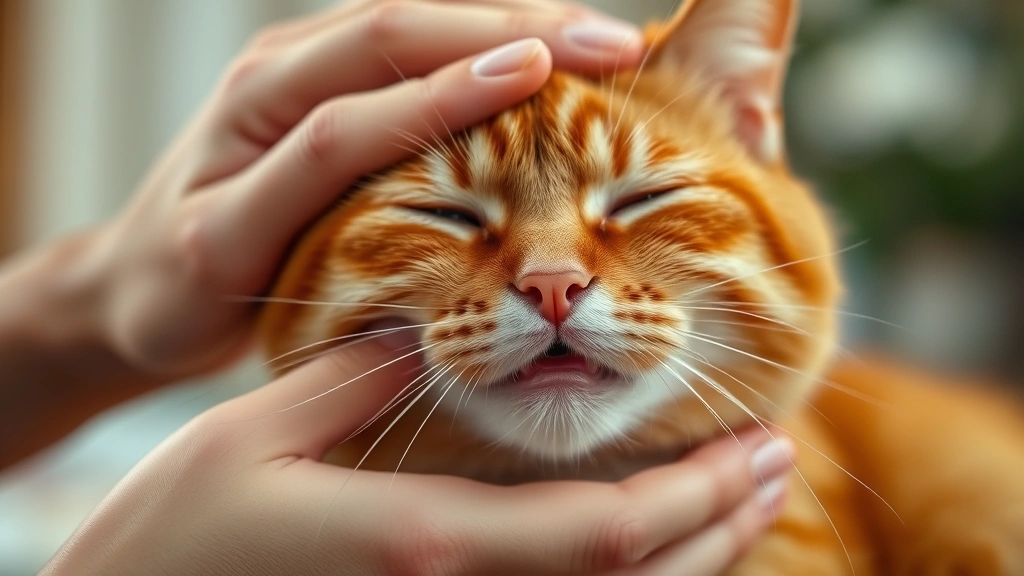
When you pet a cat, several neurochemical changes occur simultaneously:
- Oxytocin release: The bonding hormone increases, promoting feelings of trust and connection
- Dopamine elevation: Your brain’s reward system activates, enhancing motivation and attention
- Serotonin production: Mood-stabilizing neurotransmitter levels rise, supporting emotional regulation
- Cortisol reduction: Stress hormone levels decrease, allowing clearer thinking
These neurochemical shifts create an ideal cognitive state for deep work. Research from the American Psychological Association demonstrates that pet owners show lower baseline stress levels and recover faster from acute stressors—both critical factors for sustained focus.
The parasympathetic nervous system activation triggered by cat interaction also slows heart rate and breathing, moving you out of fight-or-flight mode and into rest-and-digest mode. This physiological state is precisely what neuroscientists identify as optimal for concentration and creative problem-solving.
Understanding Feline Mental Health Problems
Despite cats’ potential to enhance human focus, many cat owners struggle with behavioral issues stemming from undiagnosed or untreated cat mental health problems. Anxiety, depression, and stress-related disorders in cats manifest through destructive behaviors, aggression, inappropriate elimination, and excessive vocalization—all of which directly undermine your concentration.
Common feline mental health conditions include:
- Feline Anxiety Disorder: Characterized by excessive fear responses, hiding, and avoidance behaviors. Cats with anxiety often require environmental modifications and sometimes pharmaceutical intervention.
- Feline Depression: Less obvious than human depression, feline depression presents as lethargy, reduced grooming, appetite changes, and social withdrawal. Affected cats lose their playful nature and become emotionally distant.
- Stress-Related Behavioral Issues: Changes in litter box habits, aggression toward household members, and destructive scratching often indicate underlying emotional distress rather than pure behavioral problems.
- Cognitive Dysfunction Syndrome: Particularly in older cats, cognitive decline manifests as disorientation, altered sleep patterns, and changed social interactions.
Veterinary behaviorists now recognize that many behavioral issues previously attributed to simple stubbornness actually stem from treatable mental health conditions. Dr. Sarah Mitchell, a board-certified veterinary behaviorist, emphasizes that addressing cat mental health directly improves the human-cat relationship and, consequently, your ability to focus at home.
The connection works bidirectionally: your cat’s mental health directly impacts your concentration, while your stress levels affect your cat’s emotional wellbeing. This creates either a virtuous cycle of mutual calm or a problematic cycle of escalating anxiety.
How Cat Behavior Affects Your Focus
Understanding the specific ways cat behavior disrupts or enhances concentration helps you make informed decisions about cat ownership and management. A cat experiencing mental health challenges exhibits behaviors that directly fragment attention and interrupt deep work sessions.
Focus-Disrupting Behaviors: Excessive meowing, scratching at doors, aggressive play attacks, or inappropriate elimination create constant interruptions. Each disruption triggers a context switch in your brain, requiring 15-25 minutes to regain full concentration. A cat exhibiting these behaviors multiple times hourly essentially eliminates any possibility of sustained focus.
Focus-Enhancing Behaviors: Conversely, a mentally healthy cat that sleeps nearby, purrs contentedly, or engages in quiet independent play provides ambient companionship without disruption. This presence activates your parasympathetic nervous system while allowing uninterrupted work.
The research on pet-related interruptions and productivity shows that while cats create fewer interruptions than dogs, the quality of those interruptions matters significantly. An unexpected aggressive bite or destructive episode causes greater cognitive disruption than a dog’s bark because it’s unexpected and emotionally charged.
Cats experiencing anxiety often exhibit attention-seeking behaviors that paradoxically indicate emotional distress rather than desire for interaction. Distinguishing between healthy companionship and anxiety-driven behavior allows you to address underlying mental health issues through proper veterinary care.
Creating a Focus-Friendly Environment
Maximizing the cognitive benefits of cat companionship requires intentional environmental design that supports both feline mental health and human concentration. This approach treats your home as an integrated system where everyone’s wellbeing matters.
Environmental Enrichment for Cats: Bored and understimulated cats develop behavioral and mental health problems. Providing adequate enrichment prevents the anxiety and depression that disrupt your focus. Essential enrichment includes:
- Vertical spaces (cat trees, wall-mounted shelves) for climbing and surveying territory
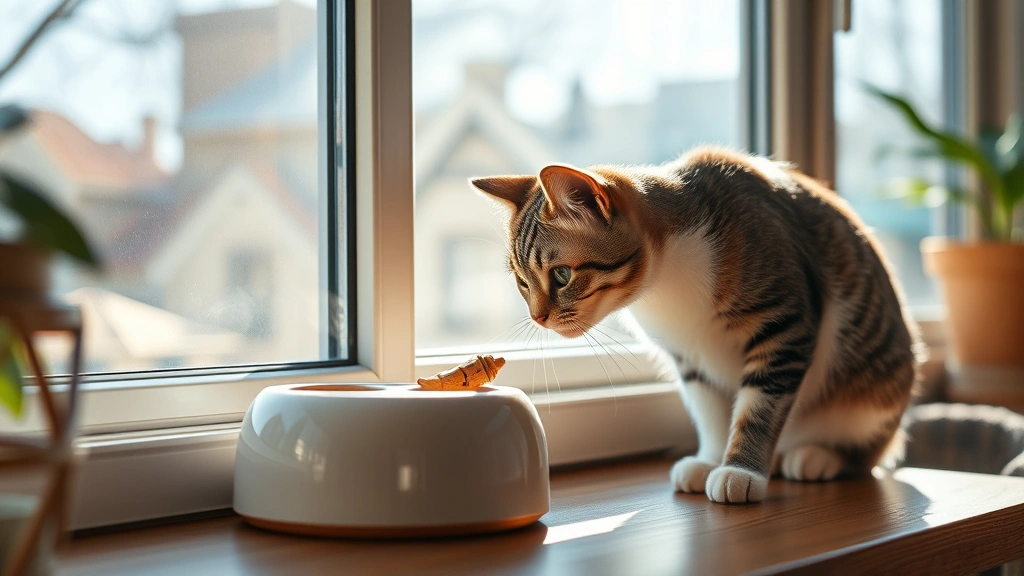
- Window perches for visual stimulation and bird watching
- Interactive toys requiring problem-solving and hunting simulation
- Rotating toy selection to maintain novelty and engagement
- Scheduled play sessions matching your cat’s activity peaks
- Puzzle feeders converting mealtime into mental stimulation
Stress Reduction for Your Cat: Just as humans need stress management, cats require emotional regulation support. Implement these evidence-based strategies:
- Pheromone diffusers: Feline Facial Pheromone (FFP) mimics natural calming signals, reducing anxiety in susceptible cats
- Consistent routines: Predictable schedules for feeding, play, and interaction reduce uncertainty-driven stress
- Safe spaces: Dedicated quiet areas where cats can retreat provide psychological security
- Multi-cat management: Separate resources (litter boxes, food bowls, water stations) prevent competition-related stress
- Noise management: Reducing loud, unexpected sounds protects sensitive cats from anxiety triggers
Workspace Design: Position your work area to allow cat companionship without disruption. A cat bed or perch near your workspace provides proximity benefits while maintaining boundaries. This arrangement satisfies your cat’s desire for social proximity while you maintain focus.
If your cat exhibits signs of mental health problems, consulting with a veterinary behaviorist becomes essential. These specialists can identify underlying medical issues, recommend behavioral modifications, and prescribe appropriate interventions including pharmaceutical options when necessary.
Building Sustainable Work Habits
Integrating cat companionship into your productivity system requires deliberate habit formation. Rather than viewing cats as passive background elements, treat them as active participants in your focus practice.
Structured Interaction Blocks: Instead of random petting throughout your workday, schedule dedicated interaction blocks. A 10-minute focused petting session during transitions between tasks provides the neurochemical reset your brain needs while giving your cat predictable attention. This structure prevents constant interruptions while ensuring your cat receives adequate interaction.
Synchronized Schedules: Align your work schedule with your cat’s natural activity patterns. Most cats have energy peaks in early morning and evening. Scheduling focused work during your cat’s napping periods (typically midday and late afternoon) creates natural alignment where your peak focus hours coincide with your cat’s rest periods.
Environmental Transitions: Use your cat’s presence as a transition cue. When you sit down at your desk with your cat nearby, this environmental signal tells your brain to enter focus mode. Over time, this association strengthens, making it easier to concentrate in your cat’s presence.
For comprehensive guidance on building sustainable productivity habits, explore our Atomic Habits analysis, which applies micro-habit principles to focus development. The same principles that build exercise or reading habits apply to integrating cat companionship into your focus practice.
If you’re struggling with motivation or emotional regulation around your focus practice, books about mental health provide evidence-based frameworks for understanding the psychological foundations of sustained attention. Understanding your own mental health challenges helps you support your cat’s emotional needs more effectively.
For additional inspiration, consider exploring best mental health quotes that emphasize the interconnection between personal wellbeing and productivity. Many of these insights apply equally to human and feline mental health.
FAQ
Can cats actually improve focus, or is this just placebo?
Cats improve focus through measurable neurobiological mechanisms, not placebo. Research demonstrates actual reductions in cortisol, increases in oxytocin and dopamine, and decreased heart rate and blood pressure. However, these benefits only occur when cats are mentally healthy. A stressed or anxious cat produces opposite effects, increasing your cortisol and disrupting focus.
What cat behaviors indicate mental health problems?
Signs of feline mental health issues include excessive vocalization, inappropriate elimination outside the litter box, aggression toward household members, destructive scratching, hiding for extended periods, appetite changes, excessive grooming or hair loss, and reduced interest in play. Any sudden behavioral change warrants veterinary evaluation to rule out medical causes first.
How do I know if my cat’s behavior is normal or a mental health concern?
Normal cat behavior includes independent play, sleeping 12-16 hours daily, grooming, and periodic social interaction. Concerning behaviors represent marked changes from your cat’s baseline or excessive versions of normal behaviors. A cat that suddenly becomes aggressive, eliminates outside the litter box, or hides constantly likely experiences emotional distress requiring professional evaluation.
Can medication help a cat with anxiety?
Yes, veterinary behaviorists frequently prescribe SSRIs (selective serotonin reuptake inhibitors) or other psychotropic medications for cats with anxiety disorders. These medications work best combined with environmental modifications and behavioral management. Your veterinarian can assess whether medication is appropriate for your cat’s specific situation.
How long does it take to see focus improvements from cat companionship?
Many people experience immediate stress reduction from petting a cat, but sustained focus improvements develop over weeks as consistent cat companionship becomes integrated into your routine. The neurochemical benefits accumulate with regular interaction, similar to how exercise produces both immediate and long-term cognitive benefits.
Is it better to have one cat or multiple cats for focus purposes?
This depends on individual circumstances. One calm, mentally healthy cat typically provides optimal focus benefits. Multiple cats can increase environmental enrichment and activity, but also introduce complexity around resource management and potential conflict-related stress. If considering multiple cats, ensure adequate resources and compatible temperaments.
What should I do if my cat’s behavior prevents me from focusing?
First, schedule a veterinary examination to rule out medical causes. Then consult with a veterinary behaviorist to develop a comprehensive management plan addressing your cat’s mental health. Simultaneously, modify your environment to support both your cat’s wellbeing and your focus needs. This might include increased enrichment, environmental modifications, or temporary workspace changes while addressing underlying issues.


