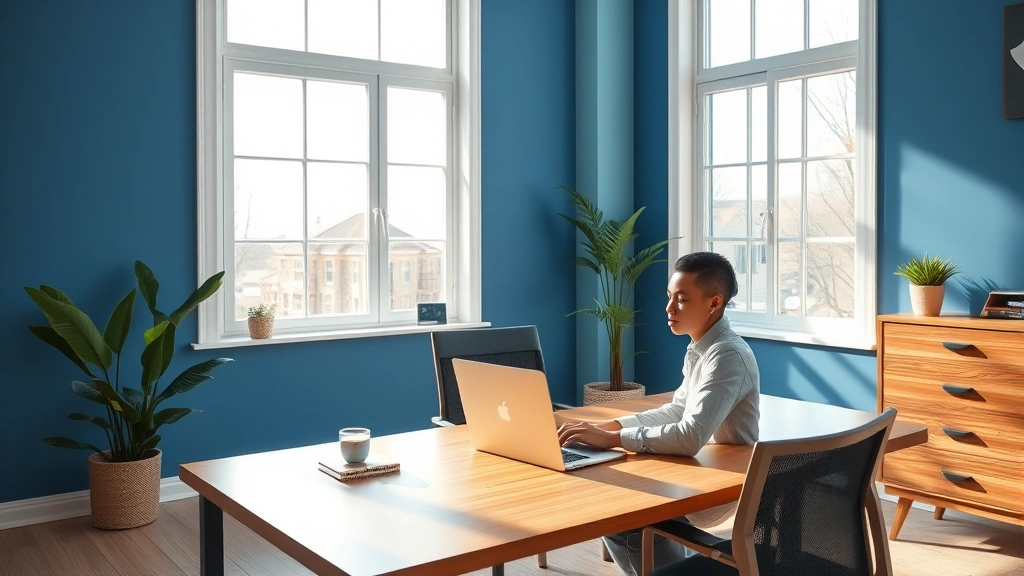
What Colors Boost Focus? Expert Insights for Mental Health Awareness Month
Color is far more than aesthetic preference—it’s a powerful neurobiological tool that directly influences your ability to concentrate, process information, and maintain mental clarity. During Mental Health Awareness Month, understanding the science behind color psychology becomes essential for optimizing your work environment and protecting your cognitive performance. Research from neuroscience labs across the globe demonstrates that specific wavelengths of light trigger distinct neural pathways, affecting everything from dopamine production to stress hormone levels.
The human brain processes color information within milliseconds of visual exposure, activating multiple brain regions simultaneously. This rapid processing happens largely outside conscious awareness, yet profoundly shapes your mental state, emotional regulation, and sustained attention capacity. Whether you’re designing a home office, selecting workspace décor, or simply understanding how your environment impacts your wellbeing, knowing which colors enhance focus can transform your productivity and mental health outcomes.
This comprehensive guide explores the science-backed evidence on color and cognition, providing actionable strategies to leverage chromatic influence for better concentration and psychological resilience.
Blue: The Cognitive Performance Champion
Blue consistently emerges as the most research-supported color for enhancing focus and cognitive performance. Studies published in Nature’s cognitive science journals reveal that blue light exposure increases alertness, sharpens attention, and boosts working memory capacity. The wavelength of blue light (approximately 460-500 nanometers) directly stimulates photoreceptor cells called intrinsically photosensitive retinal ganglion cells (ipRGCs), which regulate circadian rhythms and alertness cycles.
When you surround yourself with blue—whether through wall paint, desk accessories, or digital displays—your brain receives signals to elevate cortisol and norepinephrine levels during optimal times. These neurotransmitters sharpen mental clarity without triggering the anxiety associated with overstimulation. Research demonstrates that individuals working in blue-dominated environments show improved task completion rates, fewer errors, and enhanced creative problem-solving abilities.
The effectiveness of blue varies by shade. Cooler, medium blues (like sky blue or cerulean) promote sustained focus for analytical tasks, while deeper navy tones support longer concentration periods without fatigue. Incorporate blue through your FocusFlowHub Blog recommendations by painting an accent wall, selecting blue desk lamps, or using blue-tinted screen filters during deep work sessions.
Blue’s psychological associations with stability, trust, and calm further reinforce its focus-enhancing properties. Unlike overstimulating colors, blue doesn’t trigger anxiety responses, making it ideal for high-pressure work environments where sustained attention directly impacts performance outcomes.
Green: Nature’s Restorative Wavelength
Green represents nature’s dominant color, and your brain’s evolutionary preference for this hue translates into measurable cognitive benefits. Research from environmental psychology demonstrates that green environments reduce mental fatigue, lower stress hormones, and restore depleted attention resources. This phenomenon, termed “Attention Restoration Theory,” explains why even brief exposure to green can reset focus capacity for subsequent tasks.
Green light wavelengths (495-570 nanometers) activate parasympathetic nervous system pathways, promoting relaxation while maintaining alertness. This unique combination makes green particularly valuable for work requiring sustained attention without stress-related tension. Studies show that individuals with views of green spaces or working in green-painted rooms experience lower cortisol levels, reduced eye strain, and improved emotional regulation.
The color for mental health approach emphasizes green as essential for preventing burnout and maintaining long-term cognitive performance. Incorporating living plants, green walls, or nature photography activates these restorative mechanisms while creating visually calming work environments. For those unable to access natural green spaces, even artificial green elements provide meaningful cognitive and emotional benefits.
Green’s connection to growth, renewal, and vitality also influences psychological state. When your brain perceives green, it associates the environment with safety, abundance, and natural harmony—associations that reduce vigilance requirements and allow deeper concentration on meaningful tasks.

Red: Activation and Alert States
Red occupies a paradoxical position in color psychology—simultaneously enhancing and hindering focus depending on context and task type. Red light (620-750 nanometers) triggers the most intense neural activation, increasing heart rate, blood pressure, and adrenaline production. This makes red excellent for tasks requiring quick reactions, physical exertion, or high-energy engagement.
However, sustained exposure to red can impair complex cognitive tasks, reduce creative thinking, and trigger anxiety in sensitive individuals. The color activates threat-detection systems in the amygdala, useful for emergency situations but counterproductive for analytical work requiring calm deliberation. Research indicates that red environments increase error rates on detail-oriented tasks while improving performance on speed-based activities.
Strategic red application works best in limited doses—accent pieces rather than dominant environmental colors. Use red for motivational spaces, exercise areas, or brief high-intensity work intervals. Pair red with calming colors like blue or green to harness its activating benefits while mitigating stress responses. This balanced approach aligns with atomic habits principles of environmental design for behavioral optimization.
For cognitive performance testing, avoid predominantly red environments when assessing analytical capabilities. The color’s stimulating properties create conditions that don’t reflect optimal cognitive functioning for most knowledge work.
Yellow: Mood Enhancement and Optimism
Yellow represents the brightest color in the visible spectrum, activating the brain’s reward centers and promoting mood elevation. This color stimulates serotonin production, the neurotransmitter responsible for happiness, motivation, and positive outlook. Moderate yellow exposure enhances optimism and creative thinking, making it valuable for brainstorming sessions and innovation-focused work.
However, excessive yellow can overstimulate, causing anxiety and restlessness in sensitive individuals. The color’s high luminosity demands significant visual processing resources, potentially reducing focus capacity for detail-oriented tasks. Research suggests that soft, muted yellows work better than bright, saturated versions for sustained work environments.
Yellow pairs effectively with blue or green to balance stimulation with calm focus. Use yellow strategically in break areas, creative spaces, or motivational zones rather than as the primary work environment color. The color’s association with sunshine and warmth creates psychologically safe spaces that support mental wellbeing while maintaining productivity.

Creating Your Focus-Friendly Color Environment
Designing an optimal color environment requires understanding your specific cognitive demands and personal color responses. Begin by assessing your primary work types: analytical tasks benefit from blue dominance, creative work thrives in blue-green combinations, and high-energy activities leverage red accents. Your best mental health books collection likely emphasizes the importance of personalized environmental design.
Implementation Strategy:
- Primary Wall Color: Select blue or green as your dominant environmental color, covering 60-70% of visual space. These colors establish baseline focus capacity without overstimulation.
- Accent Colors: Introduce 20-30% secondary colors through furniture, artwork, and accessories. Yellow accents boost mood, while red elements enhance motivation during specific tasks.
- Neutral Balance: Maintain 10-15% neutral tones (white, gray, beige) to prevent color saturation and allow visual rest.
- Lighting Consideration: Natural daylight renders colors most accurately. Supplement with full-spectrum LED lighting that doesn’t distort color perception or disrupt circadian rhythms.
- Digital Environment: Apply color principles to screen-based work through background colors, application themes, and display settings. Blue light filters during evening hours protect sleep quality while maintaining focus during daytime work.
Test color combinations for 2-4 weeks before making permanent changes. Your cognitive response to environmental colors develops gradually as your nervous system calibrates to sustained chromatic exposure. Track focus duration, task completion rates, and mood indicators to objectively measure color environment effectiveness.
Color Psychology in Mental Health Context
During Mental Health Awareness Month, recognizing color’s role in psychological wellbeing becomes particularly significant. Color psychology intersects with cognitive behavioral therapy principles, where environmental modification supports emotional regulation and anxiety management. Colors influence not just focus capacity but also emotional resilience, stress recovery, and overall mental health outcomes.
Blue and green environments reduce anxiety symptoms, lower perceived stress, and support emotional stability. Research from the American Psychological Association confirms that chromatic environmental design significantly impacts mental health outcomes, particularly for individuals managing anxiety disorders, ADHD, or chronic stress.
The relationship between color and mental health extends beyond individual workspaces. Institutional settings—schools, hospitals, therapeutic offices—increasingly incorporate color psychology to support client outcomes. Blue waiting rooms reduce patient anxiety before medical procedures, green clinical spaces enhance healing perception, and warm yellow tones in therapeutic environments create psychological safety.
Understanding your personal color responses builds self-awareness essential for mental health management. Some individuals show heightened sensitivity to color stimulation due to neurodivergence, trauma history, or sensory processing differences. Personalizing your color environment acknowledges these individual differences while optimizing your unique cognitive and emotional needs.
Integration with mindfulness and stress-reduction practices amplifies color psychology benefits. Combining blue-green environments with meditation, breathing exercises, or progressive muscle relaxation creates synergistic effects that deepen focus capacity and emotional regulation. This holistic approach aligns with comprehensive mental health awareness that addresses biological, psychological, and environmental factors simultaneously.
FAQ
What color is best for focus and concentration?
Blue emerges as the most research-supported color for sustained focus and cognitive performance. Medium to cool blue tones enhance attention, sharpen working memory, and support analytical task completion without triggering anxiety. Green provides equally valuable focus benefits through attention restoration mechanisms, making the blue-green combination optimal for most work environments.
Does color really affect mental health?
Yes, extensive neuroscience research confirms that color directly influences brain chemistry, emotional states, and stress responses. Colors activate specific neural pathways that regulate neurotransmitters like serotonin, dopamine, and cortisol. Environmental color exposure produces measurable changes in mood, anxiety levels, and cognitive performance within minutes of exposure.
Should I paint my entire office blue?
While blue dominance supports focus, covering 100% of your environment in one color can create monotony and reduce visual interest. Optimal design incorporates 60-70% blue as primary color, with 20-30% complementary accent colors and 10-15% neutral tones. This balance maintains focus benefits while preventing sensory fatigue from color saturation.
Can color help with anxiety and stress?
Blue and green colors specifically reduce anxiety symptoms and lower stress hormone production. These colors activate parasympathetic nervous system pathways that promote relaxation and emotional calm. Incorporating blue-green environments supports anxiety management as part of comprehensive mental health strategies.
What colors should I avoid for focus work?
Avoid predominantly red, bright orange, or highly saturated warm colors for sustained analytical work. These colors overstimulate the nervous system, increase error rates on detail-oriented tasks, and can trigger anxiety in sensitive individuals. Reserve warm, stimulating colors for brief high-energy activities or motivational spaces.
How long does it take to experience color psychology benefits?
You’ll notice immediate mood and alertness shifts from color exposure within minutes. However, cognitive performance improvements and sustained focus benefits develop over 2-4 weeks as your nervous system calibrates to the new chromatic environment. Track your focus duration and task completion rates during this adjustment period.
Does artificial lighting change color effectiveness?
Yes, artificial lighting quality significantly impacts color perception and effectiveness. Full-spectrum LED lighting that mimics natural daylight preserves color accuracy and maintains color psychology benefits. Avoid cheap fluorescent lighting that distorts color perception and causes eye strain, reducing focus capacity regardless of chosen colors.
Can I use color psychology for remote work?
Absolutely. Apply color principles to your home office background, digital display settings, and screen-based application themes. Virtual meeting backgrounds, wall colors behind your workspace, and computer interface colors all influence your focus capacity and mental state during remote work sessions.


