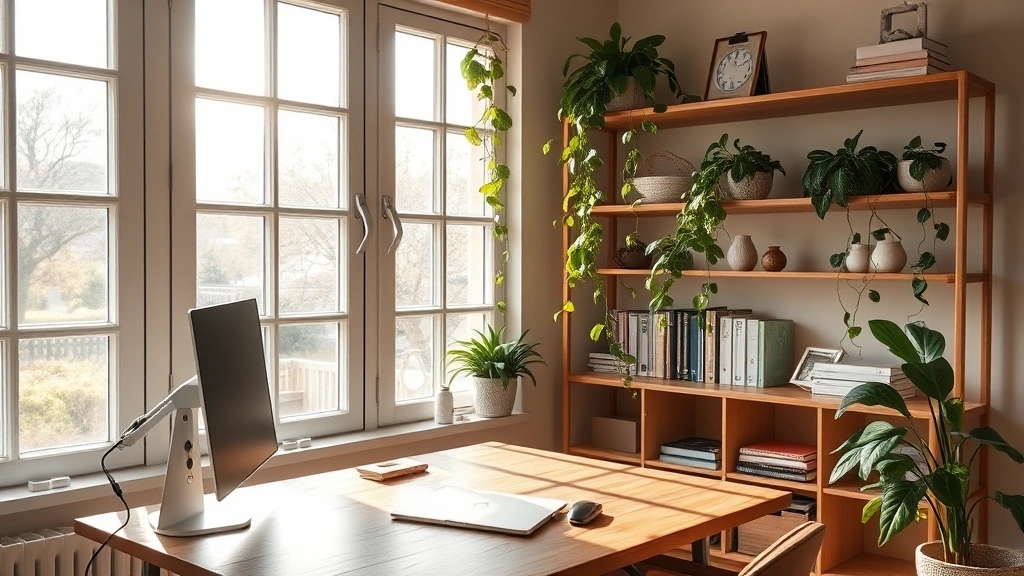
Best Indoor Plants for Mental Health: A Guide to Growing Your Way to Better Wellbeing
There’s something almost magical about walking into a room filled with greenery. Your shoulders drop, your breathing deepens, and suddenly the chaos of the day feels a little more manageable. It’s not just in your head—science backs up what our intuition has always known: plants genuinely improve our mental health.
We spend roughly 90% of our time indoors, yet we’re designed to crave connection with nature. That disconnect contributes to rising stress levels, anxiety, and depression. The good news? You don’t need a sprawling garden or even a backyard. Some of the most powerful mental health benefits come from simple indoor plants sitting on your desk, shelf, or windowsill.
This guide explores the best indoor plants for mental health, how they work their quiet magic, and practical tips for bringing them into your space—even if you’ve never kept a plant alive before.
The Science Behind Plants and Mental Wellbeing
Before we dive into specific plants, let’s talk about why they matter. Research from peer-reviewed studies on biophilia shows that exposure to plants reduces cortisol (your stress hormone), lowers blood pressure, and increases feelings of calm within minutes of interaction.
A landmark study published in the Journal of Environmental Psychology found that people working in environments with plants showed 15% higher productivity and reported 37% less anxiety compared to plant-free workspaces. That’s not marginal—that’s transformative.
But here’s what makes indoor plants particularly powerful: they’re not passive. They actively clean your air, produce oxygen, and create a living, breathing ecosystem in your home. When you care for them, you’re also engaging in what therapists call horticultural therapy—a clinical intervention that combines the benefits of gardening with mental health support.
The act of watering, pruning, and watching something grow gives your brain a break from rumination and provides a sense of purpose and accomplishment. It’s meditation with tangible results.
If you’re looking to complement plant therapy with other wellness practices, exploring best books on mental health can deepen your understanding of holistic wellbeing.
The Best Indoor Plants for Mental Health
1. Pothos (Devil’s Ivy)
Pothos is the plant equivalent of a reliable friend. Nearly impossible to kill, it thrives in low light and irregular watering schedules. It’s also one of the most effective air-purifying plants, removing toxins like formaldehyde and benzene.
What makes pothos special for mental health? Its trailing vines create a living, cascading presence that’s inherently calming to observe. The low-maintenance nature means you won’t add to your stress by worrying you’re killing it. Place it on a shelf and watch it grow—it’s a visual reminder that good things happen even when you’re not obsessing over them.
2. Snake Plant (Sansevieria)
The snake plant is the minimalist’s dream. Architectural, striking, and nearly indestructible, it tolerates neglect like a champion. It also produces oxygen at night, making it ideal for bedrooms where better sleep directly impacts mental health.
Beyond air purification, the snake plant’s geometric structure provides visual interest without chaos. There’s something grounding about its upright, orderly growth pattern—it creates a sense of stability in your space.
3. Spider Plant
Spider plants are the overachievers of the plant world. They’re prolific, cheerful, and generate baby plants (called plantlets) that you can propagate and share. This creates a tangible sense of abundance and generosity.
For mental health, spider plants offer multiple benefits: they’re excellent air purifiers, they’re virtually impossible to kill, and the act of propagating and gifting them to others activates positive social connection—a core pillar of mental wellbeing.
4. Peace Lily
Peace lilies are elegant and expressive. They literally wilt when thirsty, giving you clear feedback about their needs. This creates a unique feedback loop that helps you develop attunement and responsibility in a low-stakes environment.
The glossy, dark green leaves and white flowers create a sophisticated aesthetic that elevates any space. They’re also powerful air purifiers, removing ammonia, benzene, and formaldehyde.
5. Monstera Deliciosa
Monsteras have become popular for good reason. Their large, perforated leaves are visually striking and create a jungle-like atmosphere that many find psychologically restorative. They’re also relatively forgiving and reward consistent care with impressive growth.
The act of caring for a plant with visible, dramatic growth creates a powerful sense of progress and accomplishment—particularly valuable if you’re working through depression or low motivation.
6. ZZ Plant
ZZ plants are the silent achievers. They tolerate low light, irregular watering, and general neglect while still thriving. They’re non-toxic, glossy, and provide a sense of quiet competence.
For people struggling with perfectionism or anxiety about “doing things right,” ZZ plants are therapeutic. They reward consistency without demanding it, which can help recalibrate unhealthy thought patterns around control.
7. Rubber Plant
Rubber plants make bold statements. Their large, deep-red or glossy-green leaves command attention and create an immediate sense of presence in a room. They’re moderately easy to care for and grow impressively with proper light.
Mentally, rubber plants inspire confidence. Watching them grow large and substantial provides a visual metaphor for personal expansion and strength.
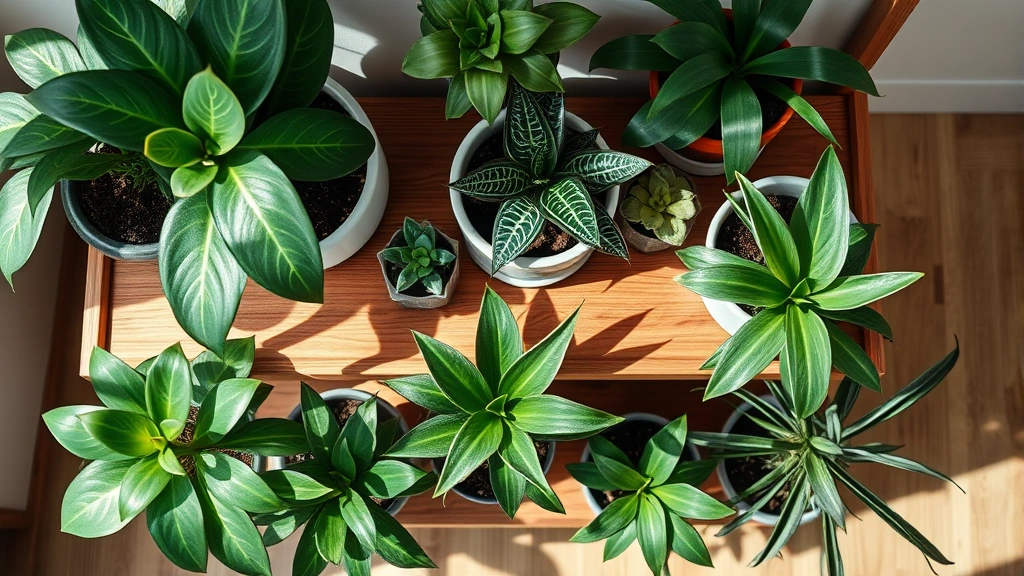
How Indoor Plants Actually Improve Your Mental State
Understanding the mechanism behind plant-based mental health benefits helps you appreciate what’s happening in your space and why consistency matters.
Air Quality and Cognitive Function
Plants absorb carbon dioxide and release oxygen, but they also remove volatile organic compounds (VOCs) like formaldehyde, xylene, and ammonia. Poor air quality directly impairs cognitive function, increases fatigue, and worsens mood. By improving air quality, plants create an environment where your brain literally functions better.
Attention Restoration
Psychologist Rachel Kaplan’s research on attention restoration theory shows that natural elements restore our capacity for focused attention. After time around plants, your brain’s executive function improves, and you’re better able to handle complex tasks and emotional regulation.
Biophilic Response
Humans have an innate drive to connect with nature called biophilia. This isn’t learned—it’s hardwired into our nervous system. Indoor plants activate this response, creating a subtle but profound sense of rightness and belonging.
Sense of Purpose and Routine
Caring for plants creates structure. Watering schedules, seasonal changes, and growth cycles give your days rhythm and purpose. For people experiencing depression or anxiety, this external structure can be genuinely life-changing.
Additionally, the concept of environmental design for mental health matters—something worth considering alongside other interventions. If you’re interested in how your physical environment impacts wellbeing, you might explore whether fluorescent lights affect mental health as well.
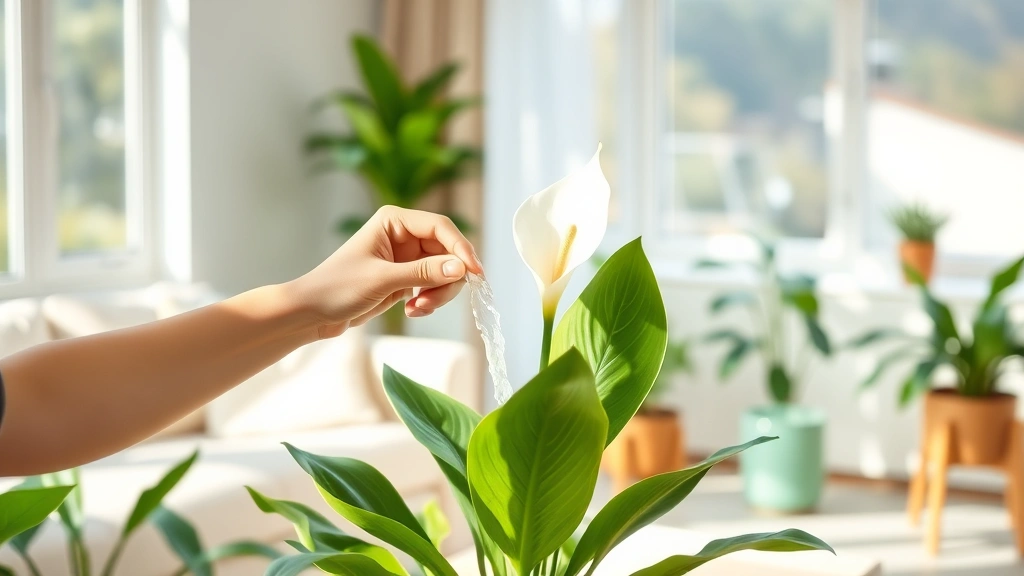
Strategic Placement and Care Tips
Bedroom Plants
Choose plants that produce oxygen at night and don’t require intense interaction. Snake plants, pothos, and ZZ plants are ideal. Place them where you’ll see them first thing in the morning and last thing at night—creating a sense of calm bookending your day.
Home Office or Workspace
This is where plants have the most dramatic impact on focus and productivity. Place a plant within your direct line of sight if possible. Spider plants and monstera work beautifully here because their growth is visually rewarding without being distracting.
Living Room
Go bold here. Larger plants like rubber plants or monsteras create an immersive, restorative environment. Group multiple plants together to create a “plant corner”—research shows that clustering plants amplifies their psychological benefits.
Bathroom
High humidity makes bathrooms ideal for peace lilies, pothos, and spider plants. These spaces often feel sterile; plants immediately warm them up and make them feel more nurturing.
Care Essentials
- Light: Match plants to your available light. Low-light tolerant plants like pothos and ZZ plants won’t wilt from inadequate sun.
- Watering: Overwatering kills more plants than underwatering. Use the finger test—stick your finger an inch into soil. If it’s dry, water.
- Humidity: Most indoor plants appreciate occasional misting or a pebble tray with water beneath the pot.
- Rotation: Rotate plants quarterly to ensure even light exposure and balanced growth.
- Repotting: Refresh soil annually and upgrade pot size every 1-2 years as plants grow.
Creating a Maintenance System
The mental health benefits of plants only work if you’re not stressed about keeping them alive. Create a simple system: designate one day weekly for plant care, use phone reminders for watering, and start with hardy, forgiving species. Success builds confidence, which allows you to expand your collection.
Common Mistakes Plant Parents Make
Overwatering
The #1 plant killer. Roots need oxygen. Soggy soil suffocates them. Most indoor plants prefer to dry out slightly between waterings. If you’re anxious about this, choose drought-tolerant plants like ZZ plants and snake plants.
Wrong Light Conditions
Don’t assume all plants need bright, direct sun. Read plant labels and match plants to your actual light conditions. A thriving plant in low light beats a struggling plant in the wrong spot.
Ignoring Humidity
Most tropical plants appreciate humidity. If your air is dry (especially in winter), mist plants or use a humidifier. This also benefits your respiratory health and skin.
Choosing Plants Based on Aesthetics Alone
That stunning orchid might be beautiful, but if it requires expert care and you’re a beginner, it’ll become a source of stress rather than joy. Choose plants that match your current skill level and lifestyle.
Isolating Plants
Plants thrive in community. Grouping them together creates microclimates, increases humidity, and visually amplifies their calming effect. Don’t scatter single plants throughout your home—cluster them strategically.
Perfectionism About Appearance
Brown leaf tips, occasional yellowing, and imperfect growth patterns are normal. Fighting these natural processes creates anxiety. Instead, appreciate your plant’s unique character. This acceptance actually mirrors healthy mental health practices.
If you’re working on cultivating better focus and presence alongside your plant care routine, exploring energy drink options for focus might support your overall wellness strategy. Alternatively, for a more holistic approach to relaxation and mental clarity, you might consider the benefits of boating for mental health.
For those interested in exploring mental health through different media, best films about mental health offer thoughtful perspectives on wellbeing and personal growth. Additionally, alternative therapies like acupuncture for mental health complement plant-based wellness beautifully.
Frequently Asked Questions
Can indoor plants really help with anxiety and depression?
Yes. Research consistently shows that exposure to plants reduces anxiety, lowers cortisol levels, and improves mood. However, plants work best as part of a comprehensive approach that includes professional support if needed, regular movement, social connection, and other self-care practices.
What’s the easiest plant for someone who’s never kept a plant alive?
Start with pothos, ZZ plants, or snake plants. These three are nearly impossible to kill, tolerate low light and irregular watering, and still provide significant mental health benefits. Success with these builds confidence for expanding your collection.
How many plants do I need to see mental health benefits?
Even one plant provides measurable benefits. That said, research suggests that clustering 3-5 plants in a visible area amplifies the effect. You don’t need to overhaul your entire home—start small and expand as you gain confidence.
Do artificial plants provide the same benefits?
No. Artificial plants provide aesthetic benefits but don’t improve air quality, don’t engage the same biophilic response, and don’t offer the therapeutic benefit of caregiving. The interaction with a living organism is essential to the mental health benefits.
What if I travel frequently or work long hours?
Choose drought-tolerant plants like ZZ plants, snake plants, and succulents. Ask a friend or family member to water occasionally, or invest in a self-watering system. The key is matching plants to your actual lifestyle, not forcing yourself into a caregiving routine that feels burdensome.
Can plants help with focus and productivity?
Absolutely. Studies show that plants in workspaces increase focus, reduce mind-wandering, and boost productivity by 15%. The combination of improved air quality, biophilic response, and attention restoration makes plants particularly effective for concentration.
Is there a best time of year to start with plants?
Spring and early summer are ideal because plants are in their growth phase and more forgiving. However, you can start anytime—just be mindful that winter growth is slower, so adjust watering accordingly.


