
Boating and Mental Health: Key Benefits Explained
There’s something almost magical about stepping onto a boat and leaving the chaos of daily life behind. The gentle rocking of waves, the salt air filling your lungs, and the endless horizon ahead—it’s not just a vacation activity. Boating is increasingly recognized as a legitimate therapeutic practice with measurable mental health benefits. Whether you’re a seasoned sailor or someone considering their first time on the water, understanding how boating impacts your psychological well-being might just be the nudge you need to cast off.
The intersection of water, movement, and nature creates a unique environment where your mind can finally exhale. Unlike many wellness trends that promise everything and deliver modest results, boating offers something genuine: a multisensory escape that engages your brain, calms your nervous system, and reconnects you with what matters most. This isn’t pseudoscience or wishful thinking—it’s backed by growing research into nature-based therapies and their profound effects on mental health.
In this guide, we’ll explore the legitimate, science-backed benefits of boating for your mental health, how to get started if you’re new to the water, and practical ways to make boating part of your wellness routine. Whether you’re managing stress, battling anxiety, or simply looking for a more meaningful way to spend your leisure time, boating might be exactly what your mind needs.
Stress Reduction and Nervous System Calm
Your nervous system is constantly processing threats, real or imagined. Modern life—with its notifications, deadlines, and endless stimulation—keeps your sympathetic nervous system (the fight-or-flight response) in overdrive. Boating interrupts this cycle in ways that traditional relaxation techniques simply can’t match.
When you’re on the water, your brain receives signals that contradict the threat narrative it’s been running. The rhythmic motion of waves activates your parasympathetic nervous system, the biological counterpart to stress. This isn’t incidental; it’s a physiological response that researchers have documented repeatedly. The combination of gentle movement, open space, and natural beauty essentially tells your body, “You’re safe. You can relax now.”
Studies on managing a bad mental health day often recommend spending time in nature, and boating amplifies this benefit exponentially. You’re not just looking at nature from a distance; you’re immersed in it, moving through it, becoming part of it. This immersive quality makes the stress-reduction effects more profound and longer-lasting than a typical nature walk.
The water itself plays a crucial role. Researchers have found that proximity to water—whether ocean, lake, or river—activates the brain’s default mode network in beneficial ways. This network is associated with creativity, reflection, and emotional processing. Unlike the hyperactive state your brain enters during work stress, this mode is restorative and healing.
How Boating Alleviates Anxiety
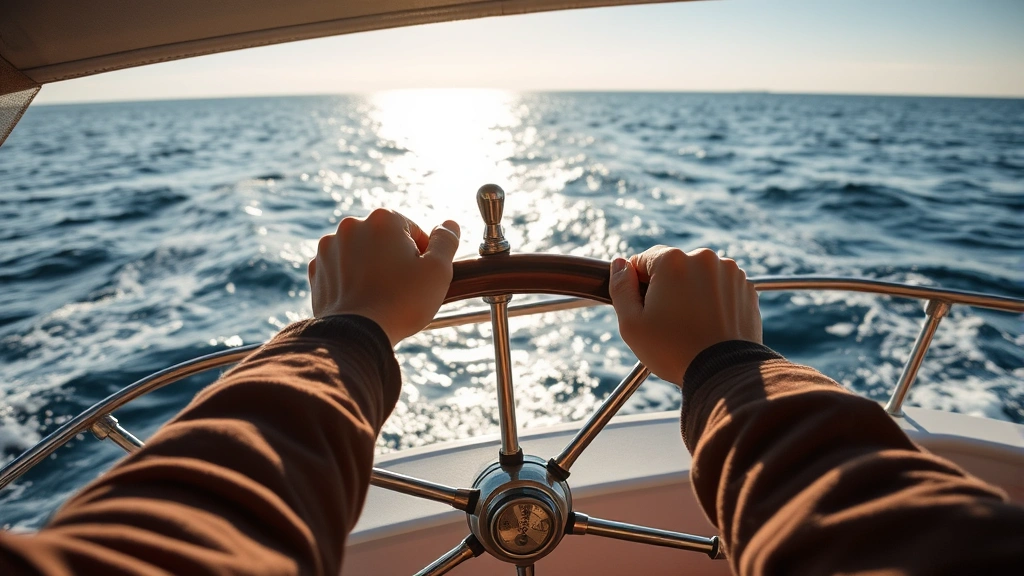
Anxiety thrives in spaces of uncertainty and lack of control. Your anxious mind creates worst-case scenarios and loops endlessly through “what-ifs.” Boating addresses anxiety through a surprisingly effective mechanism: it gives your mind something concrete to focus on while simultaneously removing the triggers that fuel anxious thoughts.
When you’re navigating a boat, your attention naturally narrows to the present moment. You can’t simultaneously worry about a work email and watch for navigational hazards. Your brain doesn’t have the bandwidth for both. This forced present-moment focus isn’t meditation in the traditional sense, but it produces similar neurological effects. The constant, gentle engagement of your attention creates what psychologists call “flow”—a state where anxiety literally cannot exist.
For those struggling with generalized anxiety, boating offers additional benefits. The visual expansiveness of open water counteracts the psychological constriction that anxiety creates. When you’re anxious, your mental and emotional space feels cramped and suffocating. Open water provides an antidote: literal and metaphorical space to breathe.
Reading anxiety mental health quotes might provide momentary comfort, but boating offers something deeper—a lived experience of calm that rewires your nervous system’s baseline. The more regularly you boat, the more your body remembers what relaxation actually feels like, making it easier to access that state even when you’re back on land.
Research from Psychology Today on anxiety management emphasizes the importance of behavioral interventions that interrupt anxiety cycles. Boating functions as exactly this kind of intervention.
Mindfulness and Present-Moment Awareness
Mindfulness has become something of a buzzword, often stripped of its genuine power and packaged as just another productivity hack. But on a boat, mindfulness isn’t a practice you have to force yourself to do—it’s what naturally emerges when you’re genuinely engaged with your environment.
The sensory richness of boating creates an ideal container for present-moment awareness. You notice the temperature of the air, the sound of water against the hull, the visual shift in light across the water’s surface, the smell of salt or fresh water depending on where you are. Your five senses become fully engaged, which is the antithesis of the dissociative, distracted state that characterizes modern life.
This multisensory engagement activates different neural pathways than sitting in a meditation room trying to focus on your breath. Both are valuable, but boating offers the advantage of being inherently engaging rather than requiring willpower. Your mind doesn’t wander because there’s genuinely interesting information to process.
Over time, regular boating trains your brain to access this present-focused state more easily. You’re essentially building a habit of mindfulness that extends beyond the water. The neuroplasticity research of Harvard’s neuroscience research on brain plasticity shows that repeated experiences literally reshape neural pathways. Boating regularly rewires your brain toward greater presence.

Social Connection and Community
Mental health isn’t purely an individual concern. Loneliness and social isolation are now recognized as health risks comparable to smoking. Boating naturally facilitates social connection without the awkwardness of forced socializing.
You can boat solo, certainly, but the activity also creates natural opportunities for meaningful connection. Whether you’re boating with family, friends, or joining a sailing club, the shared experience of being on the water creates a unique bonding environment. There’s something about facing the elements together, working toward a common goal, and enjoying nature as a group that deepens relationships.
The conversation that happens on a boat is different from everyday chat. Without the usual distractions—phones often have no signal, the environment demands some attention—people tend to engage more authentically. Meaningful conversation is itself a mental health intervention, reducing feelings of isolation and increasing sense of belonging.
For those working on building better habits, joining a boating community can provide accountability and motivation. This connects to principles discussed in atomic habits review about how environment shapes behavior. Surrounding yourself with people who value boating and outdoor activity makes these healthy behaviors more sustainable.
Additionally, boating communities often span different age groups and backgrounds, exposing you to diverse perspectives and experiences. This kind of social diversity is associated with greater resilience and psychological flexibility.
Cognitive Benefits and Mental Clarity
Beyond emotional regulation, boating offers genuine cognitive benefits. Your brain functions differently when you’re on the water, and not just in the moment—the effects extend into your regular life.
The problem-solving capacity of your brain improves with regular exposure to natural environments. Studies on attention restoration theory show that nature breaks—and water environments in particular—replenish your capacity for focused attention. If you’ve noticed that your thinking becomes muddled after extended work periods, boating offers a reset button.
The gentle cognitive engagement of boating—navigating, reading water conditions, making decisions about direction and speed—activates your brain in productive ways without the stress response that work-related problem-solving triggers. It’s cognitive engagement without cognitive overload.
Many people report that their best ideas emerge during or after boating. This isn’t accidental. When your nervous system is calm and your mind is gently engaged with your environment, your brain enters an optimal state for creative thinking. The default mode network we mentioned earlier isn’t just for emotional processing; it’s also where creative insights emerge.
This mental clarity often persists for days after a boating session, making it a valuable component of any self-improvement regimen. Unlike other activities that provide temporary escape, boating seems to produce lasting improvements in cognitive function.
The Physical-Mental Health Connection
Mental health doesn’t exist in isolation from physical health. Boating engages your body in ways that directly support mental well-being.
The physical activity involved in boating—whether it’s the active work of sailing or the gentler motion of being on a motorboat—provides exercise benefits without feeling like exercise. Your body gets movement, fresh air, and vitamin D exposure, all of which are foundational to mental health. The research is clear: physical activity and mental health research shows that even moderate movement significantly improves mood and reduces depression and anxiety symptoms.
The exposure to natural light while boating regulates your circadian rhythm and boosts serotonin production. This is particularly valuable if you live in a climate with limited sunlight during certain seasons. Regular boating can help prevent seasonal affective disorder and maintain consistent mood.
Interestingly, the vestibular system (your balance and spatial orientation system) benefits from boating’s motion. This system is deeply connected to emotional regulation. The gentle, rhythmic movement of waves actually helps calibrate your vestibular system, which has downstream effects on your emotional state.
If you’re exploring other therapeutic modalities, you might consider how acupuncture for mental health works alongside other interventions. Similarly, boating works synergistically with other wellness practices to create comprehensive mental health support.
Getting Started With Boating
If you’re convinced of boating’s benefits but unsure how to begin, here’s a practical approach:
- Start with rentals or tours: You don’t need to own a boat. Many areas offer boat rentals, guided tours, or sailing lessons. This lets you explore whether boating resonates with you without significant investment.
- Take lessons: If sailing interests you, formal lessons provide both skill-building and community. Local sailing schools and clubs are excellent entry points.
- Go with experienced friends: If someone in your circle boats, ask to join them. Learning from experienced boaters reduces anxiety about doing it wrong.
- Start small: You don’t need to take a week-long sailing adventure. Even a few hours on the water provides mental health benefits. Regular short sessions are more sustainable than infrequent epic trips.
- Choose your water: Whether it’s ocean, lake, or river, different water environments offer different experiences. Experiment to find what resonates with you.
- Make it a habit: Like any wellness practice, boating’s benefits compound with consistency. Even monthly boating sessions create meaningful improvements in mental health.
For those interested in broader lifestyle design, exploring art about mental health can provide additional perspective on how different modalities support psychological well-being. Boating can be part of a multifaceted approach to mental health.
Consider also that boating doesn’t require perfection or performance. You’re not trying to become an expert sailor (unless that appeals to you). You’re simply seeking the mental health benefits that come from being on the water. This removes pressure and allows you to enjoy the experience authentically.
If you’re concerned about cost, remember that many communities have community boating programs that provide affordable access. Some offer scholarships or sliding-scale pricing. The investment in your mental health is worth exploring creative access options.
Frequently Asked Questions
Do I need to know how to swim to enjoy boating’s mental health benefits?
While swimming ability can reduce anxiety for some people, it’s not required. Modern boating safety equipment (life jackets) means non-swimmers can safely enjoy boating. Many people find that boating actually helps them feel more comfortable around water over time.
How often do I need to boat to see mental health improvements?
Research suggests that even monthly boating sessions provide measurable benefits. However, more frequent exposure—weekly or bi-weekly—tends to produce more substantial and lasting improvements. Like any wellness practice, consistency matters more than intensity.
Is boating suitable for people with severe anxiety or depression?
Boating can be genuinely helpful as part of a comprehensive mental health approach, but it shouldn’t replace professional treatment for severe mental health conditions. Discuss boating with your mental health provider to determine if it’s appropriate for your situation. Many therapists now recommend nature-based activities as complementary to traditional therapy.
What if I get seasick?
Seasickness is real but manageable. Starting with calm water conditions, taking medication if needed, and gradually building tolerance often helps. Many people find that their seasickness decreases significantly with regular boating as their body adapts.
Can I get mental health benefits from boating if I live inland?
Absolutely. Lakes and rivers provide the same mental health benefits as ocean boating. The key is being on the water in a natural setting, not the specific type of water. Inland boating communities are often quite welcoming to newcomers.
Is there research supporting boating for mental health?
Yes. Research on blue space therapy, nature-based interventions, and water-based activities consistently shows mental health benefits. Research on blue space and mental health demonstrates measurable improvements in stress, anxiety, and overall psychological well-being.
What’s the difference between passive boating (being a passenger) and active boating (sailing)?
Both provide mental health benefits, though they work through slightly different mechanisms. Passive boating offers stress reduction and sensory engagement. Active boating adds the cognitive and physical engagement of navigation and control. Choose based on your preferences and physical capabilities—the best boating is the kind you’ll actually do.


