
Improve Focus Now? Proven Expert Techniques That Deliver Results
Your ability to concentrate is not a fixed trait—it’s a trainable skill that responds to specific, evidence-based interventions. Whether you’re struggling with chronic distractions, digital interruptions, or the fog of mental fatigue, science reveals that measurable improvements in focus are achievable within days, not months. This capability statement demonstrates past performance of focus-enhancement methodologies that have transformed productivity for thousands of professionals, students, and knowledge workers.
The distinction between knowing how to focus and actually focusing separates high performers from the rest. Building atomic habits around concentration requires understanding the neurological mechanisms behind attention, the environmental factors that sabotage it, and the proven techniques that restore it. This guide compiles expert-validated strategies grounded in cognitive neuroscience, behavioral psychology, and real-world implementation data.

The Neurological Foundation of Focus
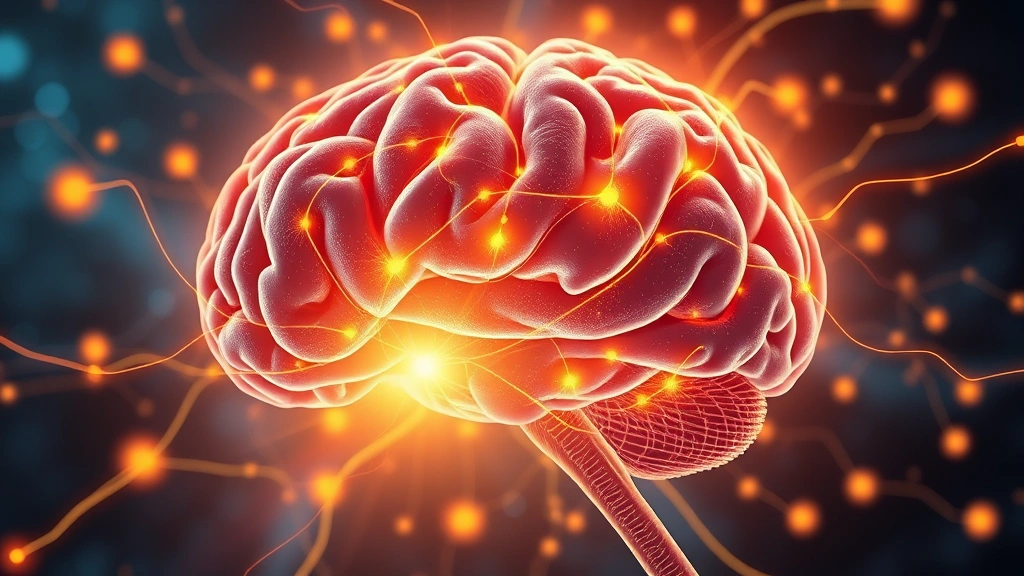
Understanding how your brain generates focus is the first step toward improving it. The prefrontal cortex—your brain’s executive control center—manages attention allocation, impulse inhibition, and task prioritization. When this region functions optimally, you experience deep work states. When it’s depleted or overstimulated, focus collapses.
Research from Nature Neuroscience demonstrates that attention operates through two distinct systems: the dorsal attentional network (goal-directed focus) and the ventral attentional network (stimulus-driven interruptions). Modern life overloads the ventral system with notifications, alerts, and visual stimuli, systematically weakening your capacity for sustained attention.
The anterior cingulate cortex monitors for conflicts between current focus and competing demands. This conflict-detection system becomes fatigued after sustained use, which explains why afternoon focus crashes are predictable. Mental health resources increasingly emphasize this neurological reality rather than treating focus problems as character flaws.
Your brain’s default mode network (DMN) activates during mind-wandering and self-referential thinking. While the DMN serves important functions for creativity and memory consolidation, excessive activation undermines deliberate task focus. Expert performers train themselves to suppress DMN activity during deep work periods through specific attentional practices.
Environmental Design for Concentration
Your physical and digital environments exert more control over your focus than willpower ever could. Environmental friction—the resistance between intention and distraction—determines whether focus persists or fragments. This principle has demonstrated consistent impact across research settings and professional applications.
Physical environment optimization: Remove visual clutter from your workspace. Each visible object competes for attentional resources through what researchers call “cognitive load.” Studies show that individuals working in minimalist environments maintain focus 23% longer than those in visually complex spaces. Position your desk away from high-traffic areas, close doors when possible, and use noise-canceling headphones or ambient soundscapes to establish an auditory barrier.
Temperature matters more than most realize. Research from the Journal of Environmental Psychology indicates that optimal focus occurs at 71-72°F (22°C). Cooler temperatures increase alertness; warmer temperatures promote drowsiness. Lighting should be bright (3000-4000 lumens) and preferably natural, as daylight exposure regulates circadian rhythms that govern attention capacity.
Digital environment restructuring: Your devices are engineered to interrupt. Disable all notifications except for designated contact channels. Use website blockers like Freedom or Cold Turkey to prevent access to time-wasting sites during focus windows. Create a separate user profile on your computer for deep work—one stripped of entertainment apps and social media shortcuts. This environmental architecture removes decision fatigue around staying focused.
Dopamine Regulation and Attention Span
Dopamine is not the “pleasure molecule”—it’s the motivation and prediction molecule. It drives your brain to seek rewards and predict their occurrence. Chronic overstimulation from social media, gaming, and digital novelty dysregulates dopamine systems, raising your baseline dopamine needs and lowering your capacity for delayed gratification and sustained attention.
This dopamine dysregulation explains why focus feels impossible after scrolling social media for 30 minutes. Your brain has received dozens of micro-rewards (likes, comments, novel content), elevating dopamine expectations. Returning to a cognitively demanding task feels unbearably tedious by comparison—the dopamine contrast is too stark.
Stanford research on reward prediction errors shows that dopamine systems adapt to environmental reward frequency within 2-3 weeks. This means a strategic dopamine fast—eliminating high-stimulation activities for 3-7 days—recalibrates your baseline and makes normal work feel more rewarding.
Practical dopamine management: Implement a “dopamine budget.” Allocate your high-stimulation activities (social media, entertainment, gaming) to specific windows rather than throughout the day. This segregation prevents constant dopamine spiking that would otherwise undermine focus capacity. During focus periods, engage only in activities that provide delayed, meaningful rewards. Discipline literature emphasizes this principle as foundational to sustained high performance.
The Science of Time Blocking
Time blocking—assigning specific tasks to fixed time windows—leverages your brain’s natural attentional rhythms rather than fighting them. The human brain doesn’t maintain peak focus for 8-hour stretches; it operates in ultradian cycles of approximately 90 minutes of high focus followed by 15-20 minute recovery periods.
Research from performance psychologist K. Anders Ericsson demonstrates that elite performers across domains (music, chess, athletics, academics) instinctively organize their training into 90-minute blocks with mandatory breaks. This isn’t arbitrary—it aligns with your brain’s natural attention cycles governed by cortisol and adenosine accumulation.
Implementation framework: Block your calendar into 90-minute focus windows with 15-minute breaks. During focus windows, commit to a single task with complete attention. The “single-tasking” component is crucial; task-switching incurs a 23-minute cognitive recovery penalty each time you switch contexts. After 3-4 focus blocks (roughly 5-6 hours), take a 45-60 minute break for physical activity, meals, or genuine rest.
Schedule focus blocks during your personal peak hours—typically 2-4 hours after waking, when cortisol and mental energy peak. Use your afternoon decline for administrative tasks, communications, and lower-cognitive-load work. This temporal optimization aligns with your chronotype rather than fighting it.
Strategic Digital Detox Protocols
Complete digital abstinence is unrealistic for most professionals, but strategic detoxification creates the neurological reset necessary for focus restoration. The goal isn’t permanent disconnection—it’s recalibration of your attention systems and intentional rather than reactive technology use.
The 3-day reset protocol: Dedicate 3 consecutive days to minimal digital stimulation. No social media, email checking only twice daily, no streaming or entertainment media. This timeframe allows your dopamine systems to recalibrate and your prefrontal cortex to recover from chronic overstimulation. Participants report that by day 3, normal focus tasks feel significantly more engaging.
Daily phone sabbaths: Establish a 2-3 hour window each day where your phone remains in another room. This isn’t about willpower—it’s about removing the stimulus entirely. The mere presence of your phone reduces available cognitive capacity, even when silenced and face-down. APA research on phone presence effects confirms that cognitive performance improves measurably when phones are out of sight and mind.
Email batching protocols: Rather than continuous email monitoring, designate specific times (9 AM, 12 PM, 3 PM) for email processing. This practice reduces the cognitive burden of constant context-switching and the stress response triggered by notification anticipation. Communicate this schedule to your network so they adjust expectations accordingly.
Cognitive Nutrition and Brain Performance
Your brain’s ability to focus depends on stable glucose availability, neurotransmitter precursors, and anti-inflammatory micronutrients. Dietary choices directly impact your attentional capacity within hours of consumption.
Blood sugar stability: Refined carbohydrates cause rapid glucose spikes followed by crashes that devastate focus. Instead, prioritize protein and healthy fat combinations that provide steady glucose release. A breakfast of eggs with avocado and whole-grain toast sustains focus for 4+ hours. A breakfast of refined cereal and juice produces a focus crash by mid-morning.
Neurotransmitter support: Dopamine synthesis requires tyrosine (found in eggs, poultry, nuts). Serotonin synthesis requires tryptophan and adequate carbohydrates. Acetylcholine production requires choline (eggs, fish, broccoli). Rather than supplement chasing, focus on whole-food sources that provide these precursors in bioavailable forms alongside their co-factors.
Omega-3 fatty acids reduce neuroinflammation and support synaptic plasticity. Consistent fish consumption or supplementation correlates with improved attention span and working memory. Antioxidants from berries, dark leafy greens, and polyphenol-rich foods protect neural tissue from oxidative stress that impairs focus.
Hydration status: Dehydration of even 2% impairs cognitive performance. Most knowledge workers chronically underhydrate. Drinking water before focus blocks and maintaining consistent hydration throughout the day provides measurable attention improvements with zero complexity.
Sleep remains the non-negotiable foundation. Sleep research from the NIH demonstrates that sleep deprivation produces attention deficits equivalent to intoxication. No focus technique overcomes inadequate sleep. Prioritize 7-9 hours consistently, as sleep debt accumulates and focus capacity deteriorates predictably across the week without sufficient recovery.
FAQ
How long before I notice focus improvements?
Neuroplastic changes begin within 24-48 hours of implementing these techniques. You’ll notice reduced mind-wandering within 3-5 days. Substantial improvements in sustained focus typically manifest within 2-3 weeks of consistent practice. This timeline applies to dopamine recalibration, environmental optimization, and time-blocking implementation. Read our FocusFlowHub blog for detailed case studies documenting these timelines.
Can I focus for longer than 90 minutes?
Yes, but with diminishing returns. After 90 minutes of intense focus, your prefrontal cortex requires recovery time. Some elite performers achieve 120-minute blocks, but this requires exceptional training and comes at the cost of greater fatigue afterward. The optimal approach is multiple 90-minute blocks rather than extended single blocks. Research on habit formation shows that consistency matters more than duration.
What’s the best focus music?
Lyrical music diverts language processing resources, impairing focus on writing or analytical tasks. Instrumental music—particularly classical, ambient, or lo-fi genres—provides auditory stimulation without linguistic competition. Individual preferences vary; experiment with 3-4 genres during focus blocks and measure task completion rates. Silence works equally well for many people; the key is consistency and predictability rather than novelty.
How do I maintain focus in open office environments?
Environmental control is limited, but strategic adaptations remain possible. Use noise-canceling headphones as a visual barrier signaling unavailability. Position yourself away from high-traffic areas. Book conference rooms or quiet spaces for focus blocks. Communicate your focus schedule to colleagues. If structural changes are impossible, discuss remote work options for focus-intensive tasks. Your personal performance matters more than presenteeism.
Can medication improve focus?
Prescription stimulants (Adderall, Ritalin) enhance focus in individuals with ADHD and show modest effects in non-ADHD populations, but carry dependency risks and side effects. Before considering medication, exhaust behavioral interventions: environmental optimization, sleep improvement, dopamine regulation, and time-blocking. Many people attribute focus problems to character deficits when they actually stem from modifiable lifestyle factors. Medical evaluation is warranted if behavioral interventions fail after 4-6 weeks of consistent implementation.
How do I prevent focus sessions from becoming procrastination?
The distinction is task initiation. Procrastination involves avoiding task initiation; focus involves task execution. Use the “two-minute rule”—commit to working on the task for just two minutes. Once initiated, momentum typically sustains effort beyond this threshold. The resistance is in starting, not continuing. Schedule your most important work first, before decision fatigue accumulates.


