
Boost Focus with Nature? Columbia County Mental Health Insights
Columbia County, New York, offers a unique intersection of natural beauty and mental wellness that many residents haven’t fully leveraged for cognitive enhancement. The region’s abundant forests, waterways, and open spaces provide more than aesthetic appeal—they represent a scientifically-backed pathway to improved focus, concentration, and overall mental health. Understanding how nature exposure directly impacts your ability to concentrate can transform both your work performance and quality of life.
The relationship between natural environments and cognitive function has become increasingly clear through rigorous neuroscience research. When Columbia County residents step away from screens and into nature, measurable changes occur in brain activity, stress hormone levels, and attention capacity. This comprehensive guide explores the science behind nature-based focus enhancement and provides actionable strategies tailored to what Columbia County’s landscape uniquely offers.
The Neuroscience of Nature and Focus
Your brain operates through distinct neural networks that either support focused attention or promote mind-wandering. When you’re struggling with concentration, your default mode network—responsible for self-referential thinking and distraction—becomes overactive. Research from the Proceedings of the National Academy of Sciences demonstrates that nature exposure significantly reduces activity in brain regions associated with rumination and anxiety, directly enhancing your capacity for sustained attention.
The prefrontal cortex, your brain’s executive control center responsible for decision-making and focus maintenance, requires substantial metabolic resources. Urban environments demand constant vigilance and directed attention, depleting these resources rapidly. In contrast, natural settings engage what researchers call “soft fascination”—a gentle form of attention that allows your directed attention systems to recover. This recovery period is essential for restoring focus capacity.
Cortisol, your primary stress hormone, directly impairs prefrontal cortex function. Studies show that even brief nature exposure—as little as 20 minutes—significantly reduces cortisol levels. For Columbia County residents dealing with the cognitive demands of modern work, this physiological shift represents a powerful tool for reclaiming mental clarity and concentration ability.
The visual complexity of natural environments also matters significantly. Unlike artificial settings with repetitive patterns, forests and natural landscapes contain fractal patterns that your visual system processes efficiently without fatigue. This allows sustained attention without the mental strain associated with built environments.
Columbia County’s Natural Resources for Mental Wellness
Columbia County offers exceptional natural resources that directly support cognitive restoration and focus enhancement. The Hudson Valley’s distinctive geography provides diverse ecosystems, from riverside trails to forested highlands, each offering unique neurological benefits. Understanding what your local region provides helps you strategically plan nature-based focus interventions.
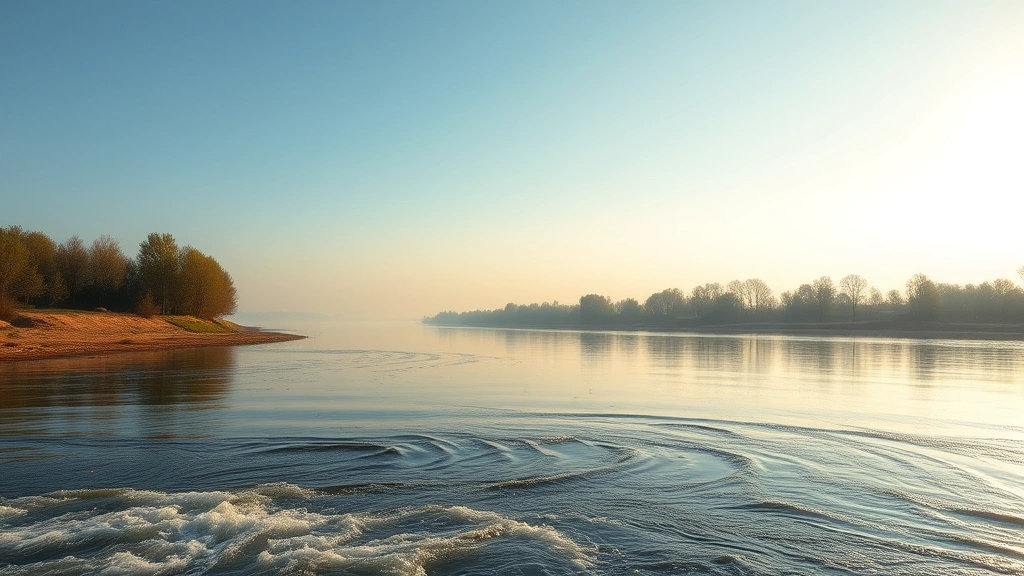
The Hudson River waterfront provides consistent access to moving water, which research indicates particularly activates restoration processes. The sound of flowing water engages attention naturally without requiring directed focus, allowing your brain’s executive systems to rest. Riverside walks in communities like Tivoli and Germantown offer this benefit within minutes of residential areas.
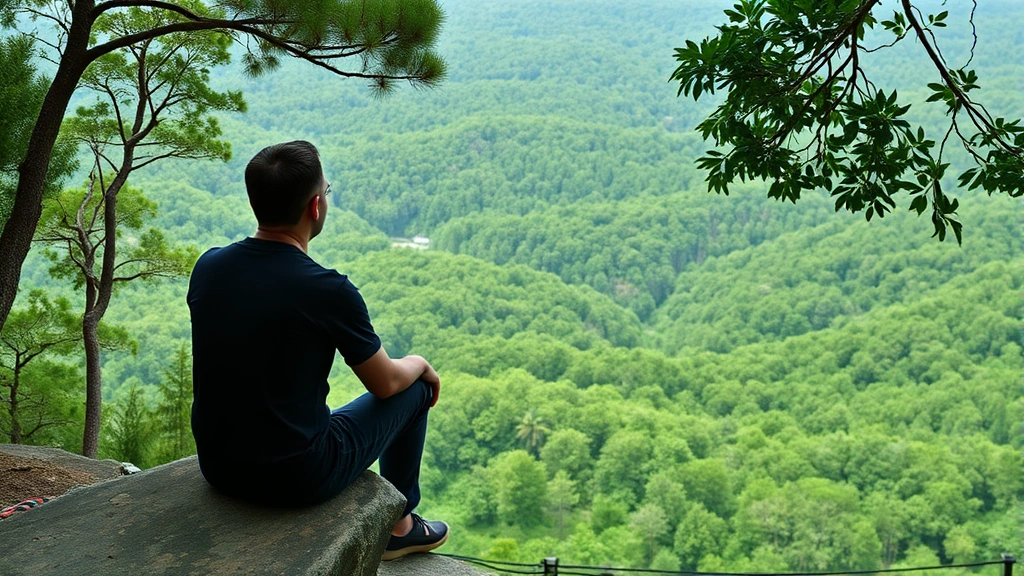
The Catskill Mountains’ foothills in western Columbia County provide dense forest environments optimal for attention restoration. Studies from the American Psychological Association show that forest environments produce stronger cognitive restoration than open landscapes, making Columbia County’s wooded areas particularly valuable for focus recovery.
Local parks including Olana State Historic Site and Taconic-Houghton State Park provide structured access to curated natural environments. These spaces combine the cognitive benefits of nature with the accessibility of maintained trails, making them practical for regular integration into focus-enhancement routines.
The region’s agricultural landscape also contributes unique benefits. Research on green space exposure shows that agricultural areas with visible growth cycles provide psychological restoration distinct from wild or manicured landscapes. Columbia County’s remaining farmland offers this particular advantage.
Attention Restoration Theory Explained
Attention Restoration Theory (ART), developed by environmental psychologists Rachel and Stephen Kaplan, provides the theoretical framework explaining why nature enhances focus. The theory identifies four essential components present in restorative environments: fascination, being away, extent, and compatibility.
Fascination refers to elements that capture attention effortlessly. In natural settings, this includes wildlife movement, water flow, and light patterns. Unlike artificial fascination (advertising, notifications), natural fascination allows your directed attention systems to rest while maintaining engagement. Columbia County’s diverse wildlife—including deer, birds, and aquatic species—provides abundant natural fascination.
Being away describes psychological distance from attention-demanding environments. This doesn’t necessarily mean physical distance; rather, it’s the sense of entering a different cognitive space. Even small natural areas within Columbia County provide sufficient psychological distance when you approach them with intention, creating mental separation from work-related stressors.
Extent refers to the sense of immersion in a coherent environment. This is why a 20-minute walk through a continuous forest provides greater restoration than brief views of nature. Columbia County’s connected trail systems allow extended immersion experiences essential for deep cognitive restoration.
Compatibility describes alignment between environmental affordances and personal preferences. Your restoration experience intensifies when the environment matches your interests—whether that’s botanical observation, bird watching, or water activities. Columbia County’s varied landscapes accommodate diverse compatibility preferences.
Research demonstrates that these four components work synergistically to restore depleted attention capacity. When all four are present, even brief exposures produce measurable cognitive improvements. This explains why integrating Columbia County nature strategically into your routine produces consistent focus enhancement.
Understanding the science of nature-based focus helps you approach this practice intentionally rather than casually. Rather than assuming any outdoor time helps equally, you can select Columbia County locations and practices optimized for your specific attention restoration needs.
Practical Nature-Based Focus Strategies
Translating neuroscience into actionable strategies requires matching Columbia County’s resources with evidence-based practices. The following approaches integrate local assets with cognitive science principles.
Micro-restoration breaks: Rather than waiting for weekends, implement 15-20 minute nature breaks during your workday. Research shows this timing optimally restores attention capacity. For Columbia County residents, identify natural spaces within 10-15 minutes of your workspace—a nearby park, waterfront area, or green corridor. These micro-breaks prevent attention depletion before it becomes severe, maintaining consistent focus throughout your day.
Immersive forest bathing: The Japanese practice of shinrin-yoku, or forest bathing, involves mindful immersion in forest environments. Rather than exercise-focused hiking, this practice emphasizes sensory engagement. Columbia County’s state parks and preserved forests provide ideal settings. Spend 40-60 minutes engaging all senses: observe light patterns through canopy, listen to bird calls and wind sounds, feel bark texture, notice seasonal changes. This practice produces sustained attention improvements lasting several hours post-exposure.
Nature-based attention training: Combine nature exposure with deliberate attention practice. During nature time, focus on observing specific patterns—bird species identification, plant growth stages, water current variations. This engages your attention systems in restorative contexts, simultaneously resting and training your focus capacity. The natural interest generated by observation prevents the cognitive strain of forced concentration.
Transition rituals: Before focused work sessions, spend 10 minutes in a natural space or viewing nature imagery. This primes your attention systems for sustained focus. Columbia County residents can establish morning routines incorporating waterfront or garden time before work begins, creating consistent cognitive priming.
Environmental design: Incorporate Columbia County natural elements into your workspace. Live plants, nature imagery, and even nature sounds provide measurable attention benefits. Research from Frontiers in Psychology shows that even indirect nature exposure—photographs, plants, or water sounds—produces significant focus enhancement, particularly for those unable to access nature frequently.
Local Mental Health Support in Columbia County
While nature provides powerful cognitive benefits, comprehensive mental health support often requires professional guidance. Columbia County offers various mental health resources supporting both focus enhancement and broader wellness needs. Understanding available support complements nature-based strategies.
The Substance Abuse and Mental Health Services Administration (SAMHSA) provides resources for locating licensed mental health professionals in Columbia County. These professionals can assess whether attention difficulties stem from diagnosable conditions like ADHD, anxiety, or depression, ensuring appropriate intervention.
Exploring clinical mental health counseling programs helps you understand the professional landscape and what credentials indicate quality training. Many Columbia County mental health providers hold advanced degrees combining neuroscience understanding with therapeutic skill.
For those interested in deepening mental health knowledge, reviewing best mental health books provides research-backed insights into focus, attention, and cognitive wellness. Books addressing neuroscience of attention and environmental psychology offer valuable context for understanding nature-based interventions.
The best podcasts for mental health offer accessible explorations of focus science and nature-based interventions from leading researchers and practitioners. Regular engagement with these resources builds understanding supporting your nature-based practice.
Integrating Nature into Your Daily Routine
Sustainable focus enhancement requires integrating nature into regular routines rather than treating it as occasional activity. This section provides practical implementation strategies specific to Columbia County’s geography and seasons.
Seasonal planning: Columbia County’s distinct seasons offer varied restoration opportunities. Spring brings active growth and bird migration, engaging natural fascination strongly. Summer provides extended daylight for longer immersion experiences. Fall offers visual complexity and seasonal transition observation. Winter’s reduced vegetation highlights landscape structure and water features. Plan nature exposure strategically across seasons, leveraging each season’s particular restoration strengths.
Route development: Identify 3-4 nature routes of varying lengths within your regular travel patterns. A 15-minute micro-restoration route near work, a 45-minute lunch-break route, and a weekend immersion route creates flexibility for consistent engagement. Columbia County’s trail systems and waterfront areas allow development of personalized routes matching your preferences and accessibility needs.
Social integration: Group nature activities provide dual benefits—cognitive restoration plus social connection, which independently supports mental health. Establish regular nature walks with colleagues, friends, or family. Columbia County’s hiking communities and nature groups provide structured opportunities for social nature engagement.
Technology boundary setting: Nature’s cognitive benefits depend on reducing directed attention demands. Establish phone-free nature time, at least for micro-restoration breaks and immersion experiences. This removes the competing attention demands that undermine restoration. Even one notification significantly reduces cognitive benefits of nature exposure.
Measurement and adjustment: Track your focus quality and mental clarity relative to nature exposure frequency. Most people notice measurable improvements within 2-3 weeks of consistent practice. If specific locations or practices don’t produce expected benefits, adjust your approach based on personal response. Individual variation in restoration effectiveness is normal; your role is identifying what works for your particular neurobiology.
Weather adaptation: Columbia County experiences significant weather variation. Rather than abandoning nature practice during challenging weather, adapt your approach. Light rain provides unique sensory engagement; winter’s bare landscape offers different visual complexity; overcast days reduce glare while maintaining natural light exposure. Consistent practice across seasons builds resilience and prevents weather-dependent attention fluctuations.
Implementing these strategies requires initial planning but quickly becomes habitual. Most people report that regular nature-based focus practice becomes self-reinforcing—improved concentration makes work more satisfying, increasing motivation for continued practice. This positive feedback loop sustains long-term engagement.
FAQ
How quickly does nature exposure improve focus?
Research shows measurable attention improvements within 20 minutes of nature exposure, with effects lasting 2-4 hours. Consistent practice over 2-3 weeks produces more sustained baseline improvements in overall focus capacity. Individual variation exists; some people experience immediate effects while others require longer exposure periods.
What if I don’t have much time for nature exposure?
Even 15-minute micro-breaks produce significant cognitive benefits. For Columbia County residents, identify nature spaces within 10-15 minutes of your location. Brief regular exposure outperforms occasional lengthy experiences in supporting sustained focus capacity. Research shows that consistency matters more than duration for optimal attention restoration.
Can indoor plants or nature imagery provide similar benefits?
Indirect nature exposure—plants, photographs, and nature sounds—produces measurable focus improvements, though typically less pronounced than direct nature immersion. For those with significant accessibility limitations, these approaches offer valuable supplemental benefits. However, direct nature exposure produces superior cognitive restoration and should be prioritized when possible.
Does the type of nature matter for focus enhancement?
Research indicates that forest environments produce stronger attention restoration than open landscapes or urban parks, though all natural environments provide benefits. Columbia County’s forested areas offer optimal restoration potential. However, individual preferences matter; you’ll experience greater benefits engaging with landscapes you genuinely enjoy, whether waterfront, meadow, or forest.
How does nature exposure relate to diagnosed attention disorders?
Nature-based focus strategies complement but don’t replace professional treatment for ADHD, anxiety, or other attention-affecting conditions. If you suspect a diagnosable condition, professional evaluation is essential. Nature exposure can enhance treatment effectiveness and reduce symptom severity, but shouldn’t substitute for appropriate medical care.
What if I live in an urban part of Columbia County with limited nature access?
Even small parks, street trees, and water features provide restoration benefits. Additionally, intentional nature-based environmental design—plants in your workspace, nature imagery, water features—produces measurable improvements. Prioritize accessing larger natural areas during weekends while using available urban nature for weekday restoration.


