Anxiety and Mental Health: Meaningful Tattoo Ideas That Tell Your Story
Getting a tattoo is deeply personal. When that tattoo represents your mental health journey—particularly your relationship with anxiety—it becomes something far more significant than body art. It’s a permanent declaration of resilience, a visual reminder that you’ve faced darkness and chosen to transform it into something beautiful. Whether you’re considering your first ink or adding to an existing collection, selecting an anxiety and mental health tattoo requires thoughtfulness, intention, and an understanding of what truly resonates with your experience.
Tattoos have long served as powerful symbols across cultures, marking milestones, commitments, and personal transformations. In recent years, there’s been a meaningful shift toward using tattoos as vehicles for mental health awareness and personal recovery narratives. These aren’t just aesthetic choices—they’re acts of courage that help destigmatize conversations around anxiety, depression, and emotional wellness. When you wear your mental health journey on your skin, you’re silently telling the world that healing is possible, that struggle is human, and that your story matters.
This guide explores the most meaningful anxiety and mental health tattoo ideas, from symbolic designs to deeply personal representations. We’ll help you navigate the creative process, understand what makes certain designs resonate, and ensure your tattoo becomes a source of strength rather than regret.
Symbolic Designs for Anxiety Relief
Symbolic tattoos offer a universal language that transcends individual experience while remaining deeply personal. These designs carry centuries of meaning, making them powerful anchors for your mental health journey. The beauty of symbolic tattoos lies in their duality—they communicate your story to those who understand, while remaining aesthetically striking to everyone else.
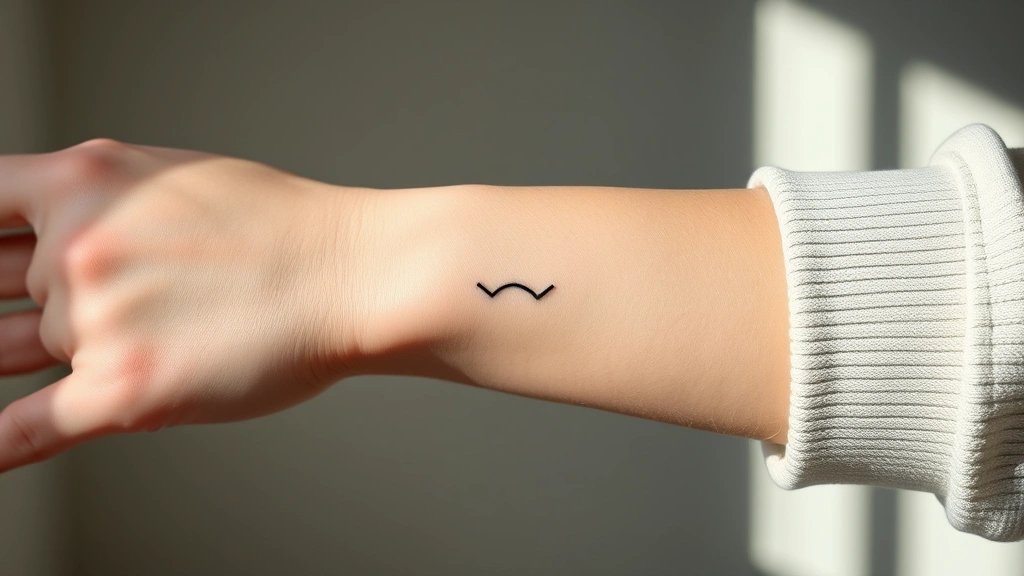
The semicolon tattoo has become synonymous with mental health awareness and suicide prevention. This punctuation mark represents a pause rather than an ending—your story continues. Many people choose the semicolon because it acknowledges that their life could have ended, but it didn’t. This simple yet profound symbol has created a community of people sharing their survival stories. Explore more about this and other powerful messages through anxiety mental health quotes that capture similar sentiments.
The phoenix represents rebirth and rising from ashes. If your anxiety journey involved hitting rock bottom before recovery, a phoenix might capture that transformative experience. Whether rendered realistically or abstractly, this mythical bird symbolizes the cyclical nature of struggle and triumph. Many people choose phoenix designs because they acknowledge that healing isn’t linear—you may fall and rise multiple times, and that’s not failure, that’s resilience.
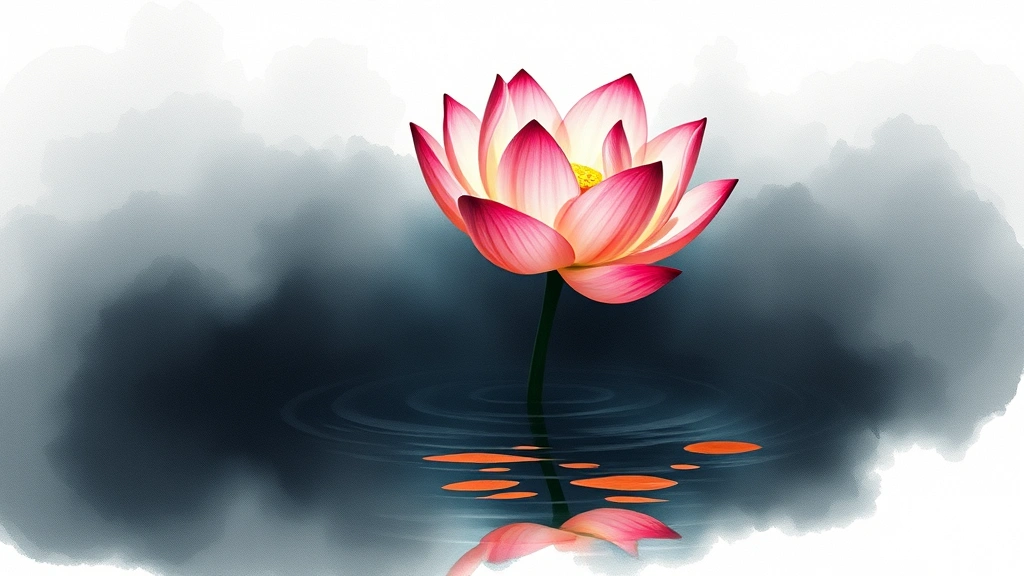
The lotus flower carries profound meaning across Eastern philosophies. It grows through murky water to bloom beautifully on the surface, making it a perfect metaphor for mental health struggles. The lotus doesn’t fight the mud; it uses it as nourishment. This design appeals to those who view their anxiety as part of their growth journey rather than something to be conquered.
The tree, particularly with exposed roots, represents grounding and stability. Trees weather storms, bend without breaking, and remain rooted despite external chaos. A tree tattoo can symbolize your commitment to staying grounded during anxious moments, maintaining your foundation even when life feels turbulent.
Personal Mantras and Words
Sometimes the most meaningful tattoo is one that speaks directly to your experience through carefully chosen words. Personal mantras function as permanent affirmations, providing daily reminders of your strength and values. When chosen thoughtfully, they become more than decorative text—they become your personal code.
Words like “breathe,” “enough,” “brave,” or “still here” resonate with people managing anxiety. These single-word tattoos work because they’re immediately actionable. When anxiety spikes, you can literally look at your wrist and remember to breathe. The word becomes an anchor during turbulent moments. Consider pairing your chosen word with elegant typography that reflects your personality—whether that’s minimalist sans-serif or flowing script.
Longer mantras work well for those seeking more context. Phrases like “this too shall pass,” “progress over perfection,” or “I am stronger than my anxiety” provide more comprehensive reminders. These require more space, making them suitable for larger placements like the ribcage, thigh, or back.
Many people incorporate words in other languages to honor cultural heritage or add layers of meaning. Sanskrit words like “Shanti” (peace) or Japanese terms like “Serenity” carry both aesthetic beauty and spiritual significance. This approach works particularly well if you’ve drawn strength from specific cultural or spiritual practices during your mental health journey.
Discover more powerful affirmations by exploring anxiety mental health self love tattoos that celebrate personal growth and self-acceptance.
Nature-Inspired Mental Health Tattoos
Nature provides endless metaphors for mental health journeys. Natural imagery resonates because it acknowledges that struggle and growth are universal—humans aren’t unique in facing challenges; we’re simply part of a larger ecosystem where seasons change and resilience is the norm.
The wave represents the ebb and flow of emotions. Anxiety isn’t constant; it comes in waves. By tattooing a wave, you’re acknowledging this reality and declaring that you understand your mental health isn’t static. Waves can be gentle or turbulent, but they always recede. This design pairs beautifully with ocean imagery, which symbolizes depth, mystery, and the unknown territories of the mind.
The moon has long represented cycles, change, and hidden depths. Unlike the sun, which is constant, the moon waxes and wanes—a perfect metaphor for mental health fluctuations. Moon tattoos appeal to people who recognize that good days and difficult days are both temporary states. Some choose to incorporate different moon phases, literally displaying the cycle of change on their skin.
Specific flowers and plants carry meaning beyond the lotus. Forget-me-nots symbolize remembrance and true love. Sunflowers represent loyalty, longevity, and following light even when facing darkness. Lavender connects to calm and healing. These botanical choices allow you to select a design that resonates with your specific mental health practice, whether that’s mindfulness, medication, therapy, or spiritual practice.
The anchor represents stability and grounding. Originally a nautical symbol, anchors have evolved to represent staying grounded during emotional storms. This design works particularly well for those who’ve found grounding techniques helpful in managing anxiety. Learn more about grounding practices through anchoring hope for mental health resources.

Abstract and Minimalist Approaches
Not everyone wants their mental health tattoo to be immediately recognizable. Abstract and minimalist designs offer sophistication and subtlety, creating personal meaning that only you fully understand. These designs have gained popularity because they’re conversation starters—people notice them but don’t immediately categorize them as “mental health tattoos,” allowing you to control when and how you share your story.
The line drawing approach uses continuous or broken lines to create abstract representations of the mind, waves, or personal symbols. A simple line forming a heart, brain, or mountain conveys meaning without explicit representation. This minimalist aesthetic appeals to those who prefer understated elegance and appreciate that their tattoo doesn’t need to shout to have impact.
Geometric patterns, particularly triangles or hexagons, can represent personal growth, structure, and balance. These mathematical forms appeal to analytical minds and create visually interesting designs that age well. Some people choose to gradually add to geometric designs over time, creating a growing visual narrative of their healing journey.
The dot or series of dots represents a single moment or multiple moments of clarity within darkness. Minimalist and powerful, this design works particularly well for people who’ve experienced breakthrough moments during their mental health treatment. Each dot can represent a significant date, a therapy session that changed everything, or simply the accumulation of small steps toward wellness.
Abstract color gradients or watercolor-style designs represent the blending of difficult and beautiful moments. Using color to show this transition creates visual poetry—your tattoo becomes a small artwork that celebrates complexity rather than trying to simplify mental health into a single symbol.
Self-Love and Affirmation Tattoos
Mental health recovery is deeply intertwined with self-compassion and self-love. Tattoos that celebrate these themes serve as permanent reminders that you deserve kindness, particularly from yourself. These designs move beyond acknowledging struggle to actively celebrating your worth.
The heart with imperfections—cracked, stitched, or asymmetrical—represents loving yourself despite flaws and past pain. Unlike traditional perfect hearts, these designs acknowledge that you’re beautifully broken, and that’s exactly as it should be. This approach resonates with people who’ve struggled with perfectionism and self-criticism fueled by anxiety.
Hands in various positions carry meaning: hands holding or protecting a heart represent self-care and protection of your emotional wellbeing. Hands in prayer or gratitude position acknowledge appreciation for your body and mind despite their challenges. Open hands symbolize releasing control and embracing acceptance.
Crown or halo imagery celebrates your inherent worth and sovereignty. Whether crown-adjacent designs or simple lines suggesting a halo, these tattoos serve as daily reminders that you’re royalty in your own life. This works beautifully for those whose anxiety stems from feeling unworthy or undeserving. Explore more about self-love through anxiety mental health self love tattoos that celebrate your journey.
The “I am” affirmation paired with personal characteristics you’re cultivating creates active self-love. Rather than passive reminders, these tattoos declare who you’re becoming. Phrases like “I am resilient,” “I am worthy,” or “I am enough” transform your skin into a personal billboard of affirmation.
Choosing the Right Tattoo Artist
Your tattoo is only as good as the artist who creates it. Selecting someone who understands the significance of mental health tattoos and respects your vision is crucial. This isn’t just about technical skill—it’s about finding someone who gets it.
Start by researching artists who specialize in the style you want. If you’re drawn to minimalist designs, find artists with strong portfolios in that area. If you want detailed symbolic work, seek artists experienced with that complexity. Look at their Instagram, website, and portfolio to ensure their aesthetic aligns with your vision.
Schedule consultations with multiple artists. During these conversations, share your mental health tattoo story and listen to how they respond. The right artist will ask thoughtful questions, offer suggestions respectfully, and demonstrate genuine interest in creating something meaningful. Red flags include artists who seem dismissive of the emotional significance or who push their vision over yours.
Ask about their experience with mental health tattoos specifically. Some artists have personal experience with anxiety, depression, or other mental health challenges and bring that understanding to their work. Others have developed expertise through creating meaningful work for clients. Either way, you want someone who approaches this with reverence rather than treating it as just another tattoo.
Discuss placement, size, and aftercare thoroughly. A good artist educates you about how different placements affect healing and longevity. They’ll explain how your design will age and look years from now. This conversation demonstrates that they care about your long-term satisfaction, not just the immediate transaction.
Placement and Size Considerations
Where you place your mental health tattoo affects both its visibility and its personal meaning. This decision is deeply individual and depends on whether you want your tattoo to be visible to others or primarily for yourself.
Highly visible placements like forearms, hands, neck, or behind the ear make a statement. These locations declare your mental health journey openly and can serve as conversation starters or quiet affirmations throughout your day. Many people choose visible placements because they want to normalize mental health discussions and signal to others that they’re open about their experiences.
Semi-visible placements like upper arms, shoulders, or calves offer flexibility. You can reveal or conceal your tattoo depending on clothing choices and your emotional needs on any given day. This works well for professional environments where you want agency over when you share your story.
Private placements like ribcage, inner thigh, or upper back keep your tattoo intimate. These locations work for people who want a personal reminder that’s just for them—something they see when getting ready or during quiet moments. There’s profound beauty in having a mental health affirmation that only you and close people see regularly.
Size matters for both aesthetic and practical reasons. Tiny designs can be elegant but may become illegible as they age. Overly large designs might feel overwhelming or difficult to place. Work with your artist to find the right scale—generally, designs that are at least 2-3 inches work best for longevity and visual impact, though this varies by style and placement.
Tattoo Aftercare and Longevity
Your mental health tattoo deserves proper care to remain a source of pride rather than regret. Good aftercare ensures your design stays vibrant and meaningful for decades.
In the first two weeks, your tattoo is an open wound. Keep it clean with unscented soap and water, pat dry gently, and apply fragrance-free moisturizer. Avoid swimming, saunas, and excessive sun exposure. Wear loose clothing over the tattoo to prevent friction. Your artist will provide specific instructions—follow them precisely.
Long-term care involves sun protection. UV rays fade tattoos significantly over time. Use SPF 30+ sunscreen on your tattoo year-round, and consider protective clothing when you’ll be in the sun for extended periods. This simple habit keeps your design vibrant for life.
Stay hydrated and maintain overall skin health. Well-hydrated skin holds tattoo ink better and looks more vibrant. General skincare practices benefit your tattoo as much as your overall wellness.
If your tattoo fades over time—and all tattoos fade somewhat—touch-ups can refresh it. Many artists offer discounted touch-ups within a certain timeframe. Plan for potential touch-ups as part of your long-term commitment to your tattoo.
Remember that your tattoo will change as you age and your body changes. This is normal and part of your ongoing story. Some people find that their tattoos look even more meaningful as they age, becoming part of their personal history rather than a static symbol.
Frequently Asked Questions
How do I know if I’m ready for an anxiety mental health tattoo?
Readiness is personal and varies. Some people know immediately; others need time to sit with the idea. Ask yourself: Does this design still resonate after thinking about it for weeks? Would I be proud to explain this tattoo to someone in five years? Am I getting this for myself or to impress others? If you’re doing this for external validation, wait. If this feels like a genuine expression of your journey, you’re likely ready. Consider the permanence as part of the commitment—just as you’re committing to your mental health journey, you’re committing to this permanent reminder.
What if I’m worried my tattoo will look too dark or depressing?
Mental health tattoos don’t have to look sad. Even designs representing struggle can be rendered beautifully and aesthetically. Work with your artist to ensure the design balances meaning with beauty. Many mental health tattoos are visually stunning—they celebrate resilience rather than wallowing in pain. The symbolism is deep, but the visual presentation can be uplifting, colorful, and genuinely beautiful. Your tattoo should make you feel stronger, not heavier.
Can I get an anxiety mental health tattoo if I’m still in early recovery?
Yes, but approach it thoughtfully. Early recovery is a perfect time to commit to something permanent that represents your intention to heal. However, ensure you’re choosing the design for yourself, not impulsively or to mark a specific moment you might later regret. If you’re uncertain, wait a few months. Your design will still be meaningful then, and you’ll have more clarity about what truly resonates. There’s no rush—this is a lifetime commitment.
How much does an anxiety mental health tattoo typically cost?
Prices vary widely based on artist experience, design complexity, and location. Simple designs like single words or small symbols might cost $100-300. More complex designs with detail work could range from $500-2000+. Don’t prioritize cost over quality—your mental health tattoo deserves a skilled artist. Many artists offer payment plans. Remember that quality tattoos that age well represent better long-term value than cheaper options that fade or blur quickly.
Should I tell people what my tattoo means?
That’s entirely your choice. Some people wear their mental health tattoos as visible declarations, actively sharing their story. Others prefer to keep the meaning private, enjoying that only they and close people know its significance. Both approaches are valid. You might find that some people ask about your tattoo, and you can decide in the moment how much to share. Your tattoo is yours—you control the narrative around it.
What if I’m concerned about tattoo stigma at work?
This is legitimate. Workplace discrimination based on tattoos still exists in some industries and cultures. Consider placement carefully—visible placements might affect career opportunities in conservative fields. Semi-visible or private placements offer security while still providing personal meaning. Alternatively, if your industry is tattoo-friendly, visible placement becomes a powerful statement. Research your specific workplace culture and make an informed decision that aligns with your professional goals and personal values.
Can I combine multiple symbols into one tattoo?
Absolutely. Many people create composite designs that represent different aspects of their mental health journey. A semicolon merged with a lotus, or a wave containing a moon—these combinations create unique, deeply personal designs. Work with your artist to ensure the composition feels balanced and intentional rather than cluttered. The best combination tattoos tell a cohesive story rather than feeling like disconnected elements forced together.
How do I find artists who specialize in mental health tattoos?
Search hashtags like #mentalhealthtattoo, #anxietytattoo, and #mentalwellnesstattoo on Instagram. Join tattoo communities and mental health forums where people share recommendations. Many artists who create mental health tattoos feature this work prominently because they’re passionate about it. Look for artists whose personal statements mention mental health advocacy or who actively engage with mental health communities. Personal recommendations from people in your mental health community are invaluable.
Consider exploring additional resources on acupuncture for mental health and other holistic approaches that complement your mental health journey. Additionally, understanding advanced mental health care directive options ensures you’re taking comprehensive care of your wellbeing.
Will my tattoo hurt? Does that matter for mental health tattoos?
Tattoos hurt—there’s no way around it. Pain levels vary by placement (bony areas hurt more), your pain tolerance, and the artist’s technique. Certain placements like ribs or hands are notably more painful. For mental health tattoos, some people find meaning in the temporary pain—it’s a small physical reminder of the emotional pain they’ve survived. Others simply view it as a necessary discomfort for something meaningful. Talk to your artist about pain management strategies and placement options if pain is a significant concern.


