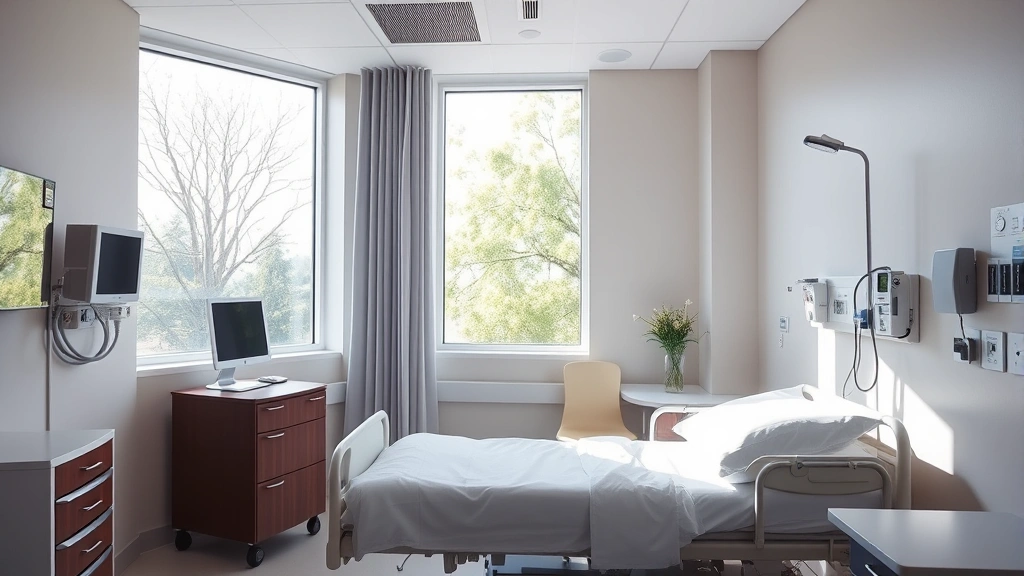
Top Inpatient Mental Health Facilities in New Jersey
Finding the right mental health support can feel overwhelming, especially when you’re navigating a crisis or seeking intensive treatment. New Jersey offers a robust network of inpatient mental health facilities designed to provide comprehensive care for individuals struggling with depression, anxiety, bipolar disorder, substance abuse, and other serious mental health conditions. Whether you’re looking for yourself or a loved one, understanding what these facilities offer can make all the difference in your recovery journey.
The Garden State has invested significantly in mental health infrastructure over the past decade, creating specialized programs that address everything from acute psychiatric episodes to long-term residential treatment. These facilities employ licensed psychiatrists, psychologists, social workers, and counselors who work collaboratively to develop personalized treatment plans. What sets the best facilities apart isn’t just their credentials—it’s their commitment to evidence-based practices, comprehensive aftercare planning, and treating each person as an individual rather than a diagnosis.
This guide walks you through the landscape of inpatient mental health care in New Jersey, highlighting facilities that consistently deliver results and maintain high standards of patient care. We’ll explore what to look for, how to evaluate options, and provide you with actionable information to guide your decision-making process.
Understanding Inpatient Mental Health Care
Inpatient mental health treatment represents a critical level of care for individuals experiencing severe psychiatric symptoms that cannot be safely managed in an outpatient setting. Unlike therapy sessions or medication management appointments, inpatient facilities provide 24/7 monitoring, structured environments, and intensive therapeutic interventions. This level of support becomes necessary when someone is experiencing suicidal ideation, severe psychosis, dangerous behavioral patterns, or acute mental health crises.
The decision to seek inpatient care often comes with complex emotions—relief, fear, uncertainty, and sometimes shame. It’s important to understand that choosing inpatient treatment is a sign of strength, not weakness. You’re taking decisive action to prioritize your mental health and safety. New Jersey’s inpatient facilities recognize this vulnerability and structure their programs around compassionate, dignity-preserving care.
What distinguishes quality inpatient facilities from mediocre ones? Research from the American Psychological Association emphasizes that effective inpatient programs combine medical management, psychotherapy, peer support, family involvement, and discharge planning. The best facilities in New Jersey incorporate all these elements, ensuring that your treatment extends beyond crisis stabilization to include genuine therapeutic progress.
Key components of quality inpatient care include:
- Board-certified psychiatrists available for medication management and medical oversight
- Licensed therapists providing individual and group therapy sessions
- Structured daily schedules balancing therapeutic activities with wellness practices
- Family involvement programs and psychoeducation
- Discharge planning that begins on day one of admission
- Access to specialized services like trauma therapy or addiction treatment
- Post-discharge follow-up and outpatient care coordination
Understanding these elements helps you evaluate facilities more effectively and know what questions to ask during the admission process.
Top-Rated Facilities Across New Jersey
New Jersey’s mental health landscape includes several standout facilities recognized for their clinical excellence and patient outcomes. These institutions have earned reputations through years of consistent, compassionate care and commitment to evidence-based treatment methodologies.
Northern New Jersey
The northern region, encompassing areas like Bergen County and Passaic County, hosts some of the state’s most established psychiatric hospitals. Bayonne Community Mental Health Center represents the type of community-focused approach that many New Jersey residents benefit from, providing accessible mental health services with an understanding of local needs. Beyond community centers, larger psychiatric hospitals in the northern region offer comprehensive inpatient programs with specialized units for different age groups and diagnoses.
These facilities typically feature dedicated units for adolescents, adults, and geriatric populations, recognizing that mental health treatment needs vary significantly across age groups. The therapeutic environments are designed to feel welcoming rather than institutional, with attention paid to natural lighting, outdoor spaces, and comfortable common areas where patients can engage in group activities and build peer support networks.
Central New Jersey
Central Jersey’s inpatient facilities serve as regional hubs for psychiatric care, drawing patients from multiple counties. These hospitals often feature research partnerships with academic medical centers and offer cutting-edge treatment options like transcranial magnetic stimulation (TMS), ketamine-assisted therapy, and intensive psychotherapy modalities. The scale of these facilities allows them to maintain specialized programs that might not be viable in smaller hospitals.

Southern New Jersey
The southern region provides essential psychiatric services to communities that might otherwise face significant travel distances for inpatient care. These facilities maintain the same clinical standards as their northern counterparts while often reflecting the unique demographics and needs of their service areas. Many have developed strong partnerships with primary care providers and community mental health centers to ensure continuity of care.
When evaluating facilities in any region, look beyond location convenience. Consider the specific programs offered, the credentials of the clinical staff, patient satisfaction ratings, and whether they accept your insurance or offer financial assistance programs. A slightly longer drive to a facility that specializes in your particular needs often yields better outcomes than choosing based solely on proximity.
Specialized Programs and Services
The best inpatient mental health facilities in New Jersey have moved beyond generic psychiatric hospitalization to offer highly specialized programs addressing specific conditions and populations. This specialization matters tremendously because treatment for bipolar disorder differs significantly from treatment for eating disorders, and adolescent care requires different approaches than geriatric psychiatric care.
Adolescent Programs
Teenagers experiencing mental health crises require specialized environments that acknowledge their developmental stage while addressing serious psychiatric symptoms. Quality adolescent inpatient mental health facilities incorporate school continuity, peer support with age-appropriate peers, family therapy components, and staff trained in adolescent psychology. Many New Jersey facilities maintain on-site educational services so teens don’t fall behind academically during treatment.
Dual Diagnosis Programs
Individuals struggling with both mental illness and substance use disorders require integrated treatment addressing both conditions simultaneously. Dual diagnosis programs in New Jersey combine psychiatric care with addiction medicine, recognizing that these conditions are often intertwined. Therapists in these programs understand how trauma might fuel both depression and substance abuse, or how anxiety disorders can lead to medication misuse.
Trauma-Specialized Care
Post-traumatic stress disorder and complex trauma require specialized therapeutic approaches. Evidence-based modalities like Cognitive Processing Therapy (CPT) and Prolonged Exposure Therapy (PE) have demonstrated effectiveness for PTSD, and New Jersey’s leading facilities employ therapists trained in these techniques. Research in trauma treatment continues to evolve, and the best facilities stay current with emerging evidence.
Acute Care Mental Health Services
Acute care mental health units handle psychiatric emergencies with the urgency and expertise they demand. These units are equipped to manage patients experiencing psychosis, severe mania, acute suicidality, and other psychiatric emergencies. The staff in acute units are specially trained in de-escalation, psychiatric medication management, and crisis intervention.

Eating Disorder Programs
Eating disorders represent some of the most complex psychiatric conditions, requiring treatment that addresses nutritional rehabilitation, psychological factors, and often underlying trauma. New Jersey facilities with eating disorder specialization employ registered dietitians, psychiatrists experienced with eating disorders, and therapists trained in evidence-based approaches like Family-Based Treatment for adolescents and Cognitive Behavioral Therapy for adults.
Geriatric Psychiatric Care
Older adults with mental health conditions often have medical comorbidities that complicate treatment. Geriatric psychiatric units address conditions like late-onset depression, cognitive decline, and late-life psychosis while carefully managing medication interactions and medical conditions. These specialized environments understand the unique needs of aging populations and create therapeutic communities appropriate for older adults.
What to Expect During Your Stay
Uncertainty about what inpatient treatment will actually look like can increase anxiety about admission. Understanding the typical structure and expectations can help ease this transition and allow you to focus on your recovery rather than navigating the unknown.
Admission Process
Admission typically begins with a comprehensive psychiatric evaluation conducted by a psychiatrist or advanced practice clinician. This evaluation gathers information about your psychiatric history, current symptoms, medical conditions, medications, substance use, and psychosocial circumstances. While thorough evaluations can feel lengthy, they’re essential for developing an accurate diagnosis and appropriate treatment plan. Be honest and complete in your responses—the more accurate the information, the better your treatment will be.
You’ll also complete paperwork regarding insurance, emergency contacts, and facility policies. Staff will orient you to the unit, showing you your room, common areas, dining facilities, and explaining daily routines. Many facilities provide written materials summarizing these details, which you can review at your own pace.
Daily Structure
Inpatient units operate on structured schedules designed to maximize therapeutic benefit while maintaining safety. A typical day might include:
- Morning medication administration and vital signs monitoring
- Individual therapy sessions with your assigned therapist
- Group therapy addressing topics like coping skills, emotion regulation, or psychoeducation
- Recreational or occupational therapy activities
- Meals taken in community dining areas
- Free time for rest, reading, or socializing with other patients
- Evening activities or additional therapeutic groups
- Evening medication administration and wind-down time
This structure might initially feel restrictive, but most patients find that predictability actually reduces anxiety. Knowing what to expect allows your nervous system to settle, enabling genuine therapeutic work.
Treatment Planning
Within 24 hours of admission, you’ll meet with your treatment team to develop an individualized treatment plan. This collaborative process involves you, your psychiatrist, therapist, and other relevant staff. Your input matters—this is your treatment plan, and your goals should shape it. Whether your focus is medication optimization, developing coping skills, processing trauma, or building relapse prevention strategies, your treatment team will structure the program around your specific needs.
Treatment plans include specific, measurable goals and identify which interventions will address each goal. You’ll review progress toward these goals regularly, typically weekly, and adjust the plan as needed. This isn’t a static document but a living guide that evolves as you progress through treatment.
Medication Management
If psychiatric medications are part of your treatment, your psychiatrist will work with you to find appropriate options, manage side effects, and optimize dosing. Psychiatric medication management during inpatient stays differs from outpatient care because your psychiatrist can observe your response closely and make adjustments more frequently if needed. Be forthcoming about side effects—effective medication should work for your symptoms without creating unmanageable side effects.
Therapeutic Activities
Beyond individual and group therapy, quality inpatient programs incorporate diverse therapeutic activities. These might include art therapy, music therapy, yoga, mindfulness meditation, recreational activities, and occupational therapy. These aren’t frivolous additions—evidence demonstrates that multimodal approaches addressing mind, body, and spirit produce better outcomes than medication and talk therapy alone.
Insurance and Financial Considerations
Mental health treatment represents a significant financial investment, and navigating insurance coverage adds another layer of complexity. Understanding your financial options prevents unwelcome surprises and ensures you can focus on recovery rather than financial stress.
Insurance Coverage
Most major insurance plans cover inpatient psychiatric hospitalization, though specifics vary considerably. Your insurance likely requires pre-authorization before admission, meaning the facility must contact your insurer to verify coverage before you’re admitted. This isn’t bureaucratic obstruction—it’s actually protective, as it confirms you won’t receive an unexpected massive bill after treatment.
Insurance coverage typically addresses the facility’s daily charge but may not cover everything. Medication costs, specialized therapies, or services provided by out-of-network practitioners might require separate authorization or out-of-pocket payment. Always ask the facility’s financial counselor to explain your specific coverage before admission.
Financial Assistance Programs
Many New Jersey inpatient facilities offer financial assistance for uninsured or underinsured patients. These programs might include sliding scale fees based on income, charity care programs, or payment plans. Don’t let lack of insurance prevent you from seeking needed treatment—discuss your financial situation with the facility’s financial counselor.
Out-of-Pocket Costs
Even with insurance, you’ll likely have out-of-pocket costs including copayments, deductibles, and coinsurance. A typical inpatient psychiatric stay costs $15,000-$30,000 for a week, though this varies based on facility, location, and level of specialization. Insurance typically covers 80-90% after deductibles are met, leaving patients responsible for several thousand dollars.
Some facilities offer payment plans for patient responsibility amounts, allowing you to pay over time rather than receiving a large bill at discharge. This flexibility can make treatment more financially manageable.
How to Choose the Right Facility
With multiple options available across New Jersey, selecting the right facility requires thoughtful evaluation. This decision significantly impacts your treatment outcomes and recovery trajectory, so invest time in the selection process.
Assess Your Specific Needs
Begin by clarifying your treatment needs. Are you seeking crisis stabilization for acute symptoms, or longer-term treatment for a chronic condition? Do you need comprehensive inpatient mental health services comparable to leading facilities in Florida, or are more local options appropriate? Do you require specialized programs like dual diagnosis treatment, eating disorder care, or trauma therapy? Understanding your needs narrows your options significantly.
Verify Credentials and Accreditation
Look for facilities accredited by The Joint Commission, which represents a rigorous external validation of quality and safety standards. Verify that psychiatrists are board-certified in psychiatry or child psychiatry, and that therapists hold appropriate licenses (LCSW, LPC, psychologist). Don’t hesitate to ask about staff credentials—quality facilities are proud of their teams and readily provide this information.
Review Outcomes and Patient Satisfaction
Many facilities publish data about patient outcomes and satisfaction. Look for information about readmission rates, patient satisfaction scores, and outcomes specific to your diagnosis. Lower readmission rates suggest more effective treatment, and higher patient satisfaction indicates good clinical care combined with respectful treatment. Healthcare rating sites sometimes include patient reviews that provide valuable perspective.
Evaluate Location and Logistics
While not the primary factor, facility location matters for family involvement. If family visits are important to your recovery, choosing a facility within reasonable driving distance for your support system increases the likelihood they’ll participate actively in your treatment. However, don’t compromise on quality to stay local—the right facility for your specific needs outweighs convenience.
Compare Facilities in Other States
If you want to evaluate how New Jersey facilities compare nationally, consider reviewing top-rated facilities in Georgia or highly-regarded programs in Alabama. This perspective helps you understand what exceptional psychiatric care looks like and ensures New Jersey facilities meet those standards. Additionally, exploring premier inpatient mental health facilities in Florida provides insight into innovative programs and best practices.
Ask Specific Questions
During your research, ask potential facilities:
- What is your average length of stay for my diagnosis?
- How do you approach medication management and side effect monitoring?
- What evidence-based therapies do you utilize?
- How involved can family members be in treatment?
- What is your discharge planning process, and how do you ensure continuity of care?
- What is your readmission rate?
- Can I speak with current or former patients?
- What happens if I’m not improving after two weeks?
Facilities confident in their quality welcome these questions and provide thorough, honest answers.
Trust Your Instincts
After gathering information, visit if possible and pay attention to how you feel. Do staff treat you with respect? Does the environment feel safe and therapeutic? Can you imagine spending time there? Your intuition about whether a facility feels right matters—you’ll spend days or weeks there, and feeling comfortable with your environment supports recovery.
Frequently Asked Questions
How long do most inpatient psychiatric stays last?
Average inpatient psychiatric stays typically range from 3-7 days, though this varies significantly based on diagnosis, severity, and treatment response. Some patients stabilize quickly with medication adjustments and crisis intervention, while others benefit from longer stays allowing more intensive therapy and skill-building. Your treatment team continuously evaluates whether you’re ready for discharge or if additional inpatient time would benefit your recovery.
Can I refuse treatment while inpatient?
This depends on whether you’re voluntary or involuntary. Voluntary patients retain most rights, including the right to refuse specific treatments (though refusing all treatment may result in discharge). Involuntary patients have fewer rights but still maintain protections—you cannot be forced to take medications unless you’re deemed an immediate danger to yourself or others and meet specific legal criteria. Discuss your preferences with your treatment team; they often work collaboratively to find acceptable treatment approaches.
Will inpatient treatment affect my employment?
Taking medical leave for inpatient psychiatric treatment is protected under the Family and Medical Leave Act (FMLA) for eligible employees, meaning your job is protected during treatment. However, inform your employer that you’re on medical leave without necessarily disclosing details. Return to work discussions should happen during discharge planning with your treatment team, who can help you determine appropriate timing and any workplace accommodations that might support your recovery.
What happens after I leave the hospital?
Discharge planning begins on your first day of inpatient care, not on your last day. Before leaving, you’ll have specific plans for outpatient psychiatry appointments, therapy sessions, medication management, and crisis resources. Your facility should provide discharge summaries and medication lists to share with your outpatient providers. Most facilities encourage family members to attend discharge planning sessions so everyone understands the aftercare plan.
How do I know if inpatient treatment is right for me?
Consider inpatient treatment if you’re experiencing suicidal or homicidal thoughts, severe symptoms that prevent functioning, acute psychiatric crises, or symptoms inadequately controlled by outpatient treatment. If you’re wondering whether you need this level of care, calling a facility’s admissions line and describing your situation can help. Many facilities have clinical staff available to discuss whether inpatient treatment is appropriate, and they can help guide you toward appropriate care levels.
Can I choose my own doctor while inpatient?
Most facilities assign psychiatrists and therapists rather than allowing patient choice. However, if you have a strong existing relationship with a psychiatrist or therapist who has privileges at the facility, discuss this during admission. Some facilities can accommodate these preferences, particularly for private or specialized hospitals. Public hospitals typically have less flexibility due to staffing models.
Are there age restrictions for inpatient psychiatric hospitalization?
No—inpatient psychiatric care is available for children, adolescents, adults, and older adults. However, different age groups typically stay on separate units with age-appropriate programming. Adolescents won’t be mixed with adult patients, and children typically have specialized pediatric psychiatric units. Some facilities specialize in particular age groups, so verify they have appropriate programming for your age before admission.
What if I’m not improving during my stay?
If your treatment team determines you’re not responding adequately to current interventions, they might adjust medications, modify your therapy approach, refer you to a different specialized program, or recommend extended inpatient care. Most facilities maintain flexibility in their treatment approaches and adjust plans as needed. Open communication with your treatment team about your progress is essential—if something isn’t working, voice this concern.


