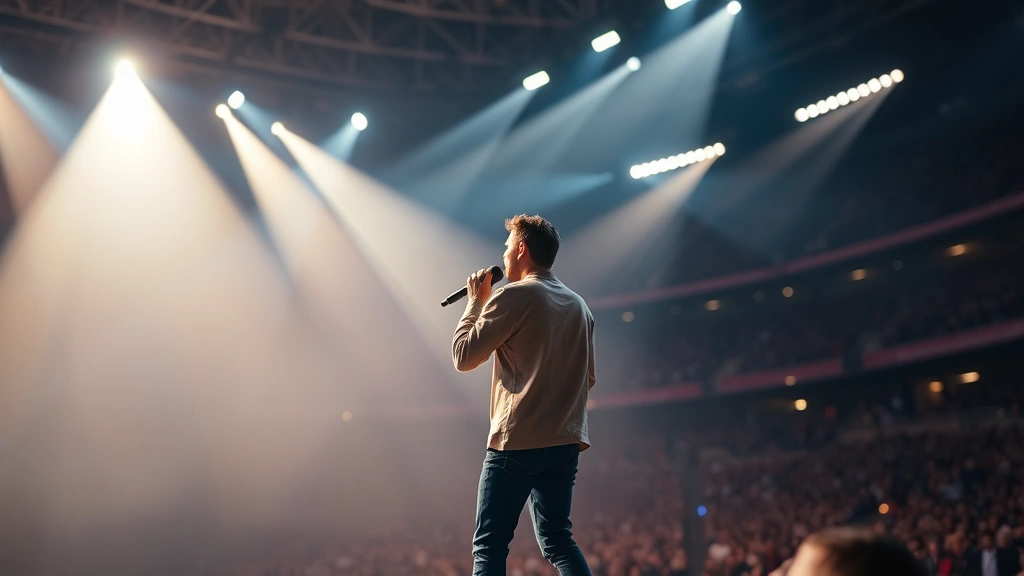
What Makes a National Anthem Performance Great? The Art of Captivating Millions
There’s a peculiar magic that happens when a performer steps up to deliver the national anthem. In those few minutes, they’re not just singing a song—they’re channeling the collective spirit of a nation, holding the emotional weight of millions of eyes watching their every move. A truly great national anthem performance transcends the technical execution of notes and rhythm; it becomes a moment of national unity, vulnerability, and raw human connection.
What separates a forgettable rendition from one that becomes part of cultural memory? It’s not always about hitting every note perfectly or possessing the most technically impressive vocal range. Instead, it’s about understanding the profound responsibility of the moment, bringing authentic emotion to tradition, and executing with the kind of focus that commands respect from everyone in the room—whether they’re in a packed stadium or watching from their living room.
The best national anthem performances share common threads: intentionality, emotional resonance, technical precision, and an almost meditative presence. These aren’t accidents. They’re the result of deliberate preparation, psychological mastery, and a deep understanding of what the moment demands.
The Foundation: Vocal Mastery and Technical Excellence
Let’s be honest: you can’t deliver a great national anthem performance without a solid vocal foundation. The national anthem is deceptively challenging from a technical standpoint. Most versions span nearly two octaves, contain intervals that demand precision, and require sustained breath control throughout phrases that seem to go on forever.
Technical excellence means understanding your instrument intimately. It’s about knowing exactly where your voice sits comfortably, identifying potential trouble spots in the melody, and developing strategies to navigate them without sounding strained or uncertain. A performer delivering the best national anthem performance understands that the anthem isn’t a place for vocal gymnastics or unnecessary embellishment—it’s about clarity, control, and confidence.
The vocal approach matters tremendously. Some of the most memorable renditions come from singers who resist the temptation to oversing. Instead, they let the melody breathe, they support each phrase with proper breath management, and they prioritize emotional communication over vocal showmanship. Think about how the best acting performances work—they’re rarely about showing off; they’re about authenticity and restraint.
Consider the physical aspects too. Posture, breathing technique, and vocal warm-up routines aren’t glamorous, but they’re absolutely essential. A performer who hasn’t properly warmed up their voice is already starting from a disadvantaged position, regardless of their natural talent.
Emotional Depth: Making the Anthem Personal

Here’s where good anthem performances become truly memorable ones. The national anthem carries historical weight, cultural significance, and emotional resonance that extends far beyond the melody itself. When a performer approaches it with genuine emotion rather than mechanical precision, something shifts in the room.
The most powerful national anthem performances are those where the singer clearly understands what they’re singing about. They recognize the lyrics aren’t just poetic flourishes—they’re expressions of pride, resilience, sacrifice, and collective identity. This understanding transforms the performance from a technical exercise into a deeply human moment.
Authenticity is non-negotiable here. Audiences can immediately sense when a performer is genuinely moved versus when they’re performing emotion. This is where true focus comes into play. It’s not about thinking about your emotions; it’s about connecting so deeply with the material that emotion naturally emerges. Some performers find this connection through personal reflection before taking the stage. Others draw on their understanding of their nation’s history, the sacrifices made, and what the anthem represents to people in that stadium.
The pacing and dynamic variation in delivery matter enormously. A great national anthem performance isn’t delivered at a monotone emotional level throughout. Instead, there are moments of building intensity, moments of tender introspection, and moments of powerful proclamation. This variation keeps listeners engaged and allows the emotional arc of the anthem to unfold naturally.
The Power of Focus and Presence
This is where the performance transcends entertainment and becomes something approaching meditation—for both performer and audience. When a singer steps up to deliver the national anthem with complete presence, they’re not thinking about the cameras, the crowd, or what could go wrong. They’re fully inhabiting the moment.
This kind of focus requires mental preparation that goes beyond typical performance preparation. It’s similar to the mindset athletes cultivate before major competitions. Some performers use visualization techniques, mentally rehearsing the performance while managing their nervous system. Others employ grounding techniques to anchor themselves in the present moment rather than spiraling into performance anxiety.
The interesting thing about presence is that it’s contagious. When a performer is fully present, delivering each line with intentional focus, audiences feel it. There’s a palpable shift in energy. The stadium quiets in a different way. People stop checking their phones. The moment becomes genuinely shared rather than consumed.
This connects directly to the idea of delivering a memorable performance under pressure. The best performers develop techniques to maintain focus despite external distractions. Some might use a specific focal point in the crowd. Others might close their eyes and rely entirely on internal focus. The method matters less than the consistency and effectiveness of the approach.

Strategic Preparation and Mental Conditioning
A truly great national anthem performance looks effortless, which is precisely why it requires meticulous preparation. Behind every memorable rendition is typically weeks or months of deliberate practice, strategic planning, and psychological conditioning.
Technical preparation is obvious: vocal exercises, rehearsals, working with coaches or accompanists. But mental preparation is equally crucial and often overlooked. This includes visualization practices, breathing exercises designed to calm the nervous system, and mental rehearsals where the performer mentally walks through the entire performance, including potential challenges and how they’ll handle them.
Many elite performers develop pre-performance rituals that signal to their nervous system that it’s time to perform at their best. These rituals might include specific warm-ups, listening to particular music, meditation, or even something as simple as a particular sequence of movements. The ritual itself matters less than the fact that it’s consistent and effective for that individual performer.
There’s also strategic preparation around the specific performance context. A performer delivering the anthem at a major sporting event faces different challenges than one performing at a smaller civic event. Understanding the acoustics of the venue, the size of the crowd, the emotional tenor of the event, and the specific anthem arrangement being used all factor into preparation strategy.
Mental conditioning also involves developing resilience. What happens if something goes wrong? A truly prepared performer has contingency plans. They know how they’ll recover if they miss a note, how they’ll maintain composure if the crowd is unexpectedly loud, and how they’ll handle unexpected technical issues. This preparation paradoxically makes them more likely to deliver flawlessly because they’re not catastrophizing about potential failures.
Iconic Moments That Defined the Standard
Throughout history, certain national anthem performances have set the benchmark for what’s possible in the format. These performances didn’t happen by accident, and they offer valuable lessons about what makes the best national anthem performance resonate across generations.
When you study iconic performances, patterns emerge. They typically feature performers who understood the moment’s significance, brought genuine emotion to the delivery, executed with technical precision, and maintained complete presence throughout. Whether it’s a performance at a major championship, a historic moment, or a seemingly ordinary event, the greatest ones share this combination of elements.
What’s fascinating is that these iconic moments often become cultural reference points. When people discuss what makes a truly great national anthem performance, they reference these moments. It’s like how standout performances on major platforms become part of cultural conversation and influence how future performers approach similar moments.
The emotional impact of these performances often extends beyond the immediate moment. People remember where they were when they witnessed a particular anthem performance. It becomes intertwined with their memory of that event, that season, that year. This staying power is a reliable indicator of genuine greatness in the format.
Common Pitfalls and How to Avoid Them
Understanding what doesn’t work is just as important as understanding what does. Certain mistakes consistently undermine national anthem performances, and they’re largely avoidable with proper preparation and awareness.
Over-embellishment: This is probably the most common mistake. Performers add unnecessary vocal runs, extend notes beyond their intended length, or try to “improve” the melody with improvisation. While this impulse often comes from a good place—wanting to showcase vocal ability or add personal flair—it typically undermines rather than enhances the performance. The anthem doesn’t need improvement; it needs respect and clarity.
Mismatched Pacing: Some performers rush through the anthem, treating it like a song to get through rather than a moment to inhabit. Others drag it out, losing momentum and audience engagement. The ideal pace allows for emotional expression while maintaining forward motion.
Insufficient Vocal Preparation: Performing the national anthem without proper warm-up is a recipe for vocal strain and technical problems. This includes physical warm-up and mental preparation to calm performance anxiety.
Disconnection from Meaning: When performers treat the anthem as merely a melody to execute rather than a meaningful expression of national pride and identity, audiences feel the disconnect. This is why emotional preparation is as important as technical preparation.
Poor Breath Management: The anthem contains several phrases that require substantial breath support. Performers who haven’t practiced proper breath control often sound strained or run out of air mid-phrase, forcing them to breathe in awkward places.
Avoiding these mistakes requires honest self-assessment, willingness to work with experienced coaches, and commitment to thorough preparation. It also requires understanding that even the most seasoned performers continue refining their craft and learning from each performance.
The mindset matters here too. Approaching the anthem performance with humility—recognizing the magnitude of what you’re doing and the responsibility you’re carrying—naturally leads to better preparation and more respectful execution. This is where inspiration from meaningful sources can help ground performers in the significance of their task.
Frequently Asked Questions
What’s the most important element of a great national anthem performance?
While technical excellence and emotional depth are both crucial, presence might be the most important element. When a performer is fully present—connected to the moment, the meaning of the anthem, and the audience—everything else tends to fall into place. Presence transforms a good performance into a memorable one.
Should I add my own interpretation to the national anthem?
This is a nuanced question. Minor interpretive choices regarding pacing, dynamics, and emotional emphasis are appropriate and often enhance performances. However, significant alterations to the melody, rhythm, or structure typically undermine rather than improve the performance. The key is respecting the anthem’s integrity while bringing authentic emotion to it.
How do I manage nervousness before performing the national anthem?
Nervousness is natural and even beneficial—it indicates you understand the moment’s significance. Manage it through thorough preparation, breathing exercises, grounding techniques, and pre-performance rituals. Some performers find that reframing nervousness as excitement rather than fear helps. Others use visualization to mentally rehearse successful performances. Drawing inspiration from athletes’ mental preparation strategies can provide valuable techniques for managing performance pressure.
What vocal range do I need to perform the national anthem well?
The standard national anthem spans roughly 19 semitones (about an octave and a half). However, excellent performances have been delivered by singers with varied ranges. What matters more than range is understanding your voice’s strengths and choosing an arrangement or key that showcases those strengths rather than highlighting limitations.
How much practice is necessary to deliver a great national anthem performance?
This varies by individual, but most professional performers spend weeks or months preparing. This includes vocal rehearsals, working with accompanists, mental preparation, and strategic planning. Even experienced singers don’t approach the anthem casually. The commitment to preparation directly correlates with performance quality.
Can I perform the national anthem at a major event without professional training?
Yes, but professional training significantly increases the likelihood of delivering a strong performance. Training provides technical foundation, helps identify and correct vocal issues, and builds confidence. If you’re planning to perform at a significant event without formal training, working with a coach specifically for this purpose is highly recommended.


