
What is Focus? Expert Insights and Definitions
Focus represents one of the most valuable cognitive resources available to humans, yet it remains poorly understood by many who struggle to harness its power. In our hyperconnected world, the ability to concentrate deeply on a single task has become increasingly rare and exponentially more valuable. Whether you’re pursuing professional excellence, academic achievement, or personal growth, understanding the true nature of focus is fundamental to unlocking your potential.
The concept of focus extends far beyond simply paying attention. It encompasses a complex interplay of neurological processes, psychological states, and bodily performance that work in concert to direct mental resources toward a specific objective. When we examine focus through the lens of modern neuroscience and behavioral psychology, we discover that it’s not a fixed trait but rather a dynamic skill that can be cultivated, strengthened, and optimized through deliberate practice and environmental design.
This comprehensive guide explores what focus truly means, how it functions in the brain and body, and why understanding its mechanisms is essential for anyone seeking to enhance their productivity and mental clarity.
Defining Focus: Beyond Simple Attention
Focus, in its most fundamental definition, represents the deliberate direction of cognitive resources toward a specific task, goal, or object of awareness. However, this straightforward explanation barely scratches the surface of what focus actually entails. True focus involves selective attention—the ability to filter out irrelevant stimuli while amplifying relevant information—combined with sustained mental effort over extended periods.
According to research from the Nature Reviews Neuroscience journal, focus comprises three distinct components: alertness, selective attention, and sustained attention. Alertness refers to your overall state of readiness and arousal. Selective attention involves choosing what to concentrate on while ignoring distractions. Sustained attention, perhaps most critical for complex work, represents your capacity to maintain that concentration over time without mental fatigue overwhelming your efforts.
The distinction between focus and mere concentration is crucial. Concentration can be passive—you might concentrate on a television show without actively choosing to do so. Focus, by contrast, is inherently active and intentional. It requires conscious effort and represents a commitment to direct your mental energy in a specific direction, often despite competing demands for your attention.

The Neuroscience Behind Focus
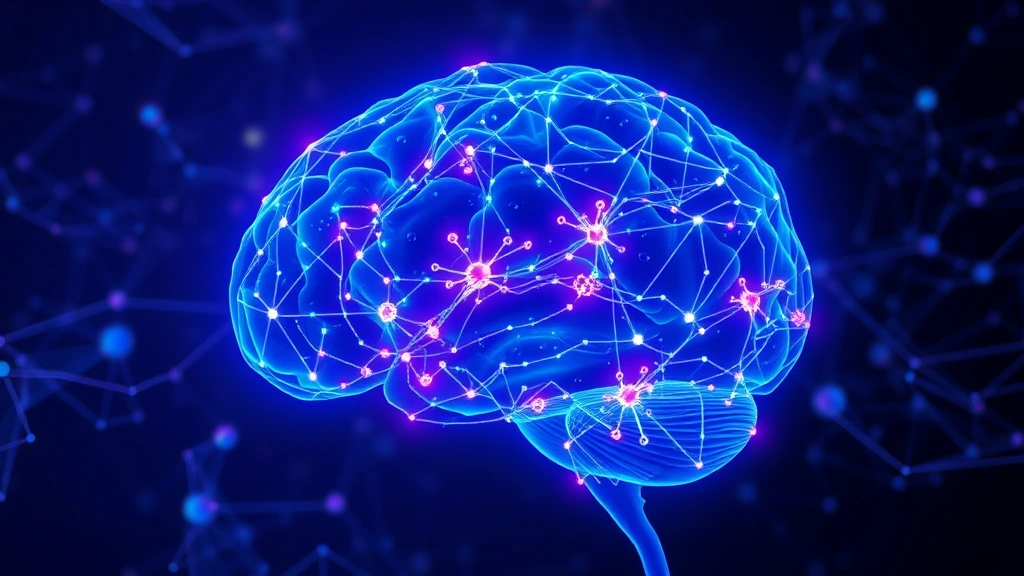
When you engage in focused work, multiple brain regions activate in a coordinated symphony of neural activity. The prefrontal cortex, often called the brain’s command center, plays a starring role in initiating and maintaining focus. This region handles executive functions including decision-making, planning, and attention control. Research from Frontiers in Psychology demonstrates that strengthening prefrontal cortex function directly correlates with improved focus capacity.
The anterior cingulate cortex works in tandem with the prefrontal cortex to monitor performance and detect conflicts that might require attention shifts. Meanwhile, the posterior parietal cortex helps maintain spatial awareness and task-relevant information. These brain regions communicate through neural pathways strengthened by the neurotransmitter dopamine, which plays a crucial role in motivation, reward anticipation, and attention regulation.
Neurotransmitters deserve special mention in any discussion of focus. Beyond dopamine, norepinephrine enhances alertness and attention, while acetylcholine strengthens memory formation during focused learning. The balance of these neurochemicals significantly influences your capacity to focus. When these systems function optimally, focus flows naturally. When disrupted—through sleep deprivation, stress, or poor nutrition—focus becomes nearly impossible to maintain.
The American Psychological Association notes that focus also involves the reticular activating system, a network of neurons in the brainstem that filters sensory information. This system essentially acts as your brain’s gatekeeper, determining which stimuli deserve conscious attention and which should be filtered out automatically.
Bodily Performance and Focus Connection
Understanding bodily performance meaning in the context of focus reveals that concentration isn’t purely a mental phenomenon—it’s deeply embodied. Your physical state profoundly influences your capacity to focus. The connection between body and mind operates bidirectionally: mental focus efforts produce measurable physiological changes, while physical conditions directly impact cognitive performance.
When you achieve deep focus, your body enters a distinct physiological state characterized by optimal arousal. Your heart rate stabilizes at a moderate level, breathing becomes rhythmic and controlled, and muscle tension balances between relaxation and readiness. Cortisol levels—the stress hormone—remain low, while endorphins increase, creating a state of calm alertness ideal for concentration.
Physical posture significantly influences focus capacity. Research demonstrates that upright posture enhances confidence, cognitive performance, and sustained attention compared to slouched positions. Your body’s proprioceptive feedback—awareness of your physical position in space—sends signals to your brain that either support or undermine your focus efforts. Standing or sitting with proper alignment literally changes your neurochemistry in ways that support concentration.
Exercise deserves particular emphasis as a bodily performance factor affecting focus. Regular physical activity increases brain-derived neurotrophic factor (BDNF), a protein crucial for neuroplasticity and cognitive function. Exercise also enhances blood flow to the prefrontal cortex and improves the efficiency of neurotransmitter systems. Athletes and fitness enthusiasts often report superior focus capacity, and this isn’t coincidental—it’s neurobiologically grounded.
Sleep quality represents another critical bodily performance variable. During sleep, your brain consolidates memories, clears metabolic waste products, and restores neurotransmitter reserves. Inadequate sleep directly impairs focus through multiple mechanisms: reduced dopamine sensitivity, increased mind-wandering, and diminished prefrontal cortex function. The relationship between sleep and focus is so strong that sleep deprivation produces cognitive deficits comparable to intoxication.
Nutrition and hydration status also fall under bodily performance considerations affecting focus. Your brain consumes approximately 20% of your body’s energy despite comprising only 2% of body weight. Stable blood glucose levels, adequate micronutrient intake, and proper hydration all support optimal cognitive function. Dehydration, even at mild levels, impairs attention and working memory capacity.
Types of Focus and Concentration
Not all focus is created equal. Understanding different focus types helps you apply the right approach to different tasks. Explore our comprehensive focus resources for deeper insights into concentration strategies.
Focused attention involves concentrating on a single stimulus while ignoring distractions. This type dominates tasks requiring detail orientation, such as proofreading, coding, or precision work. Focused attention is relatively easy to initiate but grows increasingly difficult to maintain as distractions accumulate.
Sustained attention represents your capacity to maintain concentration over extended periods. This type is essential for complex projects, studying, and deep work sessions. Sustained attention depletes more quickly than focused attention and requires deliberate effort to maintain, particularly as mental fatigue accumulates.
Selective attention involves filtering relevant information from background noise. This type proves essential in environments with multiple competing stimuli—a crowded coffee shop, an open office, or a busy classroom. Selective attention requires active cognitive effort to suppress irrelevant information while amplifying task-relevant signals.
Divided attention, while often discussed, represents a misnomer. Research shows that true multitasking is neurologically impossible—your attention actually switches rapidly between tasks rather than dividing. This rapid switching impairs performance on both tasks compared to sequential focus. Understanding this limitation helps explain why multitasking consistently reduces productivity.
For enhancing your approach to challenging tasks, review our guide on Atomic Habits Review, which discusses how small focus improvements compound into significant results.
Proven Techniques to Enhance Focus
Scientific research has identified numerous evidence-based techniques for strengthening focus capacity. The Pomodoro Technique—working in focused 25-minute intervals separated by short breaks—leverages neurobiological principles about attention span and mental fatigue. This method prevents the mental exhaustion that derails focus during longer sessions.
Environmental design dramatically influences focus capacity. Removing visual distractions, minimizing auditory interruptions, and organizing your workspace to support your current task all enhance concentration. Some individuals benefit from specific auditory stimuli; binaural beats for focus represent one option for those seeking sound-based concentration support.
Meditation and mindfulness practices strengthen the neural circuits underlying focus. Regular practitioners show increased gray matter density in regions associated with attention control and emotional regulation. Even brief daily meditation—10 to 15 minutes—produces measurable improvements in focus capacity within weeks.
Goal clarity fundamentally supports focus. When you understand precisely what you’re trying to accomplish and why that accomplishment matters, your brain’s reward systems activate more robustly, facilitating sustained attention. Vague goals produce diffuse effort; specific goals direct mental resources efficiently.
Pre-work rituals signal to your brain that focus time is beginning. These rituals might include specific music, a particular beverage, a brief walk, or a few moments of deliberate breathing. The specific ritual matters less than consistency—your brain learns to associate the ritual with focus mode and primes itself accordingly.
For those seeking motivation and mental clarity, best motivational Bible verses provide spiritual grounding that supports sustained focus for many individuals. Connecting your work to deeper purpose enhances the neurobiological support for concentration.
Common Obstacles to Maintaining Focus
Digital notifications represent the primary modern focus destroyer. Each notification triggers a dopamine response in your brain, making notification checking addictive. The mere presence of your smartphone—even when silent—reduces available cognitive resources, a phenomenon researchers call “brain drain.” Physically removing your phone from your workspace dramatically improves focus capacity.
Stress and anxiety severely impair focus by elevating cortisol and triggering amygdala activation—essentially putting your brain in threat-response mode rather than learning-and-focus mode. Chronic stress literally shrinks the prefrontal cortex while enlarging the amygdala, creating a neurobiological state incompatible with sustained concentration.
Insufficient movement and exercise reduce focus capacity through multiple pathways. Physical inactivity decreases BDNF production, reduces cerebral blood flow, and allows stress hormones to accumulate. Even brief movement breaks—a few minutes of stretching or walking—restore focus capacity by refreshing these systems.
Poor sleep quality compounds focus difficulties dramatically. Sleep deprivation impairs prefrontal cortex function while increasing default mode network activity—essentially your brain’s tendency to mind-wander. The relationship is dose-dependent: each hour of lost sleep further degrades focus capacity.
Nutritional deficiencies, particularly in B vitamins, iron, and omega-3 fatty acids, undermine neurotransmitter production and brain cell health. Hypoglycemia—low blood sugar—creates a state of mental fog incompatible with focused work. Maintaining stable nutrition supports the biological foundation for sustained concentration.
For those interested in comprehensive mental health support, best mental health books offer evidence-based strategies for addressing psychological factors that undermine focus. Additionally, exploring Bible verses on mental health provides spiritual resources for managing the anxiety and stress that impair concentration.
Frequently Asked Questions
How long can humans maintain focused attention?
Research suggests that genuine focused attention—complete concentration without mind-wandering—typically lasts 20 to 25 minutes before mental fatigue begins accumulating. However, this duration varies based on task difficulty, individual differences, and training. With practice and proper environmental support, some individuals extend this to 45 minutes or longer. The key is recognizing when focus quality declines and taking strategic breaks rather than pushing through diminishing returns.
Can focus capacity be permanently improved?
Yes. Focus functions as a skill that responds to deliberate practice and proper training. Meditation, cognitive training exercises, and strategic lifestyle changes produce lasting improvements in attention capacity. Neuroimaging studies confirm that these practices create structural changes in brain regions associated with attention control. However, improvements require consistent effort—focus capacity declines without ongoing practice, similar to physical fitness.
What’s the relationship between motivation and focus?
Motivation and focus are distinct but deeply interconnected. Motivation provides the initial drive to direct attention toward a task, while focus represents the sustained cognitive effort that follows. Strong motivation facilitates focus initiation, but focus can be maintained through other mechanisms—habit, environmental structure, and reward systems—even when motivation temporarily wanes. The most resilient performers understand how to maintain focus through both high and low motivation periods.
Does age affect focus capacity?
Age does influence focus capacity, though not uniformly. While processing speed and divided attention show age-related decline, focused attention and selective attention remain relatively stable across the lifespan. Older adults often demonstrate superior focus in their areas of expertise, suggesting that experience and knowledge partially compensate for age-related changes. Cognitive training and healthy lifestyle practices significantly mitigate age-related focus decline.
How do neurotransmitters specifically support focus?
Dopamine enhances motivation and reward sensitivity, making focused work feel more engaging. Norepinephrine increases alertness and arousal, preparing your nervous system for concentrated effort. Acetylcholine strengthens memory formation during learning, allowing focused study to produce lasting knowledge. GABA reduces background neural noise, allowing task-relevant signals to stand out. Glutamate supports learning and memory. Optimal focus requires balanced functioning of all these systems, which explains why sleep, exercise, and nutrition so profoundly influence concentration capacity.
Can technology support focus despite being a common distraction?
Yes, when used strategically. Focus apps that block distracting websites, timers that enforce work-break cycles, and noise-masking applications can enhance concentration. The key distinction lies between passive technology consumption—social media, email, news feeds—and active technology use designed to support focus. Intentional tool selection and deliberate usage patterns allow technology to become an ally rather than an obstacle in maintaining concentration.


